US Business Funding Guides
Plain-English guides to lenders, eligibility, and costs — so you can walk into a funding decision already knowing the answers.
Business Loans
View all
Unsecured Business Loans in the US: Costs, Guarantees and Eligibility
Unsecured business loans in the US typically cost 8-35% APR depending on creditworthiness and lender type, with banks offering the lowest rates (8-15%) and alternative lenders charging 15-35% or more. Most require personal guarantees despite being "unsecured," meaning no business assets are pledged as collateral.

Working Capital Loans for Small Businesses: Costs, Terms and Eligibility
Working capital loans for small businesses range from 6.75% to 99%+ APR depending on the lender type, with SBA loans at the low end (9-13% APR) and alternative lenders at the high end. Terms vary from 6 months to 10 years, with eligibility based on credit scores (typically 580+), time in business (6+ months), and annual revenue ($50,000+).

State Small Business Credit Initiative (SSBCI): State-Backed Funding Explained
The State Small Business Credit Initiative (SSBCI) provides nearly $10 billion in federal funding to states, territories, and tribal governments to support local lending and investment programs for small businesses.
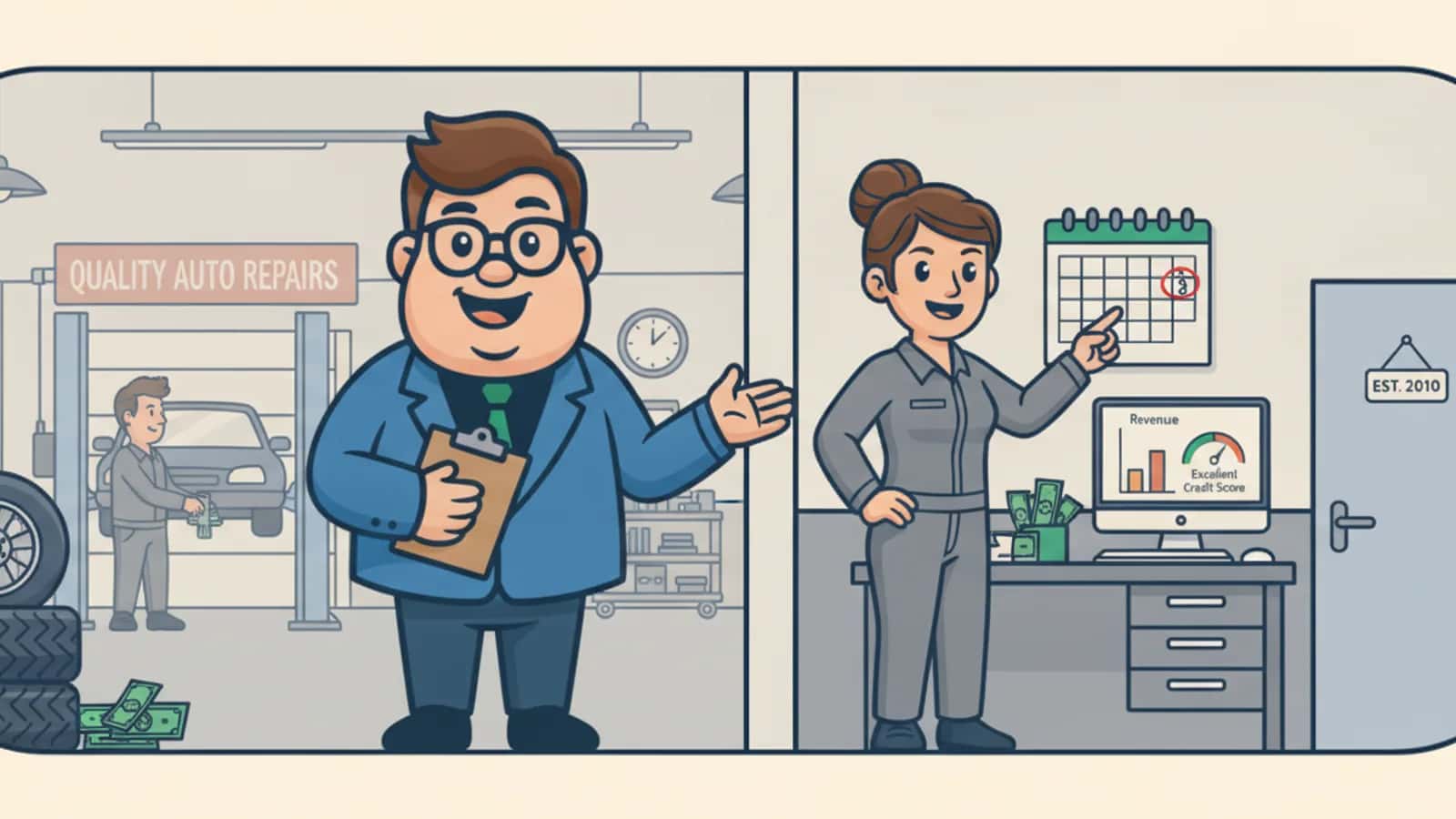
Business Loan Requirements US: Credit Score, Revenue and Time-in-Business Thresholds
Most US business loan requirements center on three key thresholds: personal credit scores of 650+ for traditional banks (580+ for alternative lenders), minimum annual revenue of $100,000-$250,000, and at least two years in business.
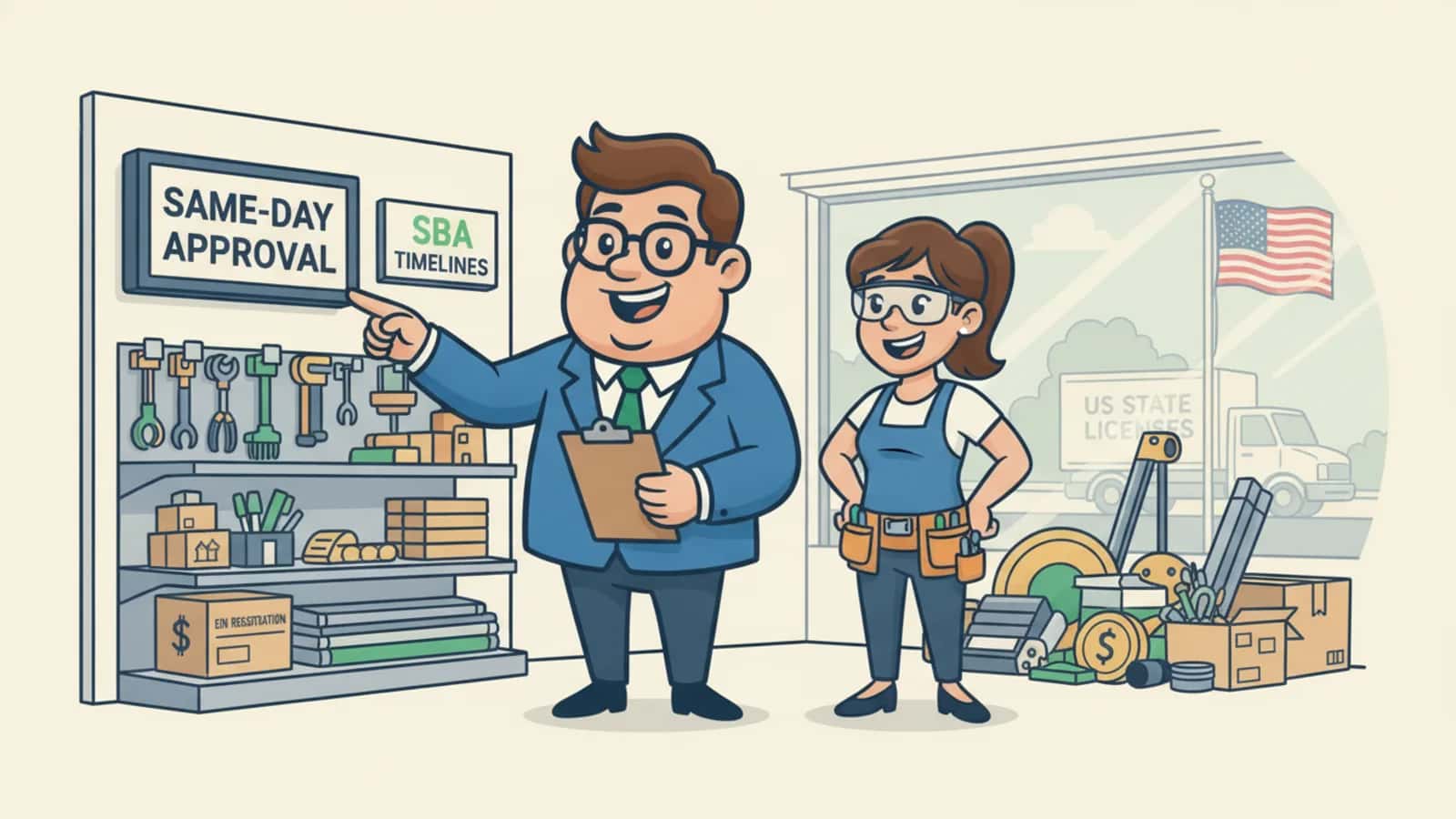
How Fast Can You Get a Business Loan in the US? Same-Day to SBA Timelines
Business loan funding timelines in the US range from 4-24 hours for same-day fintech products to 120+ days for complex SBA real estate transactions.

Revenue-Based Financing in the US: How It Works and What It Costs
Revenue-based financing in the US provides working capital in exchange for a percentage of future monthly revenue until you repay a predetermined multiple of the original advance. Unlike traditional loans, there's no fixed payment schedule, you pay more when revenue is high and less when it's low.

Accounts Receivable Financing vs Business Loans: Which Fits B2B Companies
Accounts receivable financing converts unpaid B2B invoices into immediate cash, while traditional business loans provide lump-sum funding based on overall creditworthiness. AR financing works faster and focuses on invoice quality, but costs more.

Business Credit Scores: What Small Business Owners Need to Know in 2026
Business credit scores use different scales and inputs depending on the bureau. Lenders may review PAYDEX, Experian Intelliscore Plus, FICO SBSS, personal credit and cash flow together, so no single score guarantees approval or a particular rate.

Business Loans for Real Estate Investors: Fix-and-Flip, Rental, and Portfolio Financing
Real-estate investors use different financing for short-term renovation projects, stabilized rentals and multi-property portfolios. Compare total cost, loan-to-value, recourse, collateral, experience requirements and exit strategy rather than choosing on headline rate alone.
Ready when you are
See what funding your business could get
Start a short eligibility check for US business funding options. It only takes about 2 minutes, with no hard credit check to start.