
US Business Funding Guides
Plain-English guides to lenders, eligibility, and costs — so you can walk into a funding decision already knowing the answers.
Business Loans
View all
Disaster Loans for Small Businesses: What You Need to Know Now
SBA disaster assistance can provide loans to eligible businesses in declared disaster areas. Loan type, rate, maximum amount, filing deadline and permitted use depend on the specific declaration and the applicant's verified losses, so check the current SBA declaration before relying on a figure.

Franchise Financing in the US: SBA Loans, Bank Loans and Alternative Lenders
US franchise acquisitions may be financed with SBA 7(a), conventional bank, equipment, seller or alternative funding. Lenders assess the franchise agreement, ownership and control, borrower injection, experience, cash flow and total project cost; there is no current public SBA Franchise Directory requirement.
Private Credit vs. Traditional Business Loans: What Main Street Borrowers Need to Know
Private-credit and traditional bank loans differ in underwriting flexibility, documentation, covenants, pricing and repayment structure. Private credit may fit a complex or time-sensitive case, while bank debt may be cheaper for a strong conventional borrower; compare the full term sheet.
Restaurant Business Loans in the US: Working Capital Solutions for Food Service Owners
Restaurants use working-capital loans, equipment finance, SBA programs and revenue-based products for inventory, payroll, repairs and expansion. The right structure depends on revenue stability, use of funds, repayment frequency, security and total cost.
SBA 504 vs 7(a) Loans: Which Works Better for Real Estate
SBA 504 loans focus on eligible fixed assets such as owner-occupied real estate and major equipment, while 7(a) loans can cover a broader mix of eligible costs. Compare occupancy, use of funds, borrower injection, rate structure, fees and processing requirements.
SBA 7(a) Loans Explained: Eligibility Requirements and Application Guide
The SBA 7(a) program supports eligible business purposes through approved lenders. The maximum loan amount is $5 million; eligibility, collateral, pricing and terms depend on the use of funds, business profile and lender underwriting.
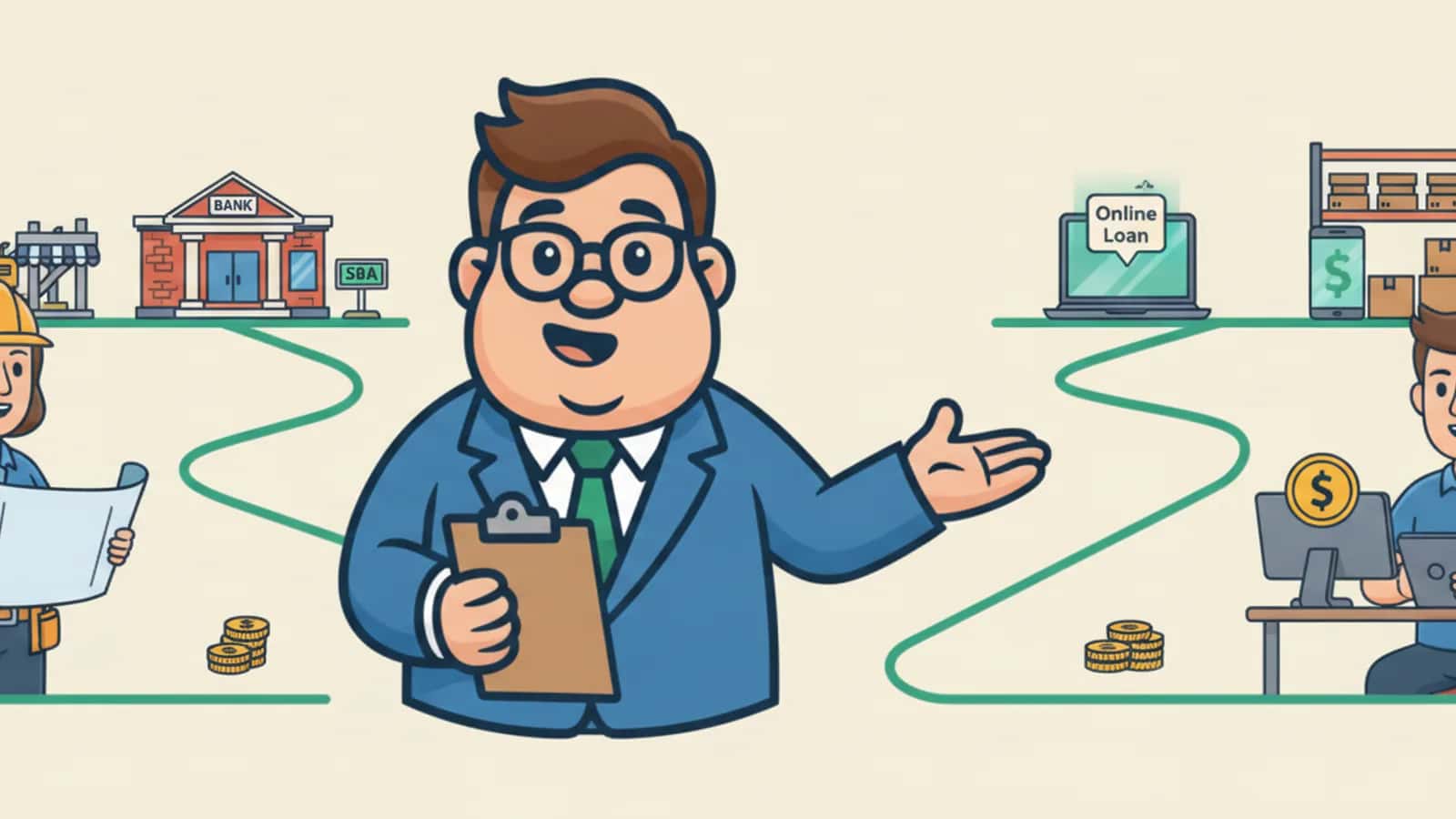
SBA 7(a) vs Online Business Loan: Which Route Is Faster, Cheaper and More Realistic?
SBA 7(a) loans can offer longer terms and regulated rate caps but require fuller documentation. Online business loans may reach a decision sooner, but cost and repayment frequency vary widely.

SBA Microloans for Small Businesses: When a $50K Loan Makes More Sense Than a Bank Loan
SBA microloans offer up to $50,000 with 8-13% interest rates and seven-year repayment terms through nonprofit intermediaries, making them ideal for small businesses that need working capital but don't qualify for traditional bank loans.

US Business Loan Approval Checklist: What Lenders Ask For Before They Say Yes
Lenders evaluate business loan applications based on five core criteria: personal credit score (typically 600+ for alternative lenders, 680+ for banks), business revenue ($15,000+ monthly for non-bank lenders, $25,000+ for traditional banks), time in business (6 months minimum for alternative funding, 2+ years for banks), debt service coverage ratio of 1.15-1.35, and comprehensive financial documentation including bank statements, tax returns, and business formation documents.
Ready when you are
See what funding your business could get
Start a short eligibility check for US business funding options. It only takes about 2 minutes, with no hard credit check to start.