Business Loan Requirements US: Credit Score, Revenue and Time-in-Business Thresholds
Most US business loan requirements center on three key thresholds: personal credit scores of 650+ for traditional banks (580+ for alternative lenders), minimum annual revenue of $100,000-$250,000, and at least two years in business.
Quick answer
Most US business loan requirements center on three key thresholds: personal credit scores of 650+ for traditional banks (580+ for alternative lenders), minimum annual revenue of $100,000-$250,000, and at least two years in business. However, requirements vary significantly between SBA loans, bank term loans, and online lenders, with some alternative funding options accepting newer businesses with lower credit scores and revenue.
Key takeaways
- Traditional banks typically require 680+ credit scores, $250,000+ annual revenue, and 2+ years in business
- SBA loans offer more flexible requirements: 640+ credit score, $100,000+ revenue, though time-in-business varies by program
- Alternative lenders may accept 550+ credit scores and $75,000+ revenue with shorter business history
- Revenue-based lenders focus primarily on monthly sales volume rather than credit scores or time in business
- Startups with no revenue history face limited options, mainly SBA Microloans or equipment financing
- Personal guarantees are standard across most business loan types regardless of business credit
- Collateral requirements depend on loan amount and lender type, not just credit metrics
What Credit Score Do You Need for a Business Loan
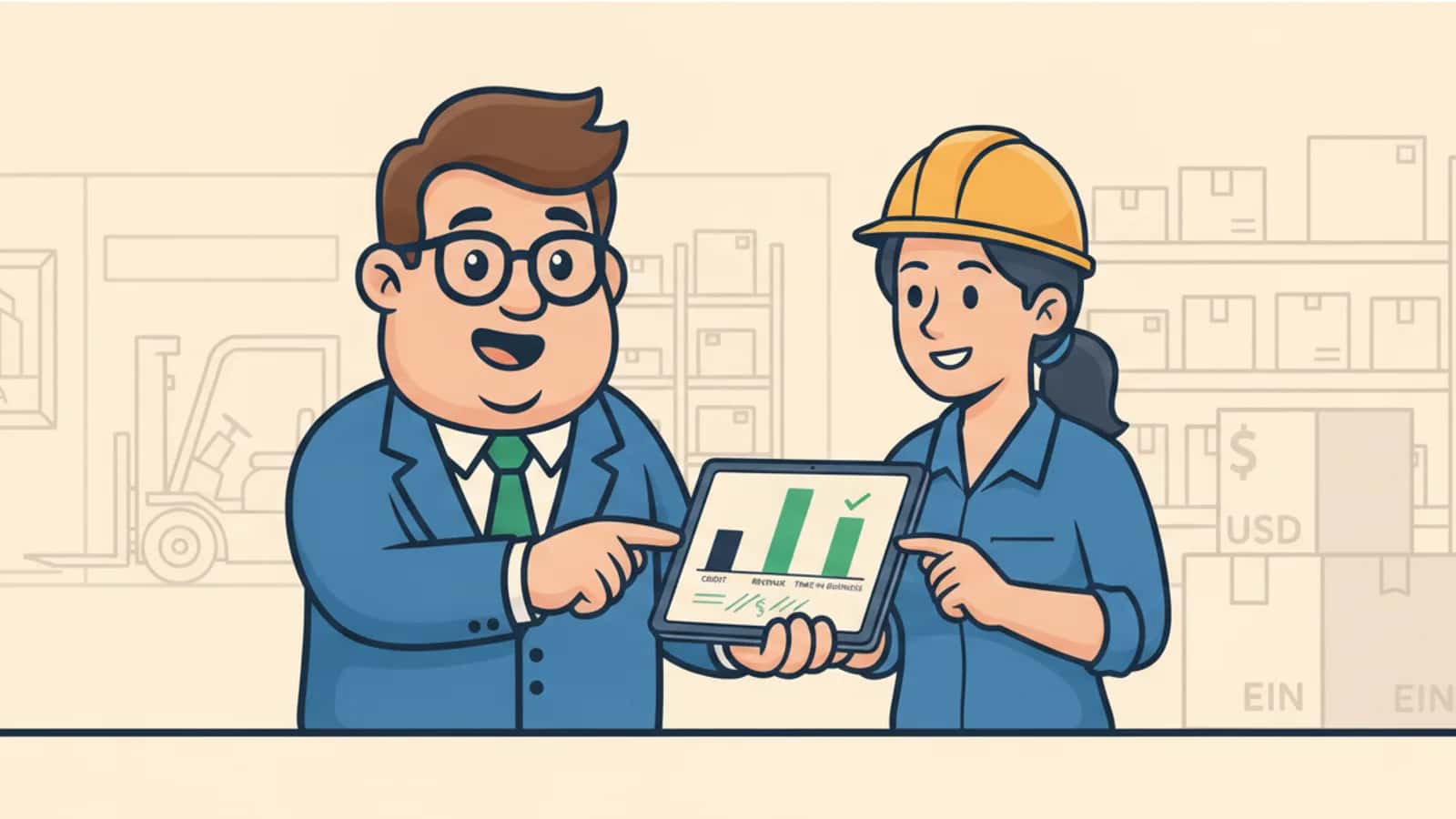
Personal credit scores remain the primary screening tool for most business lenders, with requirements varying dramatically by lender type. Traditional banks typically require personal credit scores of 680 or higher, while alternative lenders may approve borrowers with scores as low as 550.
Credit Score Requirements by Lender Type
- Traditional Banks: 680-720+ personal FICO score
- SBA 7(a) Loans: 640+ (though many SBA lenders prefer 680+)
- Online/Alternative Lenders: 550-620+ depending on other factors
- Revenue-Based Lenders: 500+ with strong cash flow
- Equipment Financing: 600+ (equipment serves as collateral)
Most lenders pull personal credit because business credit histories are often limited or nonexistent for smaller companies. Even established businesses with strong business credit profiles face personal guarantee requirements that make personal credit scores decisive.
Common mistake: Assuming business credit can substitute for personal credit. While strong business credit helps, personal guarantees make personal credit the determining factor for most small business loans.
Minimum Revenue Required for Business Loans

Annual revenue thresholds serve as the second major qualification hurdle, with most traditional lenders requiring substantial revenue history. Banks typically set minimums between $100,000-$500,000 annually, while alternative lenders may accept lower revenue levels.
Revenue Requirements by Product
- Bank Term Loans: $250,000-$500,000+ annually
- SBA 7(a) Loans: $100,000+ (varies by lender overlay)
- Online Business Loans: $75,000-$150,000+ annually
- Revenue-Based Financing: $10,000+ monthly recurring revenue
- Merchant Cash Advances: $5,000+ monthly credit card processing
Revenue consistency matters as much as total amount. Lenders analyze 12-24 months of bank statements looking for stable or growing revenue patterns. Seasonal businesses need to demonstrate predictable cycles rather than erratic income.
Decision rule: Choose revenue-based products if your monthly sales exceed $15,000 but annual totals fall below traditional bank minimums. These lenders focus on cash flow velocity rather than annual revenue totals.
How Long Must Your Business Be Operating
Time-in-business requirements reflect lenders' need for operational history and financial track records. Most traditional financing requires at least two years of business operations, though some alternative products accept newer companies.
Time-in-Business Minimums
- Traditional Bank Loans: 2-3 years minimum
- SBA 7(a) Loans: 2 years for most programs
- SBA Microloans: 6 months to 2 years (varies by intermediary)
- Online Lenders: 6 months to 2 years
- Equipment Financing: 6 months (equipment as collateral reduces risk)
- Invoice Financing: 3-6 months with established customer base
Lenders use time-in-business as a survival indicator. Businesses operating beyond two years have demonstrated market viability and weathered initial startup challenges. Newer businesses face higher default rates, leading to stricter requirements or higher pricing.
Edge case: Businesses with experienced owners in the same industry may qualify sooner. Some lenders consider owner experience and industry expertise when evaluating newer companies.
Can You Get a Business Loan with Bad Credit
Bad credit doesn't eliminate all business funding options, but it significantly limits choices and increases costs. Borrowers with credit scores below 600 can access certain products, though terms become less favorable.
Bad Credit Funding Options
- Asset-Based Lending: Equipment or inventory as collateral
- Revenue-Based Financing: Focus on cash flow over credit
- Merchant Cash Advances: Higher cost but accessible
- SBA Microloans: More flexible credit requirements
- Invoice Factoring: Based on customer creditworthiness
- Secured Business Credit Cards: Deposit-backed credit building
Interest rates for bad credit business loans typically range from 15-50% APR, compared to 6-15% for good credit borrowers. Terms are often shorter, and funding amounts lower.
Strategy tip: Consider credit repair before applying if time permits. A 50-point credit score improvement can dramatically expand options and reduce costs.
SBA Loans vs Traditional Business Loan Requirements
SBA loans offer more accessible requirements than conventional bank loans because government guarantees reduce lender risk. However, SBA loans involve additional eligibility criteria beyond basic credit and revenue thresholds.
<div style="overflow-x: auto; margin: 20px 0;"> <table style="width: 100%; border-collapse: collapse; border: 1px solid #ddd;"> <thead> <tr style="background-color: #f5f5f5;"> <th style="border: 1px solid #ddd; padding: 12px; text-align: left;">Requirement</th> <th style="border: 1px solid #ddd; padding: 12px; text-align: left;">SBA 7(a) Loans</th> <th style="border: 1px solid #ddd; padding: 12px; text-align: left;">Traditional Bank Loans</th> </tr> </thead> <tbody> <tr> <td style="border: 1px solid #ddd; padding: 12px;"><strong>Credit Score</strong></td> <td style="border: 1px solid #ddd; padding: 12px;">640+ (lender overlays may require higher)</td> <td style="border: 1px solid #ddd; padding: 12px;">680-720+</td> </tr> <tr style="background-color: #f9f9f9;"> <td style="border: 1px solid #ddd; padding: 12px;"><strong>Annual Revenue</strong></td> <td style="border: 1px solid #ddd; padding: 12px;">$100,000+ (varies by lender)</td> <td style="border: 1px solid #ddd; padding: 12px;">$250,000-$500,000+</td> </tr> <tr> <td style="border: 1px solid #ddd; padding: 12px;"><strong>Time in Business</strong></td> <td style="border: 1px solid #ddd; padding: 12px;">2 years</td> <td style="border: 1px solid #ddd; padding: 12px;">2-3 years</td> </tr> <tr style="background-color: #f9f9f9;"> <td style="border: 1px solid #ddd; padding: 12px;"><strong>Down Payment</strong></td> <td style="border: 1px solid #ddd; padding: 12px;">10-15% for real estate/equipment</td> <td style="border: 1px solid #ddd; padding: 12px;">20-30%</td> </tr> <tr> <td style="border: 1px solid #ddd; padding: 12px;"><strong>Personal Guarantee</strong></td> <td style="border: 1px solid #ddd; padding: 12px;">Required for 20%+ owners</td> <td style="border: 1px solid #ddd; padding: 12px;">Required</td> </tr> </tbody> </table> </div>
SBA loans include additional restrictions: businesses must be for-profit, meet SBA size standards, and operate primarily in the US. Certain industries like lending, gambling, and adult entertainment are ineligible.
Processing difference: SBA loans typically take 30-90 days for approval compared to 2-4 weeks for conventional bank loans. The government guarantee process adds time but enables better terms.
Business Loan Requirements for Startups with No Revenue
Startups without revenue history face the most restrictive lending environment, with limited options concentrated in specific programs designed for new businesses. Most traditional lenders require operational history and revenue documentation that startups cannot provide.
Startup Funding Options
- SBA Microloans: Up to $50,000 for newer businesses
- Equipment Financing: Asset-backed loans for specific purchases
- Business Credit Cards: Revolving credit based on personal credit
- Invoice Financing: If you have confirmed purchase orders
- Personal Loans: For business use (check loan agreement terms)
Requirements for startup-friendly products focus more heavily on personal credit, industry experience, and business plan quality. Lenders may require 700+ personal credit scores to offset the lack of business operating history.
Reality check: Most "startup loans" actually require some revenue history. True pre-revenue funding typically comes from personal savings, friends and family, or equity investors rather than traditional lenders.
What Happens If Your Business Doesn't Meet Requirements
Falling short of basic requirements doesn't end your funding search, but it does require strategic adjustments to your approach. Most borrowers have multiple options even when their first-choice lender says no.
Alternative Strategies
- Target different lender types: Online lenders vs banks have different criteria
- Consider secured products: Collateral reduces lender risk and requirements
- Apply for smaller amounts: Lower loan amounts often have relaxed requirements
- Add a co-signer: Strong co-signer credit can overcome business weaknesses
- Wait and improve: Credit repair and revenue growth expand options
Many lenders offer pre-qualification tools that show potential approval odds without hard credit pulls. Use these to gauge realistic options before formal applications.
Common mistake: Applying to multiple traditional banks with identical requirements. Diversify lender types rather than applying broadly within the same category.
Do All Lenders Have the Same Requirements
Business loan requirements vary dramatically between lender types, with each category serving different market segments. Understanding these differences helps target applications toward lenders most likely to approve your specific situation.
Lender Categories and Focus
- Traditional Banks: Established businesses with strong financials
- Community Banks: Local relationships and industry knowledge
- Online Lenders: Speed and convenience with moderate requirements
- Alternative Lenders: Flexible criteria for non-traditional borrowers
- CDFIs: Community development focus, often more accessible requirements
Even within categories, individual lenders maintain different risk appetites and specializations. Some focus on specific industries, loan sizes, or geographic regions.
Strategy: Apply to 3-5 lenders across different categories rather than multiple lenders of the same type. This maximizes approval odds while minimizing redundant applications.
Other Factors Beyond Credit Score and Revenue
While credit scores and revenue dominate initial screening, lenders evaluate multiple factors when making final decisions. Understanding these secondary criteria helps borrowers present stronger applications.
Additional Evaluation Factors
- Debt-to-Income Ratio: Personal and business debt obligations
- Cash Flow: Monthly cash flow patterns and seasonality
- Industry Risk: Some sectors face higher default rates
- Collateral: Available assets to secure the loan
- Business Plan: Growth strategy and loan use documentation
- Management Experience: Owner background and industry expertise
- Banking Relationship: Existing relationship with the lender
Debt service coverage ratio (DSCR) has become increasingly important, with most lenders requiring 1.25x coverage or higher. This means your business cash flow should exceed debt payments by at least 25%.
Tip: Strong performance in secondary factors can offset weaknesses in credit or revenue. Focus on your strongest qualifications when presenting your application.
Business Loan Requirements for Self-Employed
Self-employed borrowers face additional documentation requirements because their income sources are less predictable than traditional employees. Lenders require more extensive financial documentation to verify income stability.
Self-Employed Documentation Requirements
- Tax Returns: 2-3 years of personal and business returns
- Profit & Loss Statements: Current year financial performance
- Bank Statements: 12-24 months of business account history
- 1099s: Independent contractor income documentation
- CPA Letter: Professional verification of financial statements
Self-employed borrowers often benefit from working with accountants to present financials in the most favorable light. Properly documented business expenses can significantly impact debt-to-income calculations.
Industry consideration: Some self-employed sectors (construction, consulting, freelancing) are better understood by certain lenders. Target lenders familiar with your industry for better approval odds.
How Lenders Verify Revenue and Time in Business
Lenders use multiple verification methods to confirm business age and revenue claims, with documentation requirements varying by loan amount and lender sophistication. Understanding verification processes helps borrowers prepare complete applications.
Revenue Verification Methods
- Bank Statements: 12-24 months showing deposit patterns
- Tax Returns: Business and personal returns for 2-3 years
- Financial Statements: P&L, balance sheet, cash flow statements
- Merchant Processing: Credit card processing volume reports
- Invoicing Systems: Sales records from accounting software
Time-in-Business Verification
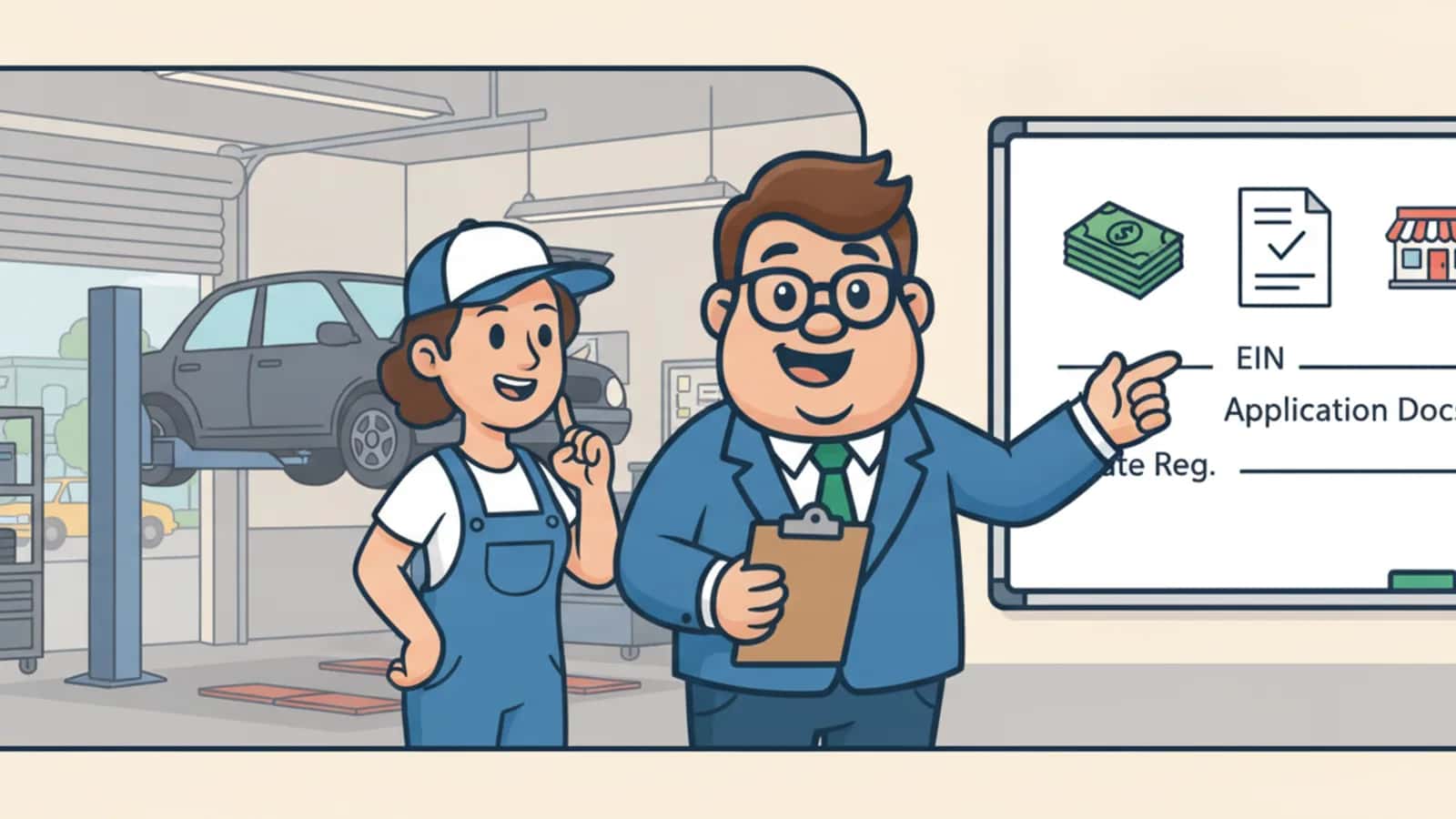
- Secretary of State Records: Business registration and good standing
- EIN Confirmation: IRS Employer Identification Number issuance date
- Business Licenses: Industry-specific licensing dates
- Lease Agreements: Commercial property rental history
- Vendor Relationships: Trade references and payment history
Red flag: Inconsistencies between different documents raise verification concerns. Ensure all documentation tells the same story about your business age and revenue.
For borrowers seeking a streamlined approach to understanding their funding options, platforms like Funding Fred offer Fast eligibility checks that help match businesses with appropriate US funding partners based on revenue, trading history, and sector fit.
Next steps for business loan requirements us credit score revenue and time in business threshol
Business loan requirements in the US center on three main thresholds: credit scores, revenue levels, and time in business. While traditional banks maintain the strictest standards, alternative lenders and SBA programs offer more accessible options for businesses that don't meet conventional requirements.
The key to successful business loan applications lies in understanding which lenders match your specific situation rather than applying broadly to incompatible options. Focus on lenders whose requirements align with your credit profile, revenue level, and business age.
Before committing to lengthy application processes, consider using pre-qualification tools to understand realistic options. Platforms like Funding Fred provide no-obligation eligibility checks that help identify suitable funding partners without impacting your credit score.
Remember that meeting minimum requirements doesn't guarantee approval. Strong performance across multiple factors - credit, revenue, cash flow, and documentation - significantly improves approval odds and loan terms.
Further reading
Frequently asked questions
What Credit Score Do You Need for a Business Loan?
Personal credit scores remain the primary screening tool for most business lenders, with requirements varying dramatically by lender type. Traditional banks typically require personal credit scores of 680 or higher, while alternative lenders may approve borrowers with scores as low as 550.
How Long Must Your Business Be Operating?
Time-in-business requirements reflect lenders' need for operational history and financial track records. Most traditional financing requires at least two years of business operations, though some alternative products accept newer companies.
Can You Get a Business Loan with Bad Credit?
Bad credit doesn't eliminate all business funding options, but it significantly limits choices and increases costs. Borrowers with credit scores below 600 can access certain products, though terms become less favorable.
What Happens If Your Business Doesn't Meet Requirements?
Falling short of basic requirements doesn't end your funding search, but it does require strategic adjustments to your approach. Most borrowers have multiple options even when their first-choice lender says no.
Do All Lenders Have the Same Requirements?
Business loan requirements vary dramatically between lender types, with each category serving different market segments. Understanding these differences helps target applications toward lenders most likely to approve your specific situation.
How Lenders Verify Revenue and Time in Business?
Lenders use multiple verification methods to confirm business age and revenue claims, with documentation requirements varying by loan amount and lender sophistication. Understanding verification processes helps borrowers prepare complete applications.
Written by
The Funding Fred Editorial Team creates plain-English guides to help business owners understand funding options, eligibility, and application readiness before they compare finance options.
Sources
- Sba Requirements - [2] Small Business Loans Guide How To Get Approved In 2026 - https://www.ithinkfi.org/blog/blog-detail/ithink-blog/2026/04/01/small-business-loans-guide-how-to-get-approved-in-2026 [3] Business Loan Requirements - https://www.lendingvalley.com/business-loan-requirements/ [4] Startup Business Loans Requirements - https://www.brex.com/spend-trends/startup/startup-business-loans-requirements [5] Sba Loan Requirements - https://www.fundera.com/business-loans/guides/sba-loan-requirements [6] Time In Business Report And Fico And Business Loan Underwriting No Revenue - https://assetprofile.com/business-funding-loans/time-in-business-report-and-fico-and-business-loan-underwriting-no-revenue/
- U.S. Small Business Administration loans
- U.S. Treasury small business programs