SBA Express Loans: Requirements, Uses, Limits and Response Times
SBA Express loans offer up to $500,000 in SBA-backed financing with a 36-hour SBA decision timeline and simplified documentation. The program requires 100% US citizen ownership, typically a 650+ credit score, and at least two years in business, with funding available for working capital, equipment, and business expansion.

Quick answer
SBA Express loans offer up to $500,000 in SBA-backed financing with a 36-hour SBA decision timeline and simplified documentation. The program requires 100% US citizen ownership, typically a 650+ credit score, and at least two years in business, with funding available for working capital, equipment, and business expansion.
Key takeaways
- Maximum loan amount is $500,000 with enhanced SBA guaranty rates of 75% up to $350,000 and 70% for amounts between $350,000-$500,000
- SBA promises a credit decision within 36 hours of receiving a complete application, though total funding time ranges 1-4 weeks
- Eligibility requires 100% US citizen ownership, minimum 650+ credit score (typical lender requirement), and 2+ years in business
- No collateral required for loans up to $50,000; larger amounts require collateral "to the extent possible"
- Interest rates are variable, typically prime rate plus lender spread within SBA maximum caps
- Personal guarantees required from all owners with 20% or more equity stake
- Proceeds can fund working capital, equipment, inventory, expansion, and qualifying debt refinancing
- Enhanced guaranty rates and permanent $500,000 cap took effect in 2025, making loans more attractive to lenders
What Are SBA Express Loans and How Do They Work
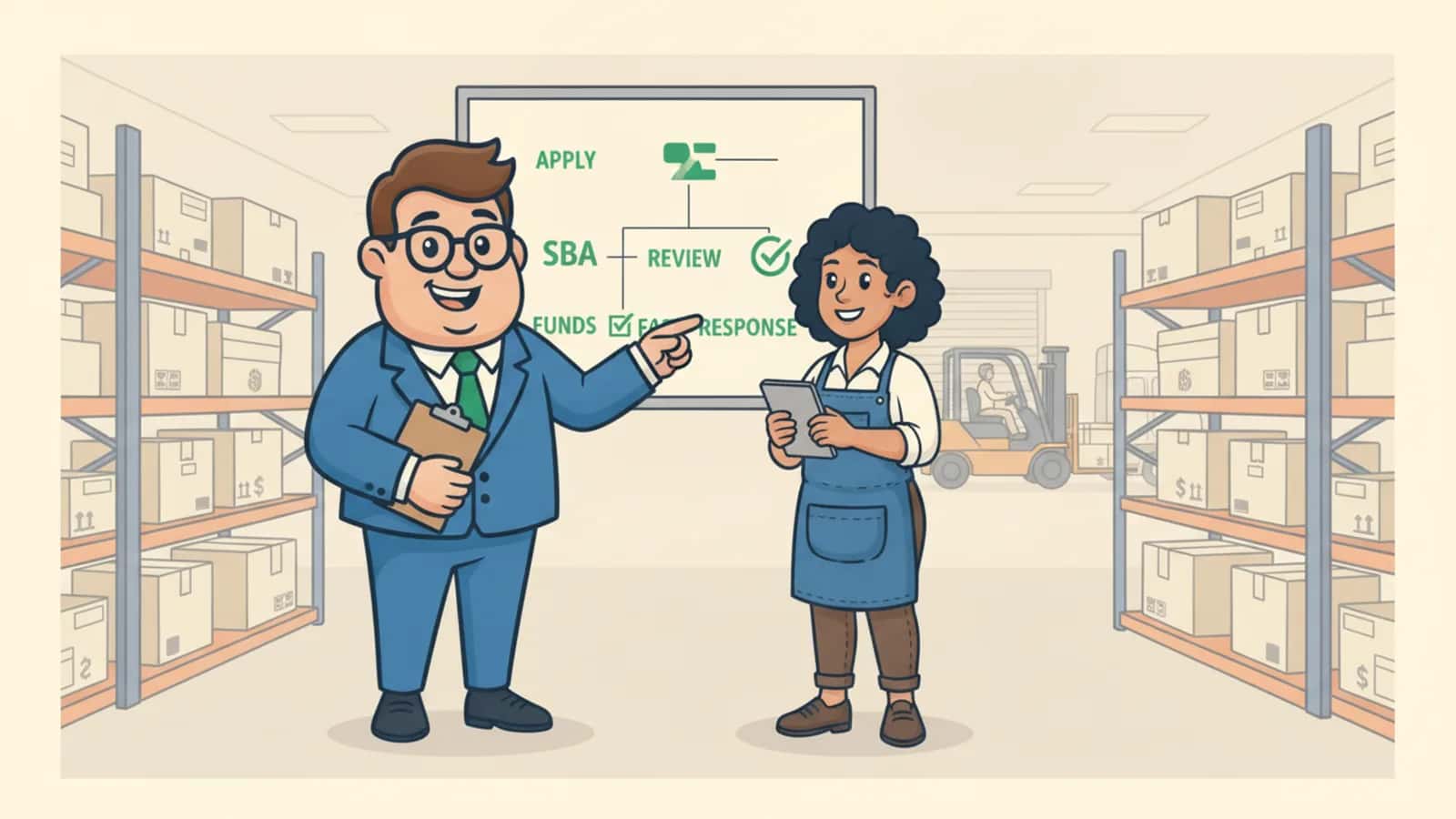
SBA Express loans are a streamlined version of the traditional SBA 7(a) program, designed to provide faster access to government-backed financing for established small businesses. The program combines SBA's credit enhancement with reduced paperwork and accelerated decision timelines.
The key advantage lies in speed and simplicity. While traditional SBA loans can take 30-90 days for approval, Express loans target a 36-hour SBA decision once your lender submits a complete application package. This doesn't mean you'll have funds in 36 hours, banks still need time for their own underwriting, documentation, and closing processes.
Express loans are available as both term loans and revolving lines of credit. Term loans typically offer repayment periods up to 7-10 years for working capital purposes, while lines of credit provide flexible access to funds with later conversion to term repayment after the draw period.
The program underwent significant updates in 2025. The maximum loan amount increased permanently to $500,000, and SBA enhanced the guaranty rates to make loans more attractive to lenders. These changes reflect SBA's effort to balance faster processing with prudent credit standards for small business financing.
SBA Express Loan Eligibility Requirements

You must meet specific ownership, operational, and financial criteria to qualify for SBA Express financing. The program requires 100% of business ownership to be held by US citizens, US nationals, or lawful permanent residents, businesses with any foreign or temporary-visa owners are no longer eligible.
Core Business Requirements
- Operate for profit within the United States or its territories
- Meet SBA small-business size standards for your industry
- Function as an active operating company, not a passive investment
- Demonstrate inability to obtain comparable credit on reasonable terms elsewhere
Financial and Operational Standards: Most lenders look for personal credit scores of 650-680 or higher, though SBA doesn't set a formal minimum. You'll typically need at least 2-3 years in business and annual revenues of $100,000-$150,000 or more. Lenders also expect strong cash flow with debt-service coverage ratios above 1.15-1.25.
Compliance Requirements: Your business must be current on all existing debts, including business loans, personal obligations, and any government debts such as federal student loans or prior SBA financing. Recent bankruptcies or defaults on government obligations will disqualify your application.
Choose SBA Express if you need financing quickly and meet these baseline requirements. However, if your credit score is below 650 or your business is newer than two years, consider SBA Microloans vs Bank Loans: When $50K Makes More Sense for alternative pathways.
How Much Can You Borrow with SBA Express Loans
The maximum SBA Express loan amount is $500,000, a permanent increase from the previous $350,000 limit that took effect in 2025. This higher cap makes Express loans viable for mid-sized financing needs that previously required traditional SBA 7(a) processing.
Enhanced Guaranty Structure: SBA now provides a 75% guaranty for loan amounts up to $350,000 and a 70% guaranty for the portion between $350,000 and $500,000. These enhanced rates make loans more attractive to lenders while reducing their risk exposure.
Minimum Loan Amounts: While SBA doesn't set a formal minimum, most lenders prefer Express loans of at least $25,000-$50,000 to justify the program's documentation requirements. For smaller amounts, conventional business lines of credit or Business Loan Uses: Smart Funding Strategies might offer faster access with less paperwork.
Loan Structure Options: Express financing is available as term loans or revolving credit lines. Term loans provide a lump sum with fixed monthly payments, while lines of credit offer flexible draw-down access up to your approved limit. Many businesses use lines of credit for seasonal cash flow management or ongoing working capital needs.
The loan amount you qualify for depends on your business's cash flow, collateral availability, and demonstrated ability to service the debt. Lenders typically approve amounts where monthly payments don't exceed 10-15% of your average monthly revenue.
Approved Uses for SBA Express Loan Funds
SBA Express proceeds can fund most standard business purposes, provided the uses are specific and commercially reasonable. You must provide detailed plans for how funds will be deployed, as vague or speculative uses reduce approval odds and may be considered ineligible.
Working Capital and Operations
- Inventory purchases and seasonal stock buildup
- Payroll and employee expenses during growth phases
- Marketing campaigns and business development initiatives
- Professional services and operational improvements
Equipment and Expansion
- Machinery, vehicles, and business equipment purchases
- Technology upgrades and software implementations
- Facility improvements and tenant buildouts
- Business expansion into new locations or markets
Debt Refinancing: You can use Express loan proceeds to refinance qualifying business debt, including existing SBA loans, equipment financing, or high-cost merchant cash advances. The refinancing must provide a clear financial benefit, such as lower interest rates or improved cash flow.
Prohibited Uses: Express loans cannot fund passive real estate investments, speculative ventures, or businesses engaged in lobbying activities. You also cannot use proceeds for owner distributions, personal expenses, or to pay down personal debts unrelated to the business.
For specialized funding needs like real estate acquisition, consider SBA 7(a) Loans: Requirements, Limits & Terms which offer higher loan limits and longer terms for property purchases.
SBA Express Loan Response Times and Approval Process
SBA commits to issuing a credit decision within 36 hours of receiving a complete application from your lender. This timeline covers only SBA's review process, total time from application to funding typically ranges 1-4 weeks depending on lender efficiency and documentation completeness.
Application Timeline Breakdown
- Days 1-3: Lender pre-qualification and initial underwriting
- Days 4-7: Document collection and application package preparation
- Days 8-9: SBA review and decision (36-hour commitment)
- Days 10-21: Final lender approval, loan documentation, and closing
Factors Affecting Speed: Complete documentation packages move fastest through the system. Missing tax returns, outdated financial statements, or unclear use-of-funds descriptions can add 1-2 weeks to the process. Established businesses with strong financials typically close faster than newer companies requiring additional documentation.
Pre-Qualification vs Final Approval: Many lenders offer pre-qualification within 24-48 hours based on basic financial information. However, this isn't a loan commitment, final approval depends on SBA's review and complete documentation verification. Don't rely on pre-qualification timelines for critical funding deadlines.
The 36-hour SBA decision represents a significant improvement over traditional 7(a) loans, which can take 30-90 days for approval. Choose Express loans when timing is important, but allow 3-4 weeks total for funding to avoid cash flow gaps.
SBA Express vs Regular SBA 7(a) Loans
SBA Express loans trade higher loan limits and longer terms for speed and simplified processing. Understanding these tradeoffs helps you choose the right program for your financing needs.
| Feature | SBA Express | Regular SBA 7(a) |
|---|---|---|
| Maximum Loan Amount | $500,000 | $5,000,000 |
| SBA Decision Time | 36 hours | 30-90 days |
| SBA Guaranty Rate | 70-75% | 75-85% |
| Documentation | Streamlined | Comprehensive |
| Term Length | Up to 7-10 years | Up to 25 years |
When to Choose Express: Select Express loans for amounts under $500,000 when speed is critical and you need working capital or equipment financing with shorter payback periods. The streamlined documentation and faster decisions make Express ideal for established businesses with time-sensitive opportunities.
When to Choose Regular 7(a): Choose traditional 7(a) loans for amounts above $500,000, real estate purchases requiring longer terms, or when you need maximum SBA guaranty coverage. The additional processing time is worthwhile for larger, more complex transactions.
For detailed comparisons of SBA programs, see SBA 7(a) vs Online Business Loan: Speed, Cost to understand how these options compare with non-SBA alternatives.
Interest Rates and Fees for SBA Express Loans
SBA Express loan interest rates are typically variable and tied to a benchmark such as prime rate plus a lender spread within SBA's maximum allowable rates. Actual pricing depends on borrower creditworthiness, loan size, and prevailing market conditions.
Rate Structure: Most Express loans carry variable rates that adjust with market conditions. Lenders set spreads based on your credit profile, business strength, and loan characteristics. Stronger borrowers with established cash flow patterns typically qualify for lower spreads.
Fee Changes in 2025: SBA reinstated upfront guaranty fees and lender service fees for loans approved on or after March 27, 2025, after temporarily reducing these costs during economic recovery periods. These fees increase the total cost of capital compared to some conventional bank loans, especially on larger Express facilities.
Typical Fee Structure
- SBA guaranty fee (percentage of guaranteed portion)
- Lender origination and processing fees
- Third-party costs for appraisals, environmental reviews, or legal documentation
- Ongoing servicing fees on revolving credit lines
Cost Comparison Considerations: While Express loans may carry higher upfront costs than conventional bank financing, the SBA guaranty often enables approval for businesses that wouldn't qualify for traditional bank loans. The enhanced guaranty rates implemented in 2025 have made these loans more attractive to lenders, potentially improving rate competitiveness.
Request detailed fee schedules from multiple lenders before committing, as costs can vary significantly between institutions offering Express financing.
Collateral Requirements and Personal Guarantees
SBA Express collateral requirements are more flexible than traditional bank loans, particularly for smaller amounts. Lenders are not required to take collateral for loans up to $50,000, while larger amounts must be collateralized "to the extent possible."
Collateral Thresholds
- Up to $50,000: No collateral required by SBA rules
- $50,000-$500,000: Collateral required "to the extent possible"
- All amounts: Personal guarantees required from owners with 20%+ equity
Typical Collateral Requirements: For loans above $50,000, lenders commonly take liens on business assets including equipment, inventory, and accounts receivable. Many also require personal collateral such as real estate or investment accounts when available to strengthen the credit profile.
Personal Guarantee Requirements: All owners with 20% or more equity must provide personal guarantees, making them personally liable for the debt if the business defaults. This requirement applies regardless of loan size and cannot be waived under Express program rules.
Blanket Liens vs Specific Assets: Some lenders prefer blanket liens on all business assets for simplicity, while others take specific liens on purchased equipment or inventory. The approach depends on lender policy and your business's asset profile.
The flexible collateral requirements make Express loans accessible to service businesses and newer companies with limited hard assets. However, personal guarantees mean owners remain at risk regardless of collateral availability.
Common Disqualifications and Denial Reasons
Understanding common denial reasons helps you address potential issues before applying for SBA Express financing. Many disqualifications stem from eligibility requirements, while others reflect lender underwriting standards.
Automatic Disqualifications
- Any foreign ownership or owners without permanent US status
- Delinquencies on existing government debts or SBA loans
- Recent bankruptcies (typically within 3-7 years depending on lender)
- Businesses engaged in prohibited activities (lobbying, gambling, etc.)
Credit and Financial Issues
- Personal credit scores below lender minimums (typically 650+)
- Insufficient cash flow to service proposed debt payments
- Debt-service coverage ratios below 1.15-1.25
- Unstable or declining revenue trends
Documentation Problems
- Incomplete or outdated financial statements
- Vague use-of-funds descriptions
- Missing tax returns or inconsistent financial information
- Inability to demonstrate management experience
Business Structure Issues
- Passive investment companies or real estate holding entities
- Businesses operating outside SBA size standards
- Companies unable to demonstrate legitimate business purpose
- Startups without sufficient operating history
Before applying, review your credit reports, organize complete financial documentation, and ensure your business meets all eligibility criteria. Address any credit issues or outstanding debts that could trigger automatic disqualification.
Required Documentation for SBA Express Applications
Complete documentation packages move fastest through SBA Express processing. Missing or outdated documents can add weeks to approval timelines and increase denial risk.
Financial Documentation
- Personal and business tax returns (2 years minimum)
- Current financial statements (profit & loss, balance sheet)
- 12-month cash flow projections
- Personal financial statements for owners with 20%+ equity
- Bank statements (3-6 months business and personal)
Business Information
- Business licenses and registrations
- Articles of incorporation or partnership agreements
- Detailed use-of-funds statement with supporting quotes or estimates
- Business plan (especially for newer companies or lines of credit)
- Management resumes for key owners and operators
Legal and Compliance Documents
- Lease agreements for business premises
- Insurance certificates and coverage summaries
- Environmental questionnaires (if applicable)
- Franchise agreements (for franchised businesses)
- Any existing loan agreements or security documents
Preparation Tips: Organize documents in advance and ensure financial statements are current within 90 days of application. Provide detailed, specific use-of-funds descriptions with supporting documentation such as equipment quotes or expansion cost estimates.
Work with lenders who specialize in SBA financing, they understand documentation requirements and can guide you through the process efficiently. For comprehensive preparation guidance, see US Business Loan Approval Checklist: Lender Requirements.
Next steps for SBA express loans
SBA Express loans provide established small businesses with faster access to government-backed financing up to $500,000. The program's 36-hour SBA decision timeline and streamlined documentation make it attractive for time-sensitive working capital and equipment needs.
Success requires meeting strict eligibility criteria including 100% US citizen ownership, typically 650+ credit scores, and at least two years in business. While the enhanced guaranty rates and permanent $500,000 cap implemented in 2025 have made these loans more attractive to lenders, borrowers should expect meaningful fees and personal guarantee requirements.
Check Eligibility Now through Funding Fred's platform for a Fast Check of your qualification potential across multiple US funding partners. The No hard check to start process helps you understand realistic options before committing to formal applications, with Smart Matching based on your revenue and trading history.
For businesses needing larger amounts or longer terms, traditional SBA 7(a) loans offer higher limits up to $5 million. Companies with shorter operating histories should explore SBA Microloans or alternative lenders with more Flexible Criteria for newer businesses.
Frequently asked questions
What Are SBA Express Loans and How Do They Work?
SBA Express loans are a streamlined version of the traditional SBA 7(a) program, designed to provide faster access to government-backed financing for established small businesses. The program combines SBA's credit enhancement with reduced paperwork and accelerated decision timelines.
How Much Can You Borrow with SBA Express Loans?
The maximum SBA Express loan amount is $500,000, a permanent increase from the previous $350,000 limit that took effect in 2025. This higher cap makes Express loans viable for mid-sized financing needs that previously required traditional SBA 7(a) processing.
Written by
The Funding Fred Editorial Team creates plain-English guides to help business owners understand funding options, eligibility, and application readiness before they compare finance options.
Reviewed by
Business finance content reviewer
Robert reads our business finance guides before they go live, checking each one is accurate, easy to follow, and reflects how lending actually works today — not how a brochure says it should. He's listed on the UK's FCA Register, approved as an SMF3 (AR) Executive Director at Switcha Limited, and connected to Lucky Growth Partners Ltd through its appointed representative relationship, so each guide gets a properly qualified second read.