US Business Loan Approval Checklist: What Lenders Ask For Before They Say Yes
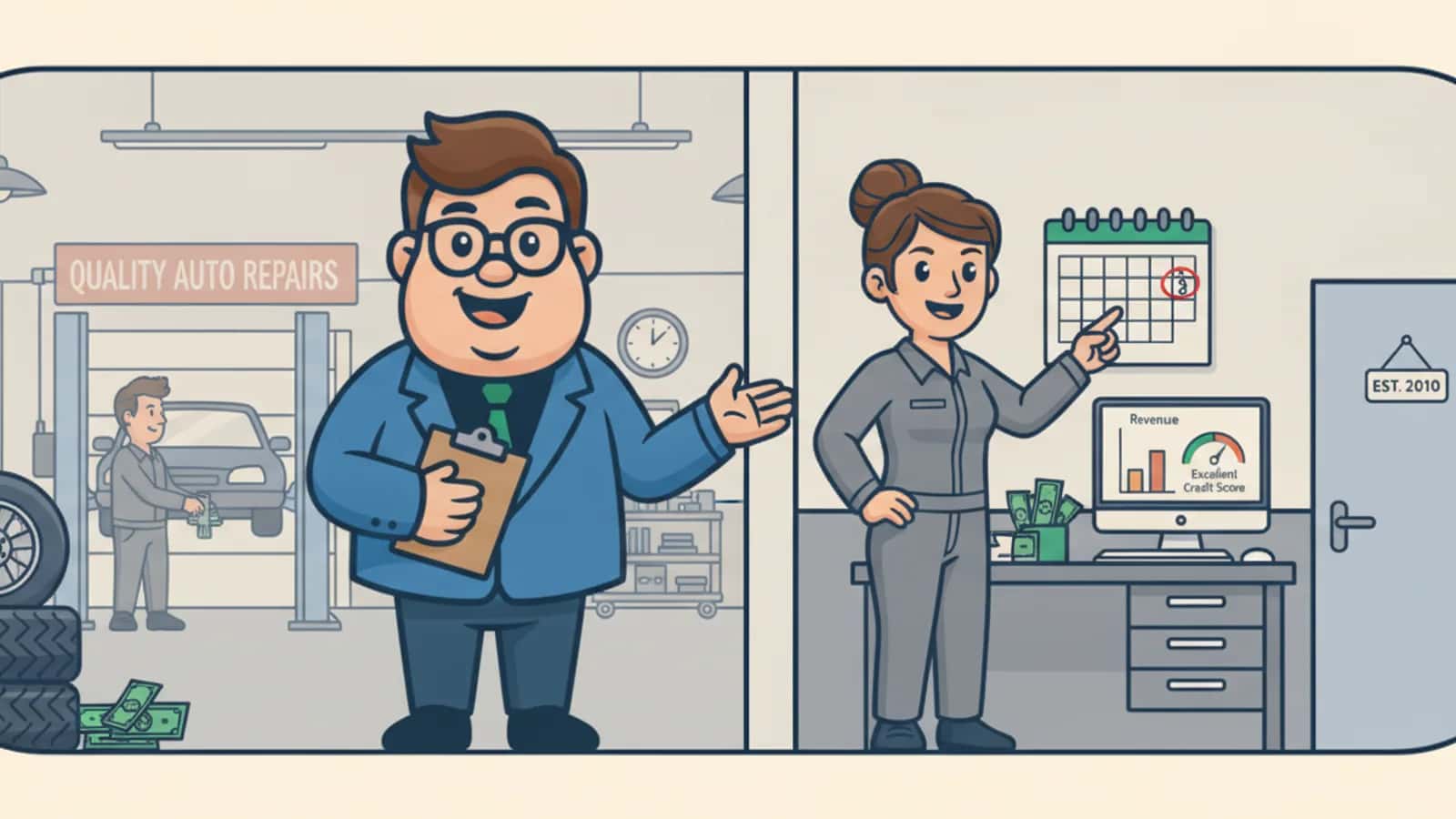
Lenders evaluate business loan applications based on five core criteria: personal credit score (typically 600+ for alternative lenders, 680+ for banks), business revenue ($15,000+ monthly for non-bank lenders, $25,000+ for traditional banks), time in business (6 months minimum for alternative funding, 2+ years for banks), debt service coverage ratio of 1.15-1.35, and comprehensive financial documentation including bank statements, tax returns, and business formation documents.

Quick answer
Lenders evaluate business loan applications based on five core criteria: personal credit score (typically 600+ for alternative lenders, 680+ for banks), business revenue ($15,000+ monthly for non-bank lenders, $25,000+ for traditional banks), time in business (6 months minimum for alternative funding, 2+ years for banks), debt service coverage ratio of 1.15-1.35, and comprehensive financial documentation including bank statements, tax returns, and business formation documents.
Key takeaways
- Personal credit scores of 680+ are required for traditional bank loans, while alternative lenders may accept scores as low as 600
- Monthly revenue requirements range from $15,000 for non-bank lenders to $25,000+ for traditional banks
- New businesses with less than two years of operation face limited options with traditional banks but may qualify with alternative lenders after six months
- Essential documents include 3-6 months of bank statements, business formation papers, EIN letter, and financial statements
- SBA loans offer competitive rates but require stricter qualifications including $100,000+ annual revenue and 10-25% equity injection
- Debt service coverage ratio above 1.15 demonstrates your ability to handle loan payments alongside existing obligations
- Industry type significantly impacts approval odds, with construction and restaurants facing higher scrutiny than professional services
- The approval process ranges from 24-48 hours for alternative lenders to 30-90 days for traditional bank loans
- Common rejection reasons include insufficient cash flow, poor credit history, inadequate collateral, and incomplete documentation
- Working capital needs, equipment purchases, and business expansion are the most fundable loan purposes
What Credit Score Do You Need for Business Loan Approval?
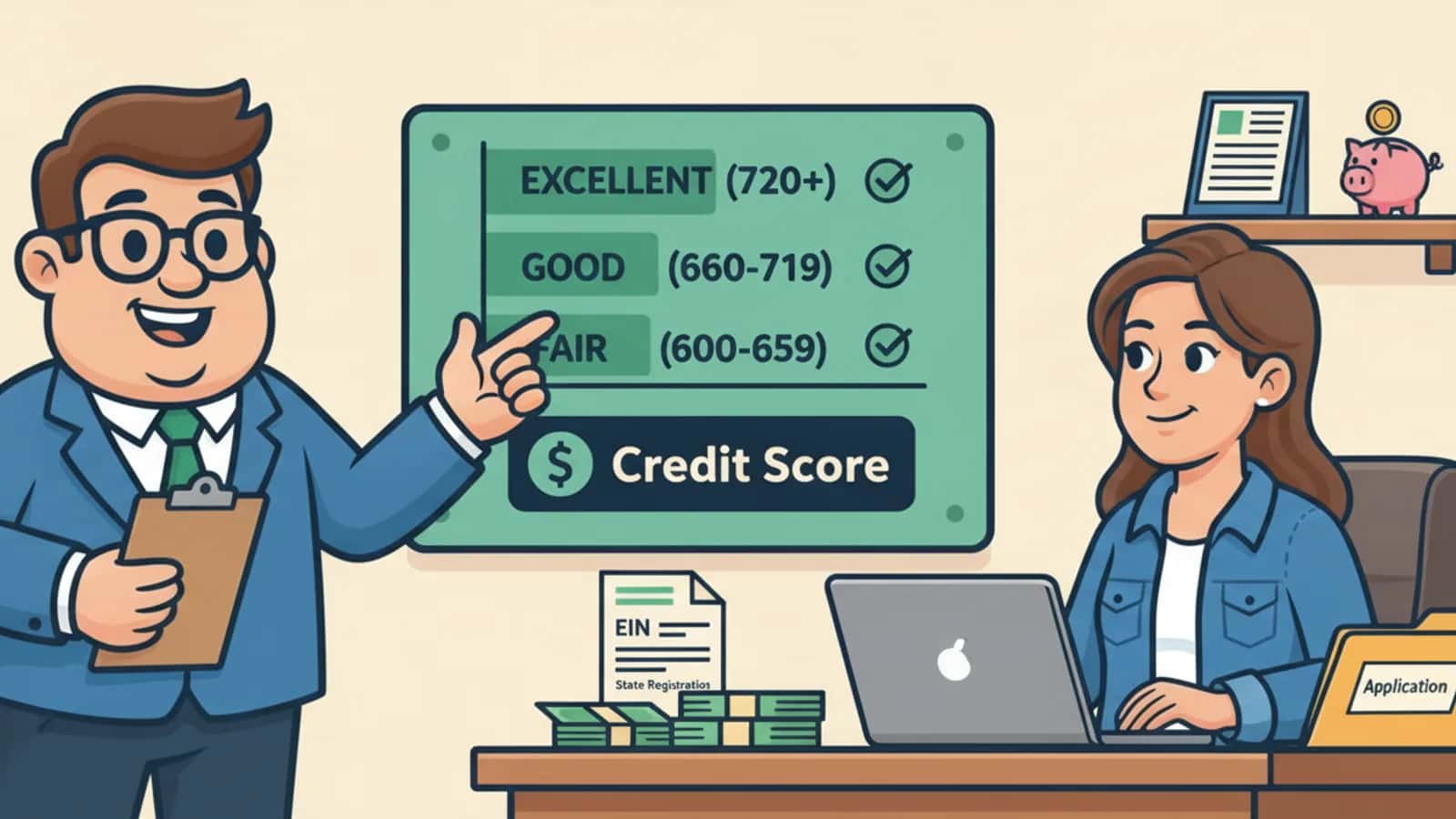
Your personal credit score remains the primary factor in business loan approval, even for established companies. Traditional banks typically require a minimum FICO score of 680, while alternative lenders may approve applications with scores as low as 600.
Credit Score Breakdown by Lender Type
- Traditional Banks: 680+ required, 720+ preferred
- Alternative Lenders: 600+ minimum, 650+ for better rates
- SBA Loans: 680+ required for most programs
- Equipment Financing: 650+ typically accepted
- Invoice Factoring: 550+ may qualify (focuses more on customer creditworthiness)
The difference between a 650 and 720 credit score can mean the difference between a 12% and 8% interest rate on a $100,000 loan. Choose alternative lenders if your score falls between 600-679, but expect higher costs. Banks offer the best rates but maintain stricter requirements.
Common Credit Score Mistakes: Many business owners assume their business credit score matters more than personal credit. In reality, personal guarantees make your individual credit history the deciding factor for most small business loans under $500,000.
How Much Revenue Does Your Business Need to Qualify?

Revenue requirements vary significantly between lender types, with monthly revenue serving as a key qualifier for loan amounts and terms. Non-bank lenders typically require monthly revenues of $15,000 or higher, while traditional banks often expect $25,000 or more per month.
Revenue Thresholds by Loan Type
- Alternative Lenders: $15,000+ monthly ($180,000 annually)
- Traditional Banks: $25,000+ monthly ($300,000 annually)
- SBA Loans: $100,000+ annually for most programs
- Revenue-Based Financing: $10,000+ monthly with consistent growth
- Merchant Cash Advances: $8,000+ monthly credit card processing
Your debt service coverage ratio (DSCR) matters more than raw revenue numbers. Lenders calculate this by dividing your net operating income by total debt payments. A DSCR of 1.15 to 1.35 is commonly required, meaning you generate $1.15 to $1.35 for every dollar of debt obligation.
Revenue Verification Process: Lenders verify revenue through bank statements, not just tax returns. Consistent monthly deposits that match your stated revenue build credibility. Seasonal businesses should provide 12-24 months of statements to show annual patterns.
Choose revenue-based financing if your monthly revenue fluctuates significantly. Traditional term loans work better for businesses with steady, predictable income streams.
Essential Documents for Your Business Loan Application
Proper documentation can make or break your loan application, regardless of your financial qualifications. The basic document package includes 3-6 months of business bank statements, business formation documents, EIN letter, owner identification, and a voided business check.
Core Documentation Requirements
- Business bank statements (3-6 months)
- Personal bank statements (2-3 months)
- Business formation documents (Articles of Incorporation, Operating Agreement)
- EIN confirmation letter from IRS
- Government-issued photo ID for all owners with 20%+ ownership
- Voided business check or bank letter
- Business license (if required in your industry)
Additional Documents for Larger Loans ($100,000+)
- Business and personal tax returns (2-3 years)
- Profit & Loss statements
- Balance sheet
- Cash flow projections
- Accounts receivable aging report
- Equipment appraisals (for equipment financing)
- Commercial lease agreement
- Personal financial statement
Document Preparation Tips: Organize documents in PDF format with clear file names. Bank statements should show consistent deposits matching your stated revenue. Avoid submitting statements with overdrafts or negative balances in the final 90 days.
Missing or incomplete documentation causes 40% of application delays. Prepare your complete package before starting any application to avoid back-and-forth requests that slow approval.
SBA Loans vs Traditional Bank Loans: Key Differences
SBA loans offer government backing that reduces lender risk, resulting in lower interest rates and longer repayment terms compared to conventional bank loans. However, SBA loans require more extensive documentation and longer approval times.
| Feature | SBA Loans | Traditional Bank Loans |
|---|---|---|
| Interest Rates | 6-10% typically | 8-15% typically |
| Loan Terms | Up to 25 years | 1-10 years usually |
| Down Payment | 10-25% required | 15-30% typical |
| Approval Time | 30-90 days | 2-6 weeks |
| Documentation | Extensive | Moderate |
| Personal Guarantee | Required | Required |
| Collateral | Often required | Usually required |
| Prepayment Penalties | Regulated limits | Varies by lender |
SBA Loan Advantages
- Lower interest rates due to government guarantee
- Longer repayment terms reduce monthly payments
- Less restrictive collateral requirements
- Standardized fees and terms across lenders
Traditional Bank Loan Advantages
- Faster approval and funding process
- Less paperwork and documentation
- Existing banking relationships may help
- More flexible use of funds
Choose SBA loans if you qualify and can wait 60-90 days for funding. The lower rates and longer terms often justify the additional time and paperwork. Traditional bank loans work better for urgent funding needs or when you have strong existing bank relationships.
For businesses seeking faster alternatives, consider exploring business loan options that offer quicker approval processes while maintaining competitive terms.
How Long Does the Business Loan Approval Process Take?
Approval timelines vary dramatically by lender type and loan complexity, ranging from same-day decisions for alternative lenders to 90+ days for SBA loans. Understanding these timelines helps you plan your funding strategy appropriately.
Typical Approval Timelines:
- 1
Alternative Lenders
24-48 hours for decision, 1-3 days for funding
- 2
Online Banks
3-7 days for approval, 5-10 days for funding
- 3
Traditional Banks
2-6 weeks for approval, additional week for funding
- 4
SBA Loans
30-90 days for approval, 2-3 weeks additional for funding
- 5
Equipment Financing
1-2 weeks for approval and funding
- 6
Invoice Factoring
24-72 hours for approval and funding
Factors That Slow Approval
- Incomplete documentation packages
- Complex business structures (multiple entities, partnerships)
- Loan amounts over $500,000
- First-time borrowers with the lender
- Seasonal businesses during off-peak periods
- Industries requiring additional compliance review
How to Speed Up Approval: Submit complete documentation upfront, respond quickly to lender requests, and maintain organized financial records. Establishing banking relationships before you need funding can significantly reduce approval times.
Choose alternative lenders when you need funding within a week. Traditional banks and SBA loans require patience but often provide better terms for borrowers who can wait.
Can Startups Get Business Loans with Less Than Two Years in Business?
New businesses face significant challenges with traditional lenders, but alternative funding sources accept businesses with as little as six months of operation. Banks typically require two or more years of operational history, while non-bank lenders focus more on current cash flow and personal creditworthiness.
Startup Funding Options by Business Age
- 0-6 Months: Personal loans, credit cards, equipment financing with personal guarantee
- 6-12 Months: Alternative lenders, merchant cash advances, invoice factoring
- 12-24 Months: Expanded alternative lender options, some community banks
- 24+ Months: Traditional banks, SBA loans, full range of options
Startup Loan Requirements
- Strong personal credit score (680+ preferred)
- Personal financial statement showing ability to support the business
- Detailed business plan with realistic financial projections
- Industry experience or relevant background
- Personal guarantee and often personal collateral
- Higher down payment (20-30% typical)
Alternative Strategies for New Businesses
- Equipment financing for specific purchases (easier to approve)
- Invoice factoring if you have creditworthy customers
- Revenue-based financing after establishing sales history
- Merchant cash advances based on credit card processing volume
Common Startup Mistakes: Applying for traditional bank loans too early, underestimating personal guarantee implications, and failing to establish business credit early. Start building business credit immediately with trade accounts and business credit cards.
Focus on generating consistent revenue and maintaining clean business banking before pursuing significant loan amounts. Six months of steady deposits creates more lending opportunities than two years of inconsistent cash flow.
Common Reasons Business Loan Applications Get Rejected
Understanding rejection reasons helps you address weaknesses before applying and choose appropriate lenders for your situation. Cash flow problems, credit issues, and insufficient collateral account for most rejections.
Top Rejection Reasons:
- 1
Insufficient Cash Flow
Cannot demonstrate ability to service debt payments
- 2
Poor Credit History
Personal or business credit below lender minimums
- 3
Inadequate Collateral
Insufficient assets to secure the loan
- 4
Incomplete Documentation
Missing required financial statements or legal documents
- 5
Debt-to-Income Ratio
Existing debt obligations too high relative to income
- 6
Industry Risk
Operating in high-risk or declining industry sectors
- 7
Lack of Business History
Insufficient operating history for risk assessment
- 8
Inconsistent Revenue
Irregular income patterns raise repayment concerns
How to Address Common Issues
- Cash Flow Problems: Wait until you have 3-6 months of positive cash flow or consider revenue-based financing
- Credit Issues: Work with credit repair services or focus on alternative lenders with lower score requirements
- Collateral Shortage: Consider unsecured options or equipment financing where the equipment serves as collateral
- Documentation Gaps: Use a loan broker or consultant to ensure complete packages
Industry-Specific Challenges: Restaurants, construction companies, and retail businesses face higher rejection rates due to industry volatility. Professional services, healthcare, and established manufacturing typically see better approval odds.
Reapplication Strategy: Wait at least 3-6 months between applications to the same lender. Use rejection feedback to address specific concerns before reapplying elsewhere.
Don't apply to multiple lenders simultaneously without understanding their specific requirements. Each rejection makes subsequent approvals more difficult.
Down Payment and Collateral Requirements
Most business loans require some combination of down payment and collateral, with requirements varying by loan type, amount, and lender risk assessment. SBA loans typically require 10-25% equity injection, while traditional banks may demand 15-30% down payments.
Typical Down Payment Requirements
- SBA Loans: 10-25% of project cost
- Traditional Bank Loans: 15-30% down payment
- Equipment Financing: 10-20% down payment
- Commercial Real Estate: 20-35% down payment
- Working Capital Loans: Often unsecured up to $250,000
- Alternative Lenders: 0-15% depending on creditworthiness
Acceptable Collateral Types
- Business equipment and machinery
- Commercial real estate
- Inventory (with proper valuation)
- Accounts receivable
- Personal real estate (with personal guarantee)
- Business vehicles and fleet assets
- Investment accounts and CDs
Collateral Valuation Process: Lenders typically lend 70-80% of collateral value for equipment, 80-90% for real estate, and 50-70% for inventory. Professional appraisals may be required for assets over $50,000.
Unsecured Options: Many alternative lenders offer unsecured loans up to $250,000 based on cash flow and personal guarantees. These carry higher interest rates but don't require specific collateral pledges.
Personal Guarantee Implications: Even secured loans typically require personal guarantees from owners with 20%+ ownership. This makes your personal assets potentially at risk regardless of business collateral.
Choose secured loans for lower rates when you have adequate collateral. Unsecured options work better for service businesses with limited physical assets.
Which Business Types Face the Hardest Approval Process?
Industry type significantly impacts loan approval odds, with lenders maintaining internal risk ratings for different business sectors. High-risk industries face stricter requirements, higher rates, and limited lender options.
High-Risk Industries (Difficult Approval)
- Restaurants and food service
- Construction and contracting
- Retail and e-commerce
- Personal services (salons, spas)
- Transportation and trucking
- Real estate development
- Entertainment and hospitality
- Cannabis-related businesses (where legal)
Low-Risk Industries (Easier Approval)
- Healthcare and medical practices
- Professional services (accounting, legal, consulting)
- Established manufacturing
- Technology services (B2B)
- Insurance and financial services
- Education and training services
- Government contractors
Why Some Industries Face Challenges
- Seasonal Revenue Patterns: Tourism, retail, construction
- High Failure Rates: Restaurants, retail startups
- Regulatory Uncertainty: Cannabis, cryptocurrency, adult entertainment
- Economic Sensitivity: Construction, luxury goods, discretionary services
- Cash-Intensive Operations: Restaurants, retail (harder to verify revenue)
Industry-Specific Strategies
- Restaurants: Focus on equipment financing and merchant cash advances
- Construction: Emphasize contract backlogs and bonding capacity
- Retail: Highlight inventory turnover and seasonal planning
- Professional Services: Leverage recurring revenue and client contracts
Lender Specialization: Some lenders specialize in specific industries and understand their unique challenges. Industry-focused lenders often provide better terms than generalist banks for high-risk sectors.
Research lenders with experience in your industry before applying. Industry specialists understand your business model and may offer more flexible terms than traditional banks.
What Financial Statements Do Lenders Want to See?
Lenders require specific financial statements to assess your business's financial health and repayment capacity. The complexity and number of required statements increase with loan size and lender type.
Core Financial Statements Required
- Profit & Loss Statement (P&L): Shows revenue, expenses, and net income over a specific period
- Balance Sheet: Lists assets, liabilities, and owner's equity at a point in time
- Cash Flow Statement: Tracks cash inflows and outflows from operations, investing, and financing
- Bank Statements: 3-6 months of business banking activity for verification
Additional Financial Documents
- Accounts receivable aging report
- Accounts payable summary
- Inventory reports (for product-based businesses)
- Tax returns (business and personal, 2-3 years)
- Financial projections (12-24 months forward-looking)
- Debt schedule (listing all current obligations)
Statement Preparation Guidelines: Financial statements should be prepared by a qualified accountant for loans over $100,000. Reviewed or audited statements carry more weight than compiled statements, especially for larger loan amounts.
Key Financial Ratios Lenders Analyze
- Debt Service Coverage Ratio: Net income ÷ debt payments (1.15+ preferred)
- Current Ratio: Current assets ÷ current liabilities (1.2+ preferred)
- Debt-to-Equity Ratio: Total debt ÷ owner's equity (varies by industry)
- Gross Profit Margin: (Revenue - COGS) ÷ Revenue (industry-dependent)
Common Financial Red Flags
- Declining revenue trends over multiple periods
- Negative cash flow from operations
- High accounts receivable aging (over 90 days)
- Excessive owner draws relative to business income
- Significant one-time expenses without explanation
Maintain monthly financial statements even if not required for loan applications. Regular financial monitoring helps you identify trends and address issues before they impact loan eligibility.
For comprehensive guidance on preparing your loan application, explore our detailed business loan resources to ensure you have all necessary documentation ready.
Getting a Business Loan with Bad Personal Credit
Poor personal credit doesn't eliminate business loan options, but it significantly limits choices and increases costs. Alternative lenders, asset-based financing, and co-signer arrangements provide paths to funding even with credit scores below 600.
Bad Credit Loan Options
- Merchant Cash Advances: Based on credit card processing, not credit scores
- Invoice Factoring: Focuses on customer creditworthiness, not yours
- Equipment Financing: Equipment serves as collateral, reducing credit requirements
- Revenue-Based Financing: Emphasizes cash flow over credit history
- Peer-to-Peer Lending: Individual investors may accept higher risk
- Alternative Lenders: Specialize in non-prime borrowers
Credit Score Impact on Terms
- 600-649: Limited options, rates 15-25%, shorter terms
- 550-599: Primarily alternative lenders, rates 20-35%
- Below 550: Asset-based financing only, rates 25%+
Strategies to Improve Approval Odds
- Provide strong business financials to offset personal credit issues
- Offer additional collateral or higher down payments
- Add a co-signer with strong credit
- Focus on lenders that emphasize business performance over personal credit
- Consider smaller loan amounts to reduce lender risk
Credit Improvement Timeline: While working on credit repair, focus on building business credit through trade accounts, business credit cards, and supplier relationships. Business credit can sometimes compensate for personal credit issues with certain lenders.
Co-Signer Considerations: Adding a co-signer with good credit can unlock better rates and terms, but both parties become liable for the debt. Ensure clear agreements about responsibilities and exit strategies.
Don't let poor credit stop you from exploring options. Many successful businesses have obtained funding despite credit challenges by focusing on cash flow and business performance.
Best Business Loan Options by Industry
Different industries have unique funding needs and risk profiles, leading to specialized loan products and lender preferences. Understanding industry-specific options helps you target the most appropriate funding sources.
Professional Services (Accounting, Legal, Consulting)
- Best Options: Traditional bank loans, SBA loans, lines of credit
- Typical Terms: 6-12% rates, 3-7 year terms
- Key Advantages: Predictable revenue, low default rates, minimal collateral needs
- Recommended Approach: Leverage client contracts and recurring revenue
Healthcare and Medical Practices
- Best Options: Medical practice loans, equipment financing, SBA loans
- Typical Terms: 5-10% rates, up to 25 years for real estate
- Key Advantages: Stable industry, insurance reimbursements, specialized lenders
- Recommended Approach: Highlight patient base and insurance contracts
Construction and Contracting
- Best Options: Equipment financing, lines of credit, invoice factoring
- Typical Terms: 8-15% rates, seasonal payment structures available
- Key Advantages: Equipment collateral, project-based financing
- Recommended Approach: Emphasize contract backlogs and bonding capacity
Restaurants and Food Service
- Best Options: Equipment financing, merchant cash advances, alternative lenders
- Typical Terms: 12-25% rates, daily/weekly payment structures
- Key Advantages: Equipment collateral, credit card processing history
- Recommended Approach: Focus on location, concept, and management experience
Retail and E-commerce
- Best Options: Inventory financing, merchant cash advances, revenue-based financing
- Typical Terms: 10-20% rates, seasonal payment flexibility
- Key Advantages: Inventory collateral, sales data verification
- Recommended Approach: Highlight inventory turnover and online sales growth
Manufacturing
- Best Options: SBA loans, equipment financing, traditional bank loans
- Typical Terms: 6-12% rates, 5-20 year terms
- Key Advantages: Equipment collateral, predictable cash flows, established industry
- Recommended Approach: Leverage equipment values and customer contracts
Technology and Software
- Best Options: Revenue-based financing, venture debt, alternative lenders
- Typical Terms: 8-18% rates, growth-based repayment structures
- Key Advantages: High growth potential, recurring revenue models
- Recommended Approach: Emphasize monthly recurring revenue and growth metrics
Transportation and Trucking
- Best Options: Equipment financing, factoring, specialized transportation lenders
- Typical Terms: 8-15% rates, vehicle-secured financing
- Key Advantages: Vehicle collateral, specialized lenders understand industry
- Recommended Approach: Highlight safety records, customer relationships, and equipment maintenance
Choose lenders with experience in your specific industry. Industry specialists understand your business model, seasonal patterns, and unique challenges better than generalist lenders.
Next steps
Successfully navigating the business loan approval process requires understanding what lenders prioritize and preparing accordingly. The US business loan approval checklist centers on five key areas: creditworthiness (personal scores of 600-680+ depending on lender type), revenue consistency ($15,000+ monthly for alternative lenders, $25,000+ for banks), operational history (6 months minimum for alternative funding, 2+ years for traditional banks), proper documentation, and realistic loan structuring based on your debt service capacity.
Your industry, loan purpose, and timeline needs should guide your lender selection strategy. Alternative lenders offer speed and flexibility for businesses with shorter operating histories or credit challenges, while traditional banks and SBA loans provide better terms for established businesses that can meet stricter requirements and longer approval timelines.
The key to approval success lies in matching your business profile with appropriate lenders rather than applying broadly and hoping for the best. Focus on building consistent revenue, maintaining clean financial records, and addressing credit issues before you need funding.
Ready to explore your business funding options? Start with a fast eligibility check to understand what you might qualify for across our network of US funding partners. Our revenue-led matching process helps identify realistic options based on your specific business profile, with no hard credit pull required to get started.
Further reading
Frequently asked questions
What Credit Score Do You Need for Business Loan Approval?
Your personal credit score remains the primary factor in business loan approval, even for established companies. Traditional banks typically require a minimum FICO score of 680, while alternative lenders may approve applications with scores as low as 600.
How Much Revenue Does Your Business Need to Qualify?
Revenue requirements vary significantly between lender types, with monthly revenue serving as a key qualifier for loan amounts and terms. Non-bank lenders typically require monthly revenues of $15,000 or higher, while traditional banks often expect $25,000 or more per month.
How Long Does the Business Loan Approval Process Take?
Approval timelines vary dramatically by lender type and loan complexity, ranging from same-day decisions for alternative lenders to 90+ days for SBA loans. Understanding these timelines helps you plan your funding strategy appropriately.
Can Startups Get Business Loans with Less Than Two Years in Business?
New businesses face significant challenges with traditional lenders, but alternative funding sources accept businesses with as little as six months of operation. Banks typically require two or more years of operational history, while non-bank lenders focus more on current cash flow and personal creditworthiness.
Which Business Types Face the Hardest Approval Process?
Industry type significantly impacts loan approval odds, with lenders maintaining internal risk ratings for different business sectors. High-risk industries face stricter requirements, higher rates, and limited lender options.
What Financial Statements Do Lenders Want to See?
Lenders require specific financial statements to assess your business's financial health and repayment capacity. The complexity and number of required statements increase with loan size and lender type.
Written by
The Funding Fred Editorial Team creates plain-English guides to help business owners understand funding options, eligibility, and application readiness before they compare finance options.
Sources
- Business Loan Requirements 2026 [2] Sba Loan Requirements - https://axiantpartners.com/sba-loans/articles/sba-loan-requirements/ [3] Business Loan Documents Checklist - https://axiantpartners.com/business-loan-documents-checklist/
- U.S. Small Business Administration loans
- U.S. Treasury small business programs