
Business Acquisition Loans: Financing the Purchase of an Existing Company
Business acquisition loans provide capital to purchase existing companies, with SBA 7(a) loans dominating the under-$5 million market at current rates around 9.75%-12.75%.
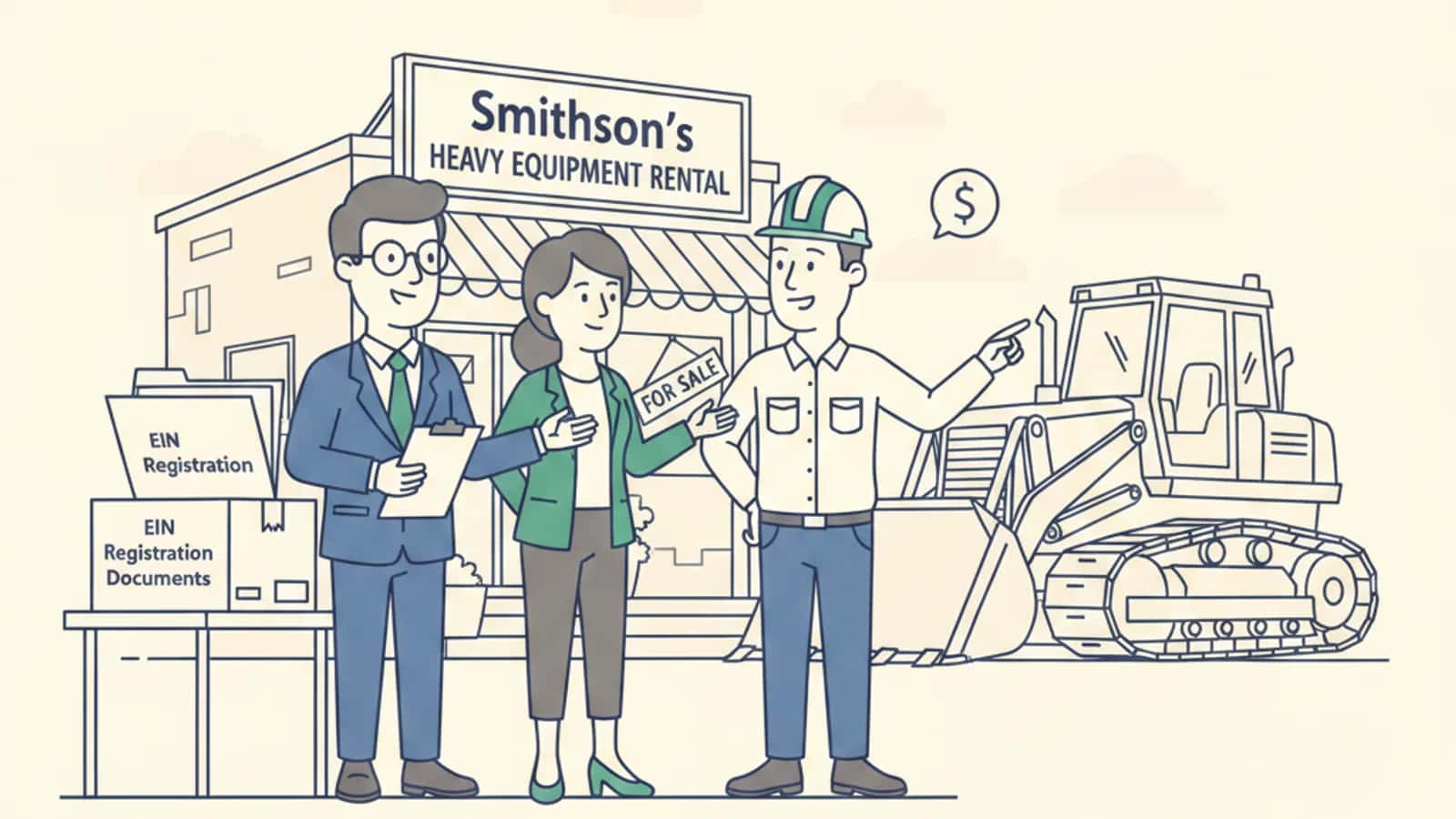
Quick answer
Business acquisition loans provide capital to purchase existing companies, with SBA 7(a) loans dominating the under-$5 million market at current rates around 9.75%-12.75%. These loans typically require 10% buyer equity, cover up to 90% of purchase price including goodwill, and close in 60-90 days through structured financing that combines senior debt with seller notes.
Key takeaways
- SBA 7(a) loans remain the primary vehicle for business acquisitions under $5 million, financing up to 90% of purchase price including goodwill
- Current SBA rates range from 9.75% to 12.75% depending on loan size, with 2026 fee waivers eliminating upfront costs on loans under $1 million
- Minimum equity requirements dropped to 10% in 2024, down from previous 15% requirements
- Typical closing timeline is 60-90 days for SBA deals, 45-75 days for conventional bank loans
- Lenders evaluate both buyer qualifications and target company financials, requiring 1.25x debt service coverage ratio
- Maximum SBA 7(a) loan amount is $5 million per borrower, with potential for additional $5 million through 504 program for real estate
- Alternative lenders offer faster approval but higher rates, typically 12%-25% for acquisition financing
- Personal guarantees from 20%+ owners and business asset collateral are standard requirements
What Is a Business Acquisition Loan and How Does It Work

A business acquisition loan provides capital to purchase an existing operating company, covering the purchase price, working capital needs, and transaction costs. Unlike equipment loans or working capital facilities, these loans finance intangible assets like goodwill, customer relationships, and brand value alongside physical assets.
The loan structure typically combines senior debt with buyer equity and seller financing. For deals under $5 million, the dominant structure uses SBA 7(a) financing for 75%-85% of purchase price, 10% buyer equity injection, and 5%-10% seller note. This approach maximizes leverage while meeting SBA requirements for equity participation.
Key mechanics include
- Loan proceeds go into escrow until closing conditions are met
- Collateral includes all business assets of the acquired company
- Personal guarantees required from buyers with 20%+ ownership
- Repayment based on combined cash flow of buyer's existing business and acquisition target
Choose acquisition loans when purchasing established businesses with predictable cash flow. Avoid for distressed companies, asset purchases without ongoing operations, or deals where seller financing alone provides sufficient leverage.
How Much Can You Borrow with Business Acquisition Loans

SBA 7(a) loans cap at $5 million total per borrower for business acquisitions, representing the maximum SBA exposure of approximately $3.75 million with 75% guarantee. This limit covers purchase price, working capital injection, and transaction costs combined.
For larger deals, conventional bank acquisition loans typically range from $5 million to $25 million, structured at 40%-60% of enterprise value depending on target company stability. Private credit and unitranche lenders extend this range to $50 million or more for established middle-market companies.
Borrowing capacity factors
- Target company cash flow: Lenders size loans to 3.5x-4.5x EBITDA for stable businesses
- Buyer experience: First-time buyers face tighter leverage limits than experienced operators
- Industry risk: Service businesses often qualify for higher leverage than asset-heavy industries
- Combined debt service: Total payments cannot exceed 80% of projected cash flow
Effective July 4, 2026, qualified borrowers who secure a 7(a) loan first may access up to $5 million through 7(a) and up to $5 million through 504 for eligible fixed assets, for up to $10 million in combined SBA-backed financing. Each loan retains its own eligibility and use-of-proceeds rules.
SBA Loans vs Regular Acquisition Loans: Key Differences
SBA 7(a) acquisition loans offer government backing that reduces lender risk, enabling higher leverage and longer terms than conventional bank loans. The SBA guarantees 75% of the loan amount, allowing lenders to finance deals they might otherwise decline.
SBA 7(a) advantages
- Finance up to 90% of purchase price including goodwill
- Terms up to 10 years for business acquisition, 25 years with real estate
- Lower equity requirements (10% minimum vs 20%-30% for conventional loans)
- Standardized underwriting reduces lender subjectivity
Conventional loan benefits
- Faster closing (45-75 days vs 60-90 days for SBA)
- No SBA fees or compliance requirements
- More flexible deal structures
- Higher loan limits for larger acquisitions
Regular bank acquisition loans work best for deals over $5 million, buyers with strong balance sheets, and time-sensitive transactions. SBA financing suits first-time buyers, deals under $5 million, and situations requiring maximum leverage.
For more context on SBA loan structures, see our complete guide to SBA 7(a) loans.
Approval Timeline for Business Acquisition Financing
SBA 7(a) acquisition loans typically close in 60-90 days from complete application submission, while conventional bank loans average 45-75 days for straightforward deals. Timeline variations depend on lender efficiency, deal complexity, and documentation quality.
Typical SBA timeline breakdown
- Days 1-14: Initial underwriting and credit review
- Days 15-30: Business valuation and financial analysis
- Days 31-45: SBA submission and preliminary review
- Days 46-75: Final SBA approval and loan documentation
- Days 76-90: Closing coordination and funding
Factors that extend timelines
- Environmental assessments for manufacturing or industrial businesses
- Complex ownership structures requiring additional SBA review
- Incomplete financial records from seller or buyer
- Multiple properties or subsidiary entities in the acquisition
Alternative lenders offer faster approval, often 2-4 weeks, but at significantly higher rates and with more restrictive terms. These work for competitive bidding situations where speed matters more than cost.
Current Interest Rates for Business Acquisition Loans
SBA 7(a) acquisition loan rates in 2026 range from 9.75% to 12.75% based on loan size, with prime rate at approximately 6.75% plus SBA-allowed spreads. The rate structure favors larger loans with lower spreads.
Current SBA 7(a) rate structure
- Over $350,000: Prime + 3.0% = 9.75%
- $250,001-$350,000: Prime + 4.5% = 11.25%
- $150,001-$250,000: Prime + 6.0% = 12.75%
Conventional bank acquisition loans price at SOFR + 350-500 basis points, resulting in rates around 8%-9.5% for creditworthy borrowers. These loans require stronger financials and more equity but offer lower all-in costs for qualified buyers.
Rate factors beyond loan size
- Buyer credit score and business experience
- Target company industry and stability
- Loan-to-value ratio and collateral strength
- Geographic market and lender competition
A significant 2026 development is the FY2026 fee waiver setting SBA guarantee fees at 0% for loans under $1 million, materially reducing closing costs for smaller acquisitions.
What Lenders Look for in Acquisition Loan Applications
Lenders evaluate both the buyer's qualifications and the target company's financial stability, requiring demonstrated ability to service debt from combined operations. The standard benchmark is 1.25x debt service coverage ratio based on projected cash flow.
Buyer qualification criteria
- Management experience: Relevant industry background or transferable business skills
- Financial strength: Personal credit score above 680, liquid assets for equity injection
- Skin in the game: Minimum 10% equity investment, personal guarantees
- Post-closing involvement: Full-time management commitment for SBA loans
Target company evaluation
- Financial performance: Three years of tax returns showing consistent profitability
- Cash flow stability: Predictable revenue streams with limited customer concentration
- Market position: Defensible competitive advantages and growth prospects
- Clean records: No pending litigation, tax liens, or regulatory issues
Common disqualifiers include buyer debt-to-income ratios above 45%, target companies with declining revenues, and deals where the purchase price exceeds 6x annual cash flow. Lenders also scrutinize owner-operator transitions for businesses heavily dependent on seller relationships.
For broader context on business loan qualification, review our step-by-step qualification guide.
Using Acquisition Loans to Buy Competitors
Business acquisition loans can finance competitor purchases, but lenders scrutinize these deals more carefully due to integration risks and market concentration concerns. The key is demonstrating clear synergies and realistic consolidation plans.
Advantages of competitor acquisitions
- Immediate market share expansion and customer base growth
- Cost synergies through eliminated duplicate functions
- Enhanced pricing power in consolidated markets
- Proven business model with known performance metrics
Lender concerns to address
- Integration complexity: Detailed plans for combining operations, systems, and staff
- Customer retention: Risk assessment for overlapping customer relationships
- Regulatory approval: Antitrust considerations for significant market share combinations
- Management bandwidth: Buyer capacity to execute integration while maintaining performance
Structure these deals with conservative leverage ratios and longer integration timelines. Lenders prefer acquisitions that complement existing operations rather than create direct overlap requiring immediate consolidation.
Document expected synergies conservatively and provide integration budgets separate from acquisition financing. Most lenders discount projected cost savings by 25%-50% in their underwriting models.
Financing Companies with Weak Financial Records
Acquiring companies with poor financial performance requires specialized loan structures and often excludes traditional SBA financing. Lenders focus on asset values, turnaround potential, and buyer experience in distressed situations.
Asset-based lending becomes primary option when
- Target company shows losses in recent years
- Cash flow insufficient to support traditional debt service
- Significant working capital or operational issues exist
- Purchase price reflects distressed valuation
Alternative structures for weak performers
- Asset-based loans: Secured by inventory, receivables, and equipment with advance rates of 70%-85%
- Seller financing: Higher seller note percentage (15%-25%) to bridge financing gaps
- Earn-out provisions: Purchase price adjustments based on future performance
- Staged acquisitions: Initial asset purchase followed by business acquisition after stabilization
Buyers need substantial turnaround experience and additional working capital beyond the acquisition cost. Most lenders require detailed business plans showing path to profitability within 12-18 months.
Consider whether asset purchase makes more sense than stock purchase for distressed companies, as it eliminates inherited liabilities while preserving valuable business relationships.
Acquisition Loans vs Lines of Credit for Business Purchases
Business acquisition loans provide term financing specifically structured for ownership transfers, while lines of credit offer flexible access to capital but rarely cover full acquisition costs. The choice depends on deal size, timing, and buyer financial capacity.
When acquisition loans work better
- Purchase price exceeds available credit line capacity
- Need for extended repayment terms (5-10 years vs 1-2 years for lines of credit)
- SBA guarantee benefits outweigh line of credit flexibility
- Seller requires proof of committed financing for deal closure
Lines of credit advantages
- Faster access to capital for time-sensitive opportunities
- Interest-only payments during due diligence and negotiation
- Flexibility to finance multiple smaller acquisitions
- Lower cost for buyers with strong banking relationships
Many buyers combine both structures, using lines of credit for initial deposits and due diligence costs, then converting to term acquisition loans at closing. This approach provides speed and flexibility while maintaining access to favorable long-term financing.
For working capital needs post-acquisition, consider our guide to working capital solutions.
Common Mistakes in Acquisition Financing
The most frequent error is underestimating total capital requirements, focusing only on purchase price while ignoring working capital needs, transaction costs, and integration expenses. This leads to undercapitalized acquisitions that struggle post-closing.
Capital planning mistakes
- Insufficient working capital: Failing to account for seasonal fluctuations or growth needs
- Transaction cost surprises: Legal, accounting, and due diligence fees often exceed 3%-5% of purchase price
- Integration expenses: System conversions, staff training, and operational changes require separate budgets
- Debt service miscalculation: Using optimistic cash flow projections without conservative buffers
Financing structure errors
- Over-leveraging: Maximizing loan amounts without considering cash flow volatility
- Mismatched terms: Short-term financing for long-term value creation
- Inadequate seller financing: Missing opportunities for subordinated seller notes that improve deal structure
- Single lender dependence: Not developing backup financing options for competitive situations
Due diligence shortcuts
- Accepting seller financial statements without independent verification
- Insufficient analysis of customer concentration and retention rates
- Overlooking regulatory compliance issues that could trigger loan acceleration
- Inadequate assessment of key employee retention risks
Start financing discussions early in the acquisition process and maintain relationships with multiple lenders. The best deals often require quick decisions, and pre-qualified financing provides significant negotiating advantages.
Getting Acquisition Loans with Bad Credit
Buyers with credit scores below 680 face limited options for traditional acquisition financing, but several alternative structures remain available. Success requires compensating factors like industry experience, larger equity contributions, or strong target company performance.
Credit score impact on options
- Above 720: Full access to SBA and conventional financing at best rates
- 680-720: SBA financing available with higher rates and stricter terms
- 620-680: Limited to asset-based lending and alternative lenders
- Below 620: Seller financing and private investors become primary options
Compensating strategies for poor credit
- Increase equity contribution: 20%-30% down payment vs standard 10% minimum
- Add co-guarantors: Partners or family members with stronger credit profiles
- Focus on asset-heavy targets: Companies with substantial collateral value
- Demonstrate industry expertise: Relevant experience that reduces lender risk perception
Alternative financing sources
- Private credit funds with higher risk tolerance
- Seller financing with personal guarantees
- Revenue-based financing tied to business performance
- Equipment financing for asset-heavy acquisitions
Consider credit repair strategies 6-12 months before pursuing acquisitions. Even modest improvements in credit scores can significantly expand financing options and reduce borrowing costs.
Required Documents for Business Acquisition Loan Applications
Complete acquisition loan applications require extensive documentation covering both buyer qualifications and target company performance. Lenders need sufficient information to evaluate deal viability and structure appropriate terms.
Buyer documentation
- Personal and business tax returns (3 years)
- Personal financial statement with supporting bank statements
- Business financial statements if currently operating
- Resume detailing relevant management experience
- Letter of intent or purchase agreement with target company
Target company requirements
- Business tax returns and financial statements (3 years)
- Current year interim financial statements
- Business valuation or broker opinion of value
- Customer concentration analysis and key contract summaries
- Organizational documents and ownership structure details
Deal structure documentation
- Purchase agreement with financing contingencies
- Asset purchase agreement or stock purchase agreement
- Environmental assessments for manufacturing or industrial properties
- Insurance certificates and coverage summaries
- Legal entity formation documents for acquisition vehicle
SBA-specific additions
- SBA Form 1919 (Borrower Information Form)
- Personal history statement for all 20%+ owners
- Franchise documents if applicable
- Standby agreement if seller retains any ownership interest
Organize documents early in the process and maintain updated versions throughout negotiations. Incomplete applications significantly extend approval timelines and may result in declined loans.
For a comprehensive application checklist, see our business loan approval requirements guide.
Down Payment Requirements for Business Acquisitions
SBA 7(a) acquisition loans require minimum 10% buyer equity injection, down from 15% requirements prior to 2024. This equity must come from buyer's own resources and cannot be borrowed against business assets or personal guarantees.
Acceptable equity sources
- Cash from personal savings or investment accounts
- Proceeds from sale of personal assets
- Rollover from qualified retirement accounts (ROBS)
- Gift funds from family members with proper documentation
Unacceptable equity sources
- Borrowed funds secured by business assets
- Credit card advances or unsecured personal loans
- Seller credits or concessions that reduce actual cash investment
- Sweat equity or promised future contributions
Enhanced equity strategies
- 15%-20% injection: Improves loan terms and reduces lender risk concerns
- Seller financing: Additional 5%-10% seller note on top of minimum equity
- Rollover equity: Seller retains 10%-20% ownership stake in ongoing business
- Earnout provisions: Performance-based purchase price adjustments
Conventional bank loans typically require 20%-30% equity for acquisition financing, making SBA programs significantly more accessible for buyers with limited capital. However, larger equity contributions often result in better loan terms and faster approvals even within SBA parameters.
Plan equity sources early and document funds' origins clearly. Lenders scrutinize large deposits and require explanations for any unusual financial activity in the months preceding application.
Asset-Based vs Cash Flow Based Acquisition Loans
Asset-based acquisition loans secure financing against tangible collateral like inventory, equipment, and receivables, while cash flow based loans rely on business earnings capacity to support debt service. The choice depends on target company characteristics and buyer risk tolerance.
Asset-based lending works best for
- Companies with substantial inventory or equipment values
- Businesses with fluctuating cash flow but strong balance sheets
- Turnaround situations where earnings are temporarily depressed
- Industries with reliable asset liquidation markets
Cash flow based financing suits
- Service businesses with limited tangible assets
- Companies with predictable recurring revenue streams
- Stable businesses with consistent profitability history
- Situations where asset values don't support required loan amounts
Key structural differences:
| Feature | Asset-Based | Cash Flow Based |
|---|---|---|
| Advance Rates | 70%-85% of asset values | 3x-5x annual cash flow |
| Interest Rates | 8%-12% typically | 9%-15% depending on risk |
| Monitoring | Monthly asset reporting | Quarterly financial statements |
| Covenants | Asset maintenance ratios | Cash flow and leverage ratios |
| Speed | 30-45 days | 45-90 days |
Many acquisition loans combine both approaches, with asset-based components providing security and cash flow analysis determining overall loan sizing. This hybrid structure offers lenders multiple repayment sources while maximizing borrowing capacity for buyers.
Consider target company characteristics carefully when choosing loan structure. Asset-heavy businesses may qualify for higher leverage through asset-based lending, while service companies typically achieve better terms through cash flow based approaches.
Next steps for business acquisition loans
Business acquisition loans provide essential capital for purchasing existing companies, with SBA 7(a) financing dominating the under-$5 million market through favorable terms and government backing. Current rates range from 9.75% to 12.75% for SBA loans, with conventional alternatives offering lower rates but requiring stronger buyer qualifications.
Success requires careful planning around equity requirements, realistic cash flow projections, and comprehensive documentation. The 10% minimum equity requirement makes acquisitions accessible, but buyers benefit from larger down payments through improved terms and faster approvals.
Start by evaluating your financing capacity and target company characteristics to determine the best loan structure. SBA financing works well for first-time buyers and deals requiring maximum leverage, while conventional loans suit larger acquisitions and experienced operators.
Ready to explore business acquisition financing options? Use Funding Fred's Fast Eligibility Check to understand what you might qualify for across our network of US funding partners. No hard credit pull required, and there's no obligation to proceed beyond the initial assessment.
Frequently asked questions
What Is a Business Acquisition Loan and How Does It Work?
A business acquisition loan provides capital to purchase an existing operating company, covering the purchase price, working capital needs, and transaction costs. Unlike equipment loans or working capital facilities, these loans finance intangible assets like goodwill, customer relationships, and brand value alongside physical assets.
How Much Can You Borrow with Business Acquisition Loans?
SBA 7(a) loans cap at $5 million total per borrower for business acquisitions, representing the maximum SBA exposure of approximately $3.75 million with 75% guarantee. This limit covers purchase price, working capital injection, and transaction costs combined.
What Lenders Look for in Acquisition Loan Applications?
Lenders evaluate both the buyer's qualifications and the target company's financial stability, requiring demonstrated ability to service debt from combined operations. The standard benchmark is 1.25x debt service coverage ratio based on projected cash flow.
Written by
The Funding Fred Editorial Team creates plain-English guides to help business owners understand funding options, eligibility, and application readiness before they compare finance options.
Reviewed by
Business finance content reviewer
Robert reads our business finance guides before they go live, checking each one is accurate, easy to follow, and reflects how lending actually works today — not how a brochure says it should. He's listed on the UK's FCA Register, approved as an SMF3 (AR) Executive Director at Switcha Limited, and connected to Lucky Growth Partners Ltd through its appointed representative relationship, so each guide gets a properly qualified second read.
Sources
- Best Business Acquisition Loans
- Sba Business Acquisition Financing Complete Guide 2026
- Sba 7a Loan Business Acquisition 2026
- Business Acquisition Financing Sba 7a Complete Guide 2026
- Best Business Acquisition Loans
- Sba 7a Loan Playbook 2026 Acquisition
- Sba Loan Limits Business Acquisition 2026
- Sba 7a Loan For Business Acquisition Guide
- Business Acquisition Financing Guide 2026
- Current Sba 7a Loan Trends New Rules
- Financing Buying Existing Business 2026
- Business Purchase Loan
- Acquisition Loans
- Sba 7a Loan To Buy A Business
- Sba Loan Buy A Business 2026 Requirements