How to Qualify for a Business Loan: Step-by-Step Guide to Lender Requirements
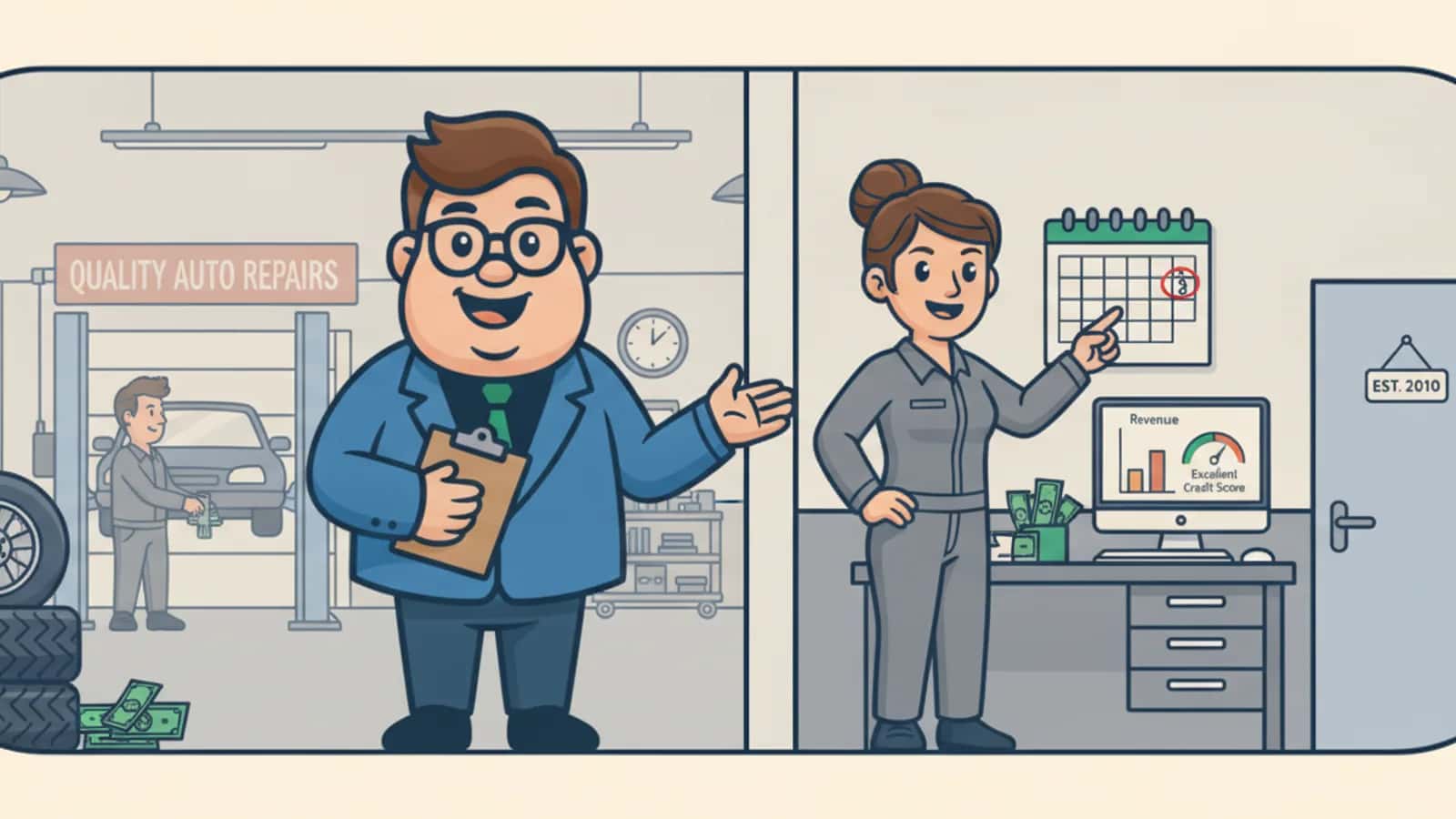
To qualify for a business loan, lenders typically evaluate your personal credit score (usually 670 or above for banks), time in business (at least two years for traditional lenders), annual revenue (often $50,000 to $250,000 minimum), and supporting documents like tax returns and bank statements.
Quick answer
To qualify for a business loan, lenders typically evaluate your personal credit score (usually 670 or above for banks), time in business (at least two years for traditional lenders), annual revenue (often $50,000 to $250,000 minimum), and supporting documents like tax returns and bank statements. Alternative lenders apply more flexible criteria, making funding accessible even if you don't meet every bank standard.
Key takeaways
- Personal credit scores of 670+ are standard for bank loans; some online lenders accept 500+
- Most banks and SBA lenders require at least two years in business; some online lenders accept 12 months
- Annual revenue requirements typically range from $50,000 to $250,000 depending on lender type
- Required documents usually include tax returns, bank statements, profit and loss statements, and a business plan
- Bad credit doesn't automatically disqualify you — revenue-led matching and alternative lenders exist
- SBA loans offer government-backed terms but come with longer approval timelines
- Collateral is required for secured loans, typically valued at 100% to 125% of the loan amount
- A fast eligibility check with no hard credit pull is a practical first step before committing to any lender
What Do Lenders Look for When Reviewing a Business Loan Application?

Lenders assess five core factors: creditworthiness, revenue, time in business, debt load, and collateral. Understanding these upfront is the most practical way to approach the question of how to qualify for a business loan.
Here's what most lenders weigh:
- Personal credit score
- the single most common filter, especially at banks
- Business credit score
- Dun & Bradstreet PAYDEX and similar scores, where 80+ is considered strong
- Annual revenue
- proof the business generates enough cash to service debt
- Time in business
- a proxy for stability and survival risk
- Debt-to-income ratio
- lower is better; lenders want to see room for new repayments
- Collateral
- assets pledged against a secured loan
- Loan purpose
- a clear, credible use of funds improves approval odds
What Credit Score Do You Need to Get a Business Loan?
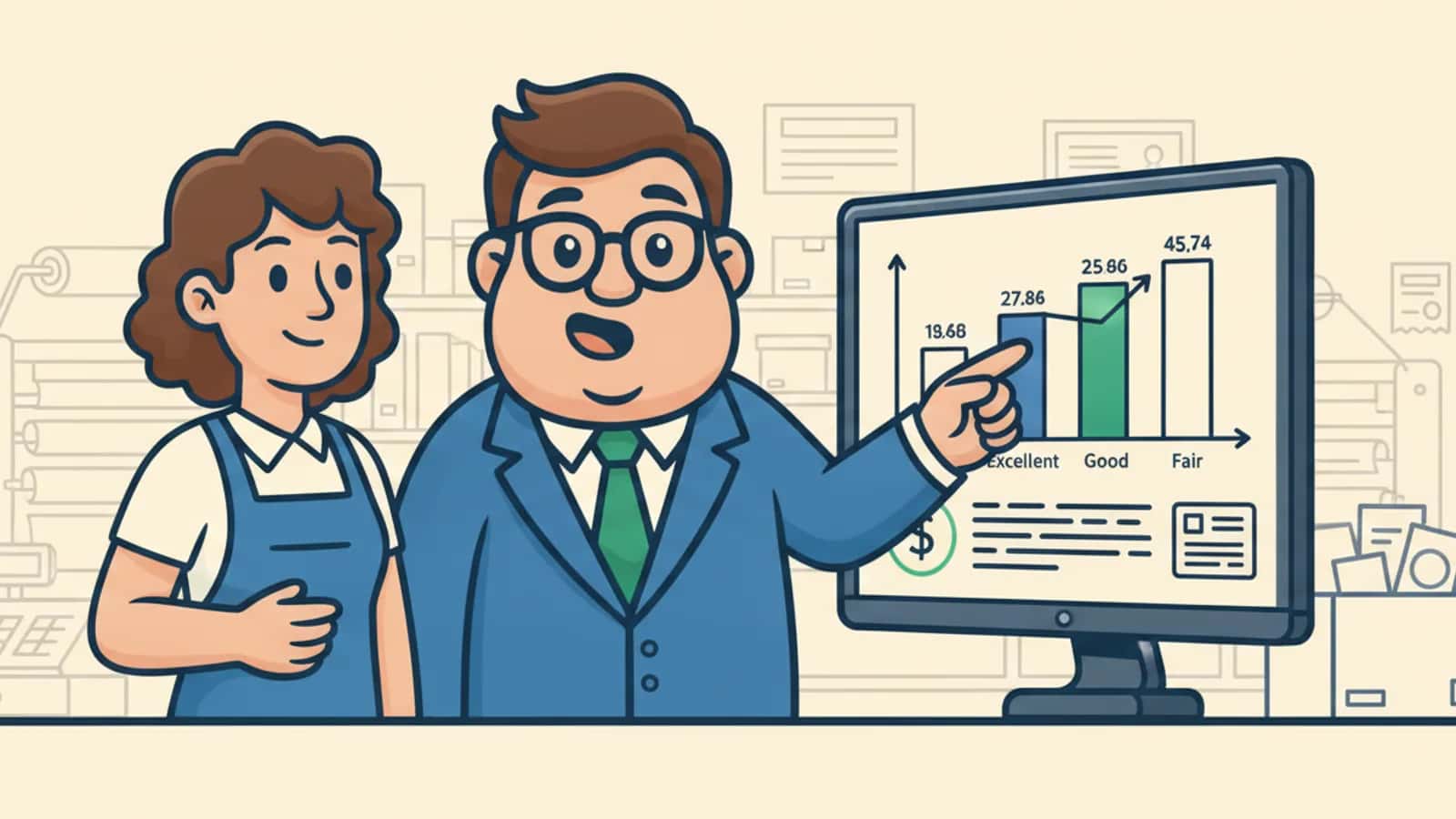
The minimum personal credit score for most traditional bank loans is 670. SBA loans typically follow a similar threshold. Online and alternative lenders may accept scores as low as 500, though lower scores usually mean higher rates or shorter terms.
Business credit scores work differently. The PAYDEX score (Dun & Bradstreet) runs from 0 to 100. A score of 80 or above signals that a business pays its suppliers on time and is generally considered good by lenders.
| Lender Type | Min. Personal Credit Score | Min. Business Credit Score |
|---|---|---|
| Traditional bank | 670+ | 80+ (PAYDEX) |
| SBA lender | 650–680+ | Varies |
| Online lender | 500–600+ | Often not required |
| Revenue-based lender | Not primary factor | Not primary factor |
For a deeper look at how business credit scores are built and used, see this guide to business credit scores.
How Much Money Can You Borrow as a Small Business?
Loan amounts depend on your revenue, credit profile, and the lender type. Most small business loans range from $10,000 to $5 million. Startups with limited history typically qualify for smaller amounts, while established businesses with strong revenue can access larger facilities.
General borrowing benchmarks
- Microloans (SBA): Up to $50,000 — suited for early-stage businesses or those with limited credit history
- SBA 7(a) loans: Up to $5 million — for established businesses with documented revenue
- Online term loans: $10,000 to $500,000 — faster approval, flexible criteria
- Lines of credit: $10,000 to $250,000 — useful for working capital and cash flow gaps
Startups face the toughest limits because lenders rely heavily on historical revenue data. If you're early-stage, SBA microloans are worth exploring — this breakdown of SBA microloans for small businesses explains when a smaller loan makes more practical sense than chasing a larger bank facility.
What Documents Do You Need to Apply for a Business Loan?
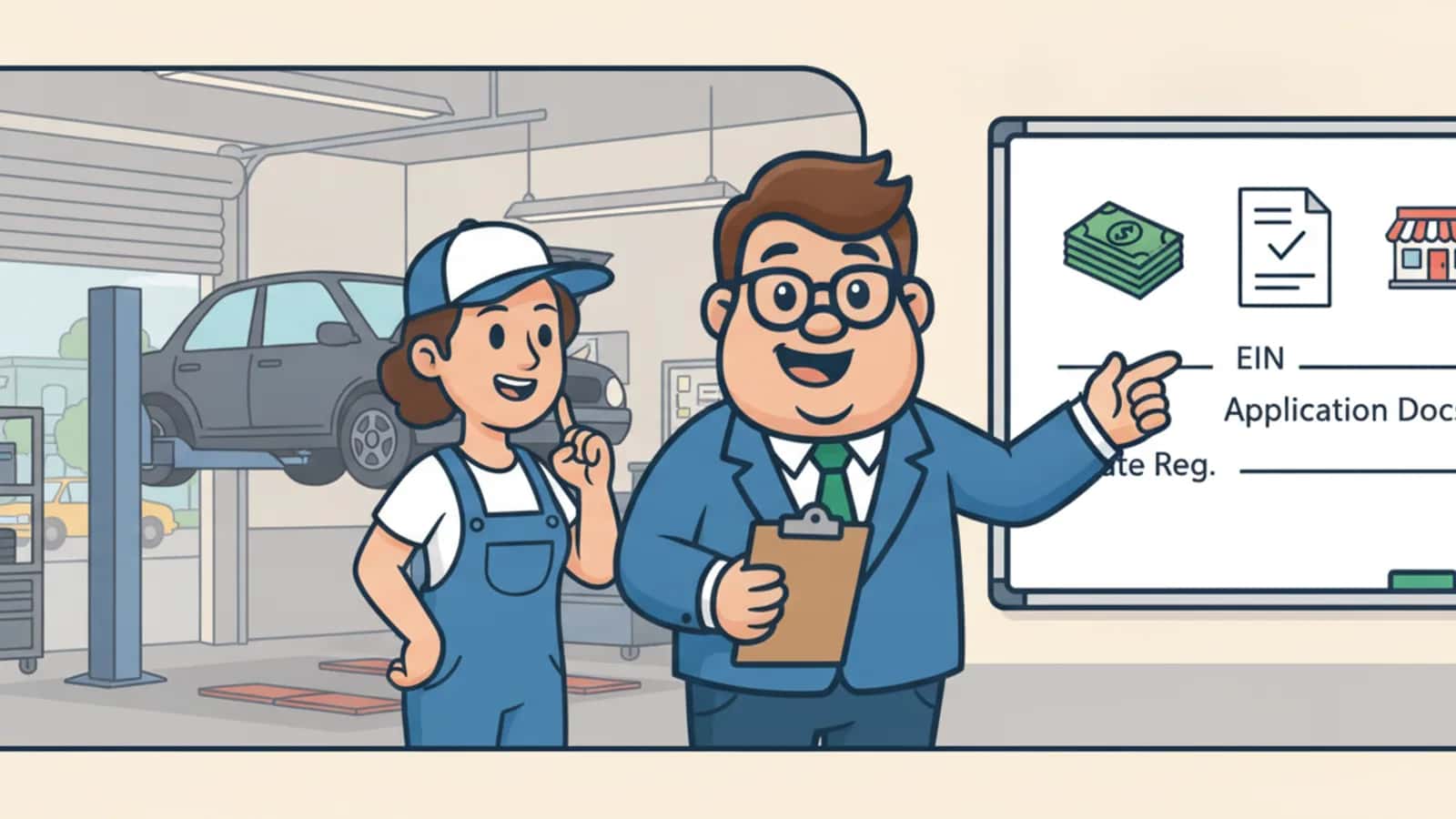
Most lenders require a standard set of financial and legal documents. Having these ready before you apply reduces delays and signals that you're a prepared borrower.
Core documents checklist
- Personal and business tax returns (last 2–3 years)
- Business bank statements (last 3–6 months)
- Profit and loss statement (current year)
- Balance sheet
- Business plan with financial projections (required by most banks and SBA lenders)
- EIN (Employer Identification Number)
- Business license and formation documents
- Accounts receivable/payable aging reports (for larger loans)
- Personal financial statement (for loans requiring a personal guarantee)
Some lenders also verify your business entity through a Secretary of State lookup. This is a legitimate step that confirms your business is registered and in good standing — it's a feature, not a hurdle.
For a full walkthrough of the approval checklist, see the US business loan approval checklist.
Can You Get a Business Loan With Bad Credit?
Yes — bad credit doesn't automatically close every door. It does narrow your options and typically raises your cost of borrowing. Revenue-led lenders and merchant cash advance providers often prioritize monthly revenue over credit score, making them accessible to business owners with scores below 600.
Options when credit is a problem
- Revenue-based financing: Repayments tied to a percentage of monthly revenue — no fixed monthly payment
- Merchant cash advance: Advance against future card sales; approval based on sales volume, not credit see comparison: [term loan vs. line of credit vs. merchant cash advance]
- Secured loans: Pledging collateral can offset a weak credit profile
- SBA microloans: Some community lenders within the SBA microloan program work with borrowers rebuilding credit
- Co-signer or guarantor: Adding a creditworthy co-signer can strengthen an application
How Long Does It Take to Get Approved for a Business Loan?
Approval timelines vary widely by lender type. Traditional banks can take weeks; online lenders can fund within 24 to 72 hours in some cases.
| Lender Type | Typical Approval Time | Funding Speed |
|---|---|---|
| Traditional bank | 2–6 weeks | 1–4 weeks after approval |
| SBA loan | 30–90 days | Slower due to government process |
| Online lender | 1–3 business days | Same day to 1 week |
| Revenue-based lender | 24–48 hours | Often same or next day |
The biggest delays come from incomplete documentation. Gathering your documents before starting the application is the single most effective way to speed up the process.
What Are the Interest Rates for Small Business Loans Right Now?
Interest rates depend on lender type, loan structure, your credit profile, and broader market conditions. As of 2026, rates vary significantly across loan types.
- SBA 7(a) loans:
- Typically prime rate plus a lender spread — rates fluctuate with the Federal Reserve's benchmark
- Traditional bank term loans:
- Generally lower rates for well-qualified borrowers, often in the 6–12% range for strong applicants
- Online lenders:
- Rates can range from 10% to 60%+ APR depending on risk profile and loan term
- Merchant cash advances:
- Expressed as a factor rate (e.g., 1.2 to 1.5), which translates to very high effective APR
What moves your rate
- Higher credit score → lower rate
- Longer time in business → lower rate
- Collateral offered → lower rate
- Shorter loan term → sometimes lower total cost
Practical note: Always compare APR, not just the stated interest rate. Fees, origination costs, and prepayment penalties change the true cost of borrowing.
Difference Between SBA Loans and Traditional Bank Loans
SBA loans are partially guaranteed by the US Small Business Administration, which reduces the risk for lenders and allows them to offer more favorable terms to borrowers who might not qualify for a conventional bank loan. Traditional bank loans have no government backing and typically require stronger credit and collateral.
Key differences:
| Factor | SBA Loan | Traditional Bank Loan |
|---|---|---|
| Government backing | Yes (up to 85%) | No |
| Credit score required | 650–680+ | 670+ |
| Approval time | 30–90 days | 2–6 weeks |
| Interest rates | Often lower | Competitive for strong borrowers |
| Loan amounts | Up to $5M | Varies widely |
| Documentation | Extensive | Extensive |
| Best for | Businesses that need better terms but have moderate credit | Established businesses with strong financials |
For a detailed breakdown of SBA loan structures, see SBA 7(a) loans explained.
Which Type of Business Loan Is Best for Restaurants?
Restaurants have specific funding needs — seasonal cash flow gaps, equipment purchases, and inventory cycles — that make certain loan types more practical than others.
Best options for restaurant owners
- Working capital loans or lines of credit: Cover payroll, supplies, and slow periods without committing to a large term loan
- Equipment financing: Specifically for kitchen equipment, POS systems, or refrigeration — the equipment itself serves as collateral
- Merchant cash advances: Suit restaurants with high card transaction volume; repayments flex with daily sales
- SBA 7(a) loans: For larger expansions or buying a second location
Revenue consistency matters more in restaurant lending than in many other sectors. Lenders want to see at least 12 months of bank statements showing stable or growing deposits. For a full guide, see restaurant business loans and working capital options.
Common Reasons Business Loan Applications Get Rejected
Understanding rejection reasons is part of how to qualify for a business loan — fixing these before applying saves time and protects your credit.
Most frequent rejection reasons:
- 1
Credit score below lender threshold
the most common filter
- 2
Insufficient time in business
banks rarely fund businesses under 2 years
- 3
Revenue too low or inconsistent
lenders want predictable cash flow
- 4
Too much existing debt
high debt-to-income ratio signals repayment risk
- 5
Incomplete or inconsistent documentation
mismatched figures between tax returns and bank statements raise red flags
- 6
No clear loan purpose
vague answers about how funds will be used undermine confidence
- 7
High-risk industry classification
construction, cannabis, and certain service sectors face additional scrutiny
- 8
No collateral for a secured loan
without assets to pledge, secured loan options close off
What Alternatives Exist If You Can't Qualify for a Traditional Business Loan?
If a traditional bank or SBA loan isn't accessible right now, several alternatives provide working capital without the same qualification bar.
Practical alternatives
- Revenue-based financing: Repay as a percentage of monthly revenue — no fixed schedule
- Invoice factoring: Sell outstanding invoices at a discount for immediate cash
- Business credit cards: Useful for short-term expenses; easier to qualify for than term loans
- Crowdfunding or community lending: Platforms and CDFIs (Community Development Financial Institutions) serve underserved markets
- Equipment financing: Asset-backed, so credit requirements are often lower
- Grants: Federal, state, and private grants don't require repayment — worth researching for your sector
A fast eligibility check is a no-obligation way to see which options realistically match your current profile before spending time on full applications. No hard credit pull. No upfront financials required to start.
How Much Personal Income Do You Need to Qualify for a Business Loan?
There's no universal personal income minimum, but lenders do look at personal finances — especially if the business is young or the owner is providing a personal guarantee.
What lenders actually assess:
- Personal tax returns
- (last 2 years) to verify income stability
- Personal debt obligations
- mortgage, car loans, credit cards — relative to income
- Net worth
- relevant for larger loans or SBA applications requiring a personal financial statement
- Personal guarantee
- most small business loans require the owner to personally guarantee repayment, which means personal assets are on the line
For more on personal guarantees and what they mean in practice, see this guide to UCC liens and personal guarantees in US small business lending.
Step-by-Step: How to Qualify for a Business Loan
Here is a practical sequence that covers how to qualify for a business loan from preparation through to funding.
- 1
Check your credit scores
Pull both your personal credit report (free at AnnualCreditReport.com) and your business credit profile. Identify any errors and dispute them before applying.
- 2
Confirm your time in business and revenue
Know your exact start date and calculate your average monthly revenue from the last 6–12 months of bank statements.
- 3
Define your loan purpose
Be specific. "Working capital" is vague. "Cover payroll for Q3 while awaiting a $180,000 contract payment" is clear and credible.
- 4
Gather your documents
Use the checklist above. Tax returns, bank statements, P&L, balance sheet, EIN, and formation documents.
- 5
Run a fast eligibility check
Before submitting a full application anywhere, use a platform that matches on revenue, trading history, and sector fit — with no hard credit pull. This gives a realistic picture of what you might qualify for across multiple US funding partners without locking you in.
- 6
Compare offers
Look at APR (not just rate), repayment term, prepayment penalties, and total cost of capital. Flexible criteria and fast eligibility matter, but so does the total repayment obligation.
- 7
Submit and follow up
Apply to your chosen lender with complete documentation. Respond quickly to any requests for additional information — delays on your side extend approval timelines.
Next steps
Qualifying for a business loan comes down to preparation. Know your credit scores, have your revenue documented, and be specific about how you'll use the funds. Traditional banks offer competitive rates but move slowly and set high bars. Alternative lenders and revenue-led platforms offer speed and flexible criteria — useful if you're earlier-stage or rebuilding credit. For more comparisons and application guidance, browse our business loan guides.
Actionable next steps:
- Pull your personal and business credit reports today
- Gather 6 months of business bank statements and your last two years of tax returns
- Define your loan purpose in one clear sentence
- Run a fast eligibility check — no hard credit pull, no obligation — to see what you realistically qualify for across US funding partners
- Compare offers on APR and total repayment cost, not just the headline rate
US Business Funding. Checked Fast. No obligation to proceed. Check Eligibility Now and get a clear picture of your options before committing to anything.
Further reading
Frequently asked questions
What Do Lenders Look for When Reviewing a Business Loan Application?
Lenders assess five core factors: creditworthiness, revenue, time in business, debt load, and collateral. Understanding these upfront is the most practical way to approach the question of how to qualify for a business loan.
What Credit Score Do You Need to Get a Business Loan?
The minimum personal credit score for most traditional bank loans is 670. SBA loans typically follow a similar threshold. Online and alternative lenders may accept scores as low as 500, though lower scores usually mean higher rates or shorter terms.
How Much Money Can You Borrow as a Small Business?
Loan amounts depend on your revenue, credit profile, and the lender type. Most small business loans range from $10,000 to $5 million. Startups with limited history typically qualify for smaller amounts, while established businesses with strong revenue can access larger facilities.
What Documents Do You Need to Apply for a Business Loan?
Most lenders require a standard set of financial and legal documents. Having these ready before you apply reduces delays and signals that you're a prepared borrower.
Can You Get a Business Loan With Bad Credit?
Yes — bad credit doesn't automatically close every door. It does narrow your options and typically raises your cost of borrowing. Revenue-led lenders and merchant cash advance providers often prioritize monthly revenue over credit score, making them accessible to business owners with scores below 600.
How Long Does It Take to Get Approved for a Business Loan?
Approval timelines vary widely by lender type. Traditional banks can take weeks; online lenders can fund within 24 to 72 hours in some cases.
Written by
The Funding Fred Editorial Team creates plain-English guides to help business owners understand funding options, eligibility, and application readiness before they compare finance options.