Disaster Loans for Small Businesses: What You Need to Know Now
SBA disaster assistance can provide loans to eligible businesses in declared disaster areas. Loan type, rate, maximum amount, filing deadline and permitted use depend on the specific declaration and the applicant's verified losses, so check the current SBA declaration before relying on a figure.

Quick answer
SBA disaster assistance can provide loans to eligible businesses in declared disaster areas. Loan type, rate, maximum amount, filing deadline and permitted use depend on the specific declaration and the applicant's verified losses, so check the current SBA declaration before relying on a figure.
Key takeaways
- Eligibility starts with an active SBA disaster declaration for the affected location
- Physical-damage and economic-injury loans cover different losses and can have different deadlines
- Rates, limits and deferment terms are declaration-specific and should be checked on SBA.gov
- Insurance proceeds and other recoveries can affect the eligible loss amount
- Keep tax returns, financial records, insurance information and evidence of loss ready
- Apply by the published deadline; do not assume a late filing will be accepted
What Exactly Are Disaster Loans and How Do They Work?
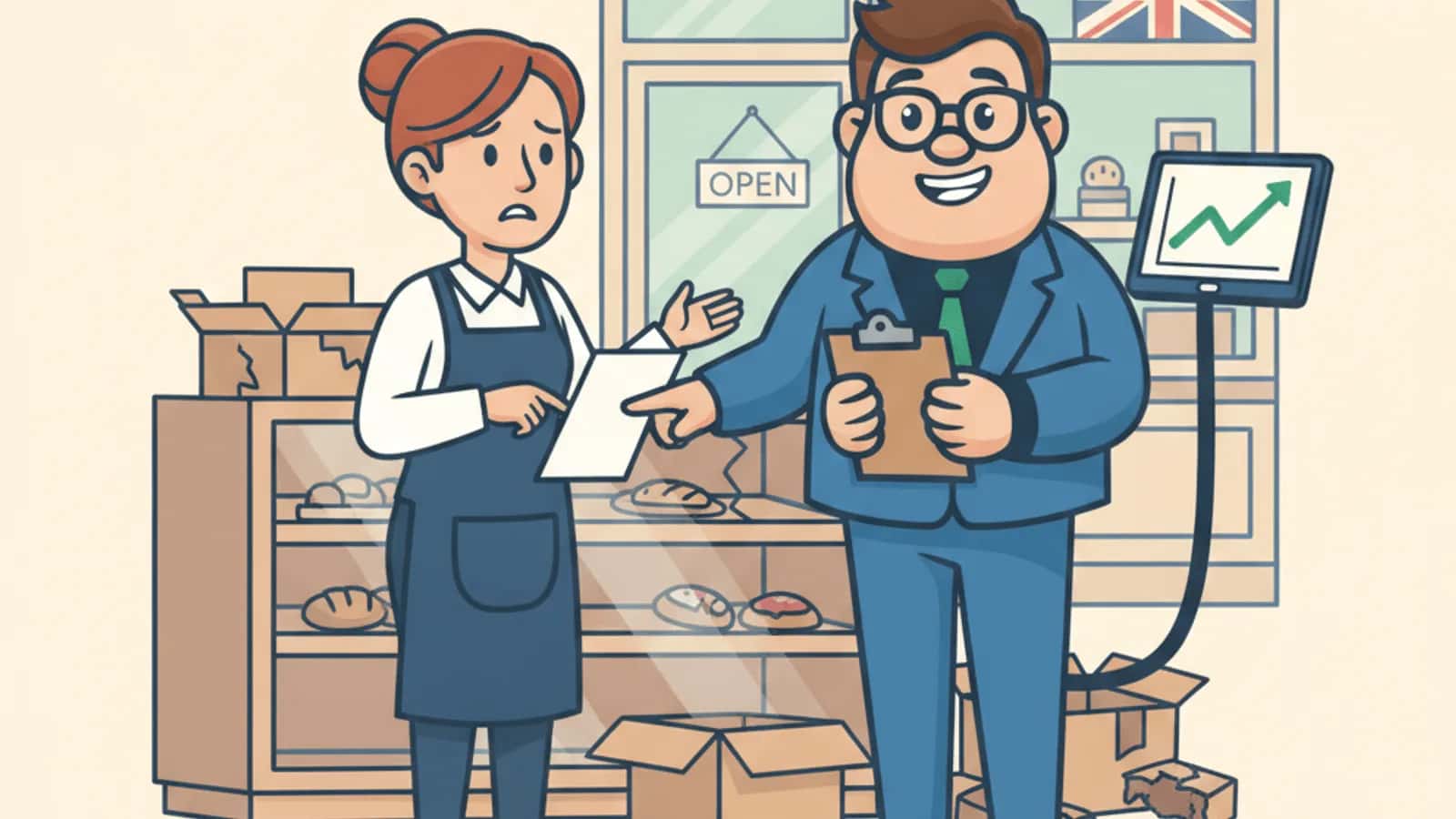
SBA disaster loans are federally funded, low-interest loans designed to help businesses, homeowners, renters, and private nonprofits recover after a declared disaster. They are not grants — they must be repaid — but the terms are far more favourable than commercial lending.
Here's how the process works:
- A federal or state disaster is officially declared in your area
- The SBA opens a disaster declaration for that region, with specific application windows
- Businesses and nonprofits in the affected area apply through the SBA's online disaster portal
- The SBA reviews applications, verifies losses, and approves or declines
- Approved borrowers receive funds, with repayment starting 12 months after disbursement
There are two main loan types:
| Loan Type | Purpose | Max Amount |
|---|---|---|
| Physical Damage Loan | Repair or replace damaged property, equipment, inventory | Up to $2 million |
| Economic Injury Disaster Loan (EIDL) | Cover working capital and operating expenses lost due to the disaster | Up to $2 million |
Who Qualifies for SBA Disaster Loans Right Now?

To qualify, your business must be located in a federally declared disaster area and show verifiable losses tied to that disaster. In 2026, the SBA is running multiple simultaneous disaster declarations — including active declarations for Texas drought-affected businesses and Illinois drought-affected businesses.
Core eligibility criteria
- Located within the declared disaster area (county-specific)
- Able to demonstrate physical damage or economic injury caused by the disaster
- Businesses of all sizes qualify, as do private nonprofits
- Must not be able to obtain credit elsewhere at reasonable terms
- Agricultural businesses are excluded (they have separate USDA programmes)
Who is most likely to get approved
- Restaurants, retail shops, and hospitality businesses with documented revenue loss
- Manufacturers or tradespeople with physical equipment or property damage
- Private nonprofits with demonstrable operational disruption
- Businesses with clean or explainable financial records — even imperfect credit histories are considered
The SBA uses flexible criteria when assessing disaster loan applications compared to standard commercial lending. Credit history matters, but the focus is on your ability to repay and the verifiable nature of your losses.
How Much Money Can I Actually Get from a Disaster Loan?
The maximum is $2 million per loan, but the actual amount you receive depends on your documented losses and your ability to repay.
What affects your loan amount
- For physical damage loans: The cost of repairing or replacing damaged assets, minus insurance payouts
- For EIDLs: The working capital needed to cover operating expenses during the recovery period — not profit, just what you'd have spent to keep running
- Insurance offsets: If your insurer covers part of the loss, the SBA loan covers the remainder
Interest rates in 2026
- As low as 4% for businesses
- As low as 3.625% for private nonprofits
- Repayment terms up to 30 years for loans where the borrower cannot obtain credit elsewhere
For context on how these rates compare to standard business lending, see our average business loan interest rates guide.
What's the Difference Between a Disaster Loan and a Regular Business Loan?
Disaster loans are purpose-built for recovery after declared events. Regular business loans are general-purpose. The differences are significant.
| Feature | SBA Disaster Loan | Regular Business Loan |
|---|---|---|
| Interest rate | As low as 4% | Typically 6–20%+ depending on lender |
| Repayment term | Up to 30 years | Usually 1–10 years |
| Trigger | Declared disaster required | No disaster needed |
| Speed | Weeks to months | Days to weeks (varies) |
| Credit requirements | Flexible, disaster-focused | Stricter for most lenders |
| Collateral | May be required for larger amounts | Varies; unsecured options exist |
| Application | Through SBA portal only | Banks, brokers, online lenders |
The trade-off is clear: disaster loans offer better rates and longer terms, but they require a declared disaster and a formal review process that takes time. If your business needs cash now and can't wait for SBA approval, an unsecured business loan or cash flow loan can bridge the gap while your SBA application is processed.
How Fast Can I Get Approved for a Disaster Loan?
SBA disaster loan approval typically takes several weeks, not days. The SBA processes a high volume of applications during active disaster windows, and each application requires document verification and loss assessment.
Realistic timeline
- Application submission: Day 1
- SBA acknowledgement and case assignment: 1–5 business days
- Loss verification and inspection: 1–3 weeks
- Approval decision: 2–4 weeks from submission
- First disbursement: Shortly after approval, with remaining funds disbursed as needed
Ways to speed up your application
- Submit online through the SBA disaster portal (faster than paper)
- Have all documents ready before you start (see the documents section below)
- Respond quickly to any SBA requests for additional information
- Don't wait until close to the deadline — applications submitted early tend to move faster
If speed is your priority, disaster loans are not the fastest route. For businesses that need same-day or next-day funding, see our guide to same-day business funding options.
What Kind of Disasters Actually Trigger These Loan Programmes?
A federal or state disaster declaration must be in place for SBA disaster loans to become available. Not every severe weather event or business disruption qualifies.
Events that typically trigger declarations
- Hurricanes and tropical storms
- Floods and severe flooding events
- Wildfires
- Tornadoes and severe storms
- Drought (as seen in the active 2026 Texas and Illinois declarations)
- Earthquakes
- Certain civil unrest events (in some cases)
What does NOT automatically qualify
- General economic downturns (unless a specific EIDL programme is opened)
- Individual business fires or localised incidents
- Supply chain disruption not tied to a declared event
- Pandemics (unless a specific declaration is made, as with COVID-19 EIDL)
The SBA maintains a live list of active disaster declarations on its website. Check the SBA disaster assistance page directly to confirm whether your county is currently covered.
What Documents Do I Need to Apply for a Disaster Loan?
Having your paperwork ready before you start is the single biggest factor in how fast your application moves. Missing documents are the most common cause of delays.
Standard documents required
- Completed SBA loan application (Form 5 for businesses)
- Tax returns: Federal business tax returns for the most recent 3 years
- Financial statements: Profit and loss statement, balance sheet (current within 90 days)
- Schedule of liabilities: List of all debts and obligations
- Insurance information: Current policies and any claim settlements
- Proof of ownership: Business registration, articles of incorporation, or equivalent
- Personal financial statement (SBA Form 413) for owners with 20%+ ownership
For a full breakdown of what lenders typically want, our complete UK business loan documents guide covers the core requirements in detail — most of the same principles apply.
What Mistakes Do Small Business Owners Make When Applying for Disaster Loans?
The most costly mistakes are avoidable. Most come down to timing, documentation, and misunderstanding what the loan covers.
Common mistakes to avoid
- Missing the deadline. Physical damage and economic injury applications have separate deadlines. In the current Texas declaration, physical damage applications were due July 6, 2026, while economic injury applications run until February 8, 2027. Miss one and you lose that option.
- Assuming insurance covers everything. Many businesses under-insure. The SBA loan is specifically designed for losses insurance doesn't cover — but you need to document what insurance paid before the SBA can calculate your gap.
- Submitting incomplete applications. Partial applications get delayed or rejected. Gather all documents first, then submit.
- Not applying because of credit concerns. The SBA uses flexible criteria for disaster loans. Imperfect credit does not automatically disqualify you.
- Waiting to see if things improve. Disaster loan windows close. Apply now and withdraw later if you don't need the funds — you can't apply after the deadline passes.
- Overlooking the EIDL option. Many businesses apply for physical damage loans but forget the EIDL, which covers lost revenue and operating costs. You may qualify for both.
Are Disaster Loans Better Than Traditional Bank Loans?
For businesses in a declared disaster area with documented losses, SBA disaster loans are almost always the better option financially. The rates are lower, the terms are longer, and the first payment isn't due for 12 months.
Which is right for you?
Choose a disaster loan if
- Your business is in a declared disaster area
- You have documented physical damage or revenue loss
- You can wait several weeks for approval
- You want the lowest possible interest rate and longest repayment term
Choose an alternative lender if
- You need funds within days, not weeks
- Your losses aren't tied to a declared disaster
- You want simpler paperwork and a faster decision
- Your credit history is complex and you want a lender using Open Banking and Smart Tech to assess your real trading performance
Traditional banks sit somewhere in the middle — slower than alternative lenders, but without the disaster-specific eligibility requirements of SBA loans. For a direct comparison, see our guide to how business loans work.
What Happens If I Can't Repay My Disaster Loan?
Defaulting on an SBA disaster loan is serious. The SBA can pursue collection, and for loans above $25,000, collateral (such as business assets or real estate) may have been pledged.
If you're struggling to repay
- Contact the SBA as early as possible — hardship deferments and modified repayment plans are available
- The SBA is not a commercial lender; its primary goal is recovery, so it tends to work with borrowers in genuine difficulty
- For loans secured against property, the SBA can place a lien and pursue foreclosure in extreme cases
- Defaulting affects your personal and business credit, limiting future borrowing options
The 12-month payment deferral built into current disaster loans gives businesses a real runway before repayments begin. Use that time to stabilise cash flow.
Are Disaster Loans Taxable or Do They Count as Income?
No — disaster loan proceeds are not taxable income. A loan is a liability, not revenue, so it does not appear as income on your tax return.
What this means in practice
- Loan proceeds are not subject to income tax
- Interest paid on the loan may be tax-deductible as a business expense (consult your accountant)
- Grants (such as some FEMA assistance) may have different tax treatment — check with a tax adviser
- Forgiven loan amounts, if any, could potentially be treated as income depending on circumstances
For broader financial health guidance, the Small Business Financial Health Masterclass covers tax planning and cash flow management in detail.
What Are the Alternatives If I Don't Qualify for a Disaster Loan?
If your business isn't in a declared disaster area, or if the SBA application timeline doesn't work for your situation, there are practical alternatives.
Fastest alternatives
- Unsecured business loans: No asset security required. Decisions in hours, not weeks. All credit types considered. Check unsecured loan options here
- Merchant Cash Advance (MCA): Funding based on your card turnover. Repayments flex with your revenue — ideal for restaurants and retail businesses
- Business line of credit: Draw funds as needed, only pay interest on what you use. See what a line of credit is for a full breakdown
- Cash flow loans: Designed specifically for businesses with strong trading history but short-term cash pressure
The Funding Fred difference:
| Traditional Banks | Funding Fred |
|---|---|
| Weeks of paperwork | 2-minute eligibility check |
| Hard credit searches upfront | No hard check to start |
| Rigid criteria | Flexible Criteria, all credit types |
| Slow decisions | Fast Decision via Smart Tech |
| Single lender | Wide partner panel |
Weeks of paperwork
- Funding Fred
- 2-minute eligibility check
Hard credit searches upfront
- Funding Fred
- No hard check to start
Rigid criteria
- Funding Fred
- Flexible Criteria, all credit types
Slow decisions
- Funding Fred
- Fast Decision via Smart Tech
Single lender
- Funding Fred
- Wide partner panel
Check Eligibility Now — a 2-minute check won't affect your credit score, and you'll know your options immediately.
FAQ: Disaster Loans for Small Businesses
Do I need to be in a specific county to apply?
Yes. SBA disaster loans are tied to specific declared disaster areas, usually at the county level. Check the SBA's active disaster declarations list to confirm your county is included before applying.
Can I apply for both a physical damage loan and an EIDL?
Yes. If you have both physical damage and economic injury, you can apply for both types. The combined maximum is $2 million across both loans.
What if I already have insurance — can I still apply?
Yes. The SBA disaster loan covers losses not paid by insurance. You'll need to document what your insurer paid and apply for the remaining gap.
Is there a minimum loan amount?
The SBA does not publish a formal minimum, but loans are sized based on documented losses. Very small claims may not be worth the application effort compared to faster alternative funding.
Can a sole trader or self-employed person apply?
Yes, sole proprietors and independent contractors are eligible for SBA disaster loans, provided they are in a declared disaster area with verifiable losses.
What's the 60-day grace period?
After the official application deadline, the SBA typically accepts applications for an additional 60 days in hardship cases. However, this is not guaranteed — apply before the deadline wherever possible.
Does applying for a disaster loan affect my credit score?
The SBA will conduct a credit check as part of the application process. This is a formal inquiry, so it may have a minor impact on your credit score.
Can a startup apply for a disaster loan?
Startups with limited trading history face challenges because the SBA needs financial records to assess losses and repayment ability. See our guide to business loans for startups for alternative options.
How do I find out if my area has an active disaster declaration?
Visit the SBA's disaster assistance page directly at sba.gov/disaster. Declarations are listed by state and county with active application windows.
What if I need money faster than the SBA can process my application?
Apply for the SBA loan to lock in your place in the queue, and simultaneously explore fast-decision alternative funding to cover immediate cash needs. The two are not mutually exclusive.
Conclusion: Act Fast, Apply Smart
Disaster loans for small businesses are one of the most cost-effective recovery tools available — but only if you move quickly. Deadlines are real, declarations are region-specific, and incomplete applications cause costly delays. For more comparisons and application guidance, browse our business loan guides.
Your action checklist
- Confirm your county is in an active SBA disaster declaration
- Gather tax returns, financial statements, and insurance documents now
- Apply online through the SBA disaster portal — don't wait for the deadline
- Apply for both physical damage and EIDL if both apply to your situation
- If you need faster funding, Check Eligibility Now with Funding Fred — No hard check to start, decisions in minutes, and a wide partner panel covering all credit types
The gap between a business that recovers and one that closes is often just one well-timed funding decision. Don't let paperwork delays or missed deadlines make that choice for you.
Further reading
Written by
The Funding Fred Editorial Team creates plain-English guides to help business owners understand funding options, eligibility, and application readiness before they compare finance options.
Sources
- SBA Relief Still Available Texas Small Businesses Private Nonprofits Affected July Storms
- SBA Relief Still Available Illinois Small Businesses Private Nonprofits Affected Drought
- Disaster Assistance
- SBA Economic Injury Disaster Loans Available Texas Small Businesses Private Nonprofits
- SBA Relief Still Available Kansas Small Businesses Private Nonprofits Affected June Storms Flooding
- SBA Amends Disaster Declaration Texas
- Getting To Know The Small Business
- U.S. Treasury small business programs