Business Loan Terms and How to Apply: A Complete Guide for US Small Businesses
Business loan terms and how to apply vary significantly between traditional banks and alternative lenders, but the core process involves understanding eligibility requirements, preparing financial documentation, and submitting applications through the right channels.

Quick answer
Business loan terms and how to apply vary significantly between traditional banks and alternative lenders, but the core process involves understanding eligibility requirements, preparing financial documentation, and submitting applications through the right channels. Most US small businesses can complete a fast eligibility check with no hard credit pull to understand what they might qualify for before committing to formal applications.
Key takeaways
- Business loan terms include interest rates, repayment periods, collateral requirements, and eligibility criteria that vary by lender type
- Fast eligibility checks with no hard credit pull help business owners understand realistic options before formal applications
- Revenue-based matching often provides more flexible criteria than traditional bank requirements
- Application processes range from 24-48 hours for alternative lenders to 30-90 days for traditional banks
- Bad credit doesn't automatically disqualify businesses if they meet revenue and trading history requirements
- Online applications are legitimate and often faster than in-person processes for business funding
- Proper documentation preparation significantly speeds up approval times
- Secretary of State business verification adds credibility to applications and improves approval odds
What Exactly Are Business Loan Terms and How Do You Apply
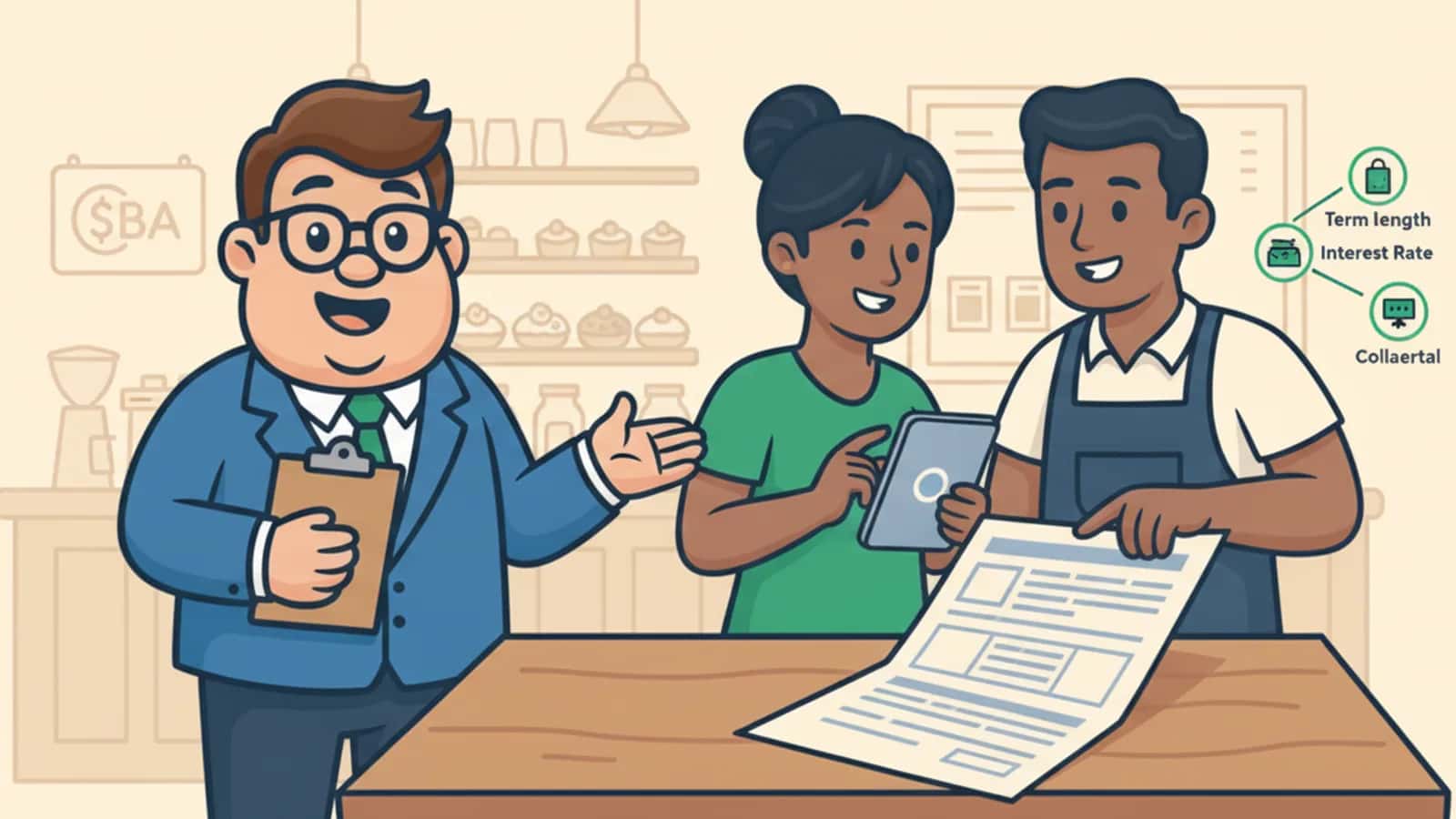
Business loan terms encompass the complete set of conditions that define your funding agreement, including interest rates, repayment schedules, loan amounts, collateral requirements, and eligibility criteria. The application process involves matching your business profile with appropriate lenders and submitting required documentation for approval.
Core loan terms include
- Interest rates: Annual percentage rates ranging from 6% to 40% depending on creditworthiness and lender type
- Repayment periods: Typically 3 months to 7 years for working capital loans
- Loan amounts: From $10,000 to $5 million based on revenue and business needs
- Collateral requirements: Personal guarantees, business assets, or unsecured options
- Eligibility criteria: Minimum revenue thresholds, trading history, and credit requirements
The application process starts with understanding what you might qualify for across different funding partners. A fast eligibility check with no hard credit pull helps business owners see realistic options before committing to formal applications.
Choose revenue-led matching if your business has consistent monthly revenue but limited collateral or perfect credit scores. Traditional bank applications work better for established businesses with strong credit profiles and time for lengthy approval processes.
Difference Between Standard and Special Business Loan Terms
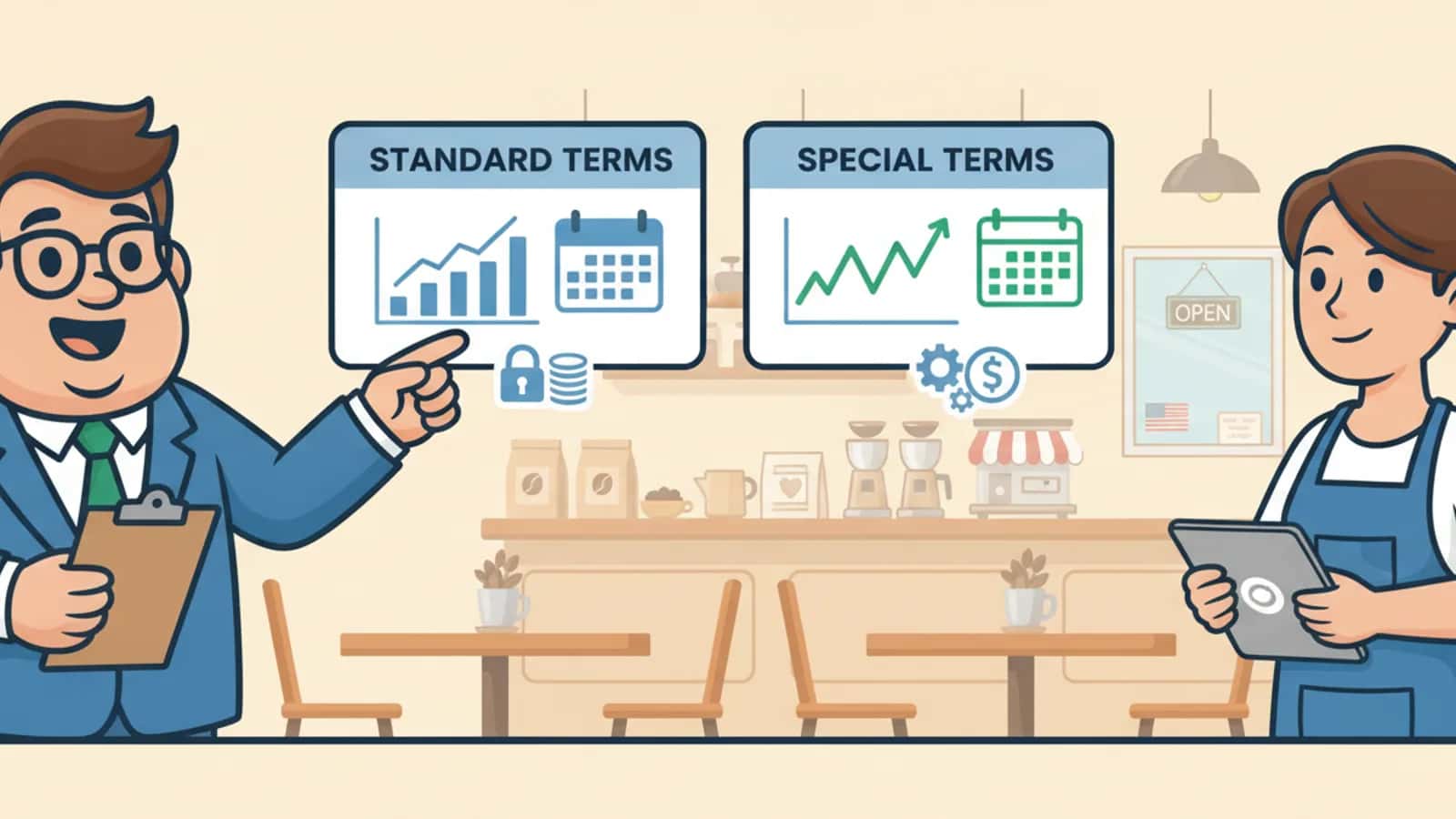
Standard business loan terms follow traditional banking criteria with fixed interest rates, monthly payments, and strict credit requirements. Special terms include revenue-based financing, merchant cash advances, and flexible repayment options designed for businesses that don't fit conventional lending boxes.
Standard Terms
- Fixed monthly payments over set periods
- Personal and business credit score minimums (typically 650+)
- Collateral or asset-based security requirements
- Detailed financial statement reviews
- Lower interest rates for qualified borrowers (6-15%)
Special Terms
- Daily or weekly payment options based on cash flow
- Revenue-based qualification with flexible credit criteria
- Faster approval processes (24-48 hours vs 30-90 days)
- Higher interest rates but more accessible approval (15-40%)
- Seasonal payment adjustments for cyclical businesses
The key difference lies in qualification criteria and payment flexibility. Standard terms favor established businesses with predictable finances, while special terms accommodate businesses with variable revenue or credit challenges.
Common mistake: Applying for standard terms when your business profile better fits special criteria wastes time and creates unnecessary credit inquiries.
How Much Does It Cost to Apply for Business Loan Terms
Most legitimate business loan applications cost nothing upfront. Reputable lenders and funding platforms charge no application fees, and initial eligibility checks should never require payment or hard credit pulls.
Typical cost structure
- Application fees: $0 for most legitimate lenders
- Origination fees: 1-6% of loan amount (built into funding)
- Processing fees: Usually included in loan terms
- Broker fees: Transparent disclosure required before proceeding
Red flags that signal potential scams
- Upfront application fees before approval
- Requests for payment to "guarantee" approval
- Pressure to pay processing fees via wire transfer
- No clear fee disclosure or hidden charges
Legitimate funding platforms like those offering US business funding operate on success-based models where fees are only collected after successful funding placement. The service remains free to use with no obligation to proceed.
Choose free eligibility checks first to understand your options before committing to any paid services or formal applications that might impact your credit profile.
Common Mistakes People Make When Applying for Business Loan Terms
The biggest mistake is applying for the wrong type of funding without understanding which terms match your business profile. Many owners waste months pursuing traditional bank loans when alternative lenders offer better approval odds and faster decisions.
Critical application mistakes:
- 1
Shotgun approach
Applying to multiple lenders simultaneously without strategy creates excessive credit inquiries
- 2
Incomplete documentation
Missing financial records delay approvals and signal poor business management
- 3
Overstating revenue
Inflated numbers get caught during verification and destroy credibility
- 4
Wrong loan type
Seeking long-term loans for short-term cash flow needs increases costs
- 5
Ignoring terms
Focusing only on approval without understanding repayment impact
Documentation errors that kill applications
- Bank statements that don't match stated revenue
- Missing business registration or EIN verification
- Personal financial information that contradicts business applications
- Unclear explanations for credit issues or revenue gaps
Smart strategy: Start with a no-obligation eligibility check to understand realistic options before formal applications. This approach prevents unnecessary credit pulls and identifies the best-fit lenders for your specific situation.
Edge case: Seasonal businesses should time applications during peak revenue periods and provide 12-month statements to show complete business cycles rather than applying during slow periods.
Who Should Definitely Apply for Business Loan Terms
US small businesses with consistent monthly revenue above $10,000, at least 6 months of trading history, and immediate funding needs for growth, inventory, or cash flow should explore business loan options. Revenue-led matching often provides approval paths even with imperfect credit.
Ideal candidates for business funding:
Construction companies needing equipment financing or project cash flow
- Monthly revenue: $15,000+
- Equipment purchases or payroll gaps between projects
- Seasonal revenue fluctuations managed through working capital
Retail businesses expanding inventory or managing seasonal demands
- Consistent sales history with growth potential
- Inventory financing for peak seasons
- Cash flow management between wholesale purchases and retail sales
Food service operations upgrading equipment or expanding locations
- Proven customer base and revenue streams
- Equipment financing for kitchen upgrades
- Working capital for new location launches
Transportation companies purchasing vehicles or managing fuel costs
- Commercial vehicle financing needs
- Cash flow for fuel, maintenance, and driver payments
- Fleet expansion opportunities
E-commerce businesses scaling marketing or inventory
- Online sales growth requiring inventory investment
- Marketing spend for customer acquisition
- Platform expansion or technology upgrades
Choose business loans if you need $10,000 to $5 million for specific business purposes and can demonstrate revenue that supports repayment obligations.
Who Probably Shouldn't Waste Time Applying for Business Loan Terms
Brand new businesses without trading history, companies with declining revenue trends, or owners seeking personal use funding should avoid business loan applications. These situations rarely meet lender criteria and create unnecessary credit inquiries.
Poor candidates for business funding:
Startup businesses without revenue history
- Less than 3 months of operations
- No established customer base or revenue patterns
- Better suited for personal loans or investor funding
Declining revenue businesses showing consistent downward trends
- Monthly revenue drops over 6+ months
- Market conditions causing permanent business model changes
- Better to address operational issues before seeking debt
Personal use funding disguised as business needs
- Debt consolidation for personal credit cards
- Home purchases or personal investments
- Personal expense coverage unrelated to business operations
Businesses with major compliance issues
- Tax liens or unresolved IRS problems
- Suspended business licenses or regulatory violations
- Bankruptcy proceedings or asset seizures in progress
Unrealistic funding expectations
- Seeking amounts far exceeding revenue capacity
- Expecting approval with no documentation or verification
- Demanding immediate funding without application processes
Better alternatives: Personal loans for individual needs, investor funding for startups, or operational improvements before debt financing for declining businesses.
Edge case: Businesses affected by temporary external factors (natural disasters, supply chain disruptions) may qualify for disaster loans with different criteria than standard business funding.
Are Online Business Loan Applications Legit or Should You Do It In Person
Online business loan applications through reputable platforms are legitimate and often provide faster, more efficient processes than in-person applications. The key is verifying platform credibility through business verification systems and transparent fee structures.
Advantages of online applications
- Faster processing with 24-48 hour decisions where available
- Access to multiple funding partners through single applications
- No geographic limitations or branch visit requirements
- Transparent comparison of terms across different lenders
- Digital document submission and tracking systems
Legitimacy verification checklist
- Secretary of State business entity lookup integration
- Clear fee disclosure with no upfront charges
- Multiple funding partner networks rather than single lender focus
- Business bank account verification requirements
- Transparent contact information and physical business addresses
In-person advantages
- Face-to-face relationship building with local banks
- Detailed explanation of complex financial situations
- Immediate document review and feedback
- Local market knowledge and community connections
Which is right for you?
Choose online applications if
you need fast decisions, want to compare multiple options efficiently, or operate outside major metropolitan areas with limited local lender options.
Choose in-person applications if
you have complex financial situations requiring detailed explanation, prefer relationship-based banking, or need extensive consultation on loan structuring.
Red flag: Online platforms requesting upfront fees, wire transfers, or sensitive information without proper business verification are likely fraudulent.
What Documents You Need Ready Before Applying
Business loan applications require financial documentation proving revenue, business legitimacy, and repayment capacity. Having complete records ready before starting applications significantly speeds approval processes and improves success rates.
Essential documentation for all applications:
Business verification documents
- Business registration certificate or Articles of Incorporation
- Federal EIN (Employer Identification Number)
- Business licenses and permits relevant to your industry
- Secretary of State registration confirmation
Financial records
- 3-6 months of business bank statements
- Profit and loss statements for the current year
- Balance sheets showing assets and liabilities
- Tax returns for the previous 1-2 years (business and personal)
Revenue documentation
- Monthly sales reports or revenue summaries
- Accounts receivable aging reports for B2B businesses
- Credit card processing statements for retail operations
- Contract documentation for service-based businesses
Additional documents that strengthen applications
- Business plan outlining funding use and repayment strategy
- Personal financial statements for guarantors
- Commercial lease agreements or property ownership documentation
- Insurance certificates showing business coverage
Industry-specific requirements
- Professional licenses for regulated industries
- Equipment appraisals for asset-based lending
- Inventory valuations for retail businesses
- Contract portfolios for construction or service companies
Preparation tip: Organize documents digitally before starting applications. Most online platforms accept PDF uploads, and having files ready prevents delays during the application process.
How Long Does a Typical Business Loan Application Process Take
Business loan application timelines vary dramatically between lender types, ranging from 24-48 hours for alternative lenders to 30-90 days for traditional banks. Fast eligibility checks provide initial answers within minutes, helping business owners focus on realistic options.
Timeline comparison by lender type:
Alternative Lenders
- Initial Response
- 24-48 hours
- Full Approval
- 3-7 days
- Funding
- 1-3 days
Online Platforms
- Initial Response
- Minutes (eligibility)
- Full Approval
- 2-5 days
- Funding
- 1-2 days
Traditional Banks
- Initial Response
- 1-2 weeks
- Full Approval
- 30-90 days
- Funding
- 3-7 days
SBA Loans
- Initial Response
- 2-4 weeks
- Full Approval
- 60-120 days
- Funding
- 7-14 days
Factors affecting approval speed
- Complete documentation submission reduces delays
- Business verification through Secretary of State systems
- Clear revenue documentation matching stated amounts
- Responsive communication during underwriter questions
- Straightforward funding requests without complex structuring
Fast-track strategies
- Start with no-obligation eligibility checks to identify best-fit lenders
- Prepare complete documentation packages before formal applications
- Choose revenue-based matching for faster approval processes
- Respond immediately to underwriter requests for additional information
Common delays
- Incomplete financial documentation requiring multiple submissions
- Business verification issues or outdated registration information
- Personal credit report discrepancies needing resolution
- Complex business structures requiring additional legal review
Choose faster options if you need working capital for immediate opportunities or cash flow gaps that can't wait for lengthy bank processes.
Can You Apply for Business Loans If You Have Bad Credit
Yes, businesses with bad personal credit can still qualify for funding through revenue-based matching and alternative lenders who prioritize business performance over personal credit scores. Many successful applications come from business owners with credit challenges but strong revenue streams.
Bad credit qualification strategies:
Revenue-first approach
- Demonstrate consistent monthly business revenue above $10,000
- Provide 6+ months of business bank statements showing stability
- Focus on business cash flow rather than personal credit history
- Highlight business growth trends and customer retention
Alternative credit factors
- Business bank account history and management
- Industry experience and operational track record
- Asset-based collateral or inventory values
- Strong business references and customer relationships
Credit score impact by lender type
- Traditional banks: Typically require 650+ personal credit scores
- Alternative lenders: May approve with scores as low as 500-550
- Revenue-based lenders: Focus primarily on business performance
- Asset-based lenders: Emphasize collateral over credit scores
Improvement strategies while applying
- Pay down existing credit balances to improve utilization ratios
- Resolve any outstanding collections or judgments
- Establish business credit separate from personal credit
- Consider secured credit cards to rebuild credit history
Common approval factors despite bad credit
- Monthly revenue exceeding $15,000 consistently
- Business operating profitably for 12+ months
- Industry experience demonstrating management competence
- Clear explanation of credit issues with resolution plans
Edge case: Businesses with recent bankruptcy but strong post-filing revenue may qualify through specialized lenders who focus on current business performance rather than past personal financial difficulties.
Step by Step Guide to Applying for Business Loan Terms
The most efficient approach starts with a fast eligibility check to understand realistic options before formal applications. This strategy prevents unnecessary credit inquiries and focuses effort on lenders likely to approve your specific business profile.
- 1
Step 1: Business Readiness Assessment
- Verify business registration through Secretary of State lookup
- Confirm EIN and business bank account are properly established
- Gather 3-6 months of financial documentation
- Calculate monthly revenue averages and identify funding needs
- 2
Step 2: Fast Eligibility Check
- Complete no-obligation eligibility assessment with no hard credit pull
- Provide basic business information: revenue, industry, time in business
- Review initial funding options and terms across multiple partners
- Identify best-fit lenders based on your business profile
- 3
Step 3: Documentation Preparation
- Organize business bank statements showing consistent revenue
- Prepare profit and loss statements for current year
- Gather business registration and licensing documentation
- Compile tax returns and personal financial information for guarantors
- 4
Step 4: Formal Application Submission
- Choose 1-2 best-fit lenders from eligibility results
- Submit complete applications with all required documentation
- Respond promptly to any underwriter requests for additional information
- Track application status through online portals where available
- 5
Step 5: Terms Review and Decision
- Compare approved offers including interest rates and repayment terms
- Review all fees and charges before accepting any funding
- Understand repayment schedules and impact on business cash flow
- Accept terms only when confident in repayment capacity
- 6
Step 6: Funding and Implementation
- Complete final verification and funding documentation
- Receive funds typically within 1-3 business days of acceptance
- Implement funding use plan for intended business purposes
- Establish repayment tracking and cash flow management systems
Critical success factor: Starting with platforms that offer smart matching and flexible criteria helps business owners avoid wasted time on inappropriate lenders and focus on realistic approval opportunities.
What Happens If Your Business Loan Application Gets Rejected
Loan rejection isn't permanent failure but provides valuable information for improving future applications. Most rejections stem from fixable issues like incomplete documentation, wrong lender fit, or timing problems rather than fundamental business disqualification.
Common rejection reasons and solutions:
Insufficient revenue documentation
- Solution: Provide complete bank statements showing consistent deposits
- Timeline: Reapply within 30 days with proper documentation
- Prevention: Use eligibility checks to verify revenue requirements before formal applications
Credit score below lender thresholds
- Solution: Focus on revenue-based lenders with flexible credit criteria
- Timeline: Improve credit over 3-6 months or seek alternative lenders immediately
- Prevention: Understand each lender's credit requirements before applying
Incomplete business verification
- Solution: Update business registration and licensing documentation
- Timeline: Resolve within days and reapply to same lender
- Prevention: Verify Secretary of State registration before applications
Wrong loan type for business needs
- Solution: Reassess funding requirements and match with appropriate products
- Timeline: Immediate reapplication with different loan structure
- Prevention: Understand various funding options before choosing application type
Post-rejection strategy:
- Request specific rejection reasons from lenders
- Address identified issues before new applications
- Wait 30-60 days between applications to same lenders
- Consider working with funding platforms that pre-qualify applications
- Focus on lenders specializing in your business type or situation
Rejection doesn't affect future eligibility if you address underlying issues and apply to appropriate lenders. Many successful business owners receive funding after initial rejections by matching with better-fit lending partners.
Alternative options after rejection
- Revenue-based financing with different qualification criteria
- Equipment financing for specific asset purchases
- Invoice factoring for accounts receivable funding
- Business credit cards for smaller working capital needs
Comparison: Traditional Banks vs Alternative Lenders
| Factor | Traditional Banks | Alternative Lenders |
|---|---|---|
| Approval Speed | 30-90 days | 24-48 hours |
| Documentation | Extensive financial records | Streamlined bank statements |
| Credit Requirements | 650+ personal score | 500+ with strong revenue |
| Loan Amounts | $50K-$5M+ | $10K-$2M |
| Interest Rates | 6-15% | 15-40% |
| Collateral | Often required | Revenue-based options |
| Relationship Focus | Long-term banking | Transaction-focused |
Next steps for terms and how to apply
Understanding business loan terms and how to apply successfully requires matching your business profile with appropriate lenders and preparing complete documentation before formal applications. The most efficient approach starts with fast eligibility checks that show realistic options without hard credit pulls, helping business owners focus on lenders likely to approve their specific situations.
Revenue-based matching through platforms offering flexible criteria often provides better approval odds than traditional bank applications, especially for businesses with strong cash flow but imperfect credit. The key is avoiding shotgun applications that waste time and create unnecessary credit inquiries.
Ready to understand what your business might qualify for? Start with a fast eligibility check with no hard credit pull to see realistic funding options across multiple US funding partners. The process takes minutes, costs nothing, and provides clarity on terms and amounts before committing to formal applications.
Further reading
Frequently asked questions
What Exactly Are Business Loan Terms and How Do You Apply?
Business loan terms encompass the complete set of conditions that define your funding agreement, including interest rates, repayment schedules, loan amounts, collateral requirements, and eligibility criteria. The application process involves matching your business profile with appropriate lenders and submitting required documentation for approval.
How Much Does It Cost to Apply for Business Loan Terms?
Most legitimate business loan applications cost nothing upfront. Reputable lenders and funding platforms charge no application fees, and initial eligibility checks should never require payment or hard credit pulls.
Who Should Definitely Apply for Business Loan Terms?
US small businesses with consistent monthly revenue above $10,000, at least 6 months of trading history, and immediate funding needs for growth, inventory, or cash flow should explore business loan options. Revenue-led matching often provides approval paths even with imperfect credit.
Who Probably Shouldn't Waste Time Applying for Business Loan Terms?
Brand new businesses without trading history, companies with declining revenue trends, or owners seeking personal use funding should avoid business loan applications. These situations rarely meet lender criteria and create unnecessary credit inquiries.
Are Online Business Loan Applications Legit or Should You Do It In Person?
Online business loan applications through reputable platforms are legitimate and often provide faster, more efficient processes than in-person applications. The key is verifying platform credibility through business verification systems and transparent fee structures.
What Documents You Need Ready Before Applying?
Business loan applications require financial documentation proving revenue, business legitimacy, and repayment capacity. Having complete records ready before starting applications significantly speeds approval processes and improves success rates.
Written by
The Funding Fred Editorial Team creates plain-English guides to help business owners understand funding options, eligibility, and application readiness before they compare finance options.