Business Credit Cards with Bad Credit: What UK Businesses Can Realistically Expect
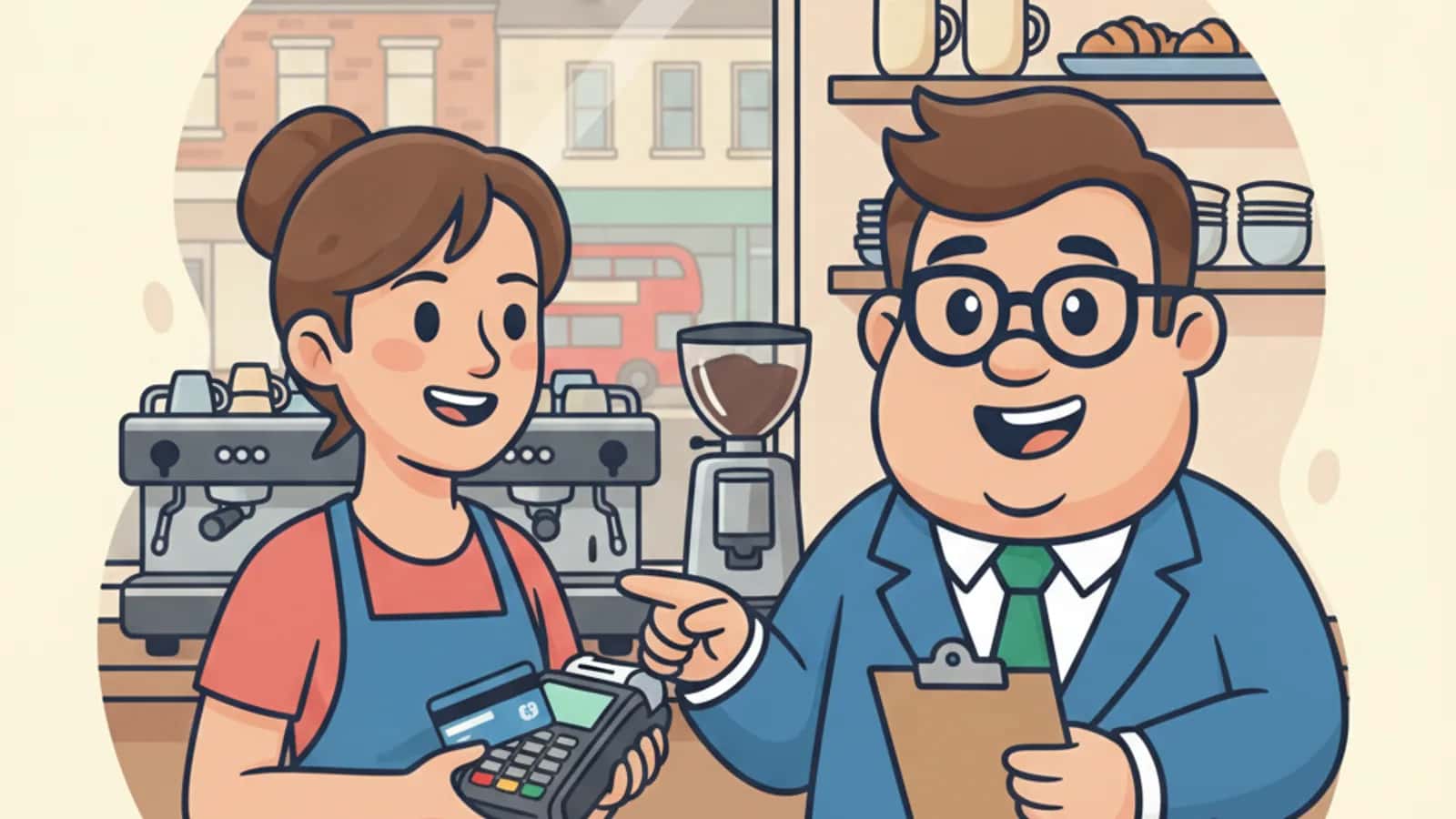
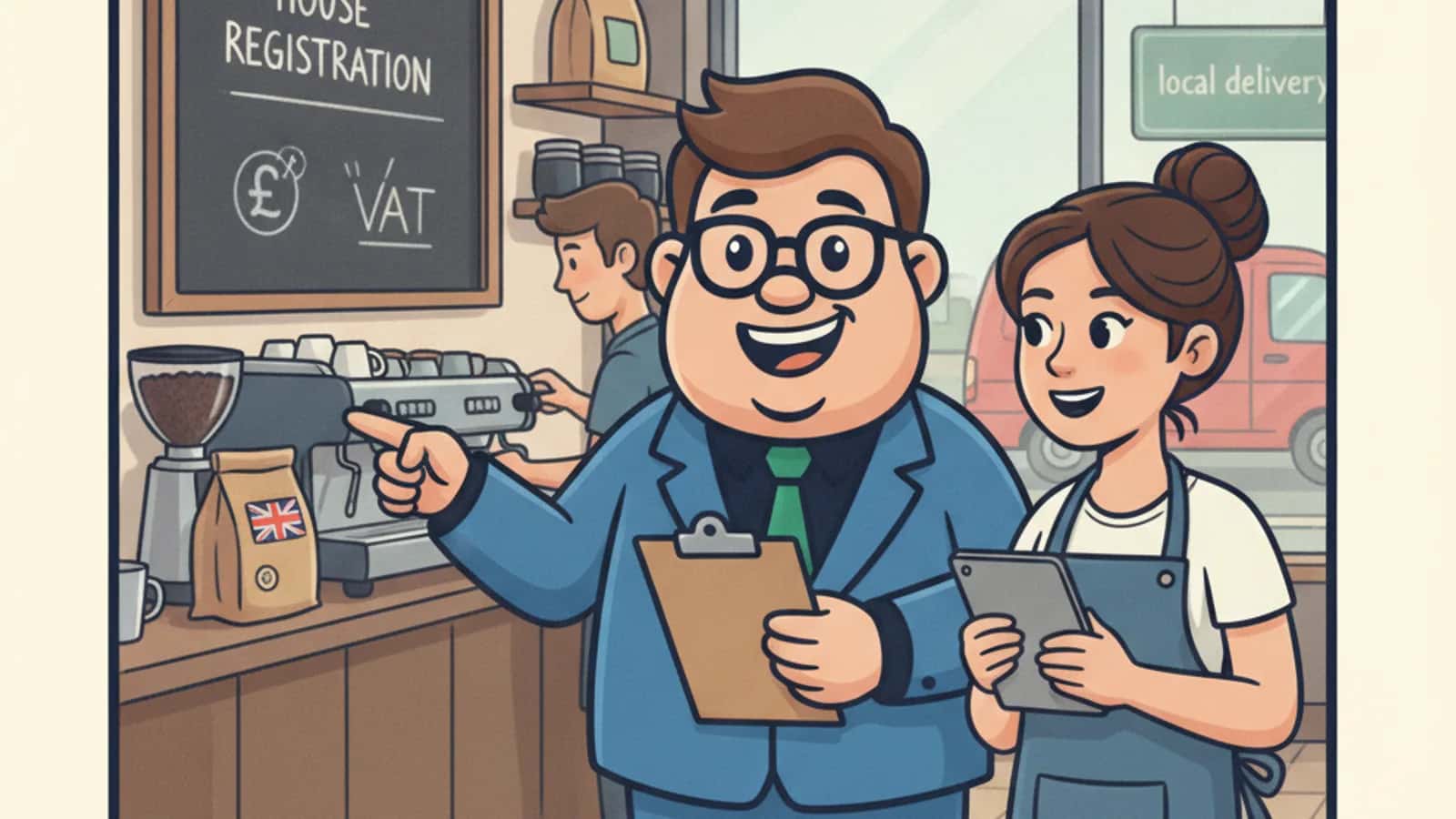
UK businesses with bad credit can access business credit cards, but the options are narrower, the limits lower, and the costs higher than for businesses with a clean credit history. Secured cards, fintech providers, and specialist lenders are the most realistic routes.
Quick answer
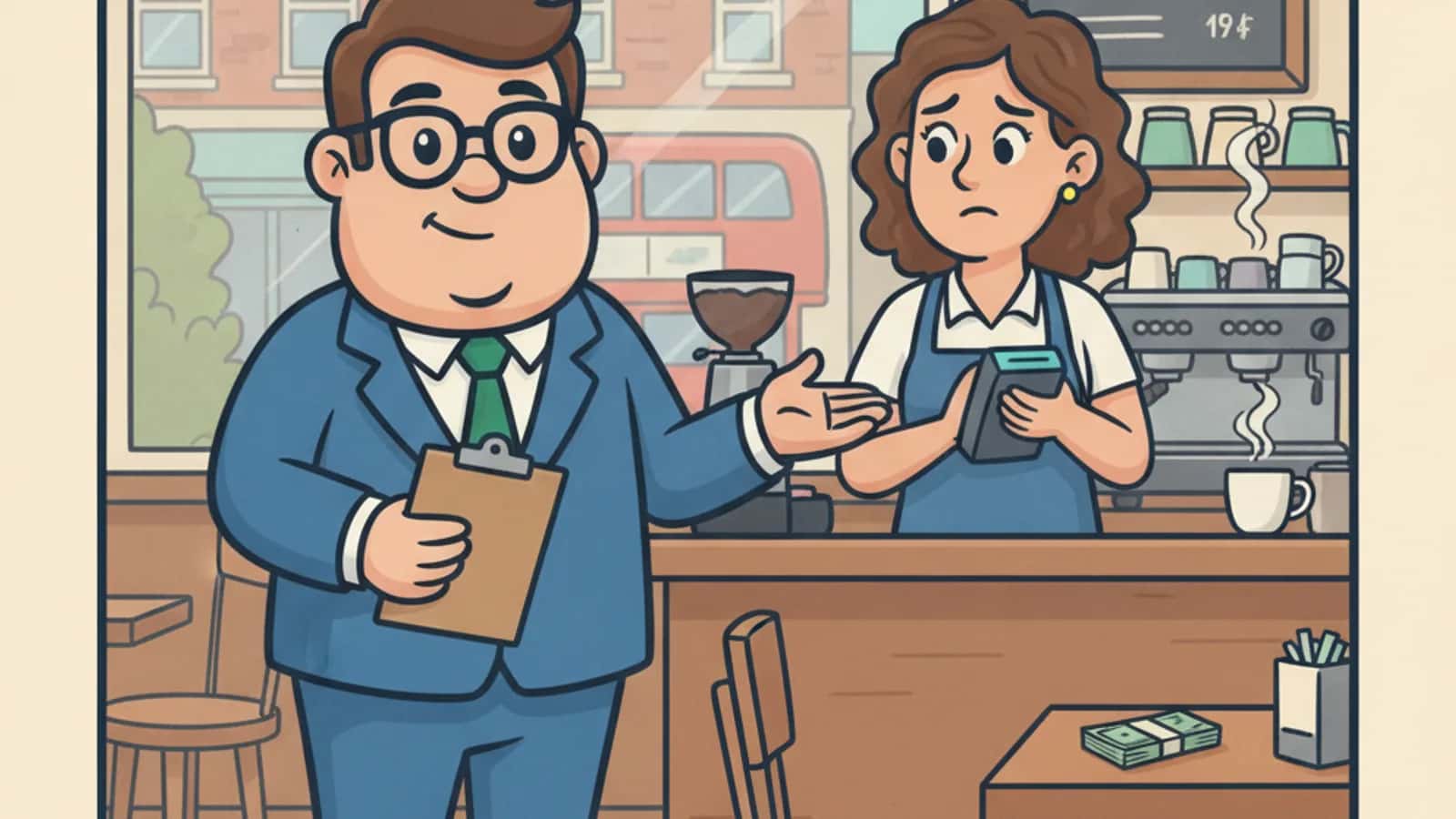
UK businesses with bad credit can access business credit cards, but the options are narrower, the limits lower, and the costs higher than for businesses with a clean credit history. Secured cards, fintech providers, and specialist lenders are the most realistic routes. Approval is possible, but what you get approved for depends heavily on whether the damage is on your business credit file, your personal credit file, or both.
Key takeaways
- Bad credit doesn't automatically block access to a business credit card, but it does reduce your options and typically raises costs
- Personal credit history matters for sole traders and directors of small limited companies, lenders often check both files
- Secured business credit cards require a deposit but are one of the most accessible routes for businesses with adverse credit
- Typical credit limits for bad credit business cards range from £500 to £5,000 initially, though some fintech providers offer higher limits based on trading data
- Interest rates on bad credit business cards are often between 30% and 60% APR, some charge monthly fees instead
- A 2-minute eligibility check with no hard credit search is a low-risk way to see what's available before committing to a full application
- Using a business credit card responsibly over 6 to 12 months can meaningfully improve your business credit score
- Funding Fred's initial eligibility check is separate from any card provider's full application and credit assessment, checking eligibility does not guarantee approval or a specific limit
What Is Considered Bad Credit for a Business in the UK?
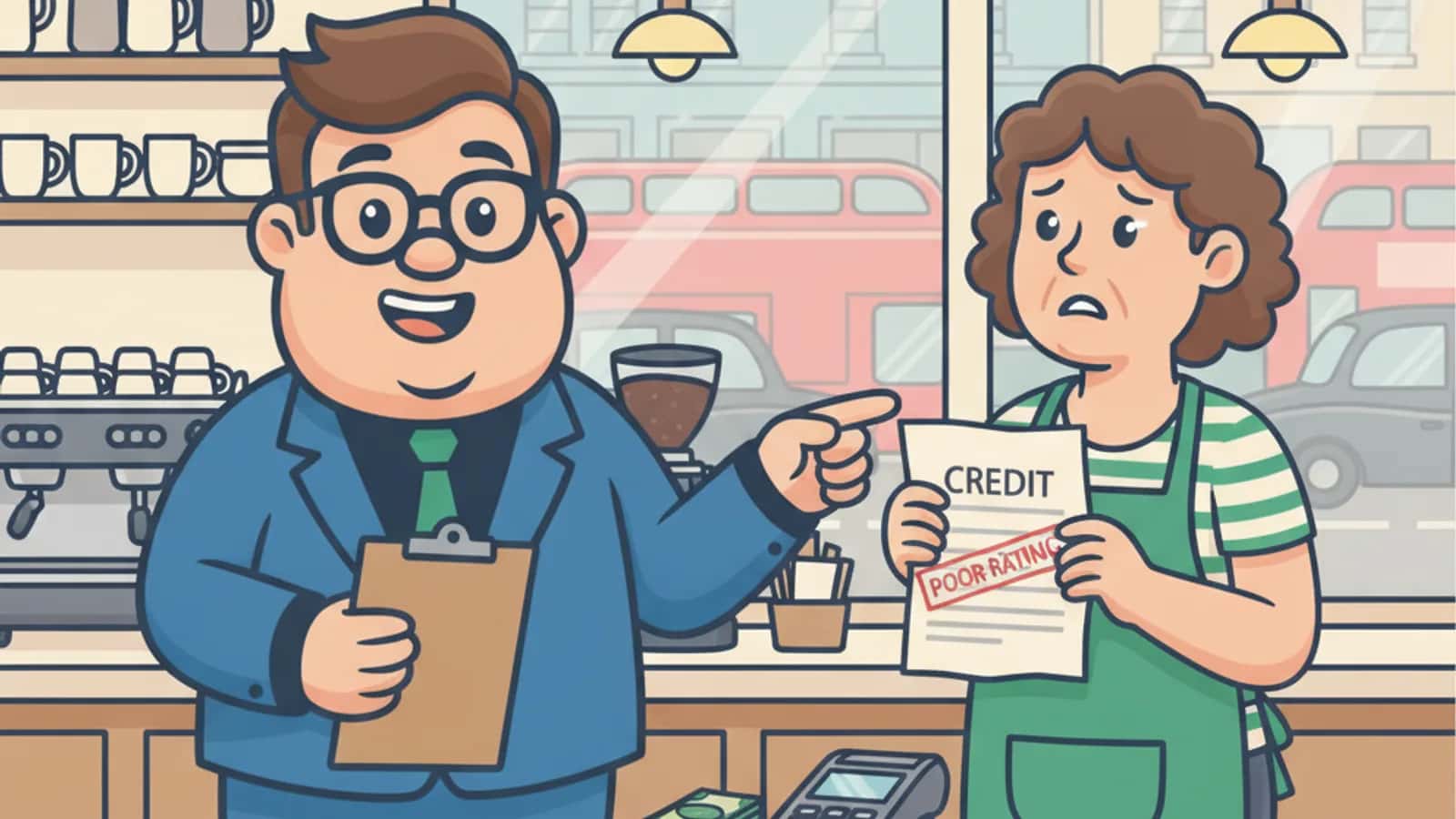
Bad credit for a UK business typically means a history of late payments, defaults, County Court Judgements (CCJs), or insolvency on either the business credit file or the director's personal credit file. Credit reference agencies such as Experian, Equifax, and Creditsafe each score businesses differently, but common red flags include CCJs registered at Companies House, overdue accounts with suppliers, and a thin or non-existent trading history.
For a limited company, the business credit file is separate from the director's personal file. But for sole traders, and for many small limited companies where a director is asked to give a personal guarantee, lenders look at both. A business with a low Experian Business Score (below 30 out of 100, for example) or a director with a personal credit score in the "poor" band (typically below 560 on Experian's scale) will face more scrutiny.
Common causes of bad business credit
- Missed or late payments to suppliers or lenders
- CCJs against the business or its directors
- Previous business insolvency or a dissolved company with unpaid debts
- High credit utilisation on existing facilities
- No credit history at all (a new company or one that has never borrowed)
Can I Get a Business Credit Card with Bad Credit History?
Yes, but the honest answer about business credit cards with bad credit is that what UK businesses can realistically expect is a smaller pool of providers, stricter terms, and lower initial limits. High street banks are the least flexible. Fintech providers and specialist card issuers are more likely to approve applications from businesses with adverse credit, often using open banking data or trading history rather than relying solely on a credit score.
The key is to match your application to providers who are built for this situation, rather than applying to a standard bank card and collecting hard search rejections that further damage your score.
Options worth exploring
- Secured business credit cards (deposit-backed)
- Prepaid business cards with credit-building features
- Fintech business cards that assess eligibility based on revenue and cash flow
- Specialist bad credit business card providers
Check eligibility across leading card providers with a 2-minute check and no hard credit search to start.
How Does Bad Personal Credit Affect Business Credit Card Applications?
For sole traders, personal and business credit are effectively the same thing, there is no legal separation. For limited company directors, the business has its own credit file, but most card providers will still run a check on the director's personal credit as part of their assessment, particularly for smaller companies without a long trading history.
A personal CCJ, a history of missed personal loan payments, or a recent bankruptcy will reduce your chances with most mainstream providers. Some fintech card issuers place less weight on personal credit history if the business itself shows healthy revenue and cash flow through open banking data.
Practical rule: If your personal credit is the main issue, focus on providers who use trading data as a primary signal. If both your personal and business credit are poor, a secured card is likely your most realistic starting point.
What Credit Score Do I Actually Need for a UK Business Credit Card?
There is no single universal minimum score. Each provider sets its own criteria, and many do not publish their exact thresholds. As a general guide:
| Credit Profile | Likely Outcome |
|---|---|
| Business score 50+, clean director credit | Most mainstream cards accessible |
| Business score 30-50, minor personal issues | Some mainstream cards, most fintech options |
| Business score below 30, director CCJs or defaults | Secured cards, specialist providers only |
| No business credit history, clean personal credit | Fintech and some mainstream options |
| No business history, poor personal credit | Secured cards most realistic |
The scores above are illustrative. Actual provider thresholds vary and are not publicly disclosed. What matters more than hitting a specific number is reducing the number of negative markers on both files before applying.
Are There Business Credit Cards with No Credit Check in the UK?
No card provider in the UK offers a true business credit card with absolutely no credit check, any regulated lender extending credit must carry out some form of creditworthiness assessment under FCA rules. What does exist is a distinction between a soft check (which does not affect your credit score and is not visible to other lenders) and a hard check (which does appear on your file).
Funding Fred's initial eligibility check uses a soft search only. No hard check to start. The full application with a card provider will typically involve a hard search, so it's worth doing the soft check first to understand which providers are realistic before triggering a hard inquiry.
Some prepaid business cards do not require a credit check at all, but these are not credit cards, you load money onto them rather than borrowing. They can help with spend control and expense management, but they do not build credit history.
For businesses that need funding but cannot access a card right now, business loans with no credit check and invoice financing for businesses with poor credit history are worth considering alongside card options.
What's the Difference Between Secured and Unsecured Business Credit Cards for Bad Credit?
A secured business credit card requires you to deposit money upfront, typically equal to your credit limit. The deposit acts as collateral, which is why providers are willing to approve applicants with poor credit. An unsecured card requires no deposit but relies on creditworthiness alone.
Secured business credit cards
- Require a deposit (often £500 to £5,000)
- Lower risk for the provider, so easier to approve
- Deposit is usually held in a separate account and returned when the account is closed in good standing
- Limits are tied to the deposit amount initially
- Good for rebuilding credit because payment history is reported to credit reference agencies
Unsecured business credit cards for bad credit
- No deposit required
- Higher APR to compensate for the lender's risk
- Lower initial limits than equivalent cards for good-credit businesses
- Some fintech providers offer these based on revenue data rather than credit scores
Choose secured if: your credit history is seriously damaged and you want the most accessible route. Choose unsecured if: your credit issues are minor or historic, and you have strong trading data to support your application.
How Much Can I Realistically Borrow on a Bad Credit Business Card?
This is one of the most common questions around business credit cards with bad credit, and what UK businesses can realistically expect is an initial limit that feels frustratingly low. For secured cards, the limit equals your deposit, often £500 to £2,000 to start. For unsecured bad credit business cards, initial limits of £1,000 to £5,000 are common.
Some fintech providers assess limits based on monthly revenue rather than credit score alone. A business turning over £30,000 to £50,000 per month may access limits of £10,000 to £25,000 even with a patchy credit history, because the provider can see cash flow data directly through open banking.
Limits can increase over time. Most providers review limits after 6 to 12 months of responsible use. If you need higher limits from day one, comparing options across leading card providers is the fastest way to see what's available for your specific situation.
What Fees and Interest Rates Should I Expect?
Bad credit business cards cost more. That's the honest picture. Interest rates on bad credit business cards in the UK typically range from 30% to 60% APR for unsecured options, compared to 20% to 30% APR on standard business credit cards. Some providers charge a monthly or annual fee instead of a high APR, which can work out cheaper if you pay the balance in full each month. For the supporting detail, see the essentials of business credit cards in the UK.
Common fees to check
- Annual or monthly card fee (£0 to £150+ per year depending on provider)
- Late payment fee (typically £12 to £25)
- Foreign transaction fee (1% to 3% on purchases abroad)
- Cash advance fee (often 3% to 5%, plus immediate interest with no interest-free period)
- Additional cardholder fee for employee cards
Up to 56 days interest-free applies on some cards if you clear the balance in full each statement period, this can make the headline APR largely irrelevant for businesses that manage cash flow well. But if you carry a balance, the rate matters significantly.
Note: card fees and interest charges are generally deductible as business expenses, but the tax treatment of the underlying purchase is separate. Speak to your accountant for advice specific to your situation.
Do I Need a Guarantor for a Business Credit Card with Bad Credit?
Most business credit card applications do not require a named guarantor in the traditional sense. What they may require is a personal guarantee from a company director, which means the director becomes personally liable for the debt if the business cannot pay.
Personal guarantees on business credit cards are more common when:
- The business is a limited company with less than 2 years of trading history
- The business has a low credit score or adverse credit markers
- The limit requested is above a certain threshold
For sole traders, there is no distinction between personal and business liability anyway.
If you want to understand personal guarantees in more depth before signing anything, the guide on personal guarantees on business loans covers what you're agreeing to and when it's worth negotiating.
Can I Get a Business Credit Card If My Company Is New with No Credit History?
A new company with no credit history is in a different position from one with actively bad credit, but it faces similar practical barriers. Most high street banks want to see at least 12 to 24 months of trading history before approving a business credit card. Fintech providers are more flexible, often approving new businesses based on the director's personal credit score and projected or early-stage revenue.
Realistic options for new businesses
- Fintech business cards that accept applications from companies under 12 months old
- Secured business credit cards (deposit removes the trading history requirement)
- Cards tied to a business current account (some challenger banks offer cards from day one)
A clean personal credit history helps significantly for new companies. If the director's personal credit is also poor, a secured card or prepaid card is the most realistic starting point while the business builds its own credit file.
Will Getting a Business Credit Card Help Improve My Bad Credit Score?
Yes, used responsibly, a business credit card is one of the most practical tools for rebuilding both business and personal credit. Payment history is the single biggest factor in most credit scoring models. Making payments on time, every month, creates a positive track record that credit reference agencies pick up over time.
What helps your score
- Paying the statement balance on time every month
- Keeping credit utilisation below 30% of your limit
- Not applying for multiple cards in a short period
- Keeping the account open and active over time
What hurts your score
- Missing payments or paying late
- Maxing out the card consistently
- Applying for several cards at once (multiple hard searches)
For a full breakdown of how business credit scoring works and what lenders actually look at, the business credit score guide covers the detail.
How Long Does It Take to Rebuild Business Credit with a Credit Card?
Most businesses start to see measurable improvement in their credit score within 6 to 12 months of consistent, on-time payments. Significant improvement, enough to access mainstream card products with better limits and lower rates, typically takes 12 to 24 months.
The timeline depends on what's dragging the score down. A CCJ stays on a business credit file for 6 years. Defaults typically remain for 6 years too. But the negative weight of these markers reduces over time, and positive payment history on a new card can offset their impact faster than many businesses expect. For more detail, see our guide to business credit cards for new businesses.
The practical approach: get the most accessible card available now, use it for regular business spend, pay it in full each month, and review your options again after 12 months.
Next steps for business credit cards with bad credit what uk businesses can realistically expec
Business credit cards with bad credit: what UK businesses can realistically expect is not a closed door, but it is a narrower one. High street banks will often say no. Fintech providers and specialist card issuers are more flexible. Secured cards are the most accessible starting point for businesses with serious adverse credit. Initial limits will be lower than you'd like, and rates will be higher than you'd prefer.
The practical path forward is straightforward: do a soft eligibility check first to see what's available without damaging your score further, match your application to providers who work with your credit profile, use the card consistently and responsibly, and review your options again in 12 months. For a more detailed explanation, see business credit card eligibility in the UK in more detail.
If a card alone isn't enough for your working capital needs right now, it's worth comparing alternatives. Invoice financing for businesses with poor credit and understanding the difference between a business overdraft, line of credit, and loan can help you build a fuller picture of what's available.
Business Credit Cards. Without the Fuss. Run a 2-minute check with no obligation and no hard search to start. See which leading card providers match your business, limits from £1k to £250k+, virtual cards, employee cards, cashback, and up to 56 days interest-free. Check Eligibility Now.
Frequently asked questions
What Is Considered Bad Credit for a Business in the UK?
Bad credit for a UK business typically means a history of late payments, defaults, County Court Judgements (CCJs), or insolvency on either the business credit file or the director's personal credit file. Credit reference agencies such as Experian, Equifax, and Creditsafe each score businesses differently, but common red flags include CCJs registered at Companies House, overdue accounts with suppliers, and a thin or non-existent trading history.
Can I Get a Business Credit Card with Bad Credit History?
Yes, but the honest answer about business credit cards with bad credit is that what UK businesses can realistically expect is a smaller pool of providers, stricter terms, and lower initial limits. High street banks are the least flexible. Fintech providers and specialist card issuers are more likely to approve applications from businesses with adverse credit, often using open banking data or trading history rather than relying solely on a credit score.
How Does Bad Personal Credit Affect Business Credit Card Applications?
For sole traders, personal and business credit are effectively the same thing, there is no legal separation. For limited company directors, the business has its own credit file, but most card providers will still run a check on the director's personal credit as part of their assessment, particularly for smaller companies without a long trading history.
What Credit Score Do I Actually Need for a UK Business Credit Card?
There is no single universal minimum score. Each provider sets its own criteria, and many do not publish their exact thresholds. As a general guide:
Are There Business Credit Cards with No Credit Check in the UK?
No card provider in the UK offers a true business credit card with absolutely no credit check, any regulated lender extending credit must carry out some form of creditworthiness assessment under FCA rules. What does exist is a distinction between a soft check (which does not affect your credit score and is not visible to other lenders) and a hard check (which does appear on your file).
What's the Difference Between Secured and Unsecured Business Credit Cards for Bad Credit?
A secured business credit card requires you to deposit money upfront, typically equal to your credit limit. The deposit acts as collateral, which is why providers are willing to approve applicants with poor credit. An unsecured card requires no deposit but relies on creditworthiness alone.
Written by
The Funding Fred Editorial Team creates plain-English guides to help business owners understand funding options, eligibility, and application readiness before they compare finance options.
Reviewed by
UK business finance content reviewer
Robert reads our UK business finance guides before they go live, checking each one is accurate, easy to follow, and reflects how lending actually works today — not how a brochure says it should. He's listed on the FCA Register, approved as an SMF3 (AR) Executive Director at Switcha Limited, and connected to Lucky Growth Partners Ltd through its appointed representative relationship, so the regulated detail gets a properly qualified second read.