
Asset Finance. Without the Fuss.
Vehicle, equipment, and machinery finance explained — compare deposits, repayments, ownership, and cash-flow impact before you fund your next asset.
Asset finance explained
Use these guides to understand how vehicle, equipment, and machinery finance can affect deposits, monthly repayments, ownership, and cash flow — and which structure fits your business.
What to compare before you finance an asset
Finance type
Hire purchase, finance lease, and operating lease each treat ownership, your balance sheet, and end-of-term options differently.
Deposit & monthly cost
A larger deposit lowers monthly payments — weigh the upfront outlay against the impact on cash flow.
Ownership at the end
Decide whether you want to own the asset outright, hand it back, or upgrade when the term ends.
Asset lifespan vs term
Match the agreement length to how long the asset will stay useful and productive.
VAT & tax treatment
Check what maintenance is included and how VAT and tax relief apply to your chosen finance type.
Latest guides

Implements and Seasonal Repayments: Asset Finance for Agricultural Equipment in 2026
Implements and seasonal repayments combine agricultural equipment financing with payment schedules that match farming cash flow cycles. This structure allows farmers to make smaller payments during off-season months and larger payments when harvest income arrives, typically covering 50-85% of implement costs with terms up to 60 months.

Asset Finance for Startups in the UK: Can New Businesses with No Trading History Still Qualify?
Yes, startups with no trading history can qualify for asset finance in the UK. Specialist lenders assess the asset's value, the director's personal credit history, and the strength of the business plan — not just years of filed accounts.
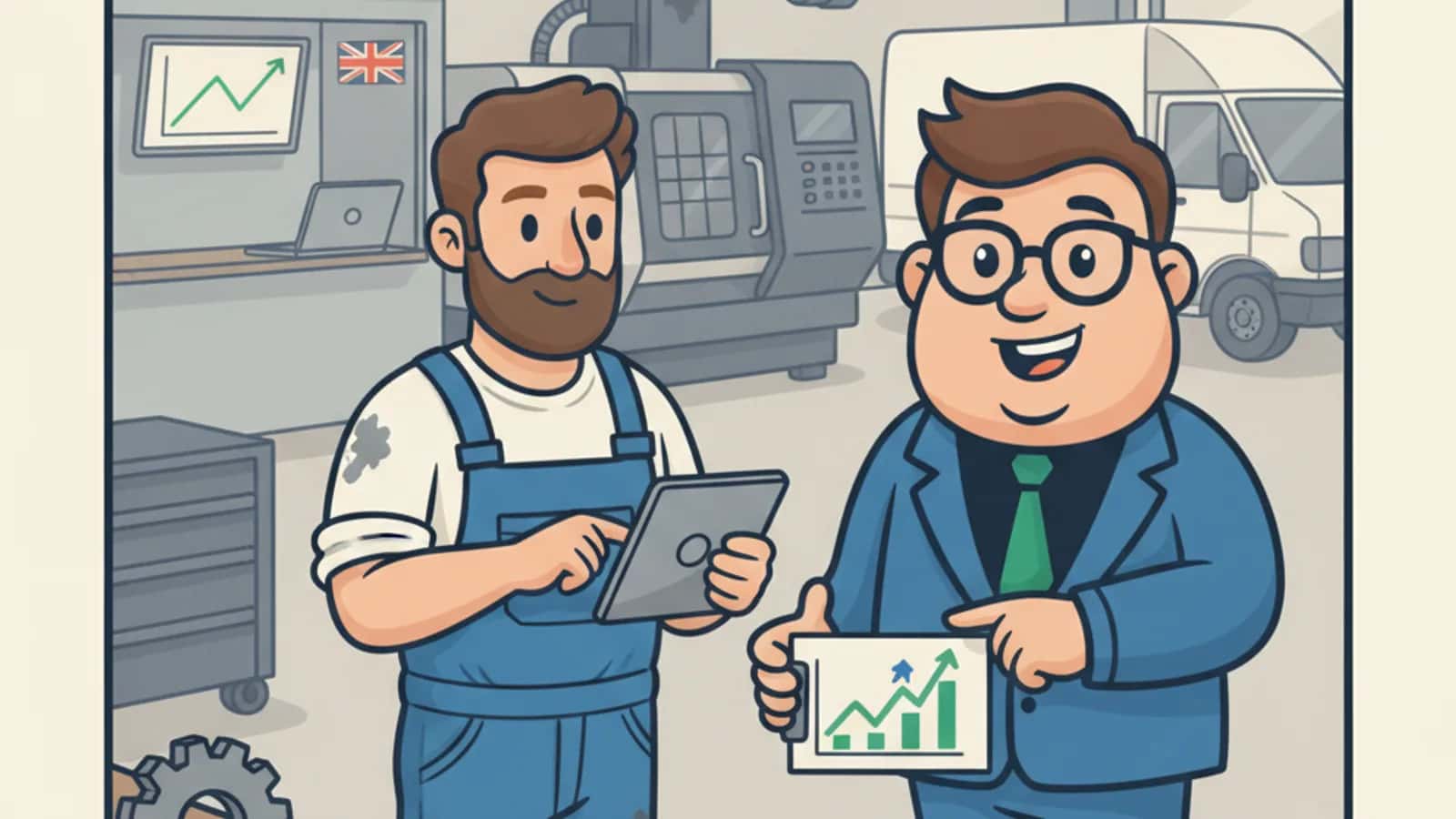
Refinancing Asset Finance in the UK: When and How to Switch Providers for Better Terms
Refinancing asset finance in the UK means replacing an existing equipment or vehicle finance agreement with a new one — usually to cut monthly costs, release cash, or consolidate multiple deals. It works for hire purchase, finance lease, and similar products.
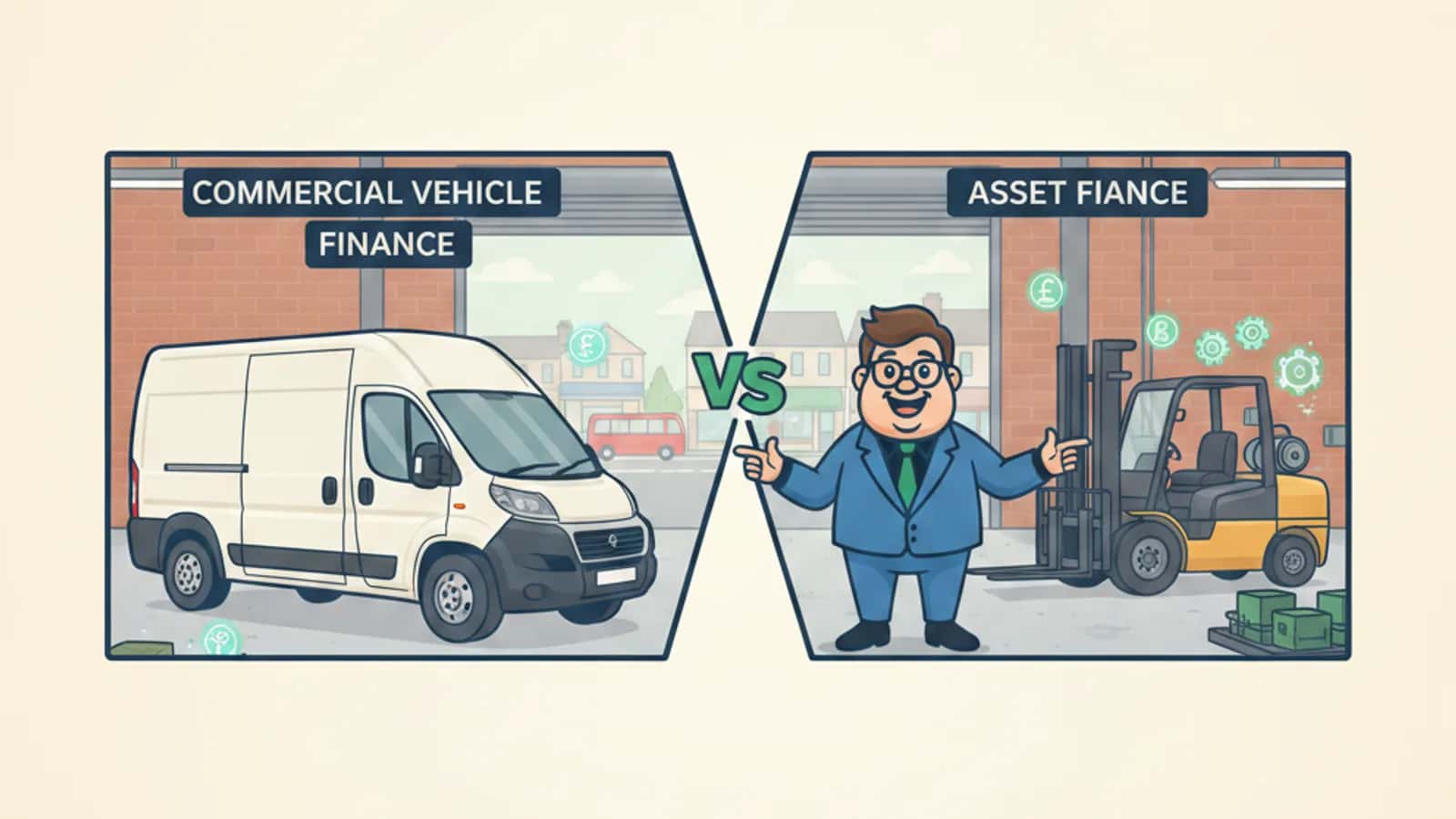
Commercial Vehicle Finance vs Asset Finance: Key Differences for UK Van and Fleet Buyers
Commercial vehicle finance is a specific type of asset finance designed for vans, trucks, and fleet vehicles. The broader asset finance category also covers plant, machinery, and equipment.
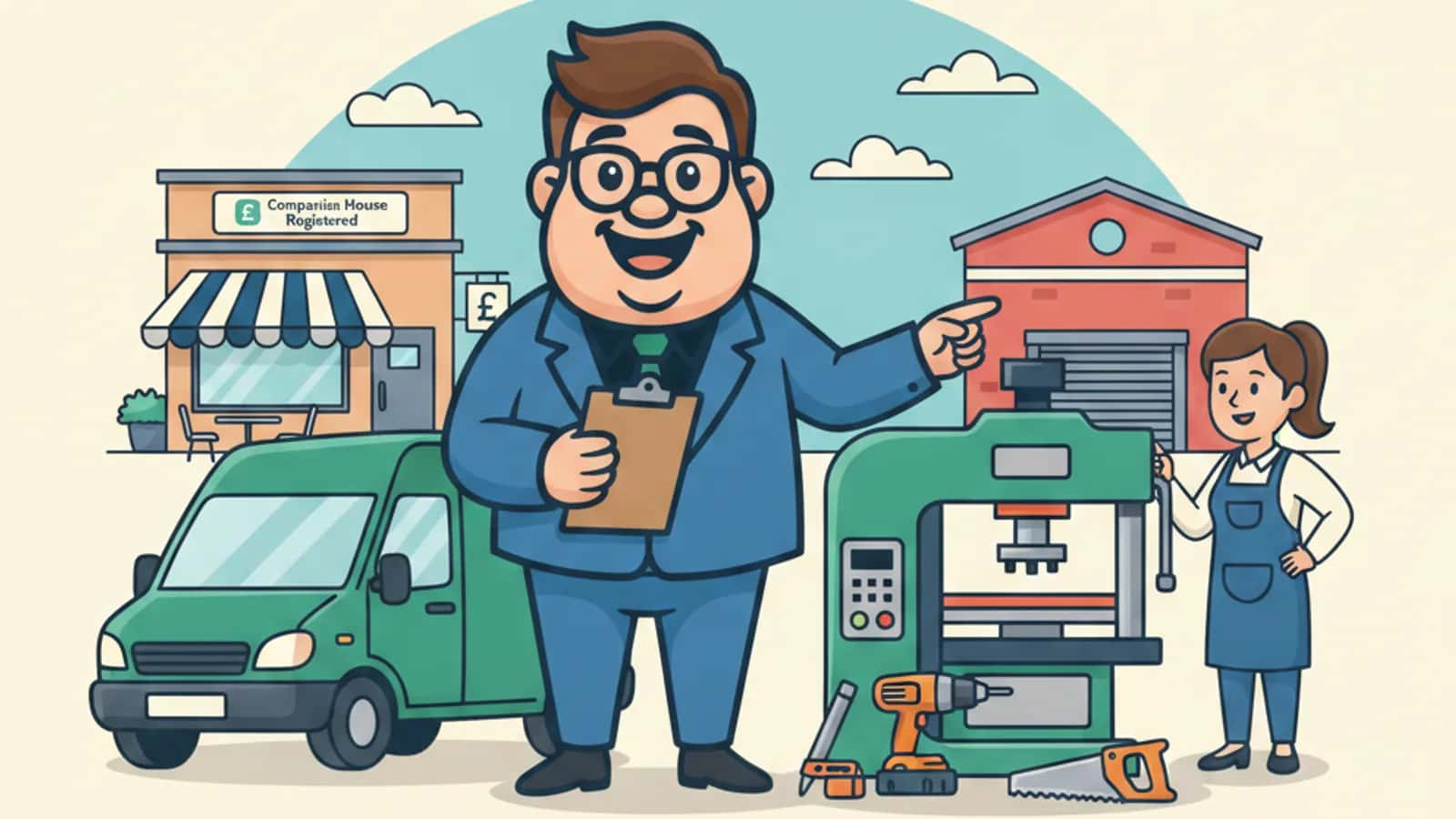
What Can You Finance with Asset Finance: Complete Guide to Eligible Equipment and Machinery
Asset finance covers virtually any business-critical equipment from £1k to £5m — construction machinery, commercial vehicles, manufacturing equipment, IT systems, medical devices, and specialist tools. The asset itself secures the finance, making approval faster and deposits more flexible than traditional loans.
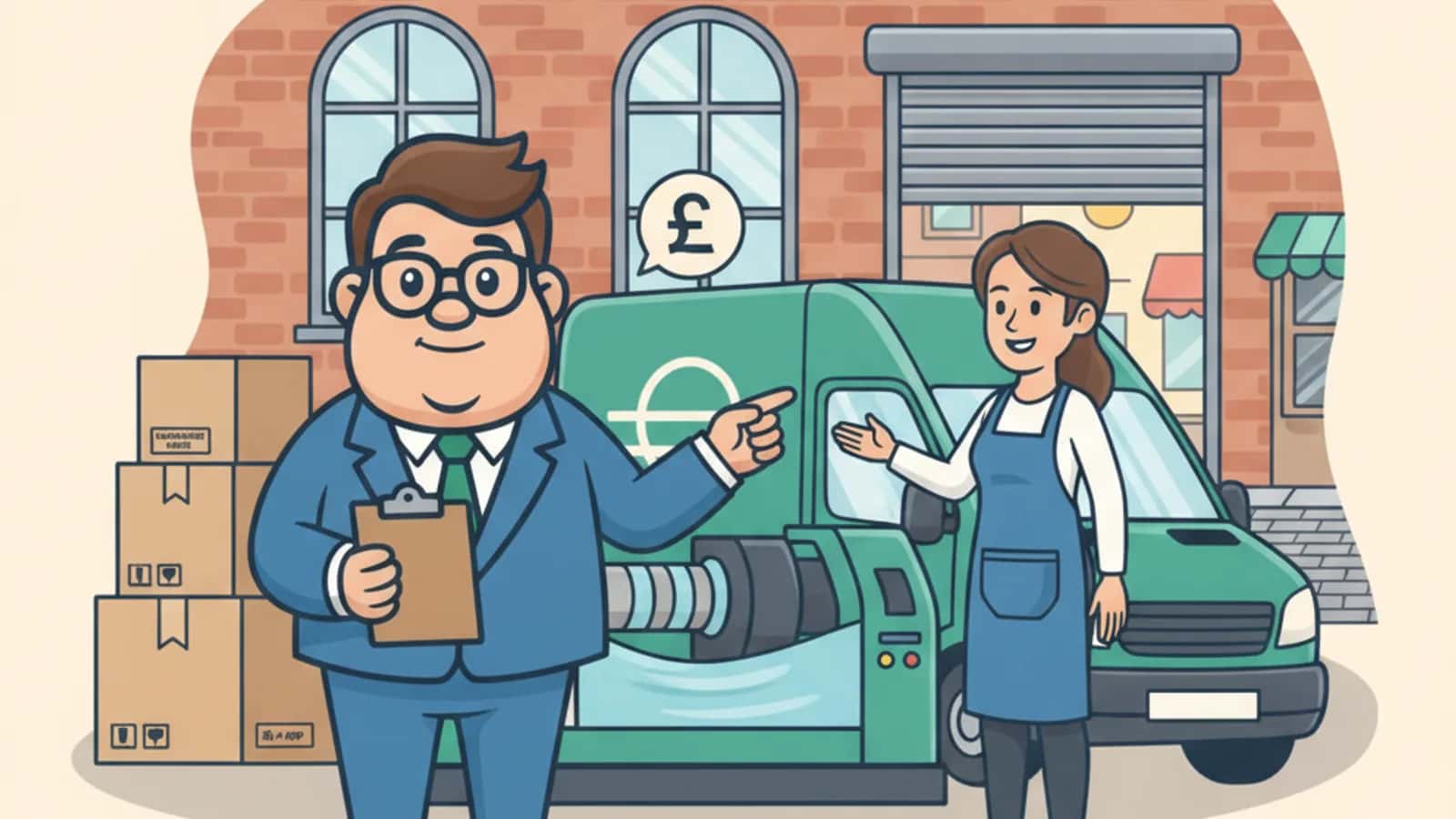
Asset Finance vs Business Loan: Which Is Better for a Large Capital Purchase?
Asset finance typically offers lower rates (3-8% per annum) and faster approval (24-48 hours) for equipment purchases, while business loans provide unrestricted capital but often cost more (6-30% APR) and take longer to process.
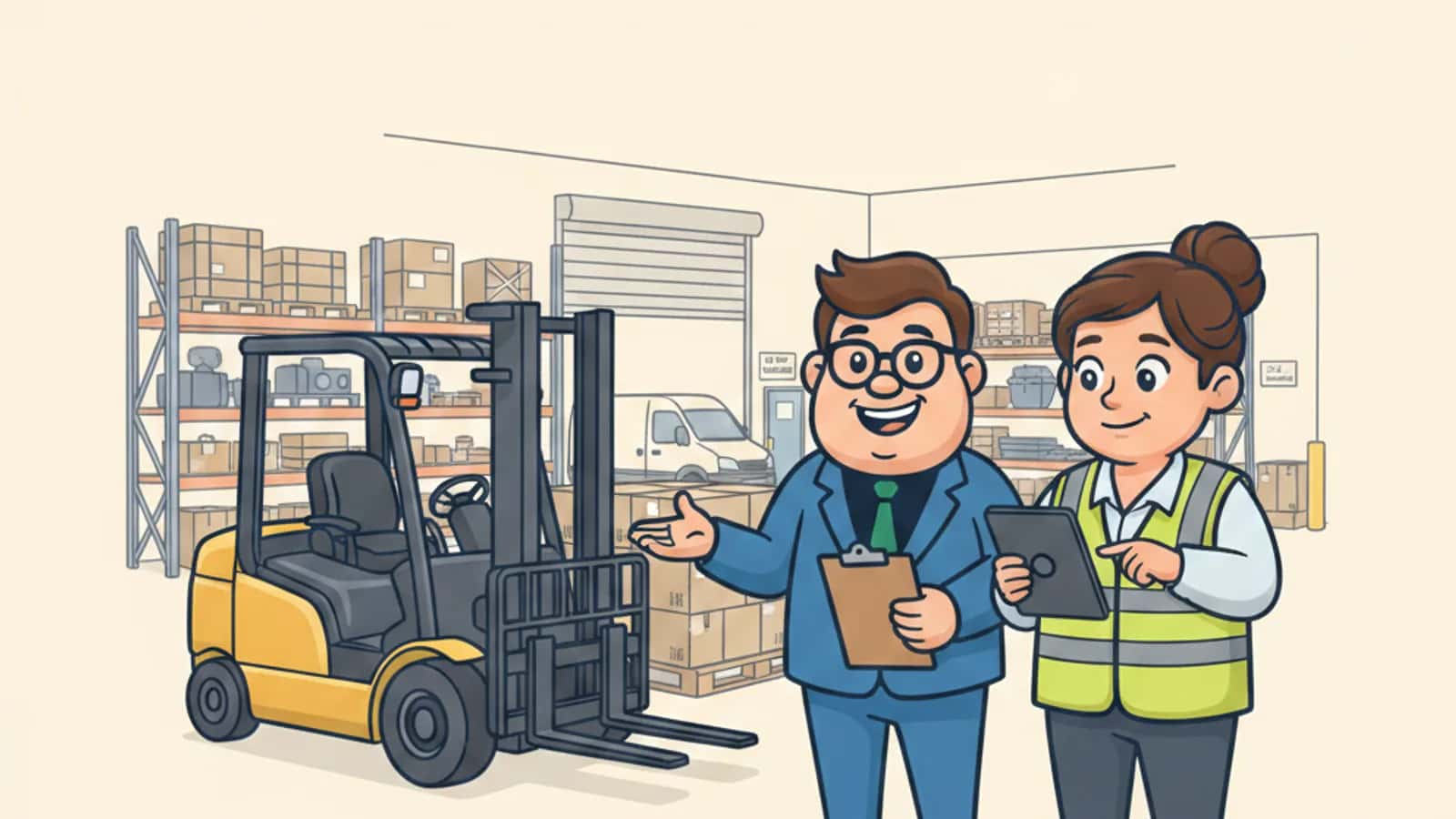
Forklift and Warehouse Equipment Finance UK: Funding Logistics Growth
Forklift and warehouse equipment finance UK provides businesses with hire purchase, finance lease, and contract hire options from £1k to £5m, with decisions in 2-5 days and deposits from 0%.
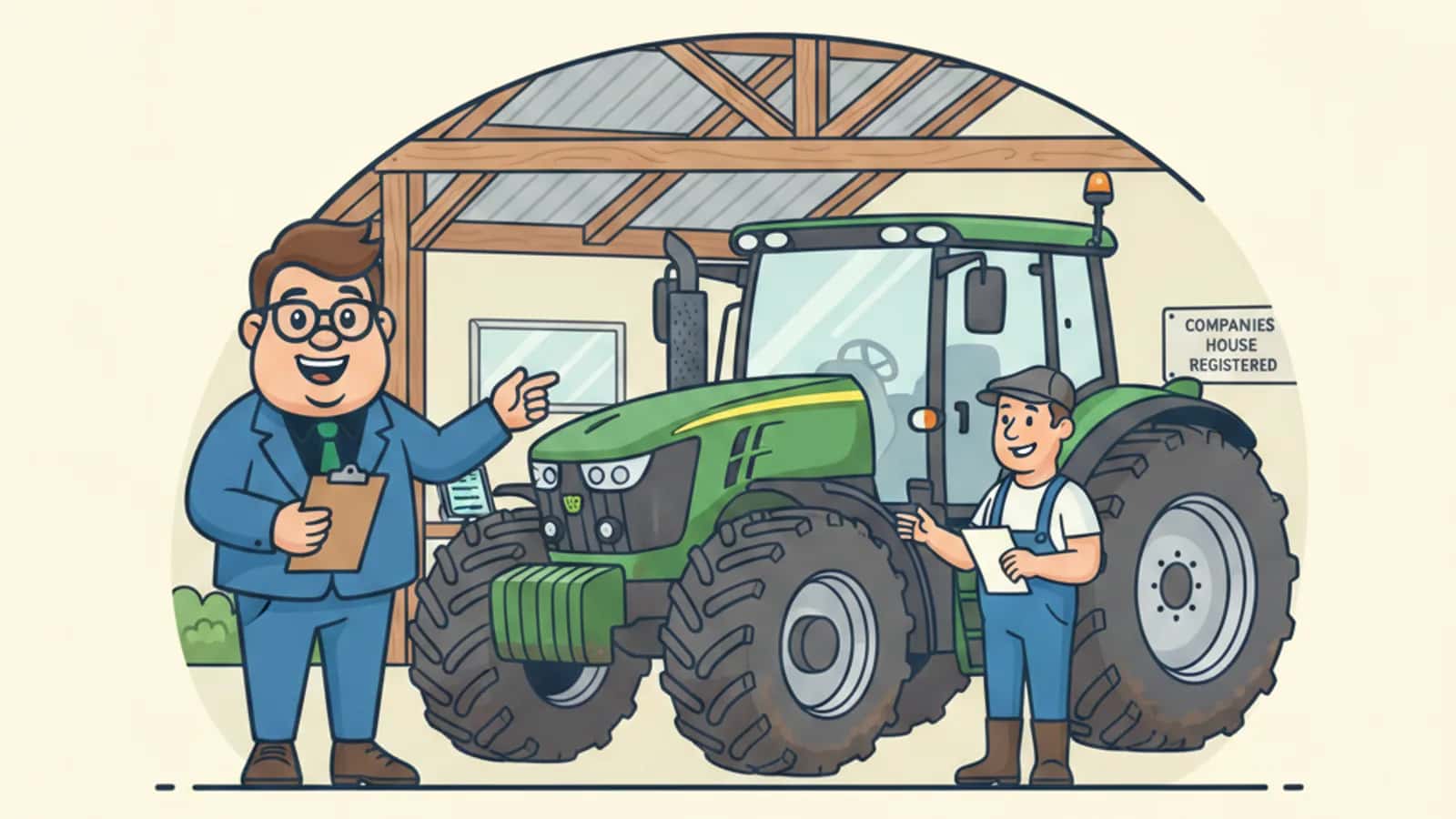
Agricultural Asset Finance UK: Tractors - Fast Funding for Farm Equipment
Tractor finance in the UK ranges from £2,500 to several million pounds through hire purchase, finance lease, and contract hire options, with specialist lenders offering seasonal payment structures and approval decisions within 24-48 hours. Agricultural asset finance preserves working capital while enabling immediate equipment acquisition.
Asset Finance Application Checklist: What UK Lenders Ask For Before Approval
UK lenders require financial documentation (accounts, bank statements), asset details (type, age, supplier quotes), business information (Companies House filings, trading history), and director details for asset finance approval. Most decisions take 24-48 hours for amounts under £100k, with larger transactions requiring 5-10 days for full underwriting.
Asset Finance questions
The important details before you check eligibility.
Can asset finance help preserve cash flow?
Asset finance can spread the cost of vehicles, equipment, or machinery over time, which may help a business avoid paying the full purchase price upfront.
What affects the cost of asset finance?
The asset type, deposit, term length, lender criteria, business trading history, and whether ownership transfers at the end can all affect the total cost.
What types of assets can be financed?
Vehicles, plant and machinery, equipment, and technology are commonly financed. Lenders may treat new and used assets differently.
Do I own the asset at the end of the term?
It depends on the agreement. Hire purchase usually transfers ownership at the end, while leases may offer return, upgrade, or purchase options.
Ready when you are
Explore asset finance options
Answer a few questions to see whether asset finance could fit your business plans. It only takes about 2 minutes, with no hard credit check to start.