Business Line of Credit: How It Works, Costs and Requirements
A business line of credit is a revolving credit limit that lets a company draw funds as needed, repay what it uses, and draw again, paying interest only on the outstanding balance rather than the full limit. Costs typically include interest tied to a benchmark rate plus a lender margin, along with possible draw, maintenance, or origination fees.
Quick answer
A business line of credit is a revolving credit limit that lets a company draw funds as needed, repay what it uses, and draw again, paying interest only on the outstanding balance rather than the full limit. Costs typically include interest tied to a benchmark rate plus a lender margin, along with possible draw, maintenance, or origination fees. Approval depends on time in business, revenue, and credit score, with bank lenders generally setting higher bars than online lenders.
Key takeaways
- A business line of credit is revolving: draw, repay, and draw again, up to an approved limit, within a set draw period.
- Interest usually applies only to the amount borrowed, not the full credit limit, a core advantage over a lump-sum term loan.
- Bank-issued lines (Wells Fargo, Chase, Bank of America) tend to require stronger credit and longer operating history than online or fintech lenders.
- Unsecured lines skip collateral but often come with lower limits or higher pricing than secured lines backed by receivables, inventory, or equipment.
- Costs can include interest, draw fees, annual or maintenance fees, and sometimes an origination fee charged when the line opens.
- Startups usually struggle to qualify for a traditional line and may need to look at SBA-backed programs, revenue-based options, or a secured structure instead.
- Missing payments on a line of credit can trigger penalty rates, a frozen limit, or collection action, especially where a personal guarantee is attached.
What Is a Business Line of Credit and How Does It Work
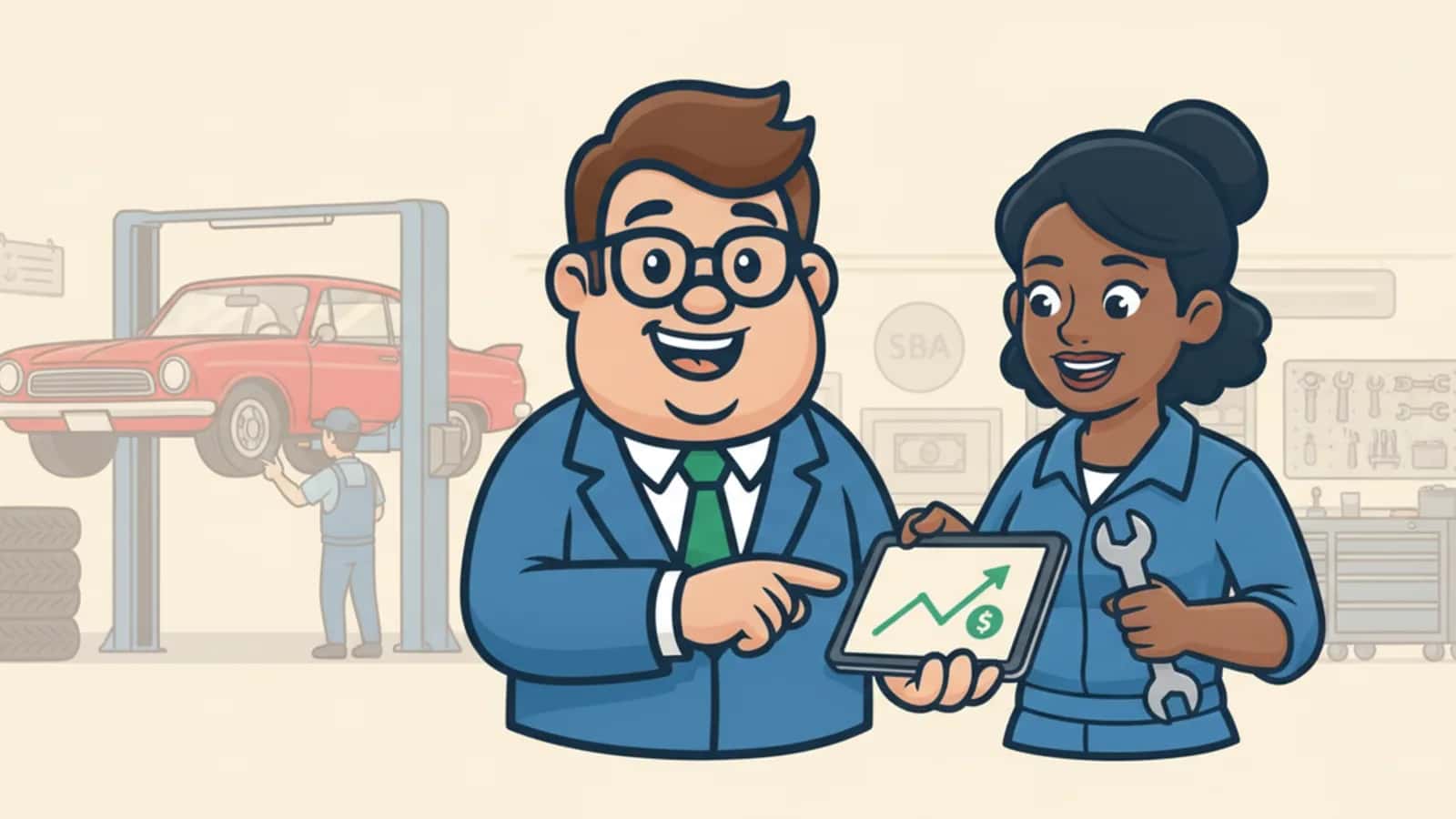
A business line of credit is a flexible funding tool that gives a company access to a set credit limit it can draw from repeatedly, repaying only what it uses plus interest on that portion. It works more like a credit card than a loan: the limit stays open, available balance refills as the business repays, and nothing is owed on the unused portion.
How does a business line of credit work in practice? Most lines run through two phases:
- Draw period
- , the window, often one to several years depending on the lender, during which the business can withdraw funds up to its limit.
- Repayment structure
- , some lines require interest-only payments during the draw period with principal due later (revolving lines), while others amortize each draw like a mini term loan (non-revolving or "draw-down" lines).
Choose a revolving line if cash flow needs are recurring and unpredictable, such as covering payroll gaps or seasonal inventory swings. A one-time project with a known cost usually fits a term loan better.
Business Line of Credit vs. Business Loan: What's the Difference
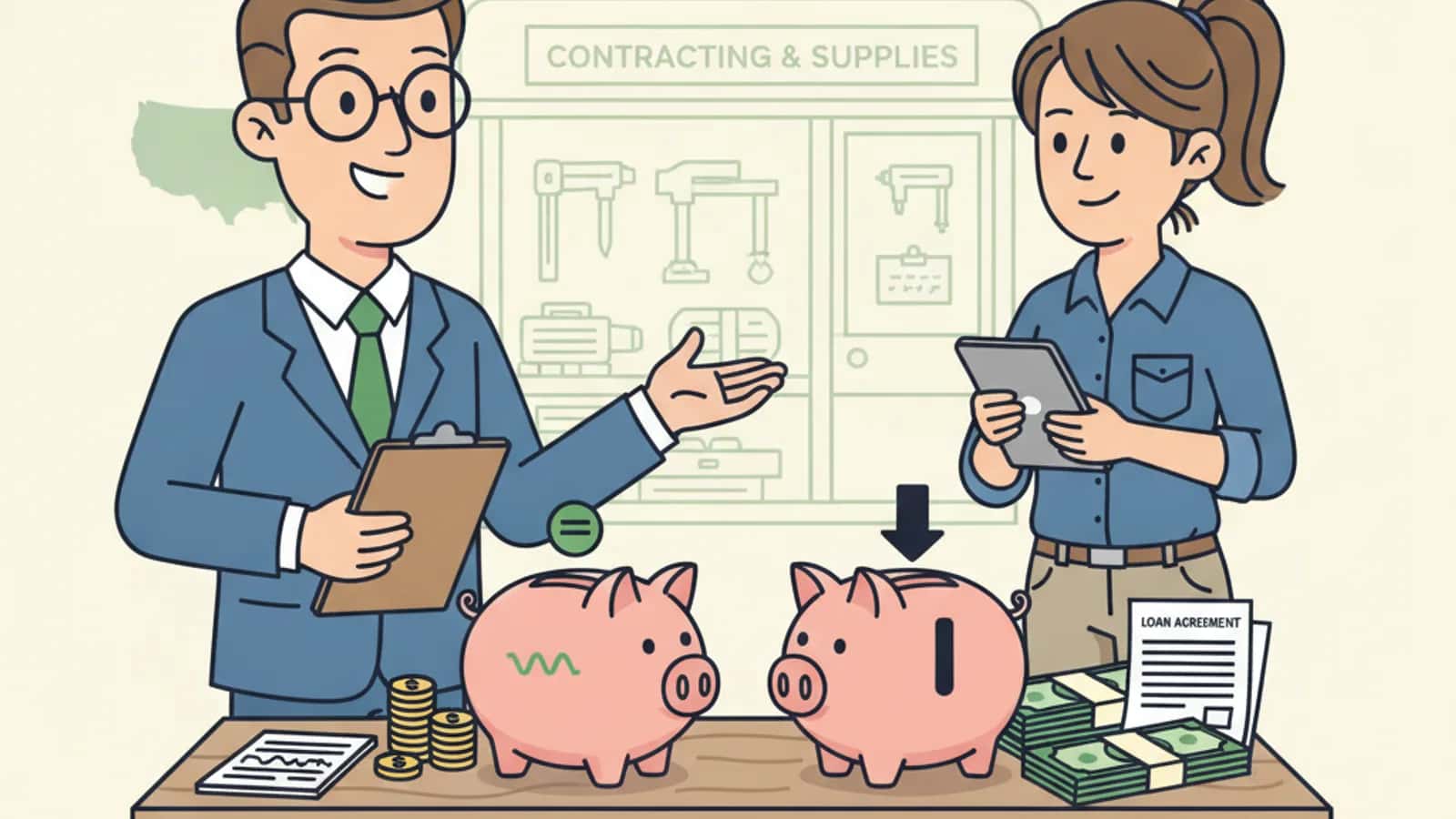
A business line of credit is revolving and flexible; a term loan is a lump sum repaid on a fixed schedule regardless of whether the full amount gets used. The line suits ongoing or unpredictable expenses, while a term loan fits a single, defined purchase like equipment or a buildout.
| Feature | Business Line of Credit | Term Loan |
|---|---|---|
| Funding structure | Revolving limit, draw as needed | One-time lump sum |
| Interest charged on | Only the amount drawn | Full loan amount from day one |
| Best for | Cash flow gaps, inventory, payroll timing | Fixed purchases, expansion, one-off costs |
| Reapplication | Not required after each draw (within term) | Required for each new loan |
| Typical cost structure | Interest plus draw/maintenance fees | Interest plus possible origination fee |
A merchant cash advance (MCA) is a third option entirely, an advance against future card sales repaid through daily or weekly holdbacks, usually priced with a factor rate rather than APR. For a full side-by-side breakdown of these three structures, see this detailed term loan vs line of credit vs MCA comparison.
Common mistake: treating a line of credit like free money because it's "just sitting there." Unused credit still affects underwriting on future applications, and some lenders charge a fee just to keep the line open.
Business Line of Credit Requirements: Credit Score, Revenue, and Time in Business
Business line of credit requirements vary by lender type, but most underwriters look at three things: personal and business credit history, time in business, and revenue consistency. Banks generally set a higher bar on all three than online or fintech lenders.
Is it hard to get a business line of credit? It depends heavily on where you apply. A bank-issued line, such as Wells Fargo's BusinessLine product, is built around established businesses with a track record and stronger credit. Chase's business line of credit similarly evaluates business banking history and documented cash flow. Online lenders and fintech platforms tend to accept shorter operating histories and lower credit scores, trading that flexibility for higher pricing or lower limits.
Can an LLC get a business line of credit? Yes. LLCs, S-corps, C-corps, and sole proprietorships can all qualify, provided the entity is properly registered and verifiable. Lenders typically confirm the business is legitimate through a state business registration lookup, an EIN, and an active business bank account, standard checks that protect both the lender and the applicant from identity or fraud issues.
What credit score and revenue do lenders want? There's no single universal threshold, and the honest answer is that it varies by lender type and by how long the business has operated. As a general pattern reflected across major bank and lender overviews:
- Bank lenders tend to favor applicants with good-to-strong personal credit and multiple years of consistent revenue.
- Online and fintech lenders may work with newer businesses or lower credit profiles but typically require clear, verifiable revenue through bank statements or linked accounting data.
Typical documentation across lender types includes:
- Government-issued ID and business formation documents
- EIN and Secretary of State business verification
- Several months of business bank statements
- Personal and/or business tax returns
- Basic financial statements (profit and loss, balance sheet) for larger lines
For a breakdown of how credit score, time in business, and revenue interact across loan products generally, see this guide to business loan requirements. Business credit history also plays a role separate from personal credit, see how business credit scores like PAYDEX and FICO SBSS factor into underwriting.
How Much Does a Business Line of Credit Cost
The cost of a business line of credit usually combines ongoing interest on the drawn balance with one or more fees tied to opening, maintaining, or drawing on the line. There's no single market rate, pricing depends on the lender, the applicant's credit profile, and whether the line is secured.
Main cost components to expect:
- Interest on outstanding balances
- , commonly structured as a benchmark rate (such as Prime) plus a risk-based margin set by the lender.
- Draw fees
- , a small percentage charged each time funds are withdrawn.
- Annual or maintenance fees
- , charged simply to keep the line open and available, whether or not it's used.
- Origination fees
- , sometimes charged when the line is first approved and opened.
Pricing comparisons from CNBC and WSJ roundups of business lines of credit consistently note that actual rates and fee structures are lender-specific and depend on the applicant's financials, so a precise number can't be quoted without checking directly with a lender. Instead of chasing a headline rate, compare the full cost structure: interest margin, draw fee, and any annual charge, then model what a typical draw-and-repay cycle would actually cost over a year.
Quick example: a line with a modest draw fee and a maintenance fee can cost more over a year of frequent small draws than a line with a slightly higher interest margin but no draw fee, if the business draws often. Match the fee structure to how the line will actually be used.
Secured vs. Unsecured Business Line of Credit: Which Is Better
A secured business line of credit is backed by collateral, such as receivables, inventory, or equipment, while an unsecured business line of credit relies on the business's creditworthiness and sometimes a personal guarantee instead of pledged assets. Neither is universally "better", the right choice depends on what the business can offer and how much flexibility it needs.
Secured lines typically offer:
- Larger credit limits, since the lender has an asset to fall back on
- Potentially lower pricing, reflecting reduced lender risk
- Collateral exposure if the business defaults
Unsecured lines typically offer:
- Faster setup, since there's no collateral to value or document
- Smaller limits relative to secured options
- Reliance on personal guarantees and credit history, as seen in products like Bank of America's unsecured business line of credit
Choose a secured line if the business holds strong receivables or inventory and wants a larger limit at a potentially better price. Choose an unsecured line if speed and simplicity matter more than maximizing the limit, and the business doesn't want to pledge specific assets. For a closer look at how unsecured structures price risk without collateral, see this guide to unsecured business loans, and for what a personal guarantee actually obligates an owner to, see this explainer on UCC liens and personal guarantees.
How Much Can You Borrow and How Long Does Approval Take
Borrowing limits and approval timelines for a business line of credit vary widely by lender, applicant revenue, and whether the line is secured, there's no fixed ceiling or universal turnaround time across the market. Bank lines generally involve more documentation and a longer review; online and fintech lines are usually faster to set up but may cap limits lower for newer businesses.
What tends to move faster or slower:
- Bank lines
- , more thorough underwriting, often involving a banking relationship review, which can extend timelines.
- Online and fintech lines
- , streamlined digital applications and automated revenue verification, which can shorten the process considerably.
- Secured lines
- , may take longer upfront due to collateral valuation, even if pricing ends up better.
Rather than estimating a specific number of days, treat the honest answer as: timing depends on how clean the applicant's documentation is, how complex the collateral review is, and which lender type is involved. Businesses that gather financials and verification documents in advance typically move through underwriting faster, regardless of lender type.
Can You Use a Business Line of Credit for Anything
A business line of credit can generally be used for a wide range of operating needs, but it's built for short-term, recurring, or unpredictable expenses rather than large one-time capital purchases. Lenders rarely restrict exact use once funds are drawn, though the product is designed around working capital, not long-term investment.
Typical uses include:
- Covering payroll during a slow revenue period
- Buying inventory ahead of a seasonal push
- Bridging the gap between invoicing a client and getting paid
- Handling an unexpected repair or short-term cash crunch
Less suited to a line of credit: large equipment purchases, real estate, or a multi-year expansion project, these usually fit a term loan or dedicated financing product better, since the revolving structure and shorter draw period aren't designed to carry long-amortization debt. For a broader look at how working capital financing fits different operating needs, see this guide to working capital loans.
What Happens If You Can't Pay Back a Business Line of Credit
Missing payments on a business line of credit typically triggers penalty fees, a higher interest rate, or a frozen credit limit, and can escalate to collections or legal action if the account is seriously delinquent, especially where a personal guarantee is attached. The exact consequences depend on the lender's terms and whether the line is secured.
What can happen, in rough order of severity:
- Late fees and a temporary rate increase on the outstanding balance
- A reduced or frozen credit limit, cutting off further draws
- Default triggering the full balance becoming due immediately
- Collateral seizure on secured lines, or personal asset exposure where a personal guarantee was signed
- Damage to both business and personal credit profiles, affecting future financing
Before taking a draw, model the repayment against realistic cash flow, not best-case revenue. A line used to cover a short gap is manageable; a line used to patch a recurring shortfall often signals a deeper cash flow problem that borrowing won't fix.
Is a Business Line of Credit Good for Startups
A traditional business line of credit is genuinely difficult for most true startups to qualify for, since banks and many online lenders want an operating history and verifiable revenue that a brand-new business simply doesn't have yet. Newer companies often need to look at alternative structures instead.
Options worth exploring for an early-stage business:
- SBA-backed programs, which can offer more accessible terms for qualifying small businesses, see how the SBA Working Capital Pilot line of credit is structured
- Secured lines backed by owner collateral, which can offset a thin credit file
- Revenue-based or receivables financing tied to actual sales rather than years in business
- A business credit card as a smaller, faster-to-approve bridge while building a credit file
Edge case: a startup with strong personal credit and a willing guarantor may still get a modest unsecured line from an online lender, but limits are typically conservative until the business builds its own track record.
Business Line of Credit vs. Credit Card: When Each Makes Sense
A business line of credit generally suits larger, recurring cash flow needs, while a business credit card fits smaller, everyday purchases and short-term float. The two aren't mutually exclusive, many businesses use both for different jobs.
Choose a line of credit if the business needs:
- A larger available limit for inventory, payroll, or project bridging
- Cash draws rather than card-based purchases
- Lower effective interest than typical credit card APRs, in many cases
Choose a credit card if the business needs:
- Everyday purchasing with built-in rewards or cash back
- Simple expense tracking across a team
- Fast access without a draw process
For a direct comparison of when each tool fits better, see this breakdown of business credit cards vs. business loans.
Common Mistakes When Using a Business Line of Credit
The most common mistakes with a business line of credit involve treating it like permanent working capital rather than a short-term bridge, and ignoring the fee structure until the annual statement arrives. Both lead to higher costs than expected.
Watch for these patterns:
- Drawing without a repayment plan
- , using the line to cover a gap with no clear source of repayment, turning short-term credit into long-term debt
- Letting the line sit unused but open
- , some lines carry a maintenance fee regardless of use
- Maxing out the limit
- , high utilization can hurt future borrowing capacity and credit standing
- Not reading draw fee terms
- , frequent small draws can rack up fees faster than expected
- Skipping the comparison step
- , applying to one lender without checking how bank, online, and fintech options differ on cost and flexibility
Where a Business Line of Credit Fits in a Broader Funding Strategy
A business line of credit is one tool among several for managing working capital, and it works best alongside, not instead of, a clear view of overall funding needs. Business owners comparing options across business loans often find that a line of credit covers short-term flexibility while a term loan or SBA product handles larger, planned investments. For a wider set of funding comparisons relevant to US small businesses, the US business funding guides hub covers related structures in more depth.
Next steps for business line of credit
A business line of credit works best as a flexible buffer for recurring or unpredictable cash flow needs, not as a substitute for long-term financing or a fix for a structural revenue shortfall. The right fit depends on time in business, credit profile, and whether collateral is available to secure a larger limit.
Before applying, pull together bank statements, tax returns, and entity documents, and compare at least one bank-type lender against one online or fintech lender to see how requirements and costs actually differ. For a side-by-side look at how a line of credit stacks up against a term loan or merchant cash advance, revisit the term loan vs line of credit vs MCA comparison before committing to a structure.
Checking eligibility is a reasonable next step before applying anywhere. Check Eligibility Now with Funding Fred's fast eligibility check, no hard check to start, no charge to use the service, and no obligation to proceed. Smart Matching considers revenue, trading history, and sector fit across a panel of US funding partners, and Business Verification through Secretary of State lookup helps confirm legitimacy on both sides, so owners get a clearer, faster read on realistic options before deciding anything.
Frequently asked questions
What Is a Business Line of Credit and How Does It Work?
A business line of credit is a flexible funding tool that gives a company access to a set credit limit it can draw from repeatedly, repaying only what it uses plus interest on that portion. It works more like a credit card than a loan: the limit stays open, available balance refills as the business repays, and nothing is owed on the unused portion.
How Much Does a Business Line of Credit Cost?
The cost of a business line of credit usually combines ongoing interest on the drawn balance with one or more fees tied to opening, maintaining, or drawing on the line. There's no single market rate, pricing depends on the lender, the applicant's credit profile, and whether the line is secured.
How Much Can You Borrow and How Long Does Approval Take?
Borrowing limits and approval timelines for a business line of credit vary widely by lender, applicant revenue, and whether the line is secured, there's no fixed ceiling or universal turnaround time across the market. Bank lines generally involve more documentation and a longer review; online and fintech lines are usually faster to set up but may cap limits lower for newer businesses.
Can You Use a Business Line of Credit for Anything?
A business line of credit can generally be used for a wide range of operating needs, but it's built for short-term, recurring, or unpredictable expenses rather than large one-time capital purchases. Lenders rarely restrict exact use once funds are drawn, though the product is designed around working capital, not long-term investment.
What Happens If You Can't Pay Back a Business Line of Credit?
Missing payments on a business line of credit typically triggers penalty fees, a higher interest rate, or a frozen credit limit, and can escalate to collections or legal action if the account is seriously delinquent, especially where a personal guarantee is attached. The exact consequences depend on the lender's terms and whether the line is secured.
Is a Business Line of Credit Good for Startups?
A traditional business line of credit is genuinely difficult for most true startups to qualify for, since banks and many online lenders want an operating history and verifiable revenue that a brand-new business simply doesn't have yet. Newer companies often need to look at alternative structures instead.
Written by
The Funding Fred Editorial Team creates plain-English guides to help business owners understand funding options, eligibility, and application readiness before they compare finance options.
Reviewed by
Business finance content reviewer
Robert reads our business finance guides before they go live, checking each one is accurate, easy to follow, and reflects how lending actually works today — not how a brochure says it should. He's listed on the UK's FCA Register, approved as an SMF3 (AR) Executive Director at Switcha Limited, and connected to Lucky Growth Partners Ltd through its appointed representative relationship, so each guide gets a properly qualified second read.
Sources
- Best Business Lines Of Credit
- Business Line Of Credit Guide
- Lines Of Credit
- Business Line Of Credit
- Best Unsecured Business Loans
- Best Business Line Of Credit
- Built4business
- Unsecured Line Of Credit
- Business Line Of Credit
- Lili Embeds Business Credit Solutions To Help Small Businesses Access Capital Faster 302791453