SBA 504 Loan: Requirements, Down Payment, and How the CDC Structure Works
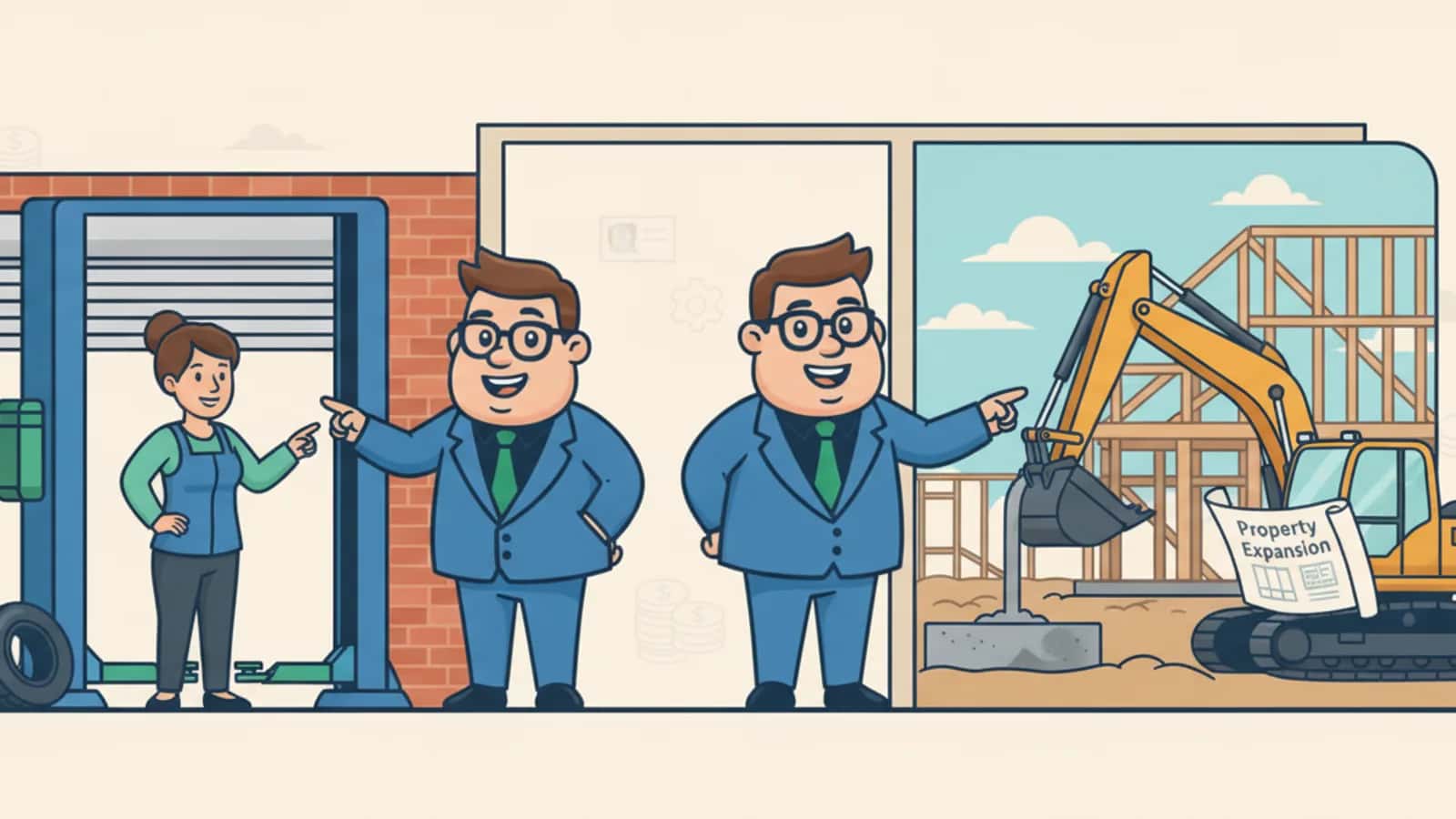
An SBA 504 loan finances major fixed assets, owner-occupied commercial real estate or long-life equipment, through a three-part structure: a bank loan covering about 50% of the project, a Certified Development Company (CDC) debenture covering about 40%, and a borrower down payment of around 10%. It is not designed for working capital, inventory, or payroll.
Quick answer
An SBA 504 loan finances major fixed assets, owner-occupied commercial real estate or long-life equipment, through a three-part structure: a bank loan covering about 50% of the project, a Certified Development Company (CDC) debenture covering about 40%, and a borrower down payment of around 10%. It is not designed for working capital, inventory, or payroll. Eligibility depends on business size, owner-occupancy plans, and a public policy or job-creation goal set by the SBA.
Key takeaways
- An SBA 504 loan pairs a bank loan with a CDC-backed, government-guaranteed debenture, it's really two loans closing together, not one.
- The typical structure is 50% bank loan, 40% CDC debenture, 10% borrower equity (the "sba 504 down payment"), though riskier projects often require 15-20% down.
- Proceeds must go toward fixed assets: real estate, construction, major renovations, or equipment with a long useful life. It cannot fund inventory, payroll, or marketing.
- Combined 7(a) and 504 borrowing limits increased to $10 million in 2026, widening how much growing businesses can access across both programs.
- A Certified Development Company, a nonprofit licensed by the SBA, originates, packages, and services the 504 debenture portion of the loan.
- 504 loans usually take longer to close than a typical bank term loan because two lenders, two closings, and SBA review are involved.
- Job creation or a recognized public policy goal (rural development, veteran-owned business support, energy efficiency, among others) is baked into 504 eligibility criteria.
What Is an SBA 504 Loan and How Does It Work
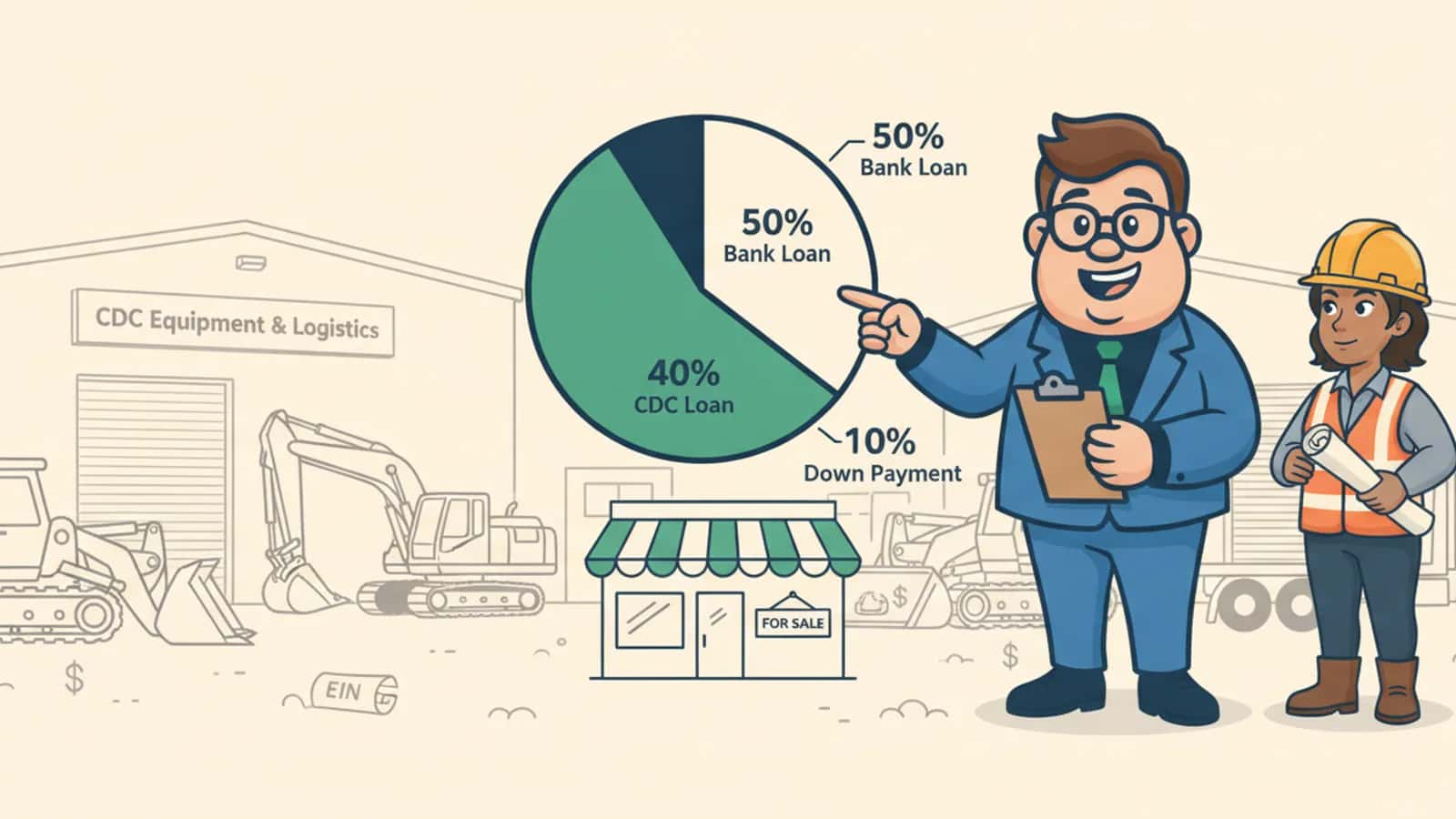
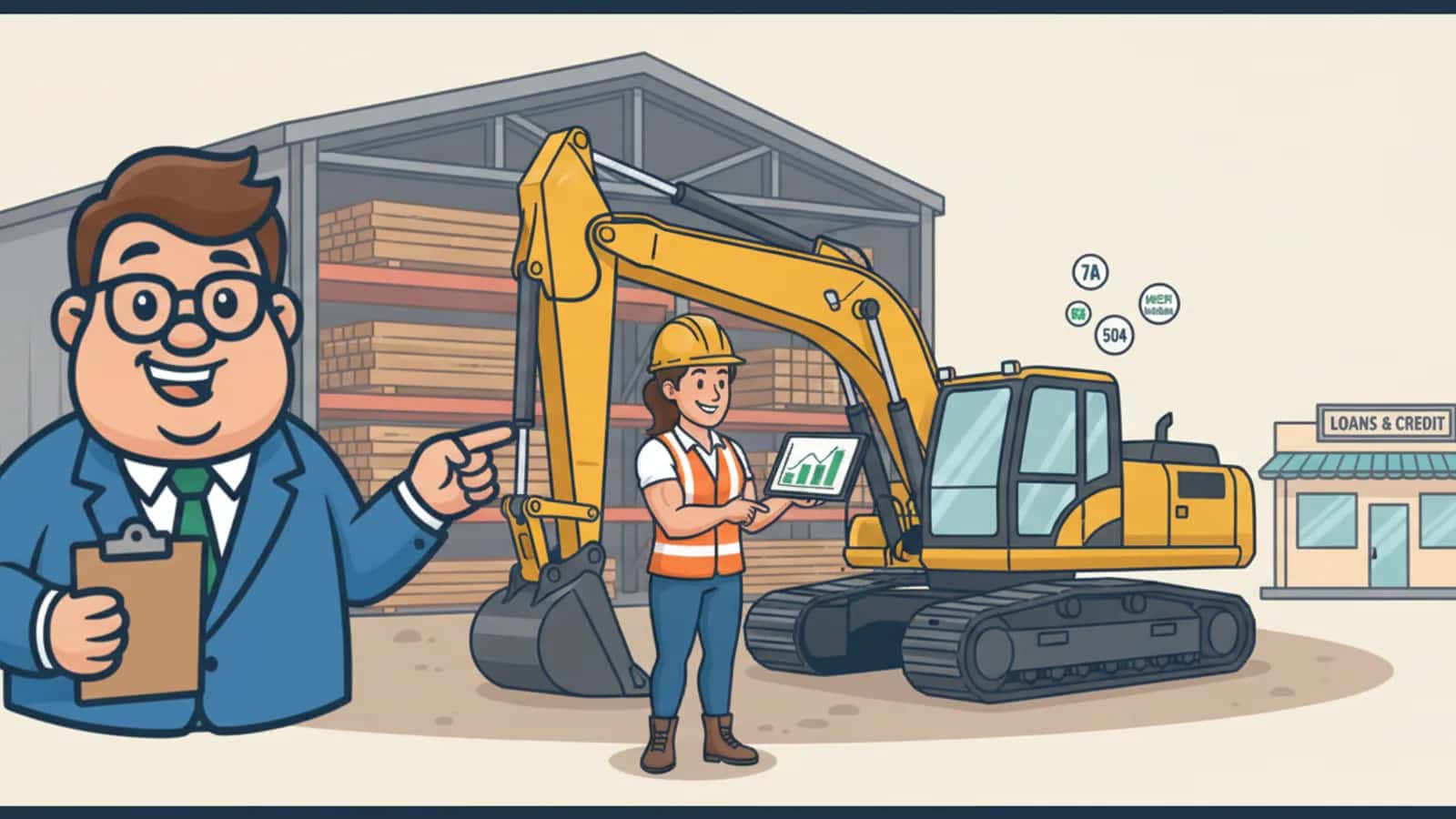
An SBA 504 loan finances fixed assets, real estate or equipment, using two loans that close at the same time: a conventional bank loan and a CDC debenture backed by an SBA guarantee. The structure spreads risk between a private lender and a government-backed nonprofit, which lets small businesses access long-term, mostly fixed-rate financing for assets they would otherwise struggle to afford.
Here's the mechanics in plain terms:
- A commercial bank or credit union funds the first-position loan, typically secured by a senior lien on the property or equipment.
- A CDC funds a second-position loan using proceeds from an SBA-guaranteed debenture sold to investors.
- The borrower contributes equity, commonly called the sba 504 down payment.
The business ends up with one blended project, two notes, and two sets of loan documents. This is different from an SBA 7(a) loan, where a single lender holds the full loan with a partial SBA guarantee. For a side-by-side breakdown, see this comparison of SBA 504 vs 7(a) for real estate.
SBA 504 Loan Requirements and Who Qualifies
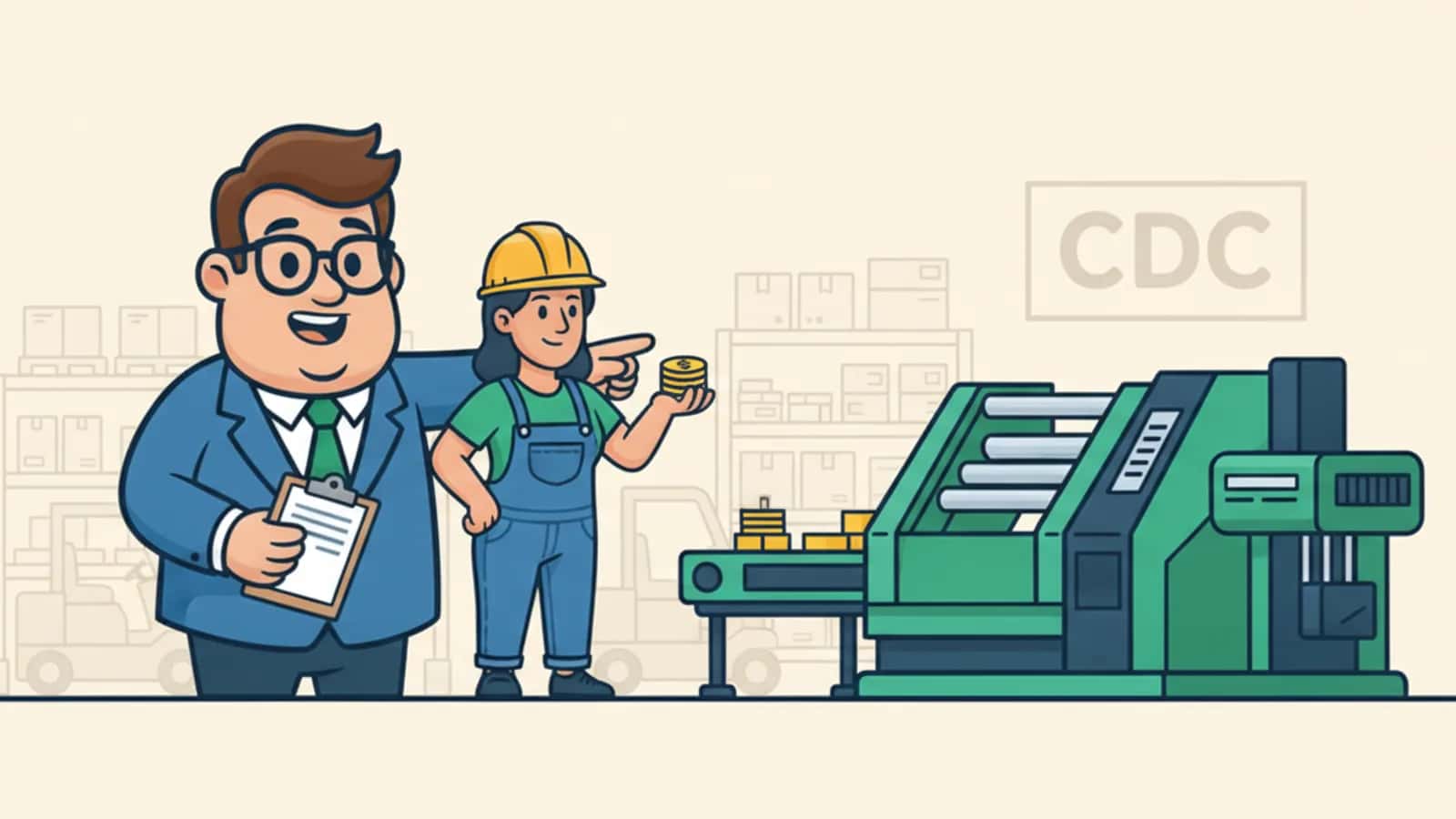
SBA 504 loan requirements center on business size, for-profit status, net worth, and owner-occupancy intent, not just credit score. A business generally must operate for profit, fall within SBA size standards, and plan to occupy the real estate or use the equipment directly in operations.
Core eligibility criteria include:
- For-profit operating business
- registered and in good standing in its state.
- Size standards:
- the business must meet either its industry's SBA size standard or the 504 program's alternative size test, based on tangible net worth and average net income, confirm current thresholds directly on sba.gov before applying.
- Owner-occupancy:
- for real estate projects, the business (not a passive investor) must occupy a defined share of the property.
- U.S.-based operations and ownership:
- ownership and citizenship rules for 504 borrowers have been an area of tightened SBA scrutiny recently, so applicants should confirm current requirements with their CDC or lender before assuming eligibility.
- No availability of funds on reasonable terms elsewhere
- , the so-called "credit elsewhere" test lenders and CDCs apply during underwriting.
- Good character and repayment history
- , including clean standing on federal taxes and no history of default on government-backed debt.
Who qualifies in practice: owner-operators buying their own facility, manufacturers adding production equipment, medical or dental practices acquiring a building, and franchise owners constructing a new location. Businesses relying on commercial real estate as an investment, not as operating space, generally do not qualify, since 504 financing is not built for passive landlords.
Need a broader primer on documentation and scoring thresholds across SBA and non-SBA products? This SBA 7(a) loans guide covers eligibility factors that overlap with 504 underwriting.
SBA 504 Down Payment: The 50/40/10 Structure
The sba 504 down payment is typically 10% of total project cost, though it rises for certain property types or newer businesses. This borrower contribution completes the classic 50/40/10 split: 50% bank loan, 40% CDC debenture, 10% equity.
| Funding piece | Typical share | Who provides it |
|---|---|---|
| Senior loan | About 50% | Bank, credit union, or non-bank lender |
| CDC debenture | About 40% | Certified Development Company, SBA-guaranteed |
| Borrower equity | About 10% (often 15-20% in some cases) | Business owner(s) |
Down payment requirements increase in two common scenarios:
- Special-purpose property
- (hotels, gas stations, self-storage facilities) often requires an additional 5% equity.
- New or young businesses
- (typically under two years old) often require an additional 5% equity.
That means some applicants see a 15% or even 20% contribution instead of 10%. This is a decision point worth confirming with a CDC early, since it directly affects how much cash a business needs on hand before closing.
Decision rule: if the project involves standard owner-occupied office, retail, or industrial space and the business has been operating profitably for more than two years, budget for roughly 10% down. If the property is special-purpose or the business is newer, plan for 15-20%.
SBA 504 vs SBA 7(a): Key Differences
An SBA 504 loan is built for large, fixed-asset purchases with a CDC-bank pairing; an SBA 7(a) loan is a single-lender, government-guaranteed loan usable for a wider range of business purposes, including working capital. Businesses deciding between them should weigh use of proceeds first, not just rate or term.
Quick distinctions:
- Use of funds:
- 504 is fixed-asset only; 7(a) covers working capital, debt refinancing, inventory, and acquisitions in addition to real estate and equipment.
- Structure:
- 504 involves two lenders and two closings; 7(a) is one lender with an SBA guarantee on a portion of the loan.
- Combined limits:
- as of 2026, SBA raised the cumulative lifetime borrowing cap across 7(a) and 504 programs to $10 million, giving growing businesses more room to use both programs over time.
For a deeper, dedicated comparison of when each program fits a real estate purchase, read SBA 504 vs 7(a) for real estate. For 7(a)-specific eligibility and documentation, see the SBA 7(a) loans guide.
How Much Can You Borrow With an SBA 504 Loan
Loan size depends on project cost, the CDC debenture cap, and the combined program limit the SBA sets across 7(a) and 504 borrowing. In 2026, the SBA doubled the cumulative limit across both programs to $10 million, which changes how much a business can carry in total SBA-backed debt over time.
Factors that determine actual borrowing capacity:
- Total eligible project cost (appraised real estate value, construction budget, or equipment invoice cost).
- The CDC debenture portion, sized as roughly 40% of the project.
- The business's existing SBA debt balance, since the new $10 million ceiling is cumulative across 7(a) and 504 combined.
- Lender appetite for the senior loan piece, which is underwritten separately from the SBA guaranty.
A business planning a $4 million facility purchase, for example, might see a bank fund roughly $2 million, a CDC fund roughly $1.6 million, and the owner contribute roughly $400,000, all subject to appraisal, occupancy confirmation, and the lender's own credit decision.
SBA 504 Loan Interest Rates and Terms
The CDC debenture portion of a 504 loan carries a fixed rate set when the debenture is pooled and sold, while the bank's senior loan portion is priced and negotiated separately by the lender. Terms on the CDC piece commonly run 10, 20, or 25 years, aligned to the useful life of the asset being financed.
Key points on pricing and terms:
- The CDC debenture rate is fixed for the life of the loan once set at funding, it does not float with market rates afterward.
- The bank loan portion can be fixed or variable, and its rate, term, and amortization schedule are set by the individual lender, not the SBA.
- Exact rates vary by lender, deal structure, and market conditions at closing, there is no single published 504 rate, so borrowers should request a current quote from their CDC and lender rather than relying on outdated figures.
- Terms are matched to asset life: real estate projects typically use longer terms (20-25 years) than equipment-only projects (10 years), reflecting how long the underlying collateral is expected to hold value.
What Is a Certified Development Company (CDC)
A Certified Development Company is a nonprofit organization licensed and regulated by the SBA to package, fund, and service the 40% debenture portion of a 504 loan. CDCs operate within defined geographic areas and work alongside private lenders on every 504 transaction.
What a CDC actually does:
- Underwrites the borrower's project alongside the senior lender.
- Packages the SBA debenture and coordinates its sale to capital markets investors.
- Services the CDC loan for its full term, including compliance monitoring (such as confirming ongoing job creation or occupancy commitments).
- Works with SBA district offices to process the guarantee portion of the deal.
Because CDCs are nonprofit and mission-driven, their core operating goal is tied to the SBA's public policy aims for the 504 program, job creation, community development, and support for underserved business owners, rather than pure profit maximization. Borrowers typically find their local CDC through an SBA-participating lender or by searching SBA's lender match tools.
SBA 504 Loan Approval Timeline
504 loan timelines vary by project complexity, CDC workload, and how quickly the borrower supplies documentation, there is no single fixed number of days the SBA guarantees. Because a 504 deal involves two closings (bank and CDC) plus SBA review of the debenture, it commonly takes longer than a standalone conventional loan or an online lender's term loan.
Factors that speed up or slow down approval:
- Complete, organized financials
- (tax returns, interim statements, debt schedules) submitted up front shortens underwriting back-and-forth.
- Appraisal and environmental review
- on real estate deals can add weeks, especially for older buildings or sites needing environmental assessment.
- Construction vs. existing-building purchases:
- new construction projects generally take longer than a straightforward purchase of an already-built, owner-ready space.
- CDC and lender capacity:
- some CDCs process volume faster than others depending on staffing and current pipeline.
Businesses comparing speed across financing options, including how 504 stacks up against faster non-SBA paths, may find it useful to review how fast you can get a business loan in the US before committing to a timeline-sensitive purchase.
What an SBA 504 Loan Can and Cannot Be Used For
An SBA 504 loan can be used for owner-occupied commercial real estate, ground-up construction, major renovations, and long-life equipment. It cannot be used for working capital, inventory, franchise fees as a standalone item, or speculative real estate investment.
Eligible uses
- Purchasing an existing building for owner occupancy.
- Ground-up construction or major expansion of a facility.
- Land purchase as part of a construction or expansion project.
- Long-term, heavy equipment or machinery with a multi-year useful life.
- Certain eligible soft costs tied directly to the project, such as architectural or engineering fees.
Ineligible uses
- Working capital, payroll, or day-to-day operating expenses.
- Inventory purchases.
- Refinancing unrelated debt that is not part of the fixed-asset project.
- Investment or rental real estate not occupied by the operating business.
SBA 504 Loan Application Process Steps
The 504 application process runs in parallel tracks: the borrower works with a bank for the senior loan and a CDC for the debenture, with both pieces underwritten and closed together. Each CDC has its own intake process, but the general sequence is consistent across the program.
- Identify the project and confirm eligibility, size standard, occupancy plan, use of funds.
- Approach a 504-participating lender for the senior loan piece and a local CDC for the debenture.
- Submit financial documentation: business and personal tax returns, financial statements, debt schedules, and a business plan or project summary.
- Order third-party reports: appraisal, environmental review (for real estate), and sometimes a business valuation.
- Underwriting and credit decision by both the lender and the CDC, including the "credit elsewhere" test.
- SBA authorization of the CDC debenture portion.
- Closing: two sets of loan documents close, often on the same day or in close sequence.
- Debenture funding: the CDC's portion funds once the debenture is pooled and sold to investors, which can lag the bank's initial funding by a short period.
Application-readiness checklist
- Three years of business and personal tax returns.
- Year-to-date financial statements and a debt schedule.
- A clear project summary: what's being purchased, cost, and timeline.
- Entity documents (articles of incorporation, operating agreement) and proof of good standing.
- A preliminary sense of occupancy percentage for real estate deals.
- Confirmation that the business meets SBA size standards before investing time in a full application.
For a broader approval checklist that applies across SBA and conventional products, see this US business loan requirements approval checklist.
SBA 504 Loan Fees and Closing Costs
504 loans carry program-specific fees layered into the CDC debenture, in addition to standard closing costs on the senior loan. These fees are typically rolled into the financed amount rather than paid entirely out of pocket at closing.
Common fee categories include:
- CDC processing and underwriting fees
- , charged for packaging the debenture.
- SBA guaranty fee
- , charged on the guaranteed portion of the debenture.
- Funding and closing fees
- tied to selling the debenture to capital markets investors.
- Third-party costs
- appraisal, environmental review, title insurance, and legal fees on the real estate or equipment secured.
- Senior lender's own closing costs
- , set independently by the bank.
Exact fee amounts vary by CDC, lender, and deal size, and the SBA has at times introduced temporary fee relief or incentives for specific borrower categories, such as small manufacturers. Confirm current fee schedules directly with your CDC or on sba.gov, since these figures are adjusted periodically rather than fixed indefinitely.
Common Mistakes to Avoid With an SBA 504 Loan
The most frequent mistakes involve misjudging use of proceeds, underestimating the equity requirement, and underestimating timeline. Avoiding these early saves weeks of rework later in underwriting.
- Trying to fund working capital through a 504 loan.
- It's a fixed-asset program only, pair it with a working capital facility if cash flow needs exist alongside the real estate or equipment purchase.
- Underestimating the down payment
- for special-purpose property or a newer business, where 15-20% equity is common instead of 10%.
- Assuming one lender handles everything.
- The bank and CDC are separate parties with separate underwriting, delays in one slow the whole closing.
- Skipping the occupancy math early.
- Owner-occupancy percentages are a hard eligibility requirement for real estate deals, not a minor detail to sort out later.
- Ignoring the size standard check.
- A business that has grown past SBA size thresholds may no longer qualify, even if it qualified in a prior year.
For context on how 504 compares with faster, less document-heavy paths, useful when the fixed-asset purchase isn't the only funding need, review small business loan options more broadly, or browse the full set of SBA and small business loan guides for program-by-program comparisons.
A faster first step before committing to a 504 application
A 504 loan is a strong fit for a specific situation: owner-occupied real estate or long-life equipment, with time to work through a two-lender closing. Many business owners aren't sure yet whether that's the right path, or whether a faster option covers the actual need better.
A quick, no-obligation eligibility check can clarify realistic options before a business commits weeks to a 504 application.
US Business Funding. Checked Fast.
| Factor | Traditional Bank | Funding Fred |
|---|---|---|
| Initial check | Often a hard credit pull up front | No hard check to start |
| Paperwork | Extensive upfront financials | Fast eligibility, no upfront financials required |
| Criteria | Rigid, size and sector dependent | Flexible Criteria, Smart Matching on revenue and sector |
| Network | Single institution | Panel of US funding partners |
Initial check
- Traditional Bank
- Often a hard credit pull up front
- Funding Fred
- No hard check to start
Paperwork
- Traditional Bank
- Extensive upfront financials
- Funding Fred
- Fast eligibility, no upfront financials required
Criteria
- Traditional Bank
- Rigid, size and sector dependent
- Funding Fred
- Flexible Criteria, Smart Matching on revenue and sector
Network
- Traditional Bank
- Single institution
- Funding Fred
- Panel of US funding partners
Business Verification (Secretary of State, EIN, business bank account) confirms legitimacy for both the owner and funding partners. No charge to use the service, and no obligation to proceed.
Next steps for SBA 504 loan
An SBA 504 loan is built for one job: financing the fixed assets, real estate or equipment, that let a growing business own its operating space instead of leasing it, or add major production capacity. The 50/40/10 structure, the CDC's role, and the occupancy and size-standard rules all exist to keep the program targeted at that purpose and the public policy goals behind it.
Before applying, confirm current size standards, occupancy requirements, and fee schedules directly on sba.gov, since these details are reviewed and adjusted periodically. If the funding need includes working capital alongside a property or equipment purchase, that typically means layering a second type of financing on top of the 504, not stretching the 504 to cover it.
For businesses still comparing paths, a fast, no-obligation eligibility check can help clarify what's realistic, across SBA products and non-SBA working capital options, before committing weeks to a formal application. Check Eligibility Now to see where a 504 loan might fit alongside other US business funding options.
Frequently asked questions
What Is an SBA 504 Loan and How Does It Work?
An SBA 504 loan finances fixed assets, real estate or equipment, using two loans that close at the same time: a conventional bank loan and a CDC debenture backed by an SBA guarantee. The structure spreads risk between a private lender and a government-backed nonprofit, which lets small businesses access long-term, mostly fixed-rate financing for assets they would otherwise struggle to afford.
How Much Can You Borrow With an SBA 504 Loan?
Loan size depends on project cost, the CDC debenture cap, and the combined program limit the SBA sets across 7(a) and 504 borrowing. In 2026, the SBA doubled the cumulative limit across both programs to $10 million, which changes how much a business can carry in total SBA-backed debt over time.
What Is a Certified Development Company (CDC)?
A Certified Development Company is a nonprofit organization licensed and regulated by the SBA to package, fund, and service the 40% debenture portion of a 504 loan. CDCs operate within defined geographic areas and work alongside private lenders on every 504 transaction.
What an SBA 504 Loan Can and Cannot Be Used For?
An SBA 504 loan can be used for owner-occupied commercial real estate, ground-up construction, major renovations, and long-life equipment. It cannot be used for working capital, inventory, franchise fees as a standalone item, or speculative real estate investment.
Written by
The Funding Fred Editorial Team creates plain-English guides to help business owners understand funding options, eligibility, and application readiness before they compare finance options.
Reviewed by
Business finance content reviewer
Robert reads our business finance guides before they go live, checking each one is accurate, easy to follow, and reflects how lending actually works today — not how a brochure says it should. He's listed on the UK's FCA Register, approved as an SMF3 (AR) Executive Director at Switcha Limited, and connected to Lucky Growth Partners Ltd through its appointed representative relationship, so each guide gets a properly qualified second read.