
Asset Finance. Without the Fuss.
Vehicle, equipment, and machinery finance explained — compare deposits, repayments, ownership, and cash-flow impact before you fund your next asset.
Asset finance explained
Use these guides to understand how vehicle, equipment, and machinery finance can affect deposits, monthly repayments, ownership, and cash flow — and which structure fits your business.
What to compare before you finance an asset
Finance type
Hire purchase, finance lease, and operating lease each treat ownership, your balance sheet, and end-of-term options differently.
Deposit & monthly cost
A larger deposit lowers monthly payments — weigh the upfront outlay against the impact on cash flow.
Ownership at the end
Decide whether you want to own the asset outright, hand it back, or upgrade when the term ends.
Asset lifespan vs term
Match the agreement length to how long the asset will stay useful and productive.
VAT & tax treatment
Check what maintenance is included and how VAT and tax relief apply to your chosen finance type.
Latest guides
Sale and Leaseback for UK Businesses: Releasing Cash from Assets You Already Own
Sale and leaseback for UK businesses allows you to sell property or equipment to an investor while simultaneously signing a lease to continue using it. This releases 70-90% of the asset's value as immediate cash while maintaining operational control, typically completing within 8-12 weeks for property transactions.

Seasonal Repayments in Asset Finance: Matching Equipment Payments to Revenue Cycles
Seasonal repayments in asset finance allow businesses to adjust equipment loan payments based on their revenue patterns, with higher payments during peak trading periods and reduced payments during quieter months.

Soft Asset Finance UK: Funding IT, Software, Telecoms and Office Equipment
Over 50,000 UK SMEs have already used specialist asset finance to acquire IT equipment, telecoms infrastructure, and office systems without the full upfront cost [7].
Used Equipment Finance UK: Can You Finance Second-Hand Machinery?
Yes, you can finance second-hand machinery in the UK through hire purchase and finance lease agreements from specialist lenders. Most asset finance providers actively support used equipment purchases with terms from 2-7 years, though deposits may be higher and criteria stricter than new equipment deals.
VAT and Asset Finance: What UK SMEs Need to Know Before Funding Equipment
VAT on asset finance depends on your agreement type: Hire Purchase typically requires upfront VAT payment (though deferrals are available), while Finance Lease spreads VAT across monthly payments. VAT-registered businesses can usually reclaim VAT on financed equipment, but timing and cash flow impact varies significantly between finance structures.
Manufacturing Automation Finance UK: Funding Robotics for Modern Factories
UK manufacturers are securing £103 million funding rounds for robotics while government schemes offer up to £7.5 million per project. Manufacturing automation finance in the UK combines traditional asset finance with specialist grants, allowing businesses to deploy industrial robots from £1,000 to £5 million without full upfront costs.
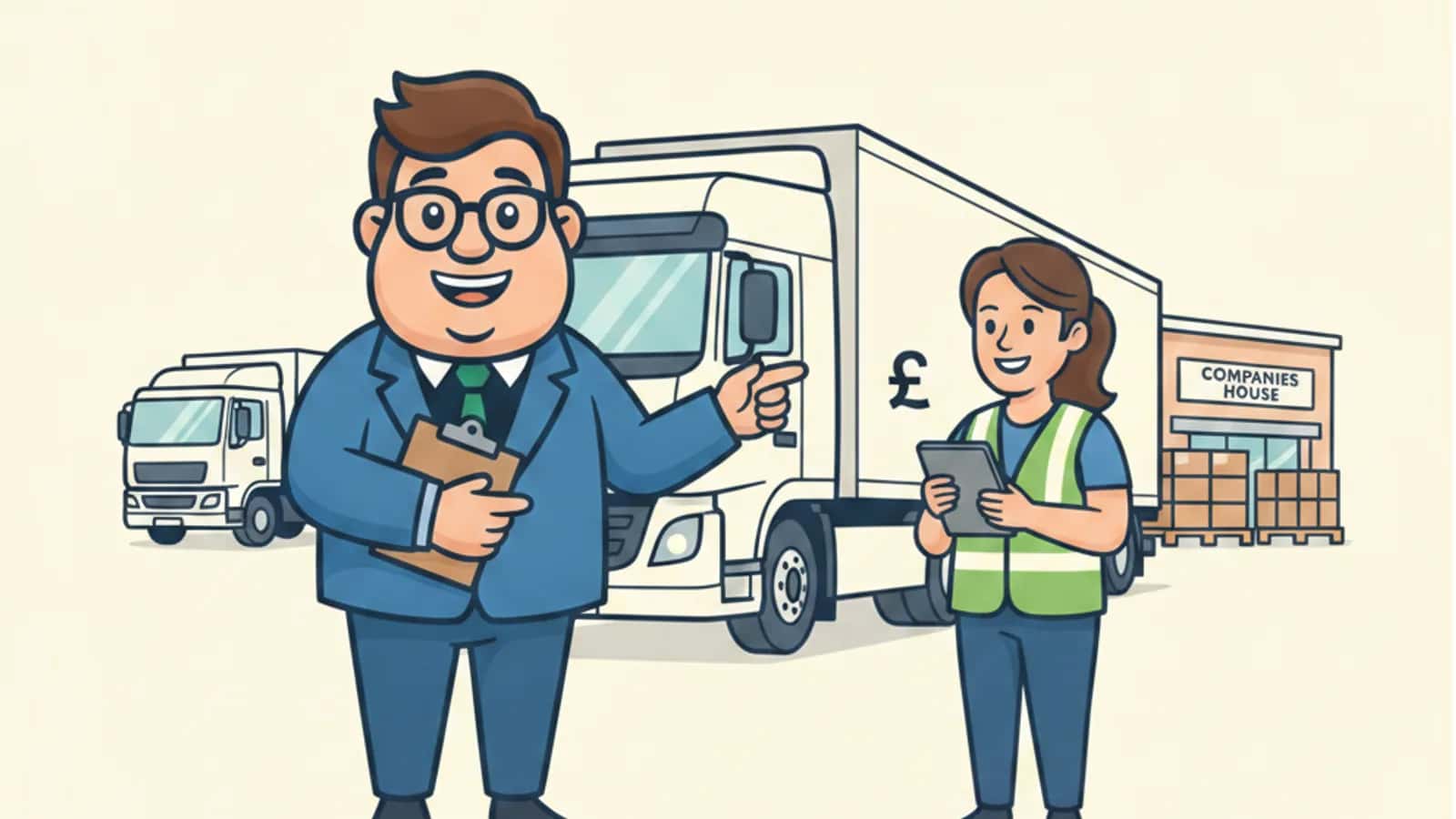
HGV and Truck Finance UK: How Hauliers Fund Vehicles Without Draining Cash Flow
HGV and truck finance UK allows hauliers to acquire commercial vehicles through hire purchase, finance lease, or operating lease arrangements without paying the full purchase price upfront. Most UK lenders offer flexible deposits from 0-20% of the vehicle value, with repayment terms from 2-7 years that match cash flow to vehicle earnings.
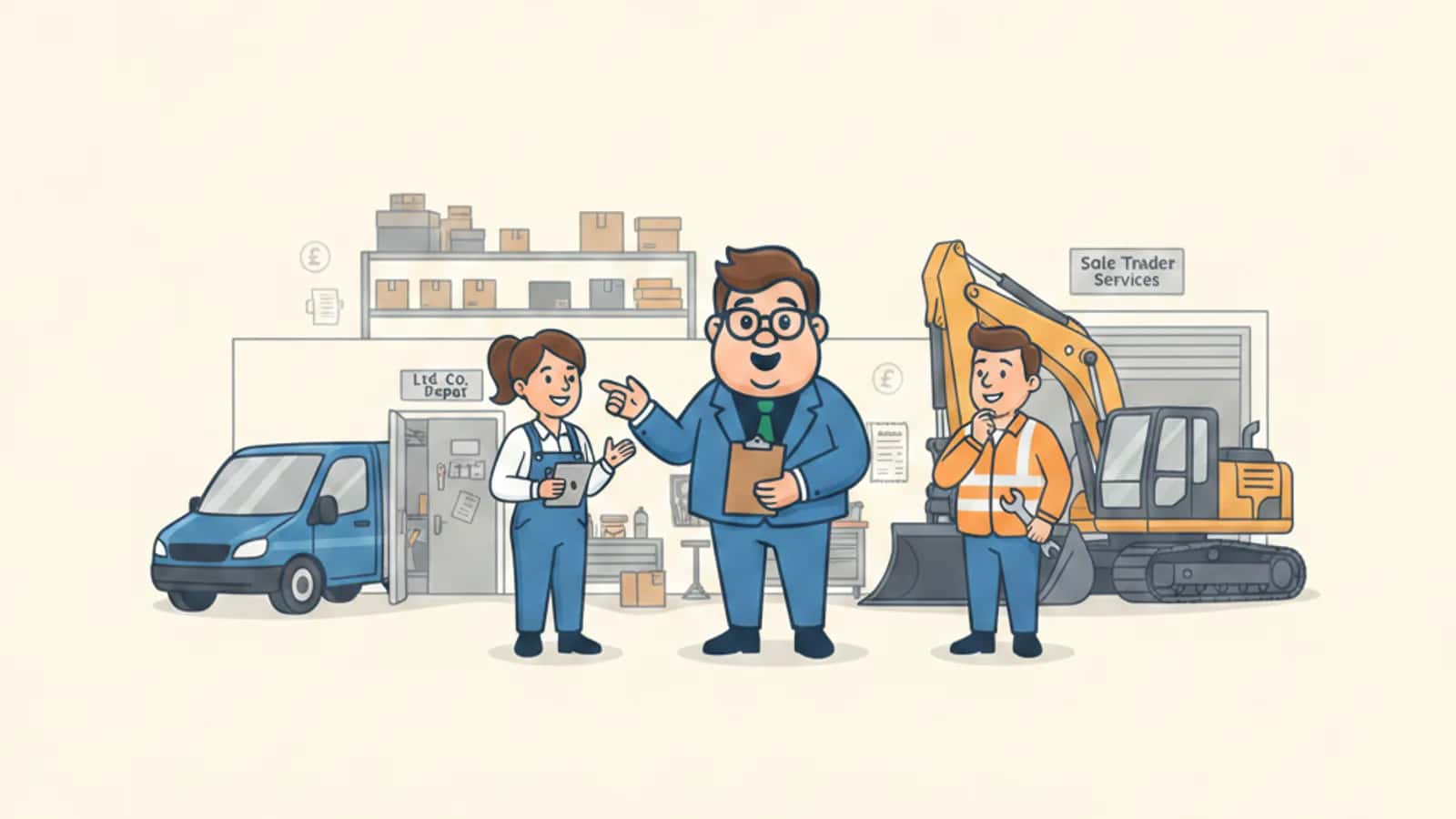
Asset Finance for Limited Companies vs Sole Traders: What Changes?
Limited companies typically access better asset finance rates and terms than sole traders due to stronger credit profiles and tax advantages, but sole traders can still secure competitive deals. The main changes include personal guarantees for sole traders, different documentation requirements, and varying tax benefits.

Balloon Payments and Residual Values in UK Asset Finance: What They Really Cost
Balloon payments and residual values in UK asset finance can reduce monthly payments by 30-50%, but they create a substantial final payment that often exceeds the asset's actual market value. The real cost includes higher total interest, negative equity risk, and refinancing fees if you can't pay the balloon amount when due.
Asset Finance questions
The important details before you check eligibility.
Can asset finance help preserve cash flow?
Asset finance can spread the cost of vehicles, equipment, or machinery over time, which may help a business avoid paying the full purchase price upfront.
What affects the cost of asset finance?
The asset type, deposit, term length, lender criteria, business trading history, and whether ownership transfers at the end can all affect the total cost.
What types of assets can be financed?
Vehicles, plant and machinery, equipment, and technology are commonly financed. Lenders may treat new and used assets differently.
Do I own the asset at the end of the term?
It depends on the agreement. Hire purchase usually transfers ownership at the end, while leases may offer return, upgrade, or purchase options.
Ready when you are
Explore asset finance options
Answer a few questions to see whether asset finance could fit your business plans. It only takes about 2 minutes, with no hard credit check to start.