
Asset Finance. Without the Fuss.
Vehicle, equipment, and machinery finance explained — compare deposits, repayments, ownership, and cash-flow impact before you fund your next asset.
Asset finance explained
Use these guides to understand how vehicle, equipment, and machinery finance can affect deposits, monthly repayments, ownership, and cash flow — and which structure fits your business.
What to compare before you finance an asset
Finance type
Hire purchase, finance lease, and operating lease each treat ownership, your balance sheet, and end-of-term options differently.
Deposit & monthly cost
A larger deposit lowers monthly payments — weigh the upfront outlay against the impact on cash flow.
Ownership at the end
Decide whether you want to own the asset outright, hand it back, or upgrade when the term ends.
Asset lifespan vs term
Match the agreement length to how long the asset will stay useful and productive.
VAT & tax treatment
Check what maintenance is included and how VAT and tax relief apply to your chosen finance type.
Latest guides
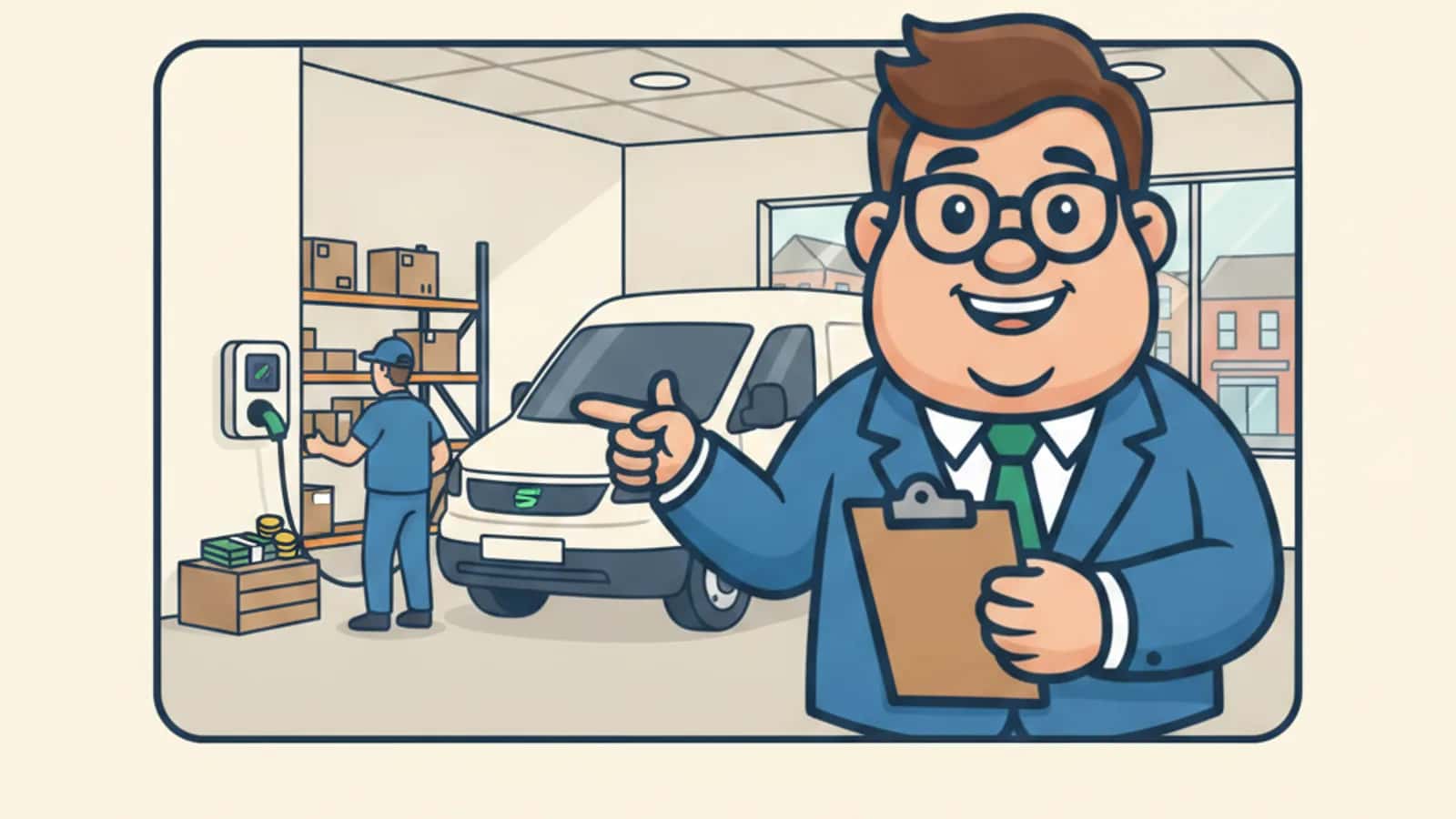
Electric Vehicle Fleet Finance UK: Funding Vans, Chargers and Transition Costs
UK businesses face a £15,000-£50,000 upfront investment per electric van, plus charging infrastructure costs, to meet the 2030 diesel ban deadline.
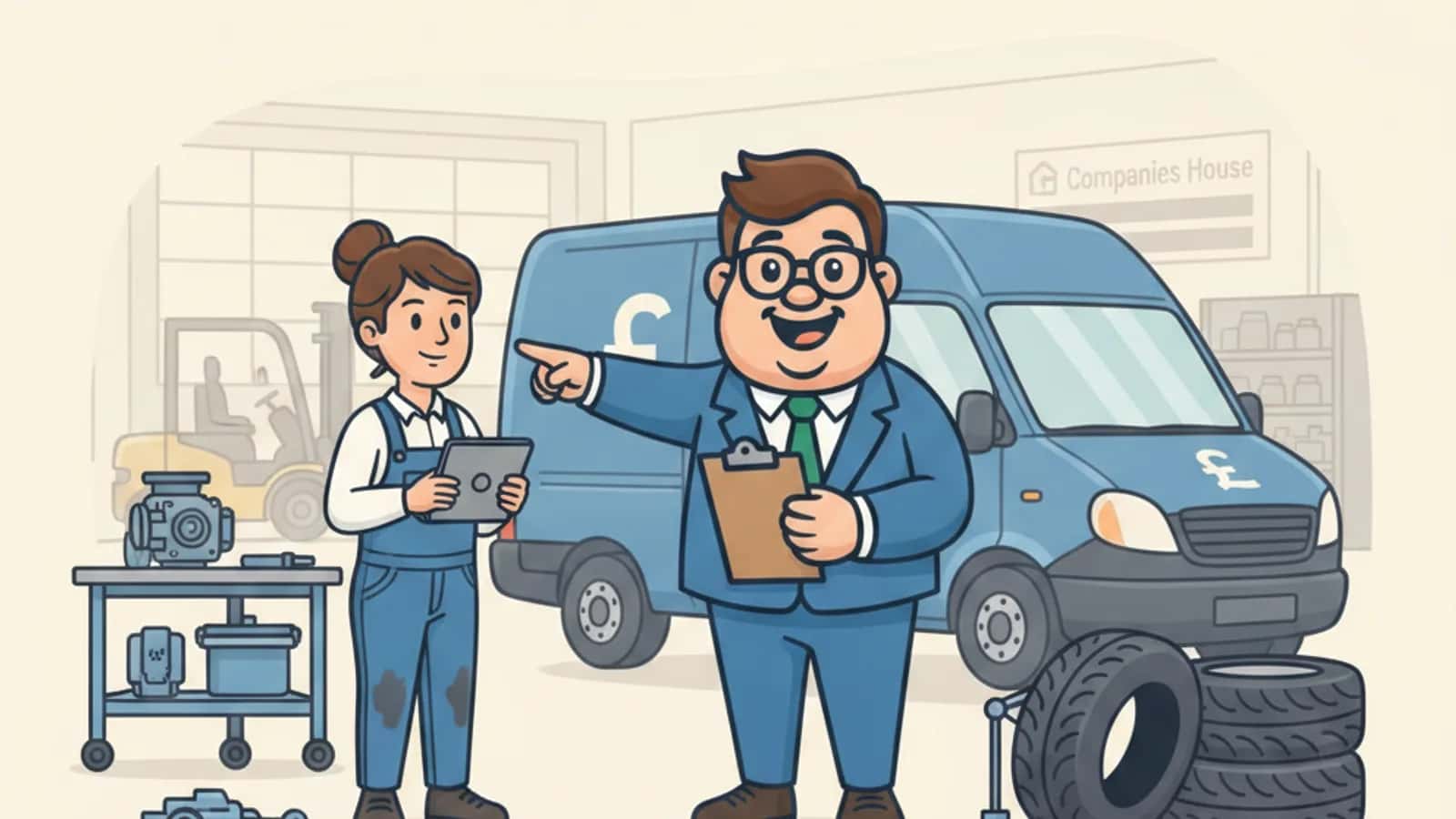
Equipment Leasing Tax and Accounting Basics for UK SMEs
UK SMEs can claim tax deductions on equipment lease payments, but the accounting treatment depends on whether the lease is classified as operating or finance. From January 2026, new FRS 102 rules require most leases to appear on balance sheets, affecting how businesses report their financial position while maintaining the same tax benefits.
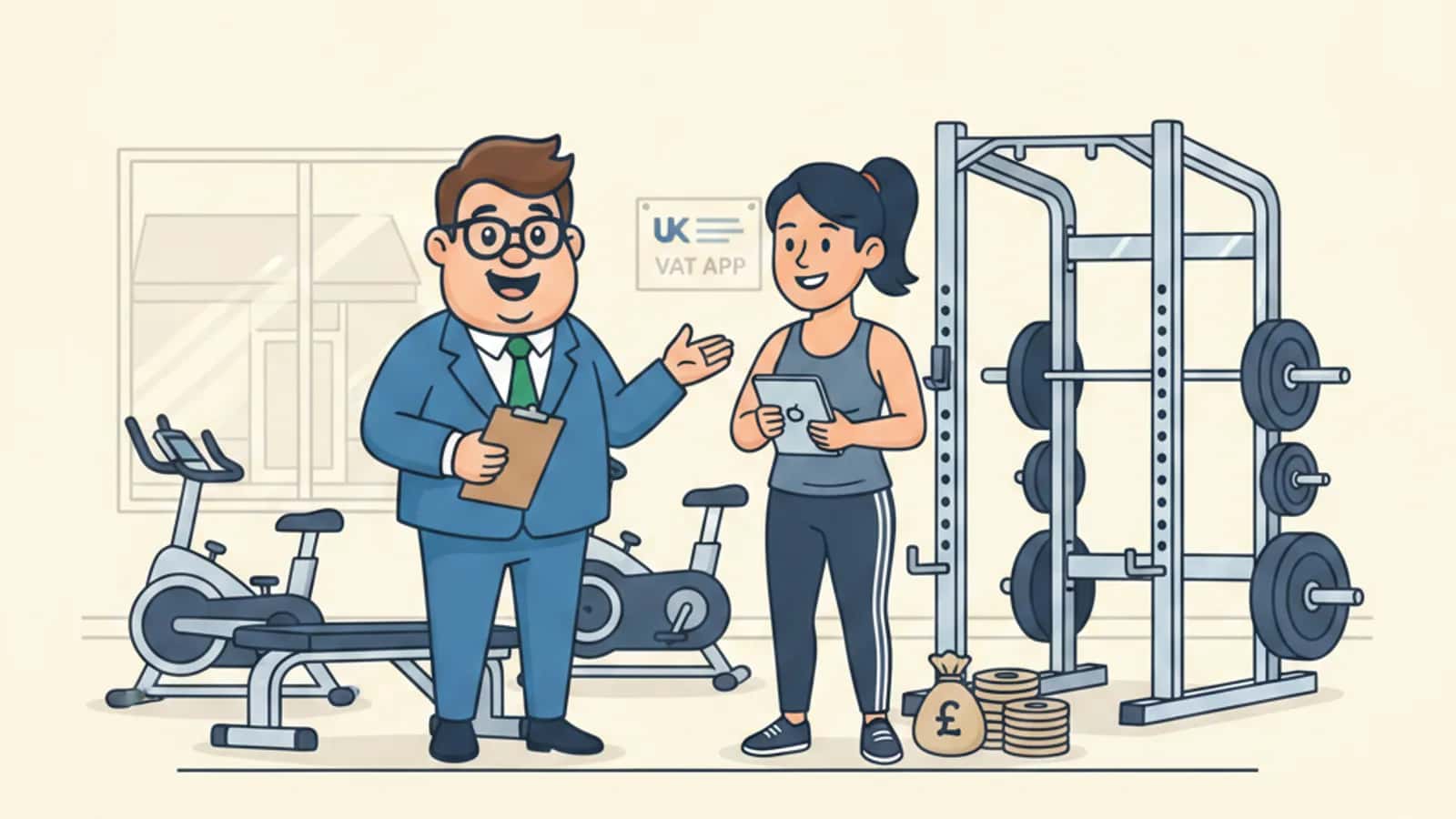
Gym and Fitness Equipment Finance UK: Leasing Machines, Rigs and Studio Fit-Outs
Gym and fitness equipment finance in the UK allows fitness businesses to acquire treadmills, weight machines, rigs, and complete studio fit-outs through hire purchase or finance lease arrangements from £1,000 to £5 million.

Hire Purchase vs Finance Lease: Which Asset Finance Structure Fits Your Business?
Hire purchase leads to asset ownership after final payment and allows capital allowances, while finance lease keeps ownership with the lender but spreads VAT payments and often provides lower monthly costs. Choose hire purchase for long-term assets you want to own, finance lease for equipment you'll upgrade regularly or when cash flow is tight.
Medical and Dental Equipment Finance UK: Funding High-Cost Practice Assets
Medical and dental equipment finance in the UK provides healthcare practices with hire purchase, finance lease, and contract hire options to acquire essential assets from £1,000 to £5 million without full upfront payment.
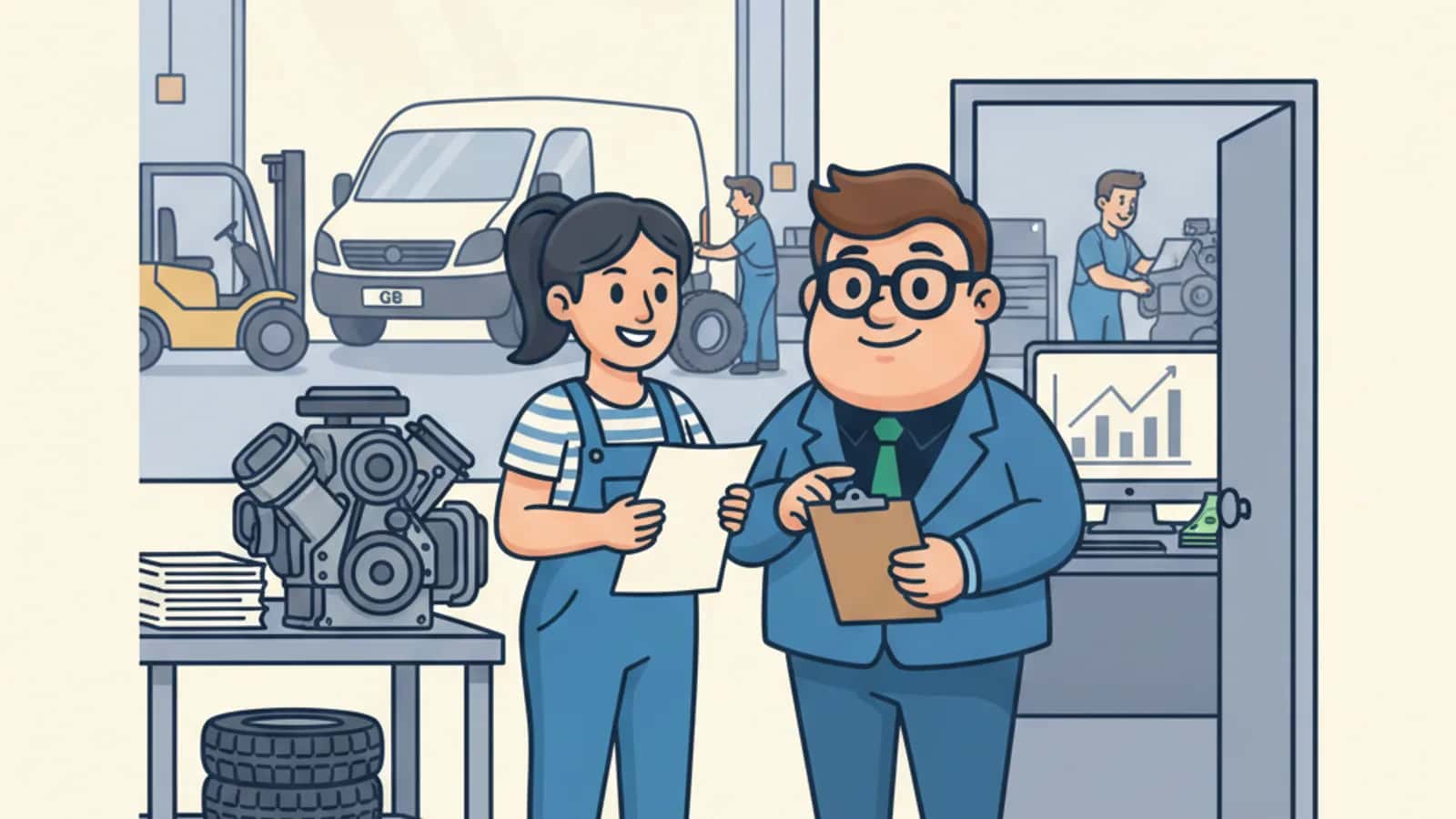
Personal Guarantees on Asset Finance: When Directors Are Asked to Sign
Directors are commonly asked to sign personal guarantees on asset finance deals to reduce lender risk, especially for newer companies or those with limited credit history. This makes directors personally liable for company debts if the business defaults, potentially putting personal assets including homes at risk.
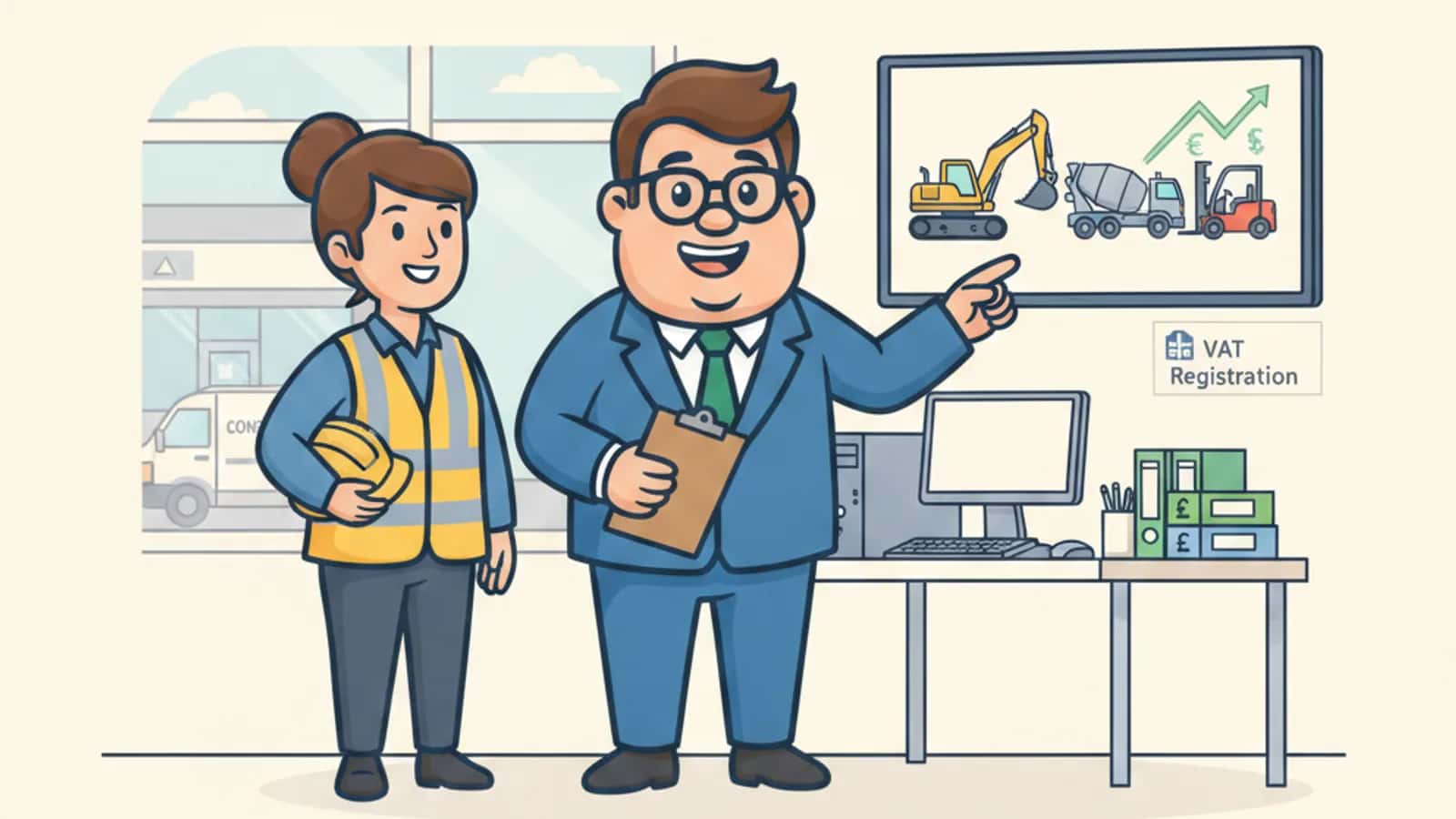
Plant and Machinery Finance for UK Construction Businesses: Fast Funding Options for 2026
Plant and machinery finance for UK construction businesses provides funding from £1k to £5m for excavators, cranes, concrete mixers, and other essential equipment through hire purchase, finance lease, or contract hire arrangements.
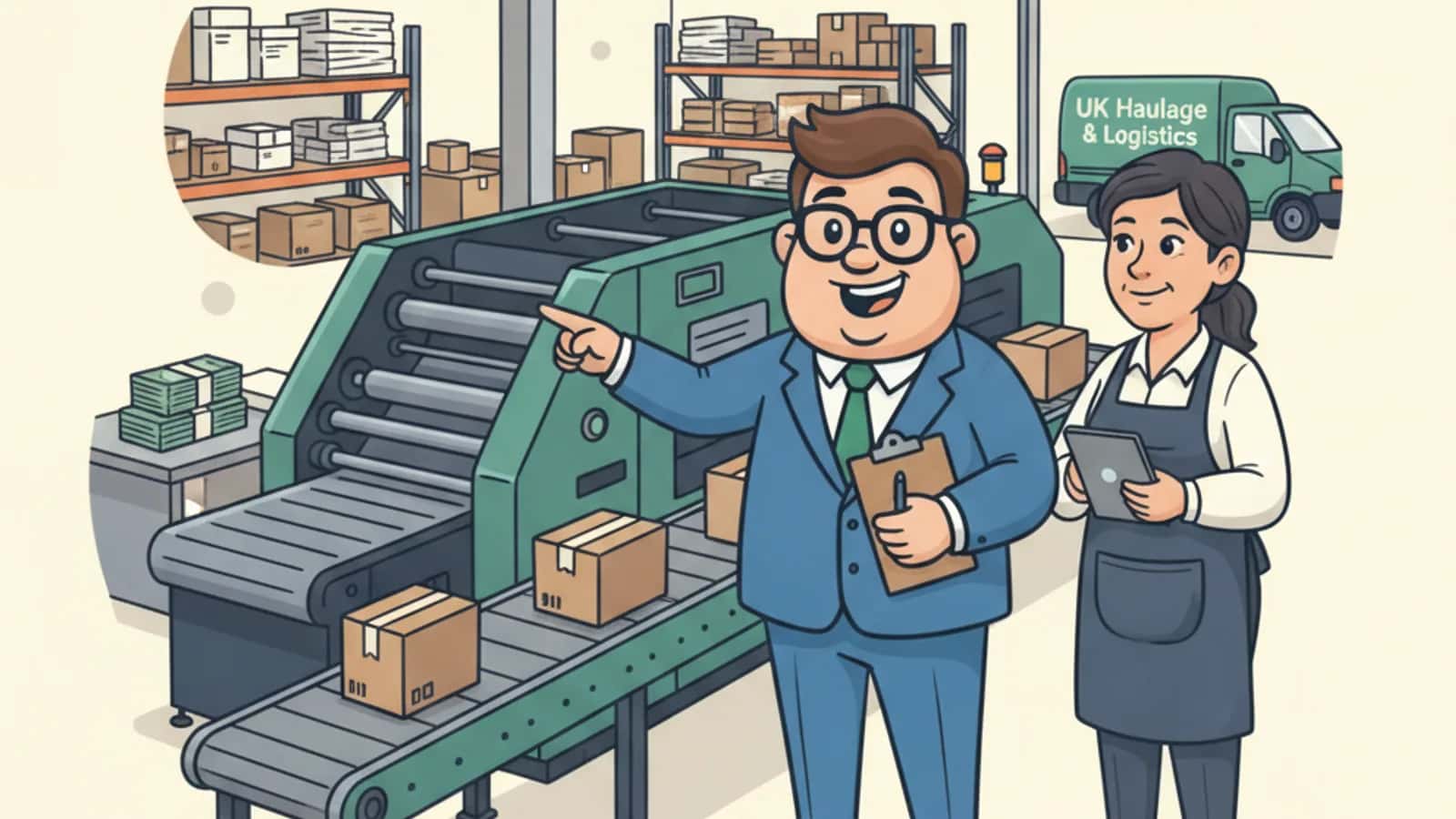
Printing and Packaging Equipment Finance UK: Funding Presses and Production Lines
Printing and packaging equipment finance in the UK provides businesses with immediate access to production machinery through hire purchase, finance lease, or asset-backed lending from £1,000 to £5 million.
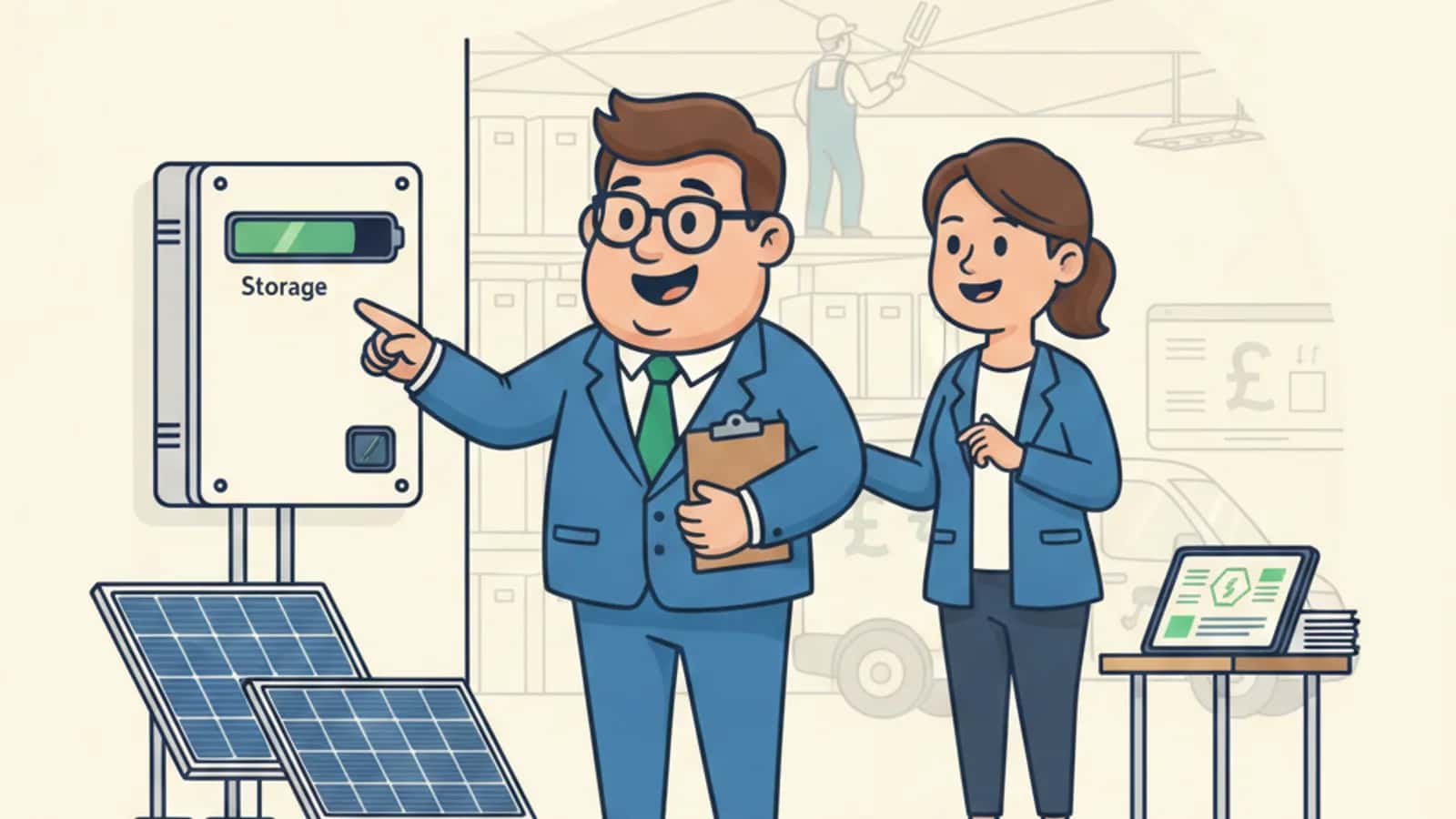
Renewable Energy Asset Finance UK: Solar, Batteries and Energy-Efficient Equipment
UK businesses are securing renewable energy systems worth £25k to £3m through specialist asset finance, with terms from 5-15 years and deposit options starting from 0%. Solar panels, battery storage, and energy-efficient equipment can be acquired through hire purchase, finance lease, or Power Purchase Agreements without full upfront capital outlay.
Asset Finance questions
The important details before you check eligibility.
Can asset finance help preserve cash flow?
Asset finance can spread the cost of vehicles, equipment, or machinery over time, which may help a business avoid paying the full purchase price upfront.
What affects the cost of asset finance?
The asset type, deposit, term length, lender criteria, business trading history, and whether ownership transfers at the end can all affect the total cost.
What types of assets can be financed?
Vehicles, plant and machinery, equipment, and technology are commonly financed. Lenders may treat new and used assets differently.
Do I own the asset at the end of the term?
It depends on the agreement. Hire purchase usually transfers ownership at the end, while leases may offer return, upgrade, or purchase options.
Ready when you are
Explore asset finance options
Answer a few questions to see whether asset finance could fit your business plans. It only takes about 2 minutes, with no hard credit check to start.