Used Equipment Finance UK: Can You Finance Second-Hand Machinery?
Yes, you can finance second-hand machinery in the UK through hire purchase and finance lease agreements from specialist lenders. Most asset finance providers actively support used equipment purchases with terms from 2-7 years, though deposits may be higher and criteria stricter than new equipment deals.
Quick answer
Yes, you can finance second-hand machinery in the UK through hire purchase and finance lease agreements from specialist lenders. Most asset finance providers actively support used equipment purchases with terms from 2-7 years, though deposits may be higher and criteria stricter than new equipment deals.
Key takeaways
- Used equipment finance is widely available through hire purchase and finance lease products across the UK
- Specialist lenders offer terms from 2-7 years for second-hand machinery, construction equipment, and commercial vehicles
- Deposits typically range from 10-30% for used assets, compared to 0-20% for new equipment
- Manufacturing, construction, and agricultural businesses regularly finance used machinery to manage cash flow
- Fast decision processes available with 2-minute eligibility checks and same-day approvals possible
- Asset age, condition, and remaining useful life determine approval and rates rather than blanket exclusions
- Documentation requirements include asset valuations, service records, and proof of purchase price
What is Used Equipment Finance and How Does It Work?
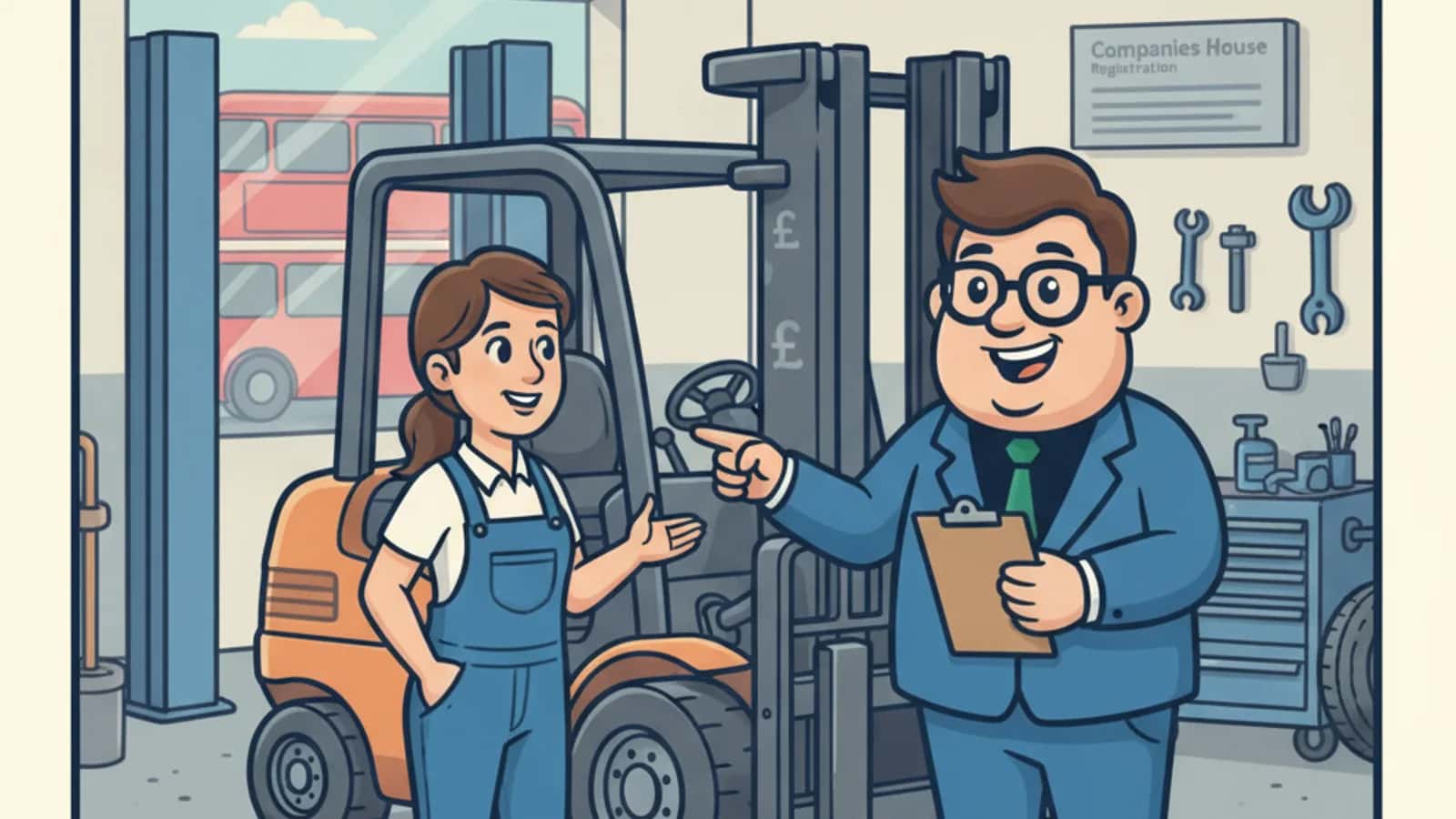
Used equipment finance allows businesses to acquire second-hand machinery, vehicles, and plant through hire purchase or finance lease agreements rather than paying the full purchase price upfront. The lender purchases the asset and the business makes monthly payments over an agreed term, typically 2-7 years.
The process works identically to new equipment finance. You identify the machinery you need, get quotes from dealers or private sellers, then apply for finance. The lender assesses both your business creditworthiness and the asset's value, condition, and marketability. Once approved, they pay the seller directly and you take possession of the equipment.
Two main finance structures dominate used equipment deals
- Hire Purchase: You own the asset at the end after paying all instalments plus a nominal option fee
- Finance Lease: Lower monthly payments but the lender retains ownership; you can often purchase at market value later
Choose hire purchase if you want guaranteed ownership and can claim capital allowances. Finance lease works better when you need lower payments and plan to upgrade equipment regularly.
The key difference from new equipment deals lies in the lender's risk assessment. They evaluate remaining useful life, maintenance history, and secondary market demand more carefully than with new assets.
Can You Get a Loan for Second-Hand Machinery in the UK?
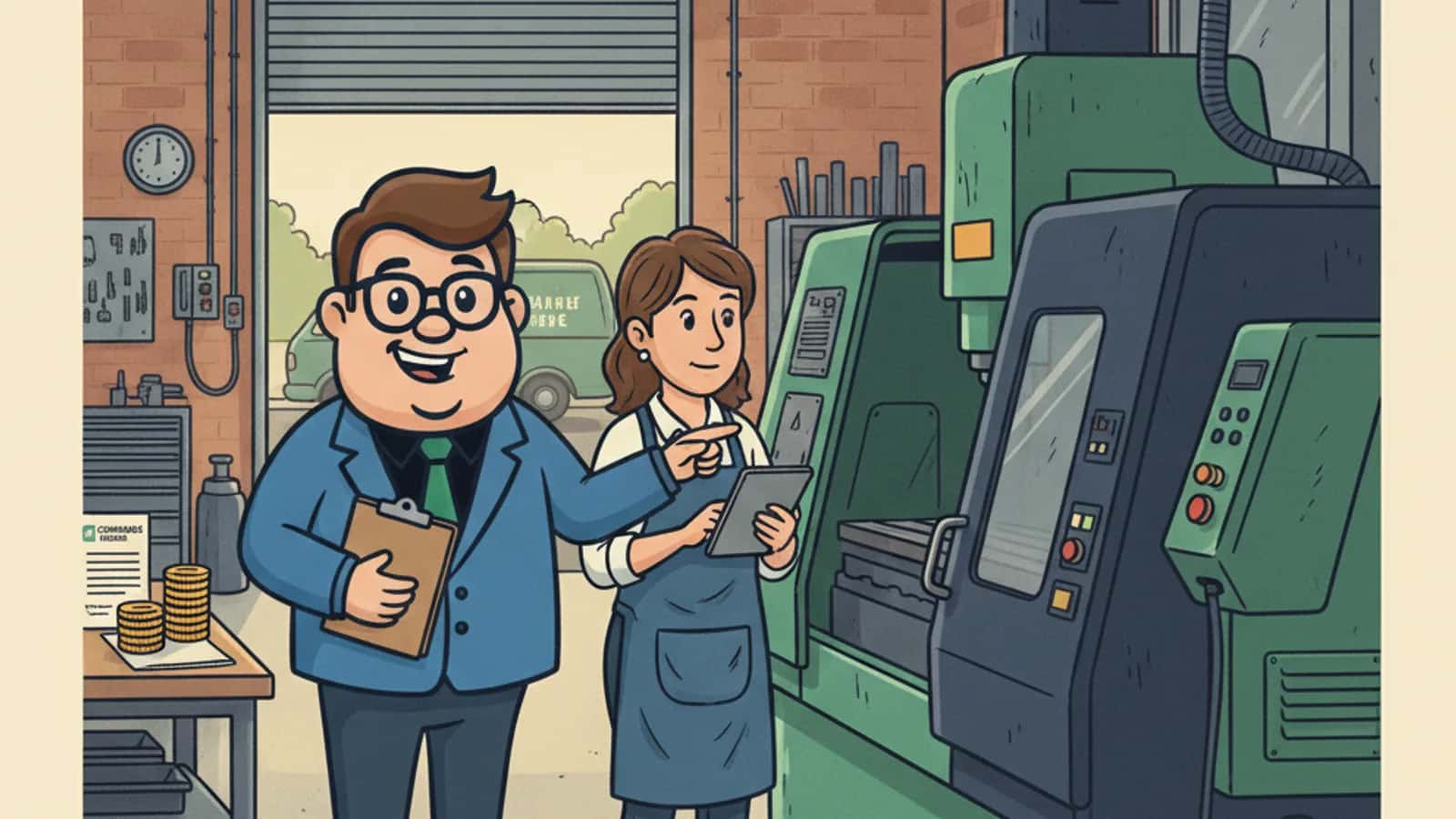
Yes, specialist asset finance lenders actively provide loans for second-hand machinery across the UK, with many preferring the term "used equipment finance" over traditional business loans for these purchases. Major providers including Lombard, Close Brothers, and specialist finance houses offer dedicated used machinery products.
Most lenders structure these as asset-backed agreements rather than unsecured business loans. This means the machinery itself secures the finance, allowing for larger amounts and longer terms than typical business loans. You can typically finance 70-90% of the asset value, depending on age and condition.
The application process mirrors new equipment finance:
- Complete eligibility check (often 2 minutes with no hard credit search)
- Submit asset details and purchase documentation
- Lender arranges asset valuation if required
- Receive decision and funding within 24-48 hours
Asset finance provides faster decisions than business loans because the physical asset reduces lender risk. Even businesses with limited trading history can access funding if they're purchasing quality used machinery with strong resale value.
For construction equipment, manufacturing machinery, and commercial vehicles, asset finance specialists often approve used equipment deals that traditional business loan providers would decline.
What Equipment Can You Finance Second-Hand?
Most commercial and industrial equipment qualifies for used equipment finance, with lenders typically accepting assets up to 15 years old depending on type and condition. Manufacturing machinery, construction equipment, agricultural plant, and commercial vehicles form the core of the used equipment finance market.
Construction Equipment commonly financed used
- Excavators and diggers
- Dumper trucks and site vehicles
- Cranes and lifting equipment
- Concrete pumps and mixers
- Road surfacing machinery
Manufacturing and Industrial Plant
- CNC machines and lathes
- Printing and packaging equipment
- Food processing machinery
- Textile and garment equipment
- Welding and fabrication tools
Commercial Vehicles and Transport
- HGVs and commercial trucks
- Vans and light commercial vehicles
- Trailers and specialist transport
- Forklift trucks and warehouse equipment
Agricultural Machinery
- Tractors and combine harvesters
- Cultivation and planting equipment
- Livestock handling systems
- Irrigation and crop processing plant
Lenders exclude certain categories from used equipment finance. Personal vehicles, assets over 15 years old, or equipment with limited resale markets typically don't qualify. Choose assets with established secondary markets and ongoing manufacturer support for the best approval chances.
The plant and machinery finance sector particularly welcomes used equipment deals because construction businesses regularly trade up equipment as projects demand.
How Much Does Used Equipment Financing Cost?
Used equipment finance typically costs 6-15% APR depending on asset age, your business profile, and deposit amount. Rates run 1-3% higher than equivalent new equipment deals because lenders price in depreciation risk and shorter remaining asset life.
Typical cost structure for used equipment finance
- Interest rates: 6-15% APR (new equipment: 4-12% APR)
- Deposits: 10-30% of asset value (new equipment: 0-20%)
- Arrangement fees: £250-£500 or 1-2% of advance
- Documentation fees: £150-£300
- Broker fees: 1-3% if using intermediary
Factors affecting your rate
- Asset age and condition (newer = lower rates)
- Deposit size (higher deposit = lower rate)
- Business trading history and credit score
- Asset type and resale market strength
- Term length (shorter terms often get better rates)
A £50,000 used excavator with 20% deposit over 5 years at 8% APR costs approximately £1,013 monthly. The same deal on new equipment might cost £965 monthly at 6% APR - a £48 monthly premium for used equipment flexibility.
Compare this with cash purchase opportunity costs. If your business earns 12% annually on working capital, financing at 8% while preserving cash flow makes financial sense even with the rate premium.
What's the Difference Between New and Used Equipment Finance?
Used equipment finance requires higher deposits, carries slightly higher rates, and involves more detailed asset assessment than new equipment deals, but the core finance products and application processes remain identical.
<div style="overflow-x: auto; margin: 20px 0;"> <table style="width: 100%; border-collapse: collapse; border: 1px solid #ddd;"> <thead> <tr style="background-color: #f5f5f5;"> <th style="padding: 12px; border: 1px solid #ddd; text-align: left;">Aspect</th> <th style="padding: 12px; border: 1px solid #ddd; text-align: left;">New Equipment</th> <th style="padding: 12px; border: 1px solid #ddd; text-align: left;">Used Equipment</th> </tr> </thead> <tbody> <tr> <td style="padding: 12px; border: 1px solid #ddd;"><strong>Deposit Required</strong></td> <td style="padding: 12px; border: 1px solid #ddd;">0-20% typical</td> <td style="padding: 12px; border: 1px solid #ddd;">10-30% typical</td> </tr> <tr style="background-color: #f9f9f9;"> <td style="padding: 12px; border: 1px solid #ddd;"><strong>Interest Rates</strong></td> <td style="padding: 12px; border: 1px solid #ddd;">4-12% APR</td> <td style="padding: 12px; border: 1px solid #ddd;">6-15% APR</td> </tr> <tr> <td style="padding: 12px; border: 1px solid #ddd;"><strong>Asset Assessment</strong></td> <td style="padding: 12px; border: 1px solid #ddd;">Manufacturer spec review</td> <td style="padding: 12px; border: 1px solid #ddd;">Physical inspection often required</td> </tr> <tr style="background-color: #f9f9f9;"> <td style="padding: 12px; border: 1px solid #ddd;"><strong>Decision Speed</strong></td> <td style="padding: 12px; border: 1px solid #ddd;">Same day possible</td> <td style="padding: 12px; border: 1px solid #ddd;">1-3 days (valuation dependent)</td> </tr> <tr> <td style="padding: 12px; border: 1px solid #ddd;"><strong>Maximum Terms</strong></td> <td style="padding: 12px; border: 1px solid #ddd;">Up to 7 years</td> <td style="padding: 12px; border: 1px solid #ddd;">2-5 years typical</td> </tr> <tr style="background-color: #f9f9f9;"> <td style="padding: 12px; border: 1px solid #ddd;"><strong>Warranty Coverage</strong></td> <td style="padding: 12px; border: 1px solid #ddd;">Full manufacturer warranty</td> <td style="padding: 12px; border: 1px solid #ddd;">Limited or dealer warranty only</td> </tr> </tbody> </table> </div>
Documentation differences: New equipment deals rely on manufacturer specifications and dealer invoices. Used equipment finance requires service records, condition reports, and often independent valuations. This adds 1-2 days to the approval process but doesn't fundamentally change the application.
Risk assessment changes: Lenders focus heavily on remaining asset life and resale market strength for used equipment. A 5-year-old CNC machine with regular servicing and strong secondary demand gets similar treatment to new equipment. A 12-year-old specialized machine faces stricter criteria.
The key advantage of used equipment finance lies in immediate availability. You can purchase and finance equipment available today rather than waiting 8-16 weeks for new machinery delivery - crucial when equipment breaks down or contracts demand rapid mobilization.
Which Banks Offer Used Equipment Finance in the UK?
Most major UK banks and specialist lenders offer used equipment finance, with Lloyds Bank, Barclays, HSBC, and Close Brothers among the largest providers alongside specialist finance houses like Lombard and Hitachi Capital.
Major bank offerings
- Lloyds Bank: Equipment finance from £1,000 to £2 million, accepts used assets up to 10 years old
- Barclays: Asset finance including used machinery, focus on construction and manufacturing sectors
- HSBC: Commercial asset finance with used equipment specialists
- Close Brothers: Dedicated used equipment division, fast decisions on £5,000-£500,000 deals
Specialist lenders with strong used equipment focus
- Lombard (RBS Group): Manufacturing machinery specialists, accepts older industrial plant
- Hitachi Capital: Construction equipment focus, dealer partnerships for used plant
- JCB Finance: Fast decisions on used construction equipment
- Peregrine Finance: Industrial and construction finance specialists
Alternative finance providers: Many businesses now use specialist brokers and platforms to access multiple lenders simultaneously. This approach often delivers faster decisions and better rates than approaching banks directly.
Choose specialist lenders over high street banks for used equipment deals. They understand asset values, depreciation patterns, and secondary markets better than generalist business banking teams. Specialist lenders also offer more flexible deposit structures and faster decision processes.
For urgent equipment needs, asset finance platforms can compare multiple specialist lenders within minutes rather than weeks of individual bank applications.
How Do I Qualify for Used Machinery Financing?
You qualify for used machinery financing by demonstrating business stability, providing asset details, and meeting minimum trading requirements - typically 12 months in business with annual turnover of £100,000+ for most lenders.
Core eligibility criteria
- UK registered business (Ltd company or partnership)
- Minimum 12 months trading history
- Annual turnover £100,000+ (some lenders accept £50,000+)
- No recent CCJs, defaults, or insolvency events
- Asset age typically under 15 years
- Clear business need for the equipment
Business profile requirements: Lenders prefer businesses in established sectors like construction, manufacturing, agriculture, and logistics. They assess your industry experience, customer base stability, and cash flow patterns. A construction company buying a used excavator gets easier approval than a startup buying specialized manufacturing equipment.
Asset-specific criteria: The machinery itself must meet lender requirements. Popular equipment types (excavators, CNC machines, commercial vehicles) qualify more easily than specialized or niche machinery. Assets need clear market value, ongoing manufacturer support, and reasonable remaining useful life.
Financial health indicators: Strong management accounts, positive cash flow, and growing order books improve approval chances significantly. Even businesses with limited credit history can qualify if they demonstrate clear asset need and ability to service payments.
Quick qualification check: Most lenders offer 2-minute eligibility checks with no impact on credit scores. This soft search reveals likely approval and indicative terms before formal application, letting you shop for equipment with confidence.
What Documents Do I Need for Used Equipment Finance?
Used equipment finance applications require business financial documents, asset details, and purchase documentation - typically including 2 years' accounts, recent management information, and detailed equipment specifications with service records.
Essential business documents
- Last 2 years' filed accounts (or management accounts for newer businesses)
- Recent management accounts (within 3 months)
- 3-6 months' business bank statements
- VAT returns (if VAT registered)
- Business plan or cash flow forecast (for newer businesses)
Asset-specific documentation
- Detailed equipment specifications and model details
- Service and maintenance records
- Current condition report or inspection certificate
- Purchase invoice or agreed sale price
- Photos of the equipment (exterior and key components)
- Manufacturer literature or technical specifications
Purchase documentation
- Signed purchase agreement or sales invoice
- Dealer or seller business details
- Delivery and installation arrangements
- Any warranty or guarantee information
- Insurance quotation for the asset
Additional requirements for older or high-value assets: Lenders may request independent valuations for equipment over £100,000 or assets more than 7 years old. Professional equipment appraisers provide detailed condition reports and market value assessments, typically costing £300-£800 depending on asset complexity.
Digital application processes: Most specialist lenders accept document uploads through secure portals, speeding up the application process. Mobile phone photos often suffice for initial asset assessment, with detailed inspections only required for high-value or complex machinery.
Prepare documentation before finding equipment. Having financial documents ready lets you move quickly when you find the right machinery, crucial in competitive used equipment markets.
Can You Finance Used Equipment with Bad Credit?
Yes, you can finance used equipment with bad credit through specialist lenders who focus on asset security rather than credit scores alone, though expect higher deposits, shorter terms, and increased rates compared to prime lending.
Bad credit considerations: Specialist asset finance lenders often approve deals declined by mainstream banks because the physical asset provides security. A valuable excavator or CNC machine reduces lender risk even if your credit file shows historical issues.
Typical bad credit terms
- Higher deposits (30-50% vs 10-20% for good credit)
- Shorter repayment terms (2-3 years vs 5-7 years)
- Increased interest rates (12-20% vs 6-12%)
- More frequent payment schedules (weekly vs monthly)
- Personal guarantees from directors
Asset types that help approval: Equipment with strong resale markets and clear ownership transfer processes work best for bad credit applications. Construction equipment, commercial vehicles, and standard manufacturing machinery qualify more easily than specialized or niche assets.
Improving approval chances: Larger deposits significantly improve bad credit approval rates. If you can fund 40-50% of the asset cost, many specialist lenders will consider applications from businesses with CCJs, defaults, or even previous insolvency events over 12 months old.
Alternative structures: Some lenders offer lease-purchase agreements or conditional sale contracts with different risk profiles than standard hire purchase. These products sometimes accommodate worse credit histories by structuring payments differently.
For businesses with credit challenges, bad credit asset finance specialists understand that past financial difficulties don't always predict future performance, especially when backed by valuable assets.
What Happens If Equipment Breaks Down After Financing?
If financed equipment breaks down, you remain liable for all payments regardless of the asset's condition, making equipment insurance and maintenance planning crucial parts of any used machinery finance agreement.
Your ongoing obligations: Finance agreements continue even if equipment becomes unusable. The lender has no responsibility for repairs, maintenance, or replacement costs. This differs from leasing arrangements where the finance company sometimes shares maintenance responsibilities.
Insurance requirements: All lenders require comprehensive equipment insurance covering theft, damage, and breakdown. This insurance protects the lender's security interest but also covers your repair costs. Typical policies include:
- Comprehensive equipment cover
- Public liability insurance
- Loss of earnings protection (optional but recommended)
- Breakdown and maintenance cover (additional premium)
Maintenance and service obligations: You must maintain the equipment in good working order throughout the finance term. This includes regular servicing, prompt repairs, and keeping maintenance records. Neglecting maintenance can breach your finance agreement terms.
Breakdown response options: When equipment fails, contact your insurance provider immediately. Most policies cover repair costs minus excess payments. For major breakdowns exceeding repair economic limits, insurance should provide replacement value settlements that can pay off remaining finance balances.
Extended warranty considerations: For used equipment, consider extended warranty or maintenance contracts from dealers or manufacturers. These additional costs often prove worthwhile for critical business equipment, providing predictable maintenance budgets and faster repair response.
Business continuity planning: Plan for equipment downtime by maintaining relationships with plant hire companies or equipment rental specialists. Short-term hire can keep your business operating while permanent equipment undergoes major repairs.
Is Used Equipment Finance Worth It vs Buying Outright?
Used equipment finance makes sense when preserving working capital, managing cash flow, or accessing tax benefits outweigh the finance costs - typically when your business can earn more than 8-12% annually on retained cash or needs immediate equipment access without large capital outlay.
Financial comparison factors: Compare finance costs against opportunity costs of cash. If your business generates 15% returns on working capital, financing equipment at 10% creates net value even after interest costs. Construction companies often finance used plant because contract deposits and materials purchases demand immediate cash availability.
Cash flow advantages: Monthly payments spread equipment costs over useful life, matching expense timing with revenue generation. This particularly benefits seasonal businesses or those with lumpy cash flows. A landscaping business financing used machinery can align payments with growing season revenues.
Tax planning considerations: Financed equipment may qualify for different tax treatments than cash purchases. Hire purchase payments split between capital and interest elements, while lease payments might qualify as fully deductible expenses. Consult your accountant about Annual Investment Allowance and capital allowance implications.
Risk management benefits: Financing preserves cash for unexpected opportunities or emergencies. Manufacturing businesses often finance used equipment to maintain credit facilities for raw material purchases or expansion opportunities.
Speed and flexibility advantages: Used equipment finance enables immediate purchase without depleting cash reserves. When critical equipment fails or contracts demand rapid mobilization, financing provides faster access than waiting to accumulate purchase funds.
Break-even analysis: Finance makes sense when monthly payments plus opportunity costs exceed cash purchase benefits. For a £100,000 used machine, monthly payments of £2,000 over 5 years cost £120,000 total. If keeping £100,000 in working capital generates £25,000+ annually, financing proves worthwhile despite the premium.
How Long Do Used Equipment Finance Terms Usually Last?
Used equipment finance terms typically range from 2-5 years, shorter than new equipment deals due to asset age and depreciation concerns, with agricultural machinery often extending to 7 years and construction equipment averaging 3-4 years.
Term length by asset category
- Construction equipment: 2-4 years typical
- Manufacturing machinery: 3-5 years standard
- Agricultural equipment: 2-7 years (varies by asset type)
- Commercial vehicles: 2-4 years common
- Specialized industrial plant: 2-3 years typical
Factors determining term length: Asset age significantly impacts available terms. Equipment under 5 years old may qualify for longer terms, while assets over 10 years typically face 2-3 year maximum terms. Lenders want agreements to end while assets retain meaningful residual value.
Depreciation considerations: Lenders structure terms to ensure loan balances don't exceed asset values. Fast-depreciating equipment like IT hardware or vehicles get shorter terms, while slower-depreciating plant like CNC machines or agricultural tractors qualify for longer periods.
Payment structure options
- Level payments: Equal monthly amounts throughout the term
- Seasonal payments: Higher payments during peak trading periods
- Balloon payments: Lower monthly payments with larger final payment
- Step-up payments: Increasing payments as business grows
Matching terms to business needs: Choose terms that align with equipment usage patterns and cash flow cycles. Construction companies often prefer 3-4 year terms matching typical plant replacement cycles. Manufacturing businesses may extend terms to 5 years for specialized machinery with longer useful lives.
Early settlement options: Most agreements allow early settlement with rebated interest calculations. This flexibility helps businesses that want to upgrade equipment or improve cash flow by eliminating finance payments ahead of schedule.
Common Mistakes When Financing Second-Hand Machinery
The biggest mistake when financing used equipment is inadequate due diligence on asset condition and maintenance history, leading to unexpected repair costs and reduced productivity that weren't factored into the business case.
Asset assessment errors
- Accepting seller condition reports without independent inspection
- Ignoring service history gaps or poor maintenance records
- Underestimating remaining useful life and future repair needs
- Failing to verify asset specifications match business requirements
- Not researching parts availability and service support costs
Financial planning mistakes
- Focusing only on monthly payments without considering total costs
- Ignoring insurance, maintenance, and operating cost increases
- Choosing maximum terms without considering asset depreciation
- Not comparing finance costs against cash purchase alternatives
- Underestimating deposit requirements and arrangement fees
Documentation and legal oversights
- Not reading finance agreement terms thoroughly
- Accepting unfavorable early settlement or modification clauses
- Ignoring personal guarantee implications for directors
- Failing to understand insurance and maintenance obligations
- Not planning for end-of-term asset disposal or purchase options
Timing and process errors: Many businesses rush used equipment purchases without proper market research. Spend time comparing similar assets, getting multiple valuations, and understanding fair market prices. Used equipment markets can vary significantly, and patient buyers often secure better deals.
Lender selection problems: Applying to inappropriate lenders wastes time and creates unnecessary credit searches. Specialist asset finance providers understand used equipment markets better than generalist business lenders and often provide faster decisions with more flexible terms.
Risk management failures: Not planning for equipment downtime, breakdown costs, or technology obsolescence can turn profitable equipment purchases into cash flow problems. Factor ongoing operating costs and replacement planning into your financing decisions from the start.
Can You Refinance Used Equipment Finance?
Yes, you can refinance used equipment finance to reduce payments, release equity, or improve terms, though the asset's current condition and market value determine available options rather than the original finance amount.
Refinancing scenarios that work
- Interest rates have decreased since original financing
- Your business credit profile has improved significantly
- Asset values have remained stable or increased
- You need to reduce monthly payments or extend terms
- Combining multiple asset finances into single facility
Equity release opportunities: If your financed equipment has maintained value better than expected, refinancing can release cash for business growth. A CNC machine financed at £150,000 but now worth £120,000 with £80,000 outstanding balance could support additional borrowing of £20,000-£30,000.
Refinancing process requirements: Lenders treat refinancing as new applications, requiring current asset valuations, updated financial information, and fresh credit assessments. The equipment undergoes new condition surveys and market value assessments regardless of original purchase price.
Cost-benefit analysis: Refinancing involves new arrangement fees (£500-£2,000), valuation costs (£300-£800), and potential early settlement penalties on existing finance. Calculate whether interest savings and improved terms justify these upfront costs over the remaining finance period.
Alternative approaches: Instead of refinancing, consider additional asset finance for new equipment needs or business loan facilities secured against existing paid-down assets. These options sometimes provide better terms than refinancing existing agreements.
Timing considerations: Refinance when you have at least 18-24 months remaining on current agreements and when asset values support meaningful equity release. Very short remaining terms or heavily depreciated assets rarely justify refinancing costs.
Next steps
Used equipment finance provides UK businesses with flexible access to second-hand machinery without depleting working capital reserves. With specialist lenders offering competitive rates, fast decisions, and terms up to 7 years, financing used equipment often makes more sense than cash purchases for growing businesses. For more equipment funding comparisons and practical guidance, browse our asset finance guides.
The key to successful used equipment finance lies in thorough asset assessment, appropriate lender selection, and realistic financial planning. While rates run slightly higher than new equipment deals, the combination of immediate availability, preserved cash flow, and tax benefits typically justifies the additional cost.
Ready to explore used equipment finance options? Complete a 2-minute eligibility check with specialist lenders who understand your asset needs. Compare hire purchase and finance lease options across multiple providers without impacting your credit score.
Check Eligibility Now for fast decisions on construction equipment, manufacturing machinery, and commercial vehicles from £1,000 to £5 million. Specialist partners offer flexible deposits and terms designed for businesses with time-sensitive asset requirements.
Further reading
Frequently asked questions
What is Used Equipment Finance and How Does It Work?
Used equipment finance allows businesses to acquire second-hand machinery, vehicles, and plant through hire purchase or finance lease agreements rather than paying the full purchase price upfront. The lender purchases the asset and the business makes monthly payments over an agreed term, typically 2-7 years.
Can You Get a Loan for Second-Hand Machinery in the UK?
Yes, specialist asset finance lenders actively provide loans for second-hand machinery across the UK, with many preferring the term "used equipment finance" over traditional business loans for these purchases. Major providers including Lombard, Close Brothers, and specialist finance houses offer dedicated used machinery products.
What Equipment Can You Finance Second-Hand?
Most commercial and industrial equipment qualifies for used equipment finance, with lenders typically accepting assets up to 15 years old depending on type and condition. Manufacturing machinery, construction equipment, agricultural plant, and commercial vehicles form the core of the used equipment finance market.
How Much Does Used Equipment Financing Cost?
Used equipment finance typically costs 6-15% APR depending on asset age, your business profile, and deposit amount. Rates run 1-3% higher than equivalent new equipment deals because lenders price in depreciation risk and shorter remaining asset life.
What's the Difference Between New and Used Equipment Finance?
Used equipment finance requires higher deposits, carries slightly higher rates, and involves more detailed asset assessment than new equipment deals, but the core finance products and application processes remain identical.
Which Banks Offer Used Equipment Finance in the UK?
Most major UK banks and specialist lenders offer used equipment finance, with Lloyds Bank, Barclays, HSBC, and Close Brothers among the largest providers alongside specialist finance houses like Lombard and Hitachi Capital.
Written by
The Funding Fred Editorial Team creates plain-English guides to help business owners understand funding options, eligibility, and application readiness before they compare finance options.
Reviewed by
UK business finance content reviewer
Robert reads our UK business finance guides before they go live, checking each one is accurate, easy to follow, and reflects how lending actually works today — not how a brochure says it should. He's listed on the FCA Register, approved as an SMF3 (AR) Executive Director at Switcha Limited, and connected to Lucky Growth Partners Ltd through its appointed representative relationship, so the regulated detail gets a properly qualified second read.
Sources
- Second Hand Machinery Finance - [2] Manufacturing Machinery - https://www.lombard.co.uk/assets/manufacturing-machinery.html [3] Machinery Finance Uk - https://www.kaeltripton.com/compare/machinery-finance-uk/ [4] Can I Finance Second Hand Equipment - https://www.promisemoney.co.uk/can-i-finance-second-hand-equipment/ [5] Manufacturing Engineering Equipment - https://haf.co.uk/sector/manufacturing-engineering-equipment/ [6] Industrial And Construction Finance - https://www.peregrinefinance.co.uk/sectors/industrial-and-construction-finance/ [7] Asset Finance - https://sorbusfinance.co.uk/asset-finance/ [8] Asset Finance - https://www.adlend.co.uk/finance/asset-finance [9] Fast And Flexible Financing On Used Machinery - https://www.jcb-finance.co.uk/latest-news/article/fast-and-flexible-financing-on-used-machinery [10] Equipment Finance - https://www.lloydsbank.com/business/asset-finance/equipment-finance.html
- British Business Bank finance options
- GOV.UK business finance support