Sale and Leaseback for UK Businesses: Releasing Cash from Assets You Already Own
Sale and leaseback for UK businesses allows you to sell property or equipment to an investor while simultaneously signing a lease to continue using it. This releases 70-90% of the asset's value as immediate cash while maintaining operational control, typically completing within 8-12 weeks for property transactions.
Quick answer
Sale and leaseback for UK businesses allows you to sell property or equipment to an investor while simultaneously signing a lease to continue using it. This releases 70-90% of the asset's value as immediate cash while maintaining operational control, typically completing within 8-12 weeks for property transactions.
Key takeaways
- Sale and leaseback converts owned assets into immediate cash flow without disrupting business operations
- Property deals typically release 70-90% of market value, while equipment deals vary by asset type and age
- Lease terms usually run 10-25 years for property, with rent reviews every 3-5 years
- Major UK retailers including Asda, Lidl, and Morrisons completed significant sale and leaseback deals in 2025
- Tax implications include capital gains on the sale and lease payments as deductible business expenses
- Equipment sale and leaseback works for vehicles, machinery, and plant but requires specialist providers
- Default on lease payments can result in eviction and loss of the asset permanently
- Costs include legal fees, valuation charges, and potentially higher ongoing occupancy expenses
What is a Sale and Leaseback Agreement and How Does it Work
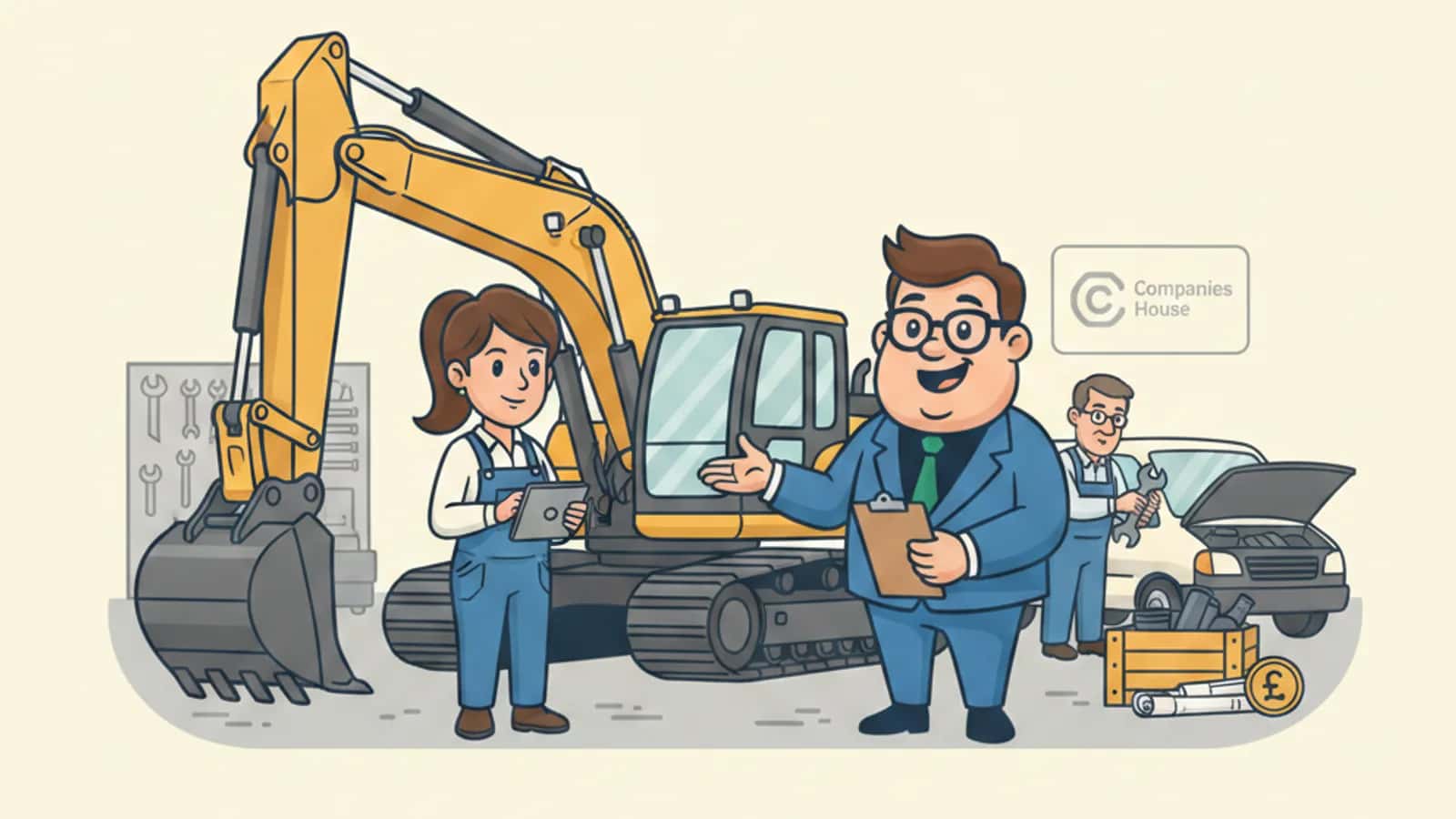
A sale and leaseback agreement involves selling your business property or equipment to an investor, then immediately leasing it back under a long-term rental agreement. You receive a lump sum payment while retaining operational use of the asset. The buyer becomes your landlord, and you become their tenant with guaranteed occupancy rights.
The process works in three stages. First, you negotiate the sale price with a specialist investor or institution. Second, legal teams complete the property transfer while simultaneously drafting the lease agreement. Third, you receive the sale proceeds and begin making regular lease payments.
Choose sale and leaseback if: You need substantial cash quickly, own valuable property or equipment outright, and can afford higher ongoing occupancy costs. Avoid if you're struggling with current overheads or planning to relocate within five years.
The UK market saw significant activity in 2025, with foodstore investments reaching £1.87 billion, largely driven by sale and leaseback transactions. Major retailers like Asda raised £568 million through selling 24 stores and a logistics depot.
How Much Cash Can You Release from Business Assets
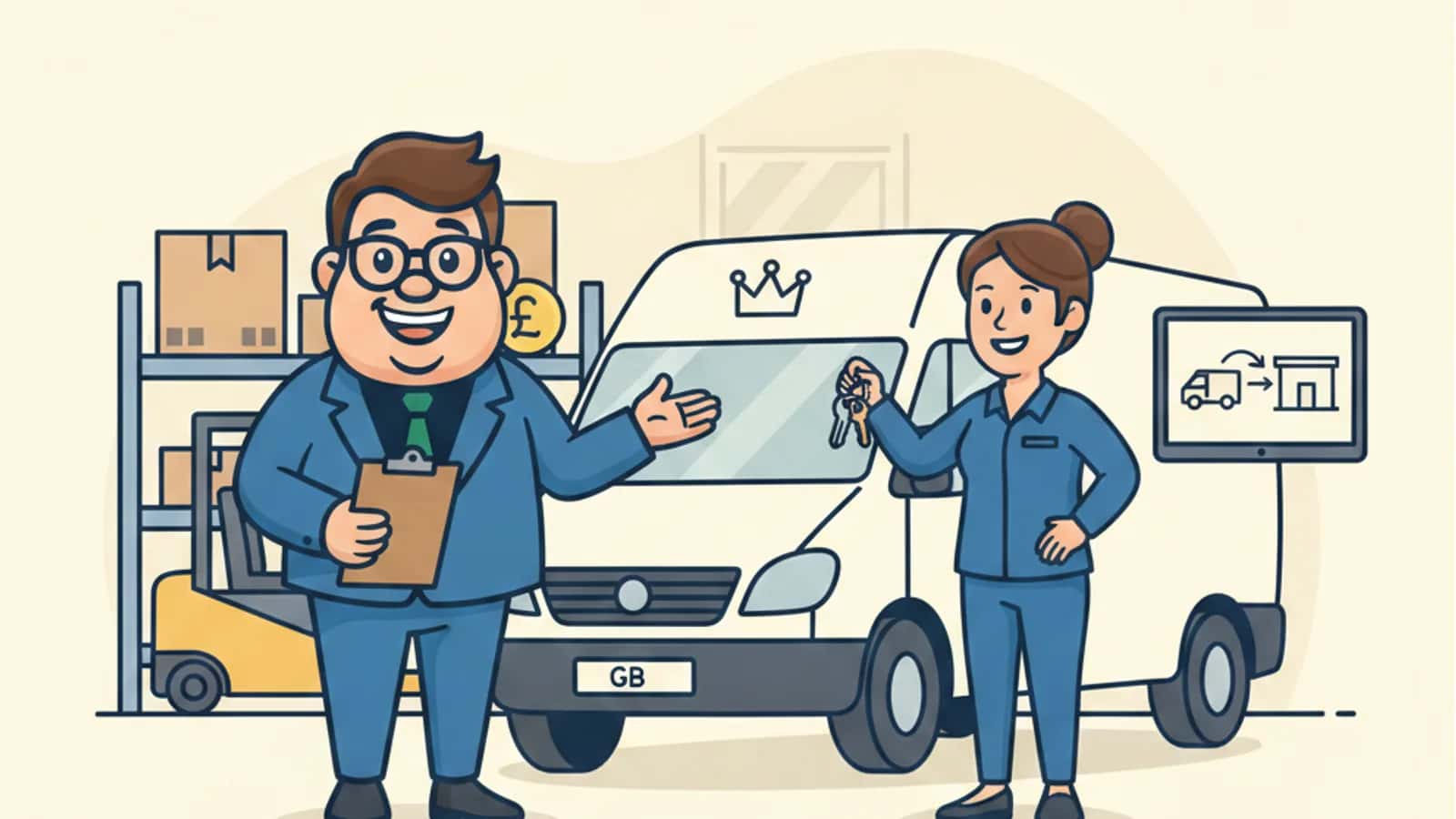
Property sale and leaseback typically releases 70-90% of current market value, depending on location, condition, and lease terms. Prime commercial properties in strong locations command higher percentages, while secondary locations or specialized buildings may achieve 60-75%.
Equipment values vary significantly by asset type and age. Commercial vehicles might release 60-80% of current value, while specialized manufacturing equipment could achieve 50-70%. Construction plant and machinery typically falls between 55-75%, depending on condition and market demand.
Valuation factors that increase cash release
- Prime location with strong rental demand
- Modern building in good repair
- Long lease commitment (15+ years)
- Strong tenant covenant (established business)
- Market rent or below-market initial rent
Recent examples include Lidl's sale of 17 UK stores for approximately £179.4 million, and The Range's £67 million portfolio offering covering ten stores. These deals demonstrate the substantial capital available for quality retail assets.
For asset-backed funding needs under £5 million, asset finance options might provide faster access to capital without giving up ownership.
Sale and Leaseback vs Traditional Business Loans
Sale and leaseback provides significantly more capital than traditional lending but at the cost of asset ownership. Business loans typically offer 70-80% loan-to-value against property security, while sale and leaseback can release up to 90% of market value.
Key differences:
| Factor | Sale and Leaseback | Business Loans |
|---|---|---|
| Capital released | 70-90% of asset value | 60-80% LTV typically |
| Asset ownership | Lost permanently | Retained |
| Repayment term | 10-25 years lease | 5-25 years loan |
| Monthly cost | Rent (often higher) | Interest + capital |
| Early exit | Lease break penalties | Early repayment charges |
| Credit requirements | Asset-focused | Personal/business credit |
Choose business loans if: You want to retain ownership, need smaller amounts, or have strong credit profiles. Sale and leaseback works better for larger capital requirements where ownership transfer is acceptable.
For established businesses needing growth capital while keeping assets, consider secured business loans as an alternative that maintains ownership.
Timeline: How Long Does Sale and Leaseback Take
Property sale and leaseback typically completes within 8-12 weeks from initial agreement to funds transfer. This includes valuation, legal due diligence, lease negotiation, and completion formalities.
Typical timeline breakdown
- Weeks 1-2: Initial valuation and heads of terms
- Weeks 3-5: Detailed due diligence and surveys
- Weeks 6-8: Legal documentation and lease drafting
- Weeks 9-12: Final approvals and completion
Equipment deals move faster, often completing within 4-6 weeks due to simpler valuation and documentation requirements. Vehicle fleets can sometimes complete within 2-3 weeks with specialist providers.
Common delays include: Planning permission issues, environmental surveys, lease negotiation complexity, and lender approval processes. Having professional advisors and complete documentation ready accelerates the process significantly.
For businesses needing faster capital access, same day business funding options provide alternatives when speed matters more than amount.
Tax Implications for UK Businesses
Sale and leaseback creates immediate capital gains tax liability on the difference between sale price and book value. However, lease payments become fully deductible business expenses, potentially reducing ongoing corporation tax.
Key tax considerations
- Capital gains tax on sale proceeds (19% corporation tax rate)
- Loss of capital allowances on sold equipment
- Lease payments fully tax-deductible
- No business rates relief (you're now a tenant)
- Potential VAT implications on commercial property
Tax planning opportunities: Consider timing the sale to offset against losses, spreading gains through installment sales, or reinvesting proceeds in qualifying assets. Professional tax advice is essential given the complexity and potential liabilities involved.
The tax treatment differs significantly from traditional financing, where interest is deductible but capital repayments are not. This makes sale and leaseback particularly attractive for profitable businesses in higher tax brackets.
Equipment Sale and Leaseback Beyond Property
Equipment sale and leaseback works for vehicles, machinery, plant, and specialized tools, though the market is smaller and more specialized than property deals. Commercial vehicle fleets, construction equipment, and manufacturing machinery are the most common asset types.
Suitable equipment categories
- Commercial vehicles and HGV fleets
- Construction plant (excavators, cranes, bulldozers)
- Manufacturing machinery (CNC machines, production lines)
- Agricultural equipment (tractors, harvesters)
- Medical equipment (scanning machines, surgical tools)
Equipment deals typically release 50-75% of current market value, with newer assets achieving higher percentages. Lease terms run 3-7 years typically, much shorter than property arrangements.
Equipment-specific risks: Rapid depreciation, technological obsolescence, and maintenance responsibilities usually remain with the lessee. Choose equipment sale and leaseback only for essential assets you'll use long-term.
For equipment funding that maintains ownership, plant and machinery finance provides hire purchase and lease options across all asset types.
What Happens if You Can't Afford Lease Payments
Defaulting on lease payments can result in eviction and permanent loss of the asset, similar to mortgage arrears but often with shorter notice periods. Most commercial leases include forfeiture clauses allowing landlords to reclaim possession after serving formal notices.
Default consequences
- Formal demand notices (typically 21 days)
- Forfeiture proceedings and potential eviction
- Loss of asset and any equity built up
- Liability for remaining lease payments
- Difficulty securing alternative premises
- Potential personal guarantor pursuit
Early warning signs: Struggling with current rent, declining revenues, cash flow problems, or increased competition. Address payment difficulties immediately through negotiation rather than ignoring them.
Mitigation strategies: Negotiate payment holidays, restructure lease terms, subletting arrangements (if permitted), or early surrender negotiations. Landlords often prefer negotiated solutions to costly legal proceedings.
For businesses facing cash flow challenges, invoice financing can provide working capital to maintain lease payments while addressing underlying trading issues.
Is Sale and Leaseback Right for Small Businesses
Sale and leaseback works best for established businesses with valuable property assets and predictable cash flows. Small businesses and startups rarely have sufficient asset values or covenant strength to attract institutional investors.
Ideal candidates
- Established businesses (3+ years trading)
- Valuable property or equipment owned outright
- Strong cash flows to support lease payments
- Need for substantial capital (£500k+)
- Long-term operational stability
Poor fit scenarios: Startups, businesses with weak credit, those planning relocation, or companies needing smaller amounts. The transaction costs and complexity make it unsuitable for minor capital requirements.
Small business alternatives: Consider asset finance for equipment needs, unsecured business loans for working capital, or invoice finance for cash flow support.
Recent deals like Safestay's £3.125 million Brighton property sale show smaller transactions are possible, but typically require specialist hospitality or retail assets with strong locations.
Costs and Fees Breakdown
Sale and leaseback involves substantial upfront costs, typically 3-5% of transaction value, plus ongoing lease payments that often exceed previous occupancy costs.
Typical cost structure
- Legal fees: £15,000-£50,000 depending on complexity
- Valuation and surveys: £5,000-£15,000
- Tax and accounting advice: £5,000-£20,000
- Broker fees (if used): 0.5-1% of transaction value
- Stamp duty: Standard rates on purchase price
Ongoing costs
- Lease payments (typically higher than previous costs)
- Service charges and insurance
- Rent reviews every 3-5 years
- Potential lease break penalties
Hidden costs to consider: Loss of capital appreciation, reduced flexibility for modifications, and potential difficulties with future refinancing or sale of business.
Compare total costs against alternative business funding options to ensure sale and leaseback provides the best value for your specific situation.
Finding Sale and Leaseback Providers
Institutional investors, REITs, and specialist funds dominate the UK sale and leaseback market, with different providers focusing on specific asset types and deal sizes.
Main provider categories
- Insurance companies and pension funds (large property deals)
- REITs and property investment companies
- Specialist sale and leaseback funds
- Equipment finance companies (for machinery/vehicles)
- Private investors (smaller deals)
Selection criteria: Look for providers with experience in your sector, appropriate deal size appetite, and competitive lease terms. References from recent transactions and financial stability are essential.
Due diligence questions
- Minimum and maximum deal sizes
- Typical lease terms and rent review mechanisms
- Track record in your business sector
- Speed of decision-making and completion
- Post-completion relationship management
Professional advisors with market connections can identify suitable providers and negotiate better terms than direct approaches.
Common Mistakes to Avoid
Businesses often underestimate the long-term cost implications and overestimate their ability to afford higher occupancy expenses throughout the lease term.
Frequent mistakes
- Accepting first offer without market testing
- Inadequate lease term negotiation
- Ignoring rent review mechanisms
- Poor tax planning around the transaction
- Insufficient legal advice on lease terms
- Overestimating future affordability
Lease negotiation pitfalls: Upward-only rent reviews, restrictive user clauses, limited assignment rights, and onerous repair obligations. These terms significantly impact long-term costs and business flexibility.
Financial planning errors: Using proceeds for non-essential purposes, inadequate cash flow projections, and failing to plan for rent increases. Ensure the capital released generates sufficient returns to justify higher occupancy costs.
Professional advice from experienced commercial property lawyers and tax specialists is essential given the complexity and long-term implications.
Buying Back Your Property Later
Most sale and leaseback agreements don't include automatic repurchase rights, though some deals negotiate option clauses allowing tenant buyback at predetermined prices or market value.
Repurchase mechanisms
- Fixed price options (rare, usually above sale price)
- Market value options at specific dates
- Right of first refusal if landlord sells
- Break clauses with purchase options
Practical challenges: Landlords prefer long-term income streams and rarely agree to early buyback options. Market value purchases often exceed the original sale price due to property appreciation and yield compression.
Alternative strategies: Negotiate break clauses allowing early lease termination, subletting rights to reduce occupancy costs, or assignment rights enabling business sale including lease obligations.
Recent market activity shows institutional buyers like REITs and pension funds acquired 51% and 34% of supermarket purchases respectively, indicating these investors typically hold assets long-term rather than selling back to tenants.
Impact on Credit and Future Borrowing
Sale and leaseback can improve short-term liquidity ratios and reduce debt levels, but creates long-term lease obligations that affect future borrowing capacity and business valuation.
Positive credit impacts
- Improved cash position and working capital
- Reduced debt-to-asset ratios
- Enhanced liquidity for operations
- Potential credit rating improvements
Negative implications
- Long-term lease commitments reduce borrowing capacity
- Loss of asset security for future loans
- Higher occupancy costs impact profitability
- Reduced business sale value (no property ownership)
Accounting treatment: Operating leases appear as ongoing expenses, while finance leases create balance sheet liabilities. Recent accounting standards require most leases to appear on balance sheets, affecting debt ratios.
Future borrowing considerations: Lenders assess lease obligations as debt when calculating affordability. The loss of property assets also removes potential security for future lending.
For businesses needing to maintain borrowing flexibility, consider cash flow business loans that preserve asset ownership while providing working capital.
Next steps
Sale and leaseback for UK businesses offers a powerful method to release substantial cash from property and equipment assets while maintaining operational control. With major retailers completing deals worth hundreds of millions in 2025, the market demonstrates strong appetite for quality assets with reliable tenants. For more equipment funding comparisons and practical guidance, browse our asset finance guides.
The strategy works best for established businesses needing significant capital who can afford higher ongoing occupancy costs. Property deals typically release 70-90% of market value within 8-12 weeks, while equipment transactions complete faster but release lower percentages.
Key success factors include thorough lease negotiation, professional tax and legal advice, and realistic long-term affordability assessments. The loss of asset ownership and potential for higher costs make this unsuitable for businesses seeking smaller amounts or those with uncertain futures.
For businesses exploring funding options, start with a 2 min eligibility check to compare asset finance alternatives that maintain ownership. Whether you need Construction Equipment, Commercial Vehicles, or Plant & Machinery, specialist partners can provide Fast Decision and Flexible Deposits across All Asset Types.
Next steps: Obtain professional property valuations, engage experienced commercial property lawyers, and model the long-term cost implications before committing to any sale and leaseback arrangement.
Further reading
Frequently asked questions
What is a Sale and Leaseback Agreement and How Does it Work?
A sale and leaseback agreement involves selling your business property or equipment to an investor, then immediately leasing it back under a long-term rental agreement. You receive a lump sum payment while retaining operational use of the asset. The buyer becomes your landlord, and you become their tenant with guaranteed occupancy rights.
How Much Cash Can You Release from Business Assets?
Property sale and leaseback typically releases 70-90% of current market value, depending on location, condition, and lease terms. Prime commercial properties in strong locations command higher percentages, while secondary locations or specialized buildings may achieve 60-75%.
What Happens if You Can't Afford Lease Payments?
Defaulting on lease payments can result in eviction and permanent loss of the asset, similar to mortgage arrears but often with shorter notice periods. Most commercial leases include forfeiture clauses allowing landlords to reclaim possession after serving formal notices.
Is Sale and Leaseback Right for Small Businesses?
Sale and leaseback works best for established businesses with valuable property assets and predictable cash flows. Small businesses and startups rarely have sufficient asset values or covenant strength to attract institutional investors.
Written by
The Funding Fred Editorial Team creates plain-English guides to help business owners understand funding options, eligibility, and application readiness before they compare finance options.
Reviewed by
UK business finance content reviewer
Robert reads our UK business finance guides before they go live, checking each one is accurate, easy to follow, and reflects how lending actually works today — not how a brochure says it should. He's listed on the FCA Register, approved as an SMF3 (AR) Executive Director at Switcha Limited, and connected to Lucky Growth Partners Ltd through its appointed representative relationship, so the regulated detail gets a properly qualified second read.
Sources
- commercialnewsmedia [2] Uk Supermarket Group Asda Raises 742 Million In Sale And Leaseback Deals 7oyws6zmjdfrf6e - https://www.lse.co.uk/news/uk-supermarket-group-asda-raises-742-million-in-sale-and-leaseback-deals-7oyws6zmjdfrf6e.html [3] Lidl Sells 17 Uk Stores In 179 4m Sale And Leaseback Deal - https://news.completelyretail.co.uk/lidl-sells-17-uk-stores-in-179-4m-sale-and-leaseback-deal/ [4] Big Brand Sale And Leaseback Portfolio Comes To Market - https://www.cbre.co.uk/press-releases/big-brand-sale-and-leaseback-portfolio-comes-to-market [5] Reuters.com%2c2025 11 25%3anewsml Rsy8046ia%3a0 Reg Safestay Plc Sale And Leaseback Of Brighton Freehold Property - https://www.tradingview.com/news/reuters.com%2C2025-11-25%3Anewsml_RSY8046Ia%3A0-reg-safestay-plc-sale-and-leaseback-of-brighton-freehold-property/ [6] Sale Leaseback - https://www.lexisnexis.com/en-gb/legal/glossary/sale-leaseback
- British Business Bank finance options
- GOV.UK business finance support