
Business Credit Card Minimum Payments, Late Fees and Missed Payments Explained
A minimum payment on a business credit card is the smallest amount you must pay each month to keep the account in good standing, typically a percentage of the balance or a fixed floor, whichever is higher. Miss it, and you'll face a late fee, a possible penalty interest rate, and damage to your business credit profile.
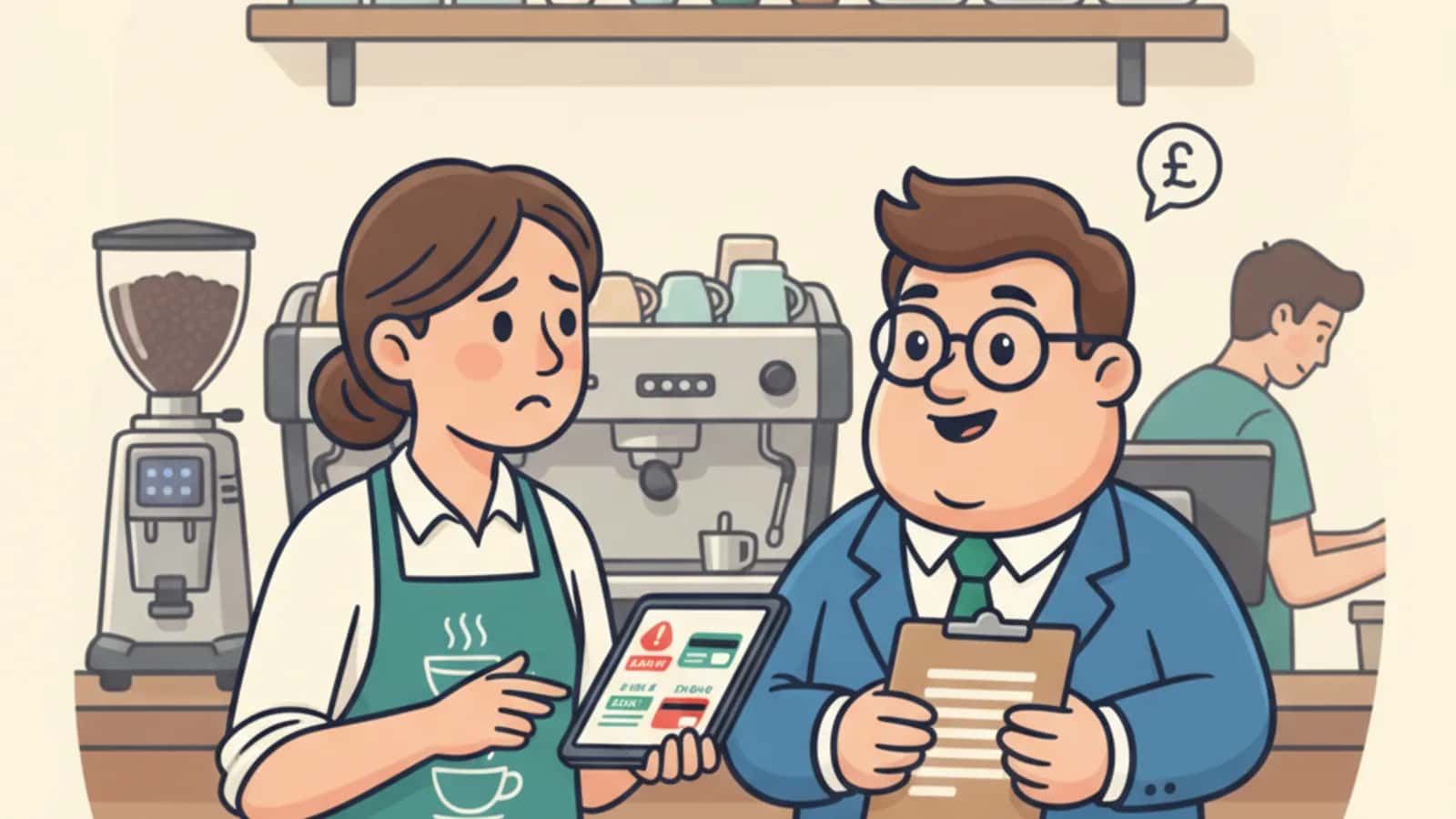
Quick answer
A minimum payment on a business credit card is the smallest amount you must pay each month to keep the account in good standing, typically a percentage of the balance or a fixed floor, whichever is higher. Miss it, and you'll face a late fee, a possible penalty interest rate, and damage to your business credit profile. This guide covers business credit card minimum payments, late fees and missed payments explained in full, so you know exactly what's at stake and how to stay ahead of it.
Key takeaways
- The minimum payment on a business credit card is usually 1-3% of the outstanding balance, or a fixed minimum (often £25,£30), whichever is greater
- Late fees on UK business credit cards typically range from £12 to £25 per missed payment, though some providers charge more
- Missing a payment can trigger a penalty APR, which may be significantly higher than your standard rate
- A missed payment can appear on your business credit file and, if the card carries a personal guarantee, on your personal credit file too
- Most providers allow a short grace period, usually up to 25 days after your statement date, before interest accrues on purchases
- Late fees charged on a business credit card may be tax deductible as a business expense, but the rules depend on the nature of the charge
- You can often negotiate a one-off late fee waiver, especially if you have a clean payment history
- Setting up a direct debit for at least the minimum payment is the simplest way to avoid late fees entirely
What Is a Minimum Payment on a Business Credit Card?

The minimum payment is the lowest amount your card provider will accept each month without marking your account as late. Pay at least this amount by the due date, and your account stays in good standing, even if you carry a balance forward.
Most UK business credit card providers calculate the minimum payment in one of two ways:
- A percentage of the closing balance
- , typically 1% to 3%, plus any interest and fees charged that month
- A fixed floor amount
- , often £25 to £30, applied when the percentage calculation falls below that threshold
So if your balance is £500 and your provider uses a 2% rate with a £25 floor, your minimum payment would be £25 (because 2% of £500 is only £10, which falls below the floor).
What's the Difference Between the Minimum Payment and the Full Balance?

Paying the minimum keeps your account active. Paying the full balance each month means you pay no interest at all.
This is the single most important distinction for managing a business credit card cost-effectively.
Full balance
- Interest charged?
- No
- Balance carried forward?
- No
- Impact on credit file
- Positive
More than minimum
- Interest charged?
- Yes, on remainder
- Balance carried forward?
- Yes
- Impact on credit file
- Neutral to positive
Exact minimum
- Interest charged?
- Yes, on full balance
- Balance carried forward?
- Yes
- Impact on credit file
- Neutral
Less than minimum
- Interest charged?
- Yes, plus late fee
- Balance carried forward?
- Yes, plus penalty risk
- Impact on credit file
- Negative
Nothing
- Interest charged?
- Yes, plus late fee
- Balance carried forward?
- Yes, plus penalty risk
- Impact on credit file
- Negative
If your business uses the card for ad spend, stock, or supplier invoices and you clear the balance monthly, you can access up to 56 days interest-free on purchases, depending on your provider. That's a genuine cashflow tool, not just a card perk. For the wider context, read a closer look at interest-free business credit cards.
Is There a Grace Period Before Late Fees Apply on Business Cards?
Most business credit cards include a grace period, typically 20 to 25 days from the statement date, during which you can pay your balance in full without incurring interest on purchases. This is separate from the payment due date itself.
If you miss the payment due date, the grace period concept no longer applies in the same way. Your provider will usually charge a late fee immediately, and interest starts accruing on the balance from the date of each transaction rather than the statement date.
How Do Late Fees Work on Business Credit Cards?
A late fee is a fixed charge applied to your account when you fail to make at least the minimum payment by the due date. It's added to your outstanding balance, which means it also attracts interest if you don't clear it.
The sequence typically looks like this:
- Statement is issued, showing the minimum payment due and the due date
- Due date passes without at least the minimum payment received
- Late fee is applied to the account, usually within one to two business days
- If the account remains unpaid, interest accrues on the total balance including the late fee
- The missed payment may be reported to credit reference agencies after 30 days
Some providers send a reminder before applying the fee. Others don't. Checking your provider's terms and conditions is the only reliable way to know what to expect.
How Much Are Typical Late Fees for Business Credit Cards in the UK?
UK business credit card late fees generally sit between £12 and £25 per missed payment, though some providers charge up to £30 or more. The exact amount depends on the card provider and is set out in your credit agreement.
A few reference points (based on publicly available issuer terms as of 2026, always check your own agreement as fees change):
- Many high street bank business cards charge £12 to £25 per late payment
- Charge cards and premium corporate cards may apply higher fees or restrict the account immediately
- Some fintech-style business card providers charge no late fee but apply penalty interest instead
There is no FCA-mandated cap on business credit card late fees in the same way there is for consumer credit cards. The FCA's consumer credit rules offer protections for sole traders and some small partnerships, but limited companies generally have fewer automatic protections, so reading your agreement matters more, not less.
Do All Business Credit Cards Have the Same Late Fee Structure?
No. Late fee structures vary significantly between providers, and this is one of the areas where comparing cards before you apply pays off.
Key differences to look for:
- Fixed fee vs. percentage fee:
- Most UK providers use a fixed fee, but some charge a percentage of the overdue amount
- One-off vs. recurring:
- Some providers charge the late fee once per billing cycle; others apply it each month the account remains overdue
- Fee escalation:
- A small number of providers increase the fee for repeat late payments within a rolling 12-month period
- Charge card vs. revolving credit:
- Charge cards often have stricter consequences than revolving credit cards, including account suspension
If you're comparing Business Credit Cards across multiple providers, late fee structure is worth checking alongside the APR and credit limit.
Can a Business Credit Card Company Increase My Interest Rate for Late Payments?
Yes. Most UK business credit card agreements include a penalty APR clause, which allows the provider to raise your interest rate, sometimes significantly, after one or more missed payments.
This is sometimes called a default rate or penalty rate. It can be materially higher than your standard purchase rate. The new rate typically applies to your entire outstanding balance, not just future purchases.
Providers are required to notify you of a rate increase, but the notice period for business cards may be shorter than for consumer cards. Check your agreement for the specific trigger conditions and how long the penalty rate stays in place.
Decision rule: If your standard APR is already high, a penalty rate can make carrying a balance very expensive very quickly. This is one reason why businesses that regularly carry balances should prioritise paying more than the minimum, and why choosing a card with a lower standard APR matters more than chasing a rewards rate. For more detail, see our guide to representative APR on business credit cards.
What Happens If I Miss a Business Credit Card Payment?
Missing a single payment triggers a late fee and starts the clock on potential credit reporting. Here's what typically follows:
- Day 1 after due date:
- Late fee applied to the account
- Days 1-29:
- Account is technically overdue but most providers won't report to credit reference agencies yet
- Day 30+:
- Missed payment may be reported to business credit reference agencies (such as Experian Business, Equifax, or Creditsafe)
- 60-90 days:
- Provider may issue a formal default notice; interest continues to accrue
- 90+ days:
- Account may be passed to a collections team or debt recovery agency
For sole traders or directors who signed a personal guarantee, the missed payment may also appear on their personal credit file. Understanding how your business credit score is built, and what damages it, is worth doing before a problem occurs, not after.
What Happens After Multiple Missed Payments on a Business Card?
Multiple missed payments escalate quickly. After two or three missed payments, most providers will:
- Apply a default notice under the Consumer Credit Act (for cards covered by it) or under the card agreement terms
- Suspend the card and any employee cards linked to the account
- Demand repayment of the full outstanding balance
- Pass the debt to a collections or recoveries team
- Register a default on your business credit file
A default stays on a business credit file for up to six years. That affects your ability to get new credit, raise finance, or even pass credit checks with suppliers. If the account had a personal guarantee, the director or sole trader may face personal debt recovery action too.
If cash flow is the underlying issue, it's worth exploring alternatives before a default is registered, options like invoice finance vs business loans or a business debt consolidation loan may give you room to restructure.
Does a Missed Business Credit Card Payment Affect My Business Credit Score?
Yes, a missed payment reported to a business credit reference agency will damage your business credit score. The severity depends on how late the payment was, whether a default was registered, and your overall credit history.
For limited companies, the impact is on the company's credit file. For sole traders, the line between business and personal credit is thinner, a missed payment on a business card may affect your personal credit file directly.
A single missed payment that's quickly rectified causes less long-term damage than a pattern of late payments or a formal default. But even one late payment can affect your ability to get higher limits, better rates, or approval from new providers for 12 months or more.
Can I Negotiate Late Fees With My Credit Card Company?
Yes, and it's more likely to work than most business owners expect. Providers would generally rather waive a one-off fee than lose a customer or escalate a dispute.
How to approach it:
- Call the provider's business card team directly, don't use the app or online chat for this
- Be straightforward: explain it was a one-off oversight, not a cash flow problem
- Reference your payment history, if you've paid on time for 12 or 24 months, say so
- Ask specifically for a "goodwill gesture" or "one-time fee waiver"
- Pay the outstanding balance (or at least the minimum) before or during the call, it strengthens your position
Most providers will waive a first late fee once per 12-month period for accounts in good standing. They're not obliged to, but it's standard practice.
If you believe a fee was applied incorrectly, for example, your payment arrived on time but was processed late, you can raise a formal complaint. The Financial Ombudsman Service handles complaints about business credit cards where the card is covered by consumer credit regulation (this typically applies to sole traders and small partnerships, not limited companies).
Are Business Credit Card Late Fees Tax Deductible?
Late fees on a business credit card can be deductible as a business expense, but the position isn't automatic and depends on the nature of the charge.
HMRC's general rule is that a business expense is deductible if it's incurred wholly and exclusively for the purposes of the trade. A late fee on a card used entirely for business purposes would generally meet that test.
However:
- If the card is used for mixed personal and business spending, only the business proportion is deductible
- The interest charged on a business credit card balance is treated separately from the late fee itself, both may be deductible, but they're different line items
- Penalties that arise from your own failure to comply (such as HMRC penalties) are generally not deductible, but a credit card late fee from a commercial provider is not the same as an HMRC penalty
This is not personal tax advice. Speak to your accountant about how late fees and interest should be treated in your specific accounts. For more on how hidden credit costs can compound, the guide on exit fees and legal costs covers similar territory in a different product context.
How Can I Avoid Late Fees on My Business Credit Card?
The most reliable method is a direct debit set to cover at least the minimum payment each month. That way, even if you forget to log in or a busy period throws off your admin routine, the account stays current.
Beyond that:
- Set calendar reminders
- five days before the due date, enough time to transfer funds if needed
- Use spend controls
- to monitor balances in real time, so you're never surprised by a statement total
- Issue employee cards with limits
- rather than letting staff use their own cards and claim expenses, it keeps all spend on one account and makes the balance predictable
- Review statements as soon as they're issued
- , not the day before payment is due
- Keep a buffer in your business current account
- that covers at least one full card payment
If cash flow timing is the real issue, for example, you're waiting on a large invoice to clear before you can pay the card, it's worth reading about how UK SMEs are using invoice finance to combat late payments as a structural fix rather than a workaround.
Next steps
Business credit card minimum payments, late fees and missed payments explained in one place, because the cost of not understanding them compounds fast. A single missed payment adds a fee, potentially triggers a penalty rate, and starts a clock on credit file damage that can follow your business for years. You can explore this further in what to know about business credit card APR.
The fix isn't complicated. Set up a direct debit for at least the minimum payment. Keep your balance visible. And if your current card's limit, fee structure, or approval process is adding friction rather than removing it, it's worth checking what else is available.
Funding Fred's 2-minute eligibility check, no hard credit search, no obligation, matches UK businesses with leading card providers offering limits from £1k to £250k+. Employee cards, spend controls, virtual cards, cashback, and up to 56 days interest-free. Business Credit Cards. Without the Fuss.
Check Eligibility Now, fast decision, no hard check to start.
Frequently asked questions
What Is a Minimum Payment on a Business Credit Card?
The minimum payment is the lowest amount your card provider will accept each month without marking your account as late. Pay at least this amount by the due date, and your account stays in good standing, even if you carry a balance forward.
What's the Difference Between the Minimum Payment and the Full Balance?
Paying the minimum keeps your account active. Paying the full balance each month means you pay no interest at all.
Is There a Grace Period Before Late Fees Apply on Business Cards?
Most business credit cards include a grace period, typically 20 to 25 days from the statement date, during which you can pay your balance in full without incurring interest on purchases. This is separate from the payment due date itself.
How Do Late Fees Work on Business Credit Cards?
A late fee is a fixed charge applied to your account when you fail to make at least the minimum payment by the due date. It's added to your outstanding balance, which means it also attracts interest if you don't clear it.
How Much Are Typical Late Fees for Business Credit Cards in the UK?
UK business credit card late fees generally sit between £12 and £25 per missed payment, though some providers charge up to £30 or more. The exact amount depends on the card provider and is set out in your credit agreement.
Do All Business Credit Cards Have the Same Late Fee Structure?
No. Late fee structures vary significantly between providers, and this is one of the areas where comparing cards before you apply pays off.
Written by
The Funding Fred Editorial Team creates plain-English guides to help business owners understand funding options, eligibility, and application readiness before they compare finance options.
Reviewed by
UK business finance content reviewer
Robert reads our UK business finance guides before they go live, checking each one is accurate, easy to follow, and reflects how lending actually works today — not how a brochure says it should. He's listed on the FCA Register, approved as an SMF3 (AR) Executive Director at Switcha Limited, and connected to Lucky Growth Partners Ltd through its appointed representative relationship, so the regulated detail gets a properly qualified second read.