
Virtual Business Credit Cards: How They Work and When to Use Them
A virtual business credit card is a digitally generated card number linked to your business credit account. It works exactly like a physical card for online and phone payments but exists only as a set of credentials, card number, expiry date, and CVV.

Quick answer
A virtual business credit card is a digitally generated card number linked to your business credit account. It works exactly like a physical card for online and phone payments but exists only as a set of credentials, card number, expiry date, and CVV. UK businesses use them to control staff spending, protect against fraud, and pay suppliers without waiting for a physical card to arrive in the post.
Key takeaways
- Virtual business credit cards generate a unique card number you can use immediately, no waiting for plastic
- They can be single-use or multi-use, and many providers let you set per-card spending limits
- Virtual cards do not replace physical cards for in-person payments unless loaded into a mobile wallet
- Fraud risk is lower because a compromised virtual card number can be cancelled without affecting the main account
- Employee virtual cards let you control who spends what, on what, without chasing receipts at month end
- Most leading card providers offer virtual cards as part of a standard business credit card account, not as a paid add-on
- Funding Fred's 2-minute eligibility check matches UK businesses with providers offering limits from £1k to £250k+, with no hard credit search to start
What Is a Virtual Business Credit Card and How Does It Differ From a Regular Card

A virtual business credit card is a card number generated digitally, tied to an underlying business credit account, that you can use for payments without a physical card existing at all. The core difference from a regular business credit card is that there is no plastic, just a 16-digit number, an expiry date, and a CVV, which you can use the moment it's issued.
Both types draw from the same credit limit. Both charge interest if you carry a balance. Both can earn cashback or rewards. The difference is in how quickly you can access them, how easily you can control or cancel individual numbers, and where you can actually use them.
Key differences at a glance:
| Feature | Virtual Card | Physical Card |
|---|---|---|
| Time to access | Instant (minutes) | 3-7 working days by post |
| Online payments | Yes | Yes |
| In-person payments | Only via mobile wallet | Yes |
| Can be cancelled per card | Yes, instantly | Requires card replacement |
| Per-card spend limits | Yes, on most platforms | Rarely |
| Fraud exposure on compromise | Limited to that card number | Whole card must be replaced |
How Virtual Business Credit Cards Work: The Technical Side
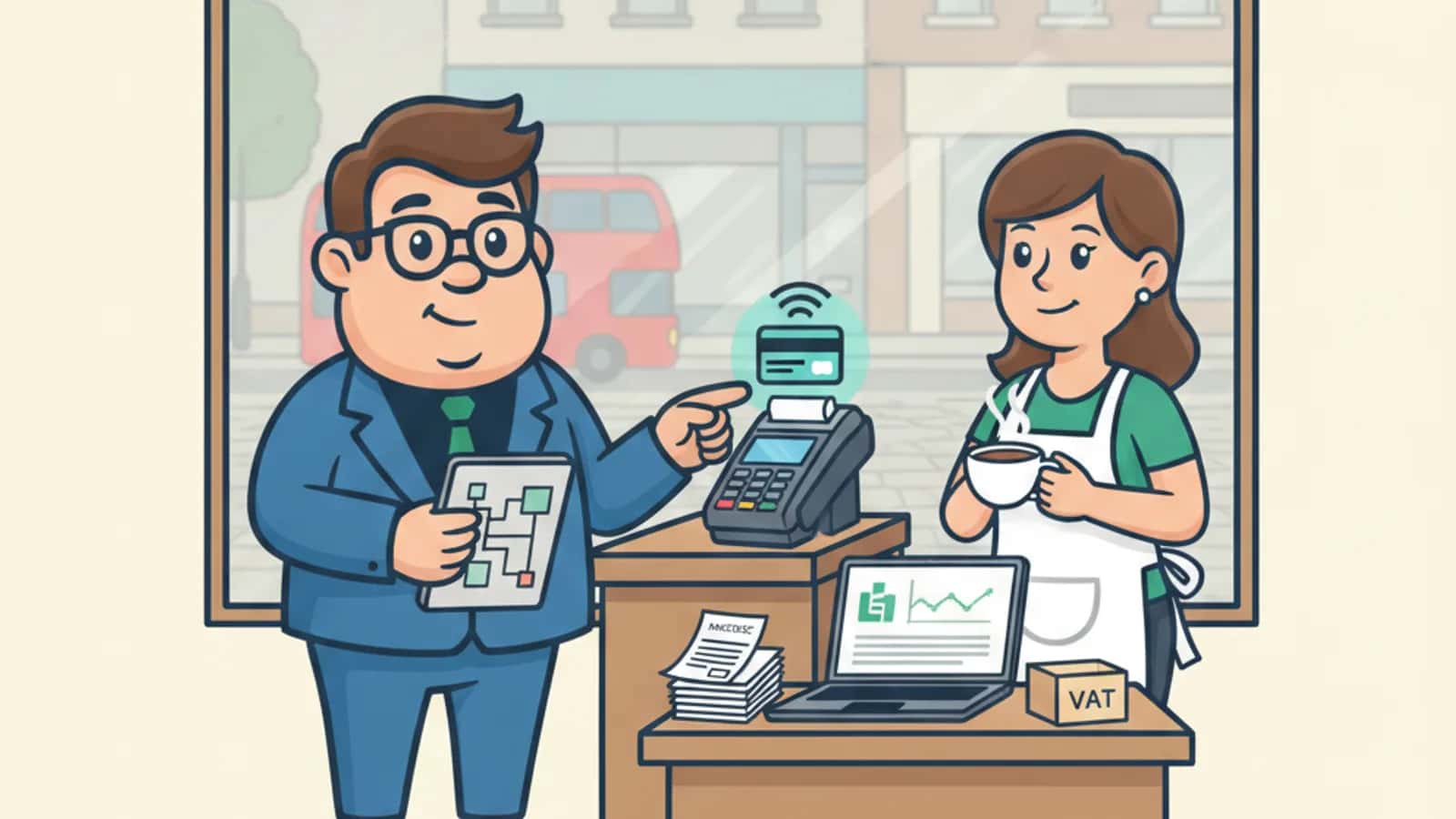
Understanding virtual business credit cards, how they work and when to use them, starts with the mechanics. A virtual card is issued under the same card scheme (Visa or Mastercard) as a physical card. The provider generates a unique 16-digit number that is linked to your credit account but is separate from your main card number.
When you make a payment, the transaction is authorised against your available credit limit, just like any other card purchase. The merchant never sees your real account details, only the virtual card number.
Most platforms let you:
- Generate multiple virtual cards from one account
- Set an individual spending limit on each card. For more detail, see our guide to employee business credit card spending limits.
- Restrict cards to specific merchant category codes (MCCs), for example, travel only, or software subscriptions only
- Set an expiry date as short as a single transaction
- Cancel or freeze a card number in seconds from an app or dashboard
How Do Virtual Credit Cards Protect Against Fraud
Virtual cards significantly reduce fraud exposure because each card number is isolated from your main account. If a virtual card number is stolen or skimmed, cancelling it has no impact on other cards or on the underlying account.
With a standard physical business card, a data breach at one supplier could expose the card number used across dozens of other merchants. With a virtual card, that number is either single-use (and therefore already expired) or can be cancelled in seconds.
Specific fraud protections
- Merchant-locked cards: Some providers let you lock a virtual card to a single merchant, so the number is useless anywhere else
- Automatic expiry: Single-use cards expire after one transaction, making stolen numbers worthless
- Instant cancellation: No need to wait for a replacement card, generate a new number immediately
- No physical card to lose: There's nothing to steal from a bag or a desk
One important note for UK businesses: Section 75 of the Consumer Credit Act does not apply to business credit cards. Dispute resolution depends on your card provider's own purchase protection terms and Visa/Mastercard chargeback rights. Check your provider's terms before assuming coverage.
Single-Use vs Multi-Use Virtual Cards: What's the Difference
Single-use virtual cards generate a number that works for exactly one transaction, then expires automatically. Multi-use virtual cards work like a standard card number, valid until you cancel them or they reach their set expiry date.
Which is right for you?
Choose single-use if
- You're making a one-off purchase from a supplier you don't use regularly
- You want maximum fraud protection on a high-value transaction
- You're testing a new vendor and don't want to expose a permanent card number
Choose multi-use if
- You're paying a recurring subscription (SaaS tools, ad platforms, cloud services)
- You want to assign a card to a specific employee or project with a monthly cap
- You need a consistent card number for a supplier's payment portal
Many UK businesses use both: single-use for ad-hoc purchases, multi-use for fixed monthly outgoings.
Can I Use a Virtual Business Card for Online and In-Person Purchases
Virtual cards work for any payment where you enter card details manually, online checkouts, phone orders, and mail order transactions. For in-person payments at a card terminal, a virtual card alone won't work unless it has been added to a mobile wallet such as Apple Pay or Google Pay.
If your provider supports mobile wallet integration, the virtual card functions at contactless terminals just like a physical card. Not all UK business card providers support this yet, so it's worth confirming before assuming in-person use is possible.
Where virtual cards work without a mobile wallet
- Online purchases (e-commerce, marketplaces, supplier portals)
- Recurring billing and subscriptions
- Phone or mail order payments
- Ad platforms (Google Ads, Meta Ads)
Where you still need a physical card or mobile wallet
- Face-to-face retail
- Chip and PIN transactions
- ATM cash withdrawals
When Should I Use a Virtual Card Instead of a Physical Card
Virtual cards are the better choice any time you want more control, faster access, or lower fraud risk than a physical card provides. They're particularly useful for specific recurring scenarios that UK businesses deal with regularly.
Use a virtual card when
- Paying for digital advertising: Lock a virtual card to your Google Ads or Meta account with a monthly cap. If the platform is ever compromised, your main account is unaffected.
- Onboarding a new supplier: Issue a single-use number rather than handing over your main card details to a vendor you haven't worked with before.
- Giving staff access quickly: A new team member needs to buy software or book travel today. Issue a virtual card in minutes rather than waiting for plastic.
- Managing project budgets: Create a virtual card per project with a hard spend limit. No more retrospective expense sorting.
- Covering a supplier invoice without touching the overdraft: Use the card's interest-free period (up to 56 days with some providers) to bridge the gap. For more on how this compares to other short-term options, see our guide to business overdraft vs line of credit vs loan.
How Do I Set Spending Limits on Virtual Business Cards
Most modern business card platforms let you set a spending limit at the individual virtual card level, separate from the overall account limit. You set the limit when you create the card, and the card declines automatically once it's reached.
Typical controls available
- Total spend cap (e.g., £500 per card)
- Monthly reset limits
- Merchant category restrictions (travel, software, office supplies)
- Single-transaction maximums
- Time-based expiry (card stops working after a set date)
This is where virtual cards outperform traditional expense management. Instead of issuing a physical card with a shared limit and hoping staff stick to a policy, you set the rules in the platform before the card is used. Month-end reconciliation becomes much simpler because every card has a defined purpose and a hard ceiling.
Can Employees Use Virtual Business Cards for Expenses
Yes, employee virtual cards are one of the most practical uses of a business credit card account. Rather than staff using personal cards and claiming expenses back (with all the admin and float that creates), you issue each employee a virtual card with a pre-set limit tied to their role or a specific project. Read employee business credit cards: the key points for the key considerations.
The business keeps full visibility. The employee doesn't need to front their own money. And you're not chasing receipts at the end of the month.
How it works in practice
- Issue a virtual card to each employee from your main account dashboard
- Set individual limits per card (e.g., £200/month for a junior team member, £2,000/month for a senior manager)
- Restrict cards by merchant category if needed (no cash advances, no restaurants)
- Monitor spend in real time from the platform
- Cancel or adjust any card instantly if circumstances change
For growing teams, this is a significant operational improvement over the traditional approach of one shared card number that everyone knows and nobody tracks. See the full range of business credit cards available through Funding Fred's panel to compare which providers include employee card features.
Do Virtual Business Cards Build Business Credit
A virtual card draws from the same credit account as your physical card, so payment behaviour on virtual cards contributes to your business credit profile in exactly the same way. Paying on time and keeping utilisation reasonable helps build your business credit score over time.
The card type (virtual vs physical) is irrelevant to credit reporting. What matters is:
- Whether the provider reports to UK credit reference agencies (not all do)
- That payments are made on time
- That the account stays within its limit
If building a credit profile is a priority, confirm with the provider whether they report to Experian, Equifax, or Creditsafe before applying.
Can I Get a Virtual Card Without a Business Bank Account
Some providers do require a linked business bank account as part of their application process. Others, particularly newer fintech-based card providers, are more flexible and may accept a personal account for sole traders or issue cards based on business revenue rather than banking history.
The safest approach is to check eligibility with multiple providers before assuming you're locked out. Funding Fred's 2-minute check covers a panel of leading card providers with varying eligibility criteria, no hard credit search to start, no obligation to proceed.
Are Virtual Business Cards Good for Freelancers and Contractors
Virtual cards suit freelancers and contractors well, particularly for separating business and personal spend. A virtual card issued on a business credit account creates a clean paper trail for HMRC purposes, every transaction is categorised and dated, which simplifies self-assessment and reduces the risk of mixing personal and business costs. For the wider context, read a closer look at business credit cards for advertising spend.
For tax purposes, the deductibility of a purchase depends on whether it's wholly and exclusively for business use, the card type doesn't change that. But having a dedicated virtual card for business spend makes the record-keeping significantly easier.
Freelancers who run through a limited company should note that a business credit card in the company's name keeps spend firmly on the balance sheet, separate from personal finances. For more on managing business finances as a self-employed person, the business loans for self-employed UK guide covers related funding options.
Which Businesses Shouldn't Use Virtual Credit Cards
Virtual cards aren't the right fit for every situation. A business that relies heavily on face-to-face purchasing, trade merchants buying from cash-and-carry suppliers, for example, will find a physical card more practical for daily use.
Virtual cards are a poor fit if
- Most of your spend happens at physical tills without mobile wallet support
- Your team isn't comfortable managing digital credentials
- You need ATM access regularly (virtual cards can't be used at cash machines)
- Your provider doesn't support mobile wallet integration and in-person payments are frequent
They're also not a substitute for a proper expense policy. A virtual card with no spending controls set is just a card number floating around, the controls are what make them useful.
What Happens If a Virtual Card Number Gets Compromised
Cancel the virtual card immediately from your platform dashboard. This takes seconds and has no impact on your other virtual cards or your main account. Then generate a new virtual card number to replace it.
Unlike a physical card compromise, where you're waiting days for a replacement to arrive and updating every recurring payment manually, a virtual card compromise is contained and resolved in minutes. Update any affected subscriptions or recurring payments with the new number, and the issue is closed.
If fraudulent transactions have already been processed, raise a dispute with your card provider. Chargeback rights under Visa and Mastercard rules may apply, though the outcome depends on the specifics of each transaction and your provider's terms.
How Much Do Virtual Business Credit Cards Cost
Virtual cards themselves are typically not a separate cost. They're a feature included within a business credit card account. The costs associated with the account are:
- Annual or monthly card fee:
- Varies by provider. Some charge nothing; others charge a monthly fee for premium accounts with higher limits or more features.
- Interest:
- Only applies if you carry a balance beyond the interest-free period. Many providers offer up to 56 days interest-free on purchases.
- Foreign transaction fees:
- Usually 2-3% on non-sterling transactions, though some providers waive this.
- Additional cardholder fees:
- Some providers charge per employee card; others include a set number free.
The cost of a virtual card feature specifically is almost always zero, you're paying for the credit account, not the card format. The right question isn't "how much does a virtual card cost?" but "which provider gives me the right limit, the right controls, and the right fee structure for how my business actually spends?"
For context on how credit card costs compare to other forms of business finance, the guide to alternative business funding options is worth reading alongside this.
Next steps
Virtual business credit cards solve three problems that physical cards don't handle well: speed of access, granular spend control, and fraud containment. A business that needs to kit out a team with cards this week, cap what each person can spend, and stop a supplier data breach from becoming an account-wide problem is better served by virtual cards than by waiting for plastic to arrive.
They're not a replacement for a physical card in every scenario, in-person payments still need plastic or a mobile wallet, but for the majority of UK business spending that happens online, on subscriptions, or through staff expenses, virtual cards are the more practical option.
Next steps
- Check which providers on Funding Fred's panel include virtual card and employee card features
- Run a 2-minute eligibility check, no hard credit search, no obligation
- Compare limits from £1k to £250k+ alongside fee structures and cashback rates
Check your eligibility now, Business Credit Cards. Without the Fuss.
Frequently asked questions
What Is a Virtual Business Credit Card and How Does It Differ From a Regular Card?
A virtual business credit card is a card number generated digitally, tied to an underlying business credit account, that you can use for payments without a physical card existing at all. The core difference from a regular business credit card is that there is no plastic, just a 16-digit number, an expiry date, and a CVV, which you can use the moment it's issued.
How Virtual Business Credit Cards Work: The Technical Side?
Understanding virtual business credit cards, how they work and when to use them, starts with the mechanics. A virtual card is issued under the same card scheme (Visa or Mastercard) as a physical card. The provider generates a unique 16-digit number that is linked to your credit account but is separate from your main card number.
How Do Virtual Credit Cards Protect Against Fraud?
Virtual cards significantly reduce fraud exposure because each card number is isolated from your main account. If a virtual card number is stolen or skimmed, cancelling it has no impact on other cards or on the underlying account.
Can I Use a Virtual Business Card for Online and In-Person Purchases?
Virtual cards work for any payment where you enter card details manually, online checkouts, phone orders, and mail order transactions. For in-person payments at a card terminal, a virtual card alone won't work unless it has been added to a mobile wallet such as Apple Pay or Google Pay.
When Should I Use a Virtual Card Instead of a Physical Card?
Virtual cards are the better choice any time you want more control, faster access, or lower fraud risk than a physical card provides. They're particularly useful for specific recurring scenarios that UK businesses deal with regularly.
How Do I Set Spending Limits on Virtual Business Cards?
Most modern business card platforms let you set a spending limit at the individual virtual card level, separate from the overall account limit. You set the limit when you create the card, and the card declines automatically once it's reached.
Written by
The Funding Fred Editorial Team creates plain-English guides to help business owners understand funding options, eligibility, and application readiness before they compare finance options.
Reviewed by
UK business finance content reviewer
Robert reads our UK business finance guides before they go live, checking each one is accurate, easy to follow, and reflects how lending actually works today — not how a brochure says it should. He's listed on the FCA Register, approved as an SMF3 (AR) Executive Director at Switcha Limited, and connected to Lucky Growth Partners Ltd through its appointed representative relationship, so the regulated detail gets a properly qualified second read.