
Business Loans. Without the Fuss.
Compare business loans by cost, eligibility, repayment, and speed — plain-English guides to help you choose the right lender and apply with confidence.
Business loans explained
Use these guides to compare business loan options by cost, eligibility, repayment structure, speed, and lender fit before you apply — so you walk into a funding decision already knowing the answers.
What to compare before you borrow
Total cost of borrowing
Look past the headline rate at the APR, arrangement fees, and the total amount repayable over the full term.
Repayment structure
Fixed monthly payments, a share of card takings, or a flexible facility — match it to how your revenue actually arrives.
Eligibility & trading history
Most lenders weigh time trading, turnover, and credit profile. Knowing yours up front avoids wasted applications.
Speed to funding
Some lenders pay out in 24–48 hours, others take weeks. If timing matters, prioritise lenders built for speed.
Security & guarantees
Check whether the loan is secured against assets or needs a personal guarantee before you commit.
Early repayment terms
If you might clear the balance early, confirm whether there are exit fees or interest savings.
Latest guides
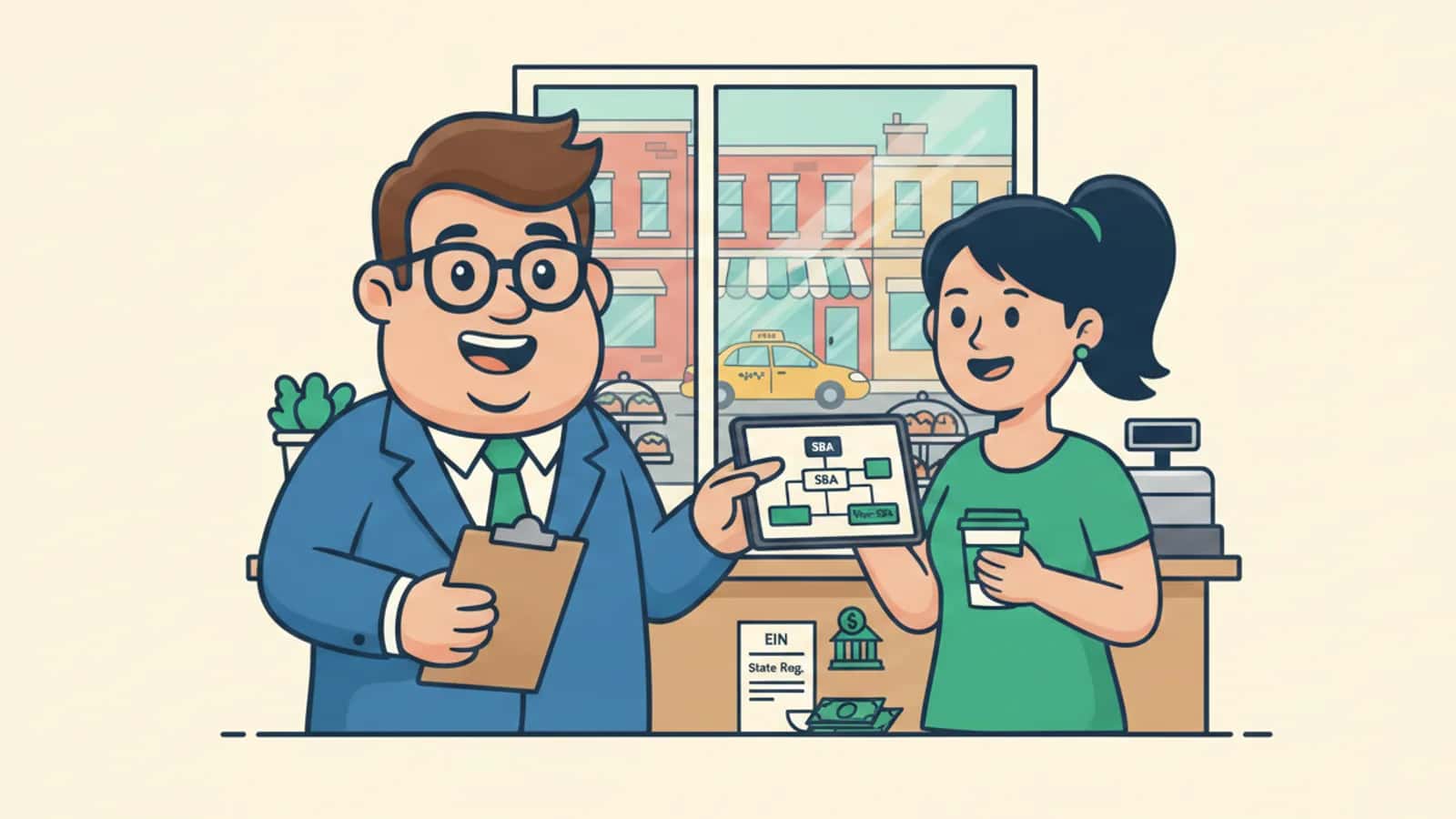
Business Loans for Startups: SBA and Non-SBA Options for New Companies
US startups may consider SBA microloans, CDFI loans, equipment finance, online lenders, grants or equity. Availability depends on revenue history, owner credit, collateral, experience and use of funds; pre-revenue businesses usually have fewer debt options.

Business Loans for Women, Minority and Veteran-Owned Businesses in the US: Complete 2026 Guide
Women, minority, and veteran-owned businesses can access specialized loan programs offering up to $5 million in funding through dedicated lenders, SBA programs, and community development financial institutions.

Disaster Loans for Small Businesses: What You Need to Know Now
SBA disaster assistance can provide loans to eligible businesses in declared disaster areas. Loan type, rate, maximum amount, filing deadline and permitted use depend on the specific declaration and the applicant's verified losses, so check the current SBA declaration before relying on a figure.

Equipment and Cash Flow Options: A Complete Guide for Business Owners
Equipment loans, finance leases, operating leases and sale-leasebacks affect ownership, cash flow, collateral and tax treatment differently. Compare total repayment, deposit, useful life and end-of-term options, and confirm tax treatment with a qualified adviser.
Equipment Financing in the US: Loans, Leases and Section 179 Deductions
Equipment financing in the US: loans, leases and section 179 deductions work together to help businesses acquire machinery, vehicles, and technology while managing cash flow and taxes. Equipment loans provide ownership with potential Section 179 deductions up to $1.22 million in 2025, while leases offer lower payments but different tax treatment.
Franchise Financing in the US: SBA Loans, Bank Loans and Alternative Lenders
US franchise acquisitions may be financed with SBA 7(a), conventional bank, equipment, seller or alternative funding. Lenders assess the franchise agreement, ownership and control, borrower injection, experience, cash flow and total project cost; there is no current public SBA Franchise Directory requirement.
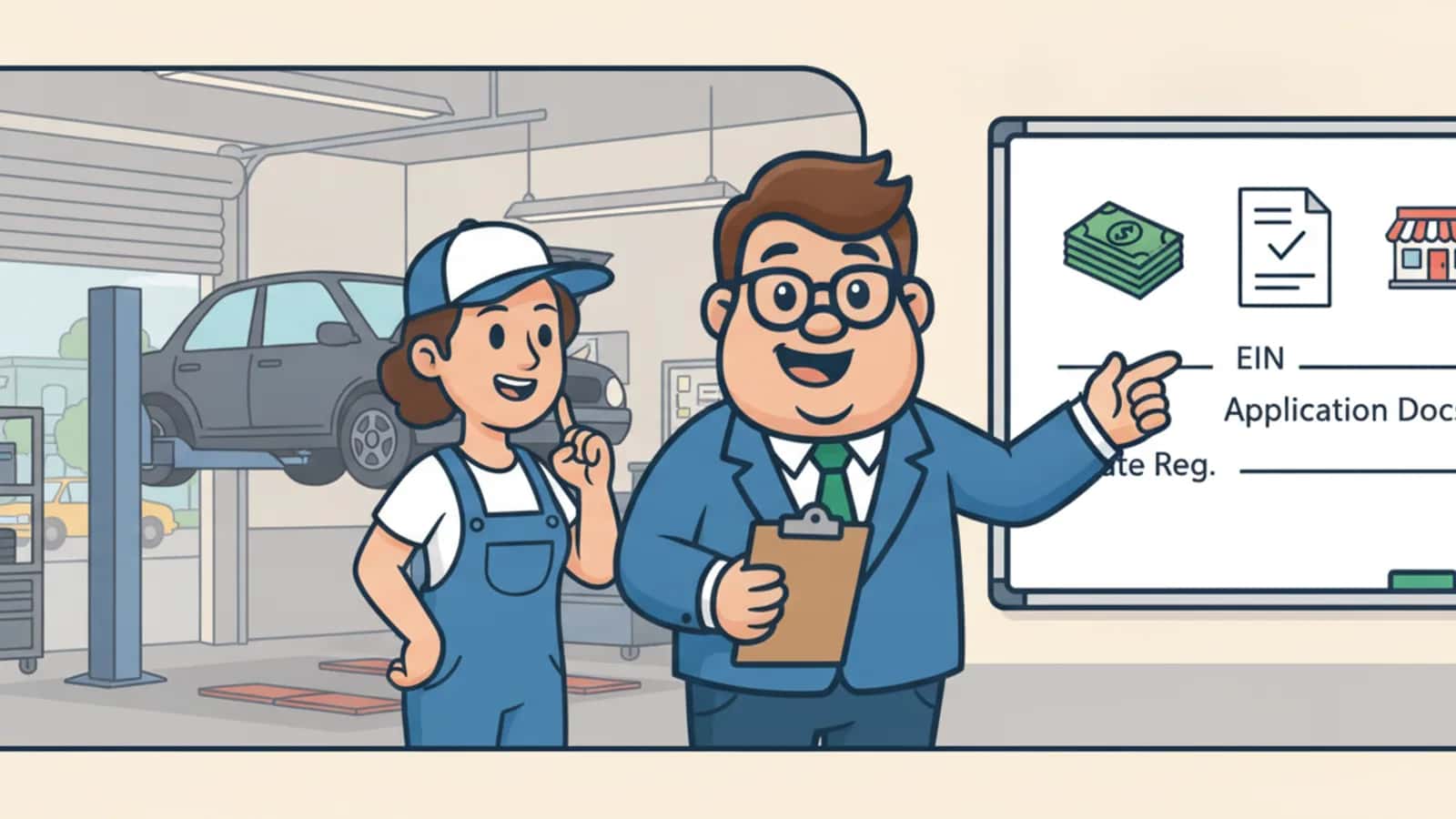
How to Qualify for a Business Loan: Step-by-Step Guide to Lender Requirements
To qualify for a business loan, lenders typically evaluate your personal credit score (usually 670 or above for banks), time in business (at least two years for traditional lenders), annual revenue (often $50,000 to $250,000 minimum), and supporting documents like tax returns and bank statements.

Merchant Cash Advances in the US: Factor Rates, Holdbacks and Alternatives
Merchant cash advances in the US provide fast funding by purchasing future sales at a discount, using factor rates (not interest rates) and daily holdbacks from revenue. With factor rates typically ranging from 1.1 to 1.5, the effective annual cost often exceeds 50% APR.
Private Credit vs. Traditional Business Loans: What Main Street Borrowers Need to Know
Private-credit and traditional bank loans differ in underwriting flexibility, documentation, covenants, pricing and repayment structure. Private credit may fit a complex or time-sensitive case, while bank debt may be cheaper for a strong conventional borrower; compare the full term sheet.
Business Loans questions
The important details before you check eligibility.
What should a business compare before choosing a loan?
Compare total repayment cost, repayment frequency, eligibility criteria, security requirements, application speed, and whether the loan fits the way the business earns revenue.
How much can a business typically borrow?
Loan sizes vary widely by lender and depend on turnover, trading history, and affordability. Facilities commonly range from a few thousand to several hundred thousand pounds, with larger amounts available to established businesses.
Do I need to be a homeowner to get a business loan?
Not always. Some lenders ask for a personal guarantee that can take homeownership into account, but many business loans don't require you to own property.
Will checking my options affect my credit score?
An initial eligibility check is often a soft search that doesn't affect your score. A full application may involve a hard credit check, so confirm with the lender before you proceed.
How quickly can the money arrive?
It depends on the lender and how ready your paperwork is. Some online lenders approve and fund within a day or two, while traditional lenders can take longer.
Are business loan requirements the same in every market?
No. Eligibility, terminology, credit checks, and lender expectations vary by market, so each Funding Fred guide is written for the relevant country.
Ready when you are
Explore US business funding options
Start a short eligibility check for US business funding options. It only takes about 2 minutes, with no hard credit check to start.