Secured vs Unsecured Business Loans: Cost, Collateral and Risk Compared
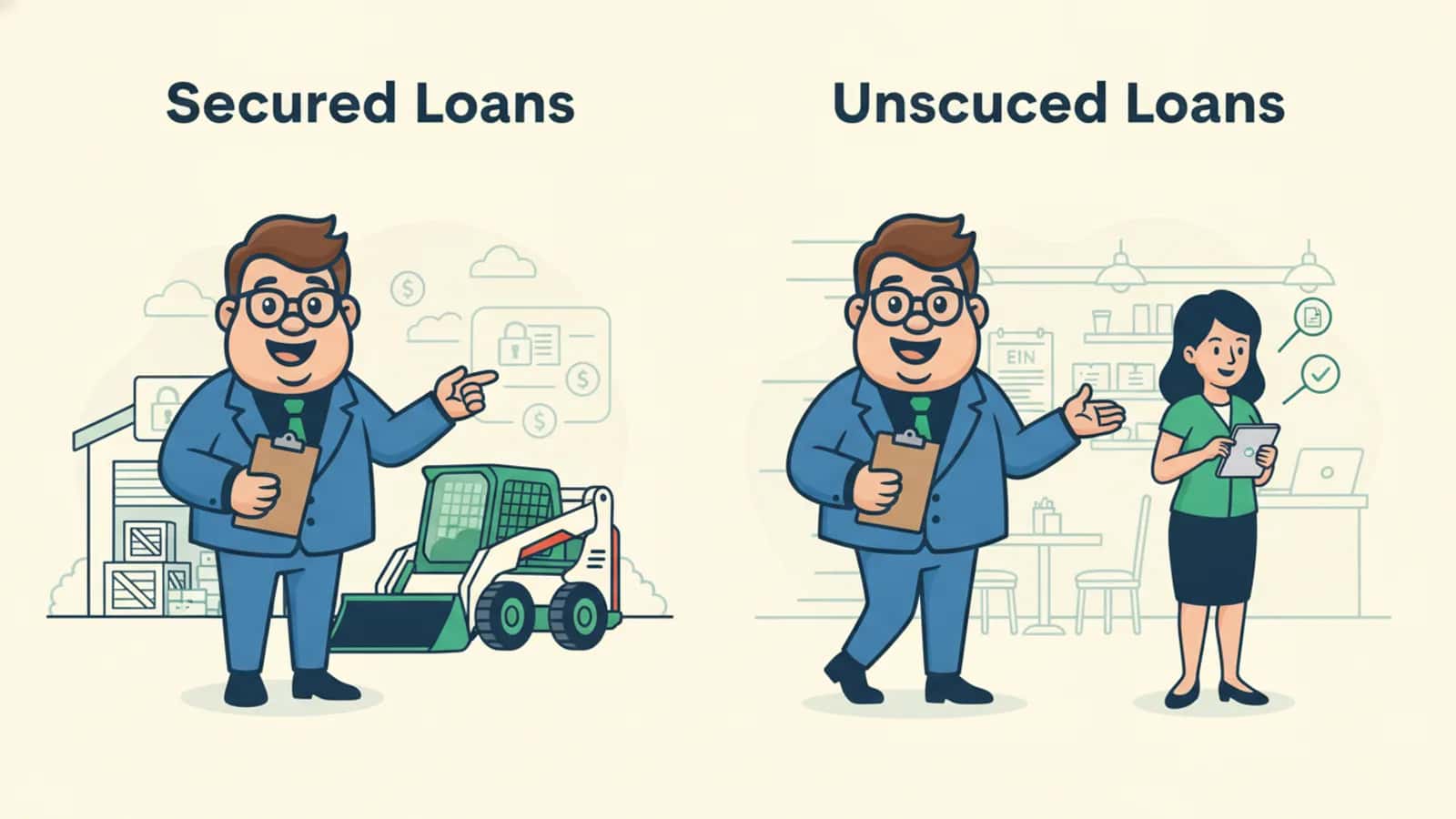
Secured business loans require collateral but offer lower interest rates (typically 6-15% annually), while unsecured loans need no collateral but cost 200-500 basis points more (often 15-30% annually). Secured loans provide larger amounts and longer terms but risk asset seizure if you default.
Quick answer
Secured business loans require collateral but offer lower interest rates (typically 6-15% annually), while unsecured loans need no collateral but cost 200-500 basis points more (often 15-30% annually). Secured loans provide larger amounts and longer terms but risk asset seizure if you default. Unsecured loans fund faster but rely on personal guarantees and credit scores for approval.
Key takeaways
- Secured loans cost significantly less but require valuable assets as collateral
- Unsecured loans approve faster but charge higher rates and offer smaller amounts
- Default on secured loans means losing your collateral; unsecured defaults trigger personal guarantee collection
- Businesses with strong assets should consider secured loans for major investments
- Companies needing quick working capital often choose unsecured despite higher costs
- Credit scores matter more for unsecured loans; collateral value drives secured loan decisions
- Most secured loans range from $50K to $5M; unsecured loans typically cap at $500K-$1M
- Approval times: unsecured loans 1-7 days, secured loans 2-6 weeks
What's the Difference Between Secured and Unsecured Business Loans
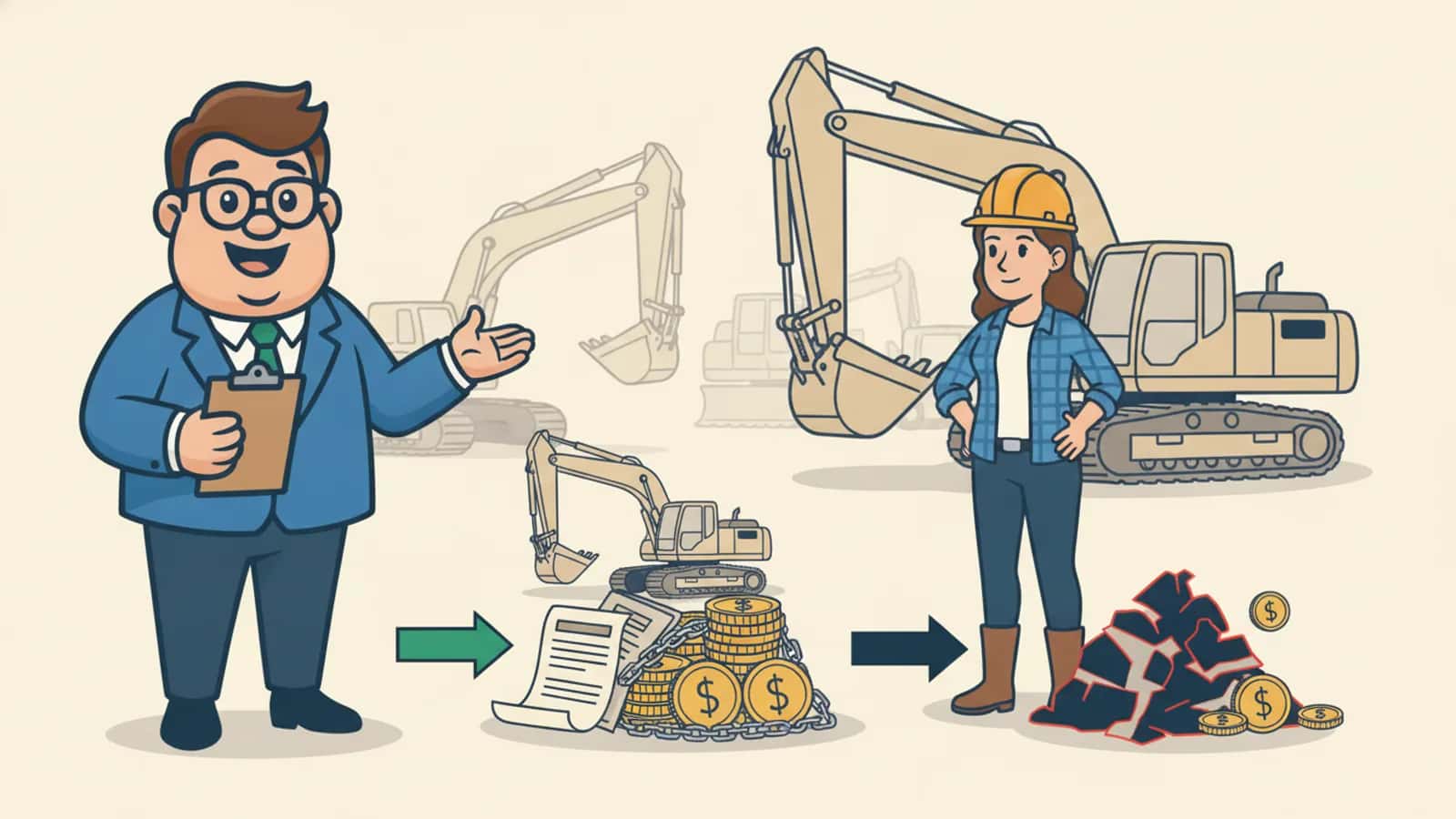
Secured business loans require borrowers to pledge specific assets as collateral, while unsecured loans rely on creditworthiness and personal guarantees without requiring asset backing.
The fundamental difference lies in risk allocation. With secured loans, lenders can seize and sell your collateral if you default, reducing their risk and allowing them to offer better terms. Unsecured lenders cannot claim specific assets but typically require personal guarantees, making business owners personally liable for the debt.
Key structural differences
- Collateral requirement: Secured loans need assets worth 100-125% of loan value; unsecured loans need none
- Personal guarantees: Both types often require personal guarantees, but unsecured loans rely on them more heavily
- Risk assessment: Secured loans focus on collateral value; unsecured loans emphasize credit scores and cash flow
- Legal protections: Secured lenders file UCC liens; unsecured lenders rely on contract law and personal guarantee enforcement
Choose secured loans when you have valuable assets and want lower costs for larger amounts. Choose unsecured when you need speed or lack sufficient collateral.
How Much Cheaper Are Secured Business Loans Compared to Unsecured
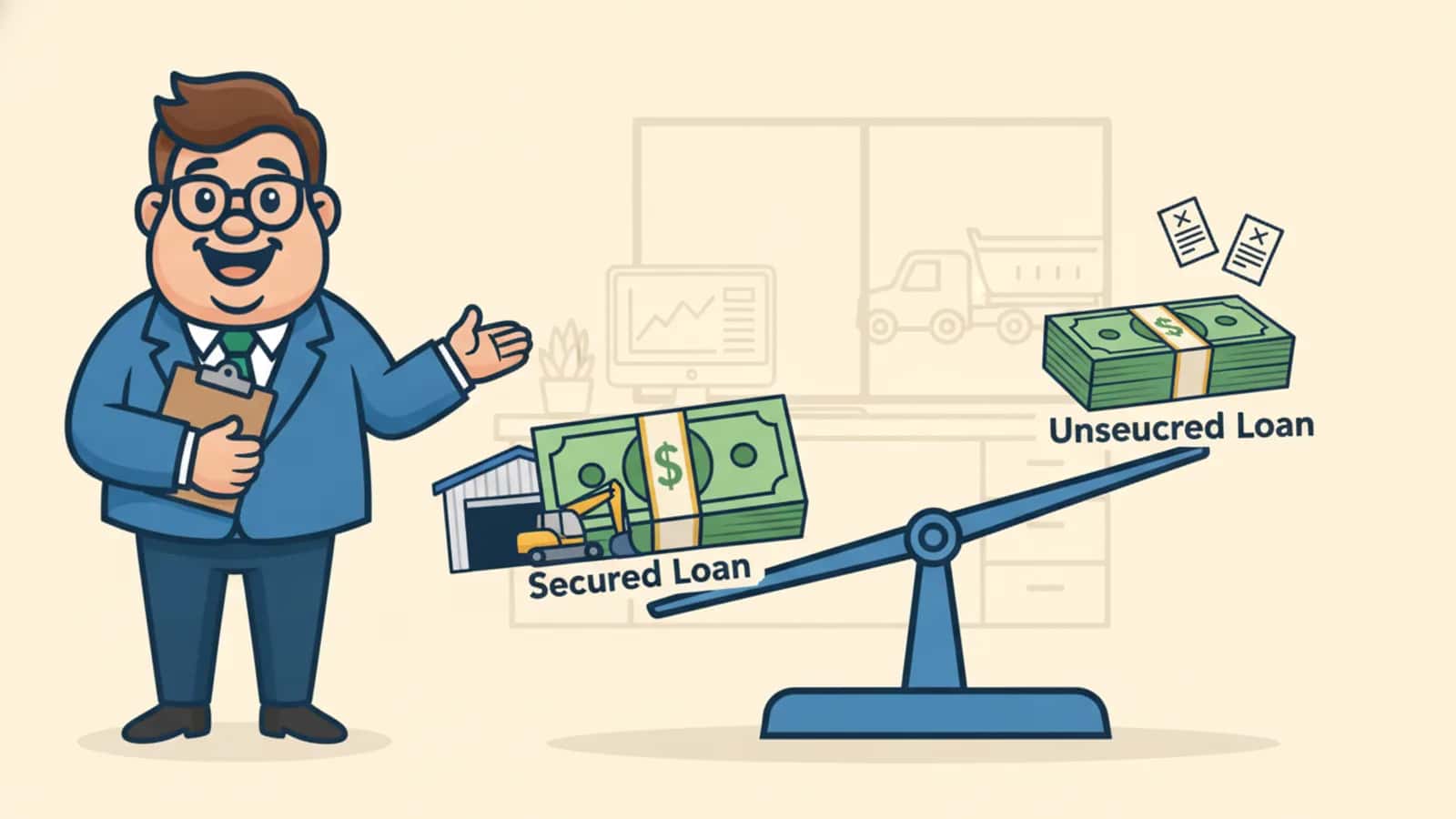
Secured business loans typically cost 200-500 basis points (2-5 percentage points) less than unsecured loans, with secured rates ranging from 6-15% annually versus 15-30% for unsecured loans.
The cost difference reflects the lender's reduced risk when they can claim collateral. Market data shows secured loans often price at prime plus 1-6%, while unsecured loans commonly price at prime plus 8-20% or higher.
Real cost comparison examples:
Beyond interest rates, consider these cost factors:
- Origination fees
- Secured loans 0.5-3%, unsecured loans 1-6%
- Appraisal costs
- Secured loans may require $500-$5,000 in asset valuations
- Processing time
- Unsecured loans fund faster, reducing opportunity costs
- Prepayment penalties
- More common in unsecured loans
The total cost difference can exceed $50,000 over five years on a $250,000 loan. However, unsecured loans may prove cheaper for short-term needs due to faster access and no appraisal costs.
What Collateral Do You Need for a Secured Business Loan
Acceptable collateral includes real estate, equipment, inventory, accounts receivable, and business assets with verifiable market value that lenders can easily liquidate.
Lenders typically require collateral worth 100-125% of the loan amount to account for depreciation and sale costs. The collateral must be business-related or personally owned assets you're willing to pledge.
Common collateral types and requirements
- Commercial real estate: Must have recent appraisal, clear title, and adequate equity
- Equipment: Machinery, vehicles, technology with established resale markets
- Inventory: Raw materials, finished goods with stable demand and shelf life
- Accounts receivable: Outstanding invoices from creditworthy customers
- Securities: Stocks, bonds, CDs, and other liquid investments
- Personal assets: Primary residence, investment properties, personal vehicles
Collateral evaluation factors
- Market liquidity and demand for the asset type
- Age, condition, and depreciation rate
- Geographic location and local market conditions
- Insurance coverage and maintenance requirements
Lenders often reject collateral that's difficult to value or sell, such as specialized equipment, intellectual property, or assets in declining markets. For US small business loans, work with lenders experienced in your industry's typical collateral types.
Can You Get a Business Loan Without Collateral
Yes, unsecured business loans require no collateral but typically demand strong credit scores (680+), consistent revenue, and personal guarantees from business owners.
Unsecured lenders focus on your ability to repay rather than asset backing. They evaluate credit history, cash flow, business performance, and industry stability to assess default risk.
Requirements for unsecured business loans
- Credit scores: Personal scores 680+, business scores 75+ preferred
- Revenue: Minimum $100,000-$250,000 annual revenue for most lenders
- Time in business: Usually 12-24 months minimum operating history
- Cash flow: Positive monthly cash flow and debt service coverage ratio above 1.25x
- Personal guarantee: Owners with 20%+ equity typically must guarantee the debt
Alternative collateral-free options
- Revenue-based financing: Repayment tied to future sales percentages
- Invoice factoring: Sell outstanding receivables for immediate cash
- Merchant cash advances: Advance against future credit card sales
- SBA microloans: Up to $50,000 with relaxed collateral requirements
Many online lenders specialize in unsecured business funding with flexible criteria and fast approval processes. However, expect higher costs and smaller loan amounts compared to secured options.
What Happens If You Default on a Secured Business Loan
Lenders can seize and sell your collateral through foreclosure or repossession proceedings, with any remaining debt balance still owed by the borrower.
The default process typically follows these steps: notice of default, cure period (usually 30-60 days), acceleration of the full balance, and collateral seizure. State laws govern the specific procedures and borrower protections.
Secured loan default consequences
- Asset seizure: Lender takes possession of pledged collateral
- Forced sale: Assets sold at auction or through private sale
- Deficiency balance: You owe any remaining debt after sale proceeds
- Credit damage: Default reports to business and personal credit bureaus
- Personal guarantee enforcement: Lenders pursue personal assets if business assets are insufficient
Timeline and process:
- 1
Days 1-30
Late payment notices and fees
- 2
Days 30-60
Formal default notice and cure period
- 3
Days 60-90
Acceleration notice demanding full payment
- 4
Days 90+
Collateral seizure and sale proceedings
Borrower protections vary by state
- Right to cure defaults before acceleration
- Notice requirements before asset seizure
- Fair market value sale requirements
- Redemption rights after seizure
The collateral's sale value often falls below market value due to auction conditions and quick sale requirements. This means borrowers frequently owe substantial deficiency balances even after losing their assets.
Which Type of Business Loan Is Easier to Get Approved For
Secured business loans are generally easier to get approved for because collateral reduces lender risk, allowing them to approve borrowers with lower credit scores and shorter business histories.
Collateral provides lenders with a recovery mechanism if the business fails, making them more willing to extend credit to riskier borrowers. Unsecured loans require stronger financials since lenders have no asset backing.
Approval factors comparison:
| Factor | Secured Loans | Unsecured Loans |
|---|---|---|
| Credit Score | 600+ often acceptable | 680+ typically required |
| Time in Business | 6-12 months | 12-24 months |
| Revenue Requirements | Lower minimums | Higher minimums |
| Debt-to-Income | More flexible | Stricter ratios |
| Industry Risk | Less restrictive | More selective |
When secured loans are easier
- Poor credit history or recent credit events
- New businesses with limited operating history
- High-risk industries like restaurants or retail
- Seasonal businesses with irregular cash flow
- Companies with high existing debt levels
When unsecured loans are easier
- Strong credit profiles with established banking relationships
- Service businesses with predictable recurring revenue
- Companies that need funding quickly without appraisal delays
- Borrowers who lack sufficient collateral value
Many business owners start with SBA 7(a) loans which can be secured or unsecured depending on loan size and borrower strength.
Unsecured Business Loan Interest Rates vs Secured
Unsecured business loan rates typically range from 15-30% annually, while secured loans range from 6-15%, representing a significant cost premium for the convenience and speed of unsecured funding.
The rate spread reflects the lender's increased risk when no collateral backs the loan. Unsecured lenders must price in higher default rates and collection costs, leading to substantially higher interest charges.
Current market rate ranges (2026)
- Bank secured loans: 6-12% (prime-based pricing)
- Alternative secured loans: 8-15% (risk-adjusted pricing)
- Bank unsecured loans: 12-18% (relationship-based)
- Online unsecured loans: 15-30% (convenience premium)
- Short-term unsecured: 25-50%+ (emergency funding)
Rate factors for unsecured loans
- Credit scores: 750+ scores get best rates, 650- scores pay premiums
- Revenue stability: Consistent growth earns rate reductions
- Industry risk: Low-risk sectors get better pricing
- Loan term: Shorter terms often have higher rates but lower total cost
- Banking relationship: Existing customers receive preferential pricing
Hidden cost considerations:
Unsecured loans often include higher origination fees (2-6% vs 1-3% for secured), shorter repayment terms that increase monthly payments, and prepayment penalties that lock in high-cost debt.
For working capital needs, compare the total cost including fees and opportunity costs, not just headline interest rates.
Is a Secured Business Loan Worth It If You Have Bad Credit
Secured business loans can be worthwhile for borrowers with bad credit because collateral allows lenders to approve loans that would otherwise be rejected, often at rates 5-10 percentage points lower than unsecured alternatives.
Bad credit borrowers (scores below 650) face limited unsecured options and extremely high rates when approved. Collateral provides an alternative path to business funding at more reasonable costs.
Bad credit secured loan benefits
- Approval possibility: Collateral compensates for credit weaknesses
- Lower rates: 10-18% vs 25-40% for bad credit unsecured loans
- Larger amounts: Asset value determines loan size, not credit limits
- Credit rebuilding: On-time payments improve business and personal scores
Risks to consider
- Asset loss: Defaulting means losing valuable business or personal assets
- Personal liability: Most secured loans still require personal guarantees
- Appraisal costs: $1,000-$5,000 in upfront evaluation expenses
- Longer process: 3-8 weeks vs days for unsecured loans
When secured loans make sense with bad credit
- You have substantial equity in real estate or equipment
- The funding need is large enough to justify appraisal costs
- You have a clear repayment plan and stable cash flow
- Alternative funding sources are unavailable or prohibitively expensive
Alternatives for bad credit borrowers
- SBA microloans up to $50,000 with flexible requirements
- Revenue-based financing tied to sales performance
- Equipment financing where the equipment serves as collateral
How Long Does It Take to Get Approved for Secured vs Unsecured Loans
Unsecured business loans typically approve and fund within 1-7 days, while secured loans require 2-6 weeks due to collateral appraisal and documentation requirements.
The speed difference reflects the additional due diligence required for secured loans. Lenders must verify collateral ownership, obtain professional appraisals, and file legal documents before funding.
Typical timeline breakdown:
| Process Step | Secured Loans | Unsecured Loans |
|---|---|---|
| Application Review | 2-5 days | 1-2 days |
| Credit/Financial Analysis | 3-7 days | 1-3 days |
| Collateral Appraisal | 7-14 days | N/A |
| Legal Documentation | 3-7 days | 1-2 days |
| Final Approval | 2-3 days | Same day-1 day |
| Funding | 1-3 days | Same day-2 days |
| Total Time | 2-6 weeks | 1-7 days |
Factors that slow secured loans
- Appraisal scheduling: Professional valuations take 1-2 weeks
- Title searches: Real estate collateral requires clear title verification
- UCC filings: Legal liens must be researched and filed
- Insurance requirements: Adequate coverage must be verified or obtained
- Environmental assessments: Some properties need environmental clearance
Fast-track options
- Desktop appraisals: Some lenders accept automated valuations for equipment
- Existing appraisals: Recent valuations (under 12 months) may be acceptable
- Pre-approval programs: Established relationships can streamline the process
For urgent funding needs, unsecured options or lines of credit provide faster access despite higher costs.
Maximum Loan Amounts: Secured vs Unsecured Comparison
Secured business loans typically offer $50,000 to $5 million or more based on collateral value, while unsecured loans generally cap at $500,000 to $1 million regardless of business size.
The loan amount difference reflects lender risk tolerance. Secured lenders can offer larger amounts because collateral provides recovery options, while unsecured lenders limit exposure to what they can reasonably collect through cash flow and personal guarantees.
Typical loan size ranges
- Bank secured loans: $100,000-$5,000,000+
- SBA secured loans: Up to $5,000,000 (7(a) program maximum)
- Alternative secured loans: $50,000-$2,000,000
- Bank unsecured loans: $25,000-$500,000
- Online unsecured loans: $10,000-$1,000,000
- SBA unsecured microloans: Up to $50,000
Factors determining maximum amounts:
For secured loans
- Collateral value (typically 75-90% loan-to-value ratio)
- Debt service coverage ability
- Business cash flow and profitability
- Industry risk and market conditions
For unsecured loans
- Annual revenue (typically 10-30% of gross revenue)
- Credit scores and payment history
- Existing debt obligations
- Personal guarantee strength
Large loan strategies:
Businesses needing substantial funding often combine multiple sources: a secured loan for the primary amount, an unsecured line of credit for working capital, and equipment financing for specific purchases.
Can You Use Your House as Collateral for a Business Loan
Yes, you can use personal real estate including your primary residence as collateral for business loans, but this creates significant personal risk since defaulting could result in foreclosure and loss of your home.
Many lenders accept residential property as business loan collateral, especially for established businesses needing larger loan amounts. However, mixing personal and business assets requires careful consideration of the risks involved.
Requirements for using residential collateral
- Sufficient equity: Usually need 20-30% equity after the loan
- Property appraisal: Professional valuation required (cost: $500-$1,500)
- Clear title: No liens or title issues that prevent additional borrowing
- Insurance: Adequate homeowner's coverage protecting lender interests
- Income verification: Ability to service both mortgage and business loan payments
Legal and practical considerations
- Homestead exemptions: Some states protect primary residences from business creditors
- Spouse consent: Married borrowers typically need spousal approval for home collateral
- Cross-default provisions: Business loan default could trigger mortgage acceleration
- Tax implications: Interest may be deductible as business expense rather than mortgage interest
Alternatives to personal real estate
- Business real estate: Commercial properties owned by the business
- Equipment financing: Use business assets rather than personal property
- SBA loans: Government backing reduces collateral requirements
- Unsecured options: Higher cost but no personal asset risk
Before pledging your home, consider whether business-specific funding options might meet your needs without risking personal assets.
Which Businesses Should Get Secured Loans vs Unsecured
Asset-heavy businesses like manufacturing, construction, and real estate should consider secured loans, while service businesses with minimal assets often benefit more from unsecured financing despite higher costs.
The choice depends on your industry's asset base, funding needs, and risk tolerance. Businesses with valuable equipment or real estate can leverage these assets for better loan terms, while service companies may lack sufficient collateral.
Businesses that should consider secured loans
- Manufacturing: Equipment and inventory provide substantial collateral value
- Construction: Vehicles, machinery, and real estate support large loan amounts
- Transportation: Fleet vehicles and equipment justify secured financing
- Real estate: Property investments naturally support secured lending
- Agriculture: Land, equipment, and livestock offer collateral options
- Retail with inventory: Product inventory can secure working capital loans
Businesses better suited for unsecured loans
- Professional services: Law firms, accounting, consulting with minimal assets
- Technology companies: Software businesses with intellectual property but few physical assets
- Healthcare practices: Service-based with expensive but specialized equipment
- Restaurants: Equipment depreciates quickly and has limited resale value
- Startups: New businesses without established asset bases
- E-commerce: Inventory-light models with digital operations
Industry-specific considerations:
Restaurant businesses often struggle with secured loans because kitchen equipment has poor resale value. Trucking companies benefit from secured loans using vehicles as collateral.
Decision framework:
- 1
Asset inventory
List valuable business assets and their market value
- 2
Funding amount
Compare loan needs to available collateral value
- 3
Speed requirements
Urgent needs may favor unsecured despite costs
- 4
Risk tolerance
Consider your comfort level with asset loss risk
What Are the Risks of Taking Out an Unsecured Business Loan
The primary risks include personal liability through guarantees, higher interest costs that strain cash flow, and potential business closure if you cannot meet aggressive repayment terms.
Unsecured loans shift risk from specific assets to general business and personal liability. While you won't lose predetermined collateral, lenders can pursue various collection methods that may be equally damaging.
Financial risks
- High interest costs: 15-30% rates significantly impact cash flow and profitability
- Short repayment terms: Compressed schedules create higher monthly payments
- Personal guarantee exposure: Business failure can trigger personal asset collection
- Debt service burden: High payments may prevent reinvestment and growth
Operational risks
- Cash flow strain: High payments may force operational cutbacks
- Growth limitations: Debt service reduces capital available for expansion
- Refinancing challenges: High rates make it difficult to improve terms later
- Covenant violations: Financial performance requirements may trigger default
Legal and collection risks
- Personal credit damage: Business defaults affect personal credit scores
- Asset seizure: Personal guarantee allows collection from personal assets
- Bank account levies: Lenders can freeze business and personal accounts
- Wage garnishment: Personal income may be subject to collection
Risk mitigation strategies
- Conservative borrowing: Only borrow what you can comfortably repay
- Multiple revenue streams: Diversify income to reduce payment risk
- Cash reserves: Maintain emergency funds for payment continuity
- Early repayment: Pay down high-cost debt quickly when cash flow allows
Consider accounts receivable financing or other asset-based alternatives that may offer better terms than unsecured loans.
Next steps for secured vs unsecured business loans
The choice between secured vs unsecured business loans ultimately depends on your specific situation: asset availability, funding timeline, and risk tolerance. Secured loans offer significant cost savings and larger amounts but require valuable collateral and longer approval times. Unsecured loans provide speed and convenience at a premium price, making them ideal for urgent working capital needs.
For most established businesses with substantial assets, secured loans provide the best value for major investments and expansion. Service businesses and startups often find unsecured options more practical despite higher costs. Consider your industry, asset base, and funding urgency when making this critical financing decision.
Ready to explore your options? Check eligibility now with no hard credit pull to understand what you might qualify for across our US funding partners. Fast eligibility matching helps you compare realistic secured and unsecured options before committing to anything.
Frequently asked questions
What's the Difference Between Secured and Unsecured Business Loans?
Secured business loans require borrowers to pledge specific assets as collateral, while unsecured loans rely on creditworthiness and personal guarantees without requiring asset backing.
How Much Cheaper Are Secured Business Loans Compared to Unsecured?
Secured business loans typically cost 200-500 basis points (2-5 percentage points) less than unsecured loans, with secured rates ranging from 6-15% annually versus 15-30% for unsecured loans.
What Collateral Do You Need for a Secured Business Loan?
Acceptable collateral includes real estate, equipment, inventory, accounts receivable, and business assets with verifiable market value that lenders can easily liquidate.
Can You Get a Business Loan Without Collateral?
Yes, unsecured business loans require no collateral but typically demand strong credit scores (680+), consistent revenue, and personal guarantees from business owners.
What Happens If You Default on a Secured Business Loan?
Lenders can seize and sell your collateral through foreclosure or repossession proceedings, with any remaining debt balance still owed by the borrower.
Which Type of Business Loan Is Easier to Get Approved For?
Secured business loans are generally easier to get approved for because collateral reduces lender risk, allowing them to approve borrowers with lower credit scores and shorter business histories.
Written by
The Funding Fred Editorial Team creates plain-English guides to help business owners understand funding options, eligibility, and application readiness before they compare finance options.
Reviewed by
Business finance content reviewer
Robert reads our business finance guides before they go live, checking each one is accurate, easy to follow, and reflects how lending actually works today — not how a brochure says it should. He's listed on the UK's FCA Register, approved as an SMF3 (AR) Executive Director at Switcha Limited, and connected to Lucky Growth Partners Ltd through its appointed representative relationship, so each guide gets a properly qualified second read.
Sources
- Secured Vs Unsecured Business Loans
- Secured Vs Unsecured Business Loan
- Secured Vs Unsecured Business Loans 2026 Real Cost Compared
- Secured And Unsecured Business Loans
- Business Loan Interest Rates
- Secured Vs Unsecured Business Loans
- Best Unsecured Business Loans
- Secured Vs Unsecured Business Loan What Is The Difference
- Notificationuser
- Unsecured Business Loan Rates 2026