
Asset Finance. Without the Fuss.
Vehicle, equipment, and machinery finance explained — compare deposits, repayments, ownership, and cash-flow impact before you fund your next asset.
Asset finance explained
Use these guides to understand how vehicle, equipment, and machinery finance can affect deposits, monthly repayments, ownership, and cash flow — and which structure fits your business.
What to compare before you finance an asset
Finance type
Hire purchase, finance lease, and operating lease each treat ownership, your balance sheet, and end-of-term options differently.
Deposit & monthly cost
A larger deposit lowers monthly payments — weigh the upfront outlay against the impact on cash flow.
Ownership at the end
Decide whether you want to own the asset outright, hand it back, or upgrade when the term ends.
Asset lifespan vs term
Match the agreement length to how long the asset will stay useful and productive.
VAT & tax treatment
Check what maintenance is included and how VAT and tax relief apply to your chosen finance type.
Latest guides
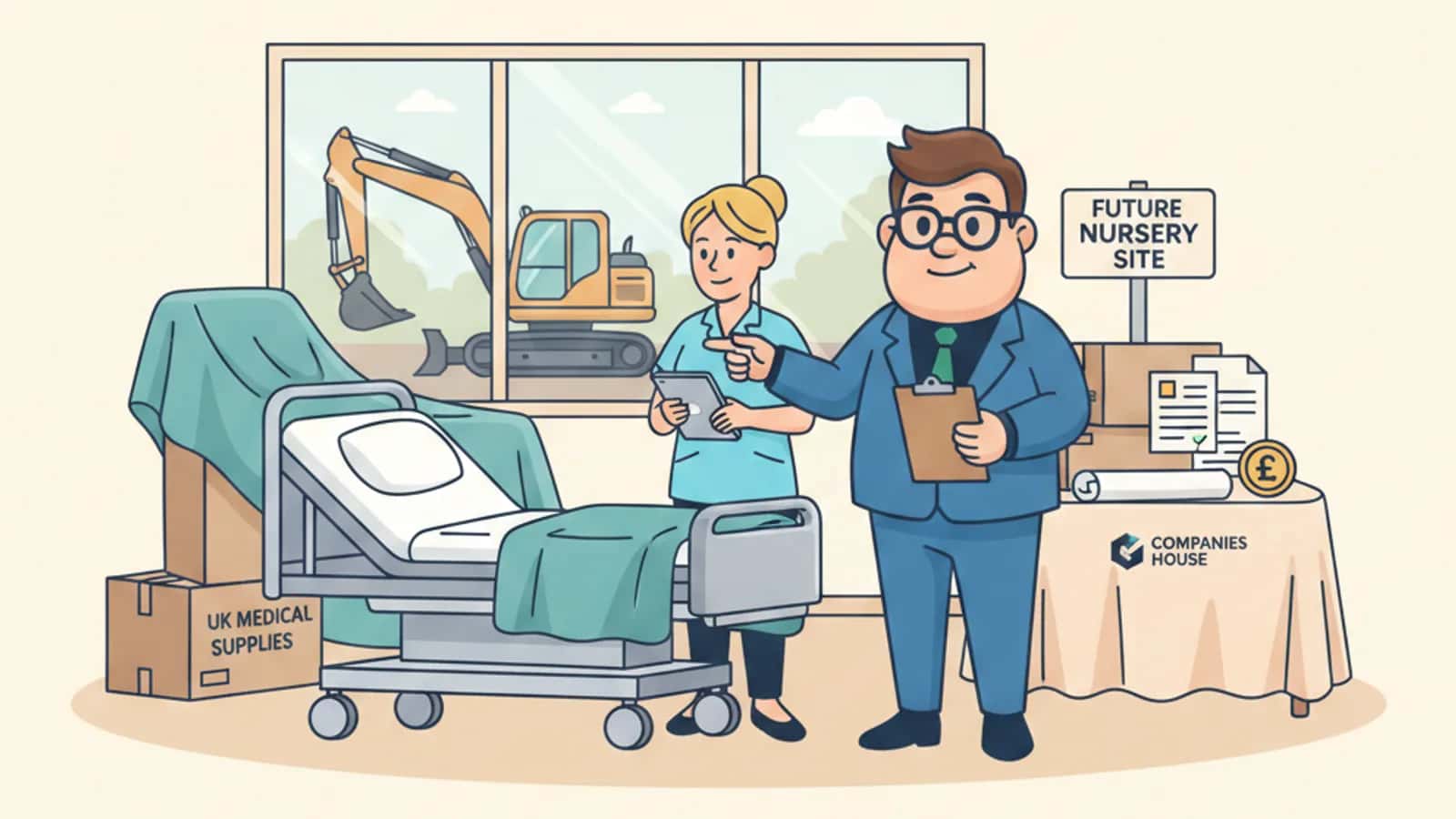
Asset Finance for Care Homes and Nurseries: Funding Specialist Equipment and Refurbishments
Care homes and nurseries face a £2.4 billion annual equipment replacement cycle, yet 67% struggle with upfront capital costs for essential upgrades. Asset finance for care homes and nurseries: funding specialist equipment and refurbishments offers a solution that spreads costs over 2-7 years while preserving working capital for daily operations.
Asset Finance for Cash Flow: When Equipment Funding Protects Working Capital
Asset finance preserves working capital by spreading equipment costs over time while the asset generates revenue immediately. Instead of paying £50,000 upfront for a digger, you pay monthly instalments while the machine earns from day one, keeping cash available for wages, materials, and unexpected costs.

Asset Finance for Franchises: Funding Fit-Outs, Vehicles and Required Equipment
Franchise equipment loans typically range from £10,000 to £5 million, with rates from 5% to 25% APR depending on credit profile and asset type.[8] Asset finance lets franchisees spread the cost of vehicles, plant, machinery and fit-outs over the asset's useful life, preserving working capital for operations and growth.
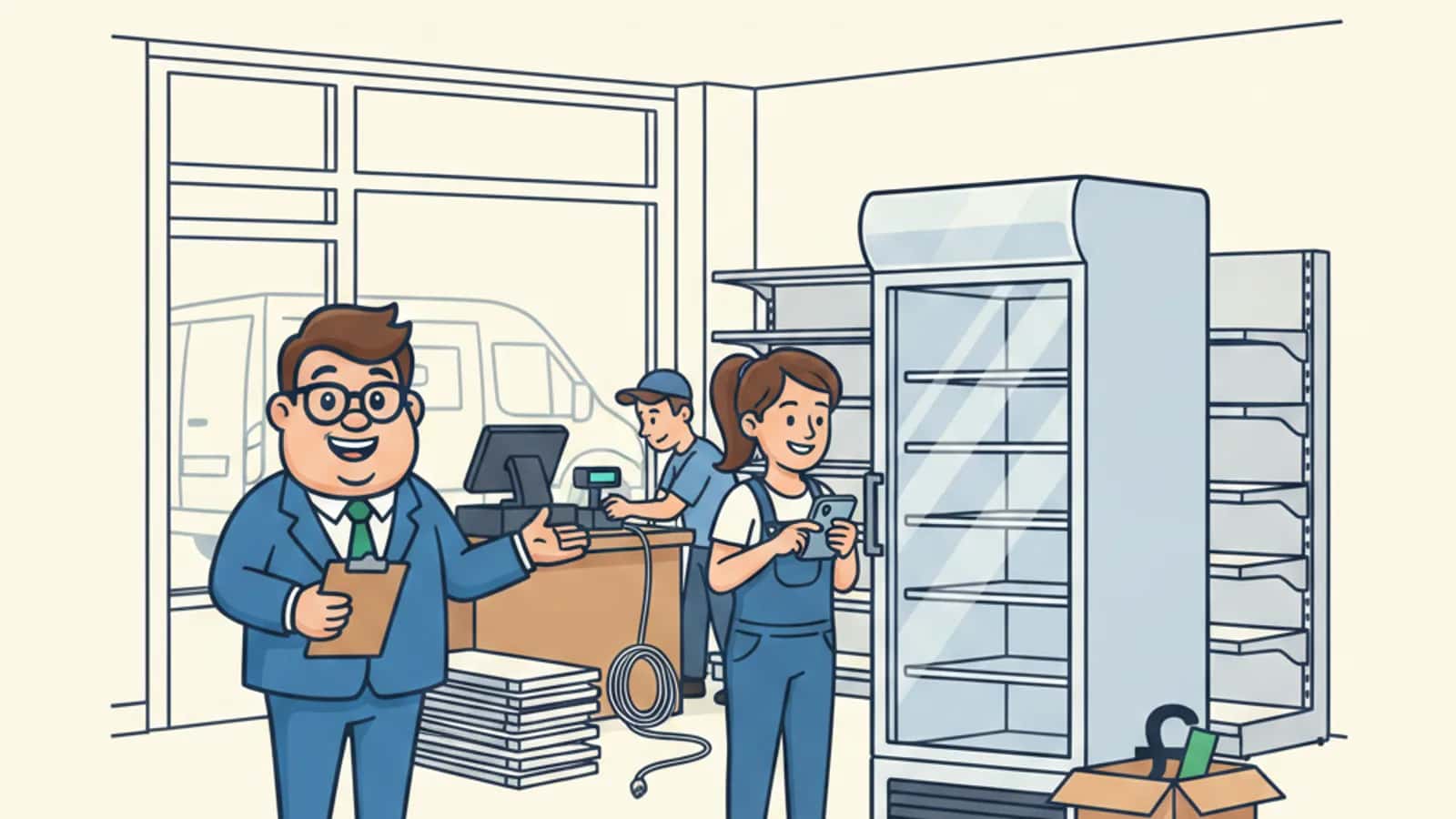
Asset Finance for Retail Fit-Outs: Funding EPOS, Displays, Refrigeration and Fixtures
Retail equipment failures happen at the worst times, broken tills during peak season, failed refrigeration before a product launch, or outdated displays when a competitor opens nearby. Asset finance for retail fit-outs: funding EPOS, displays, refrigeration and fixtures solves these urgent problems without draining cash reserves.
Asset Finance Rates UK: What Affects Pricing on Equipment and Machinery Funding?
Asset finance rates in the UK currently range from 7.9% APR for prime borrowers to 18% APR for businesses with adverse credit. Rates depend on your credit profile, asset type, loan term, deposit amount, and the Bank of England base rate (currently 4.50%).
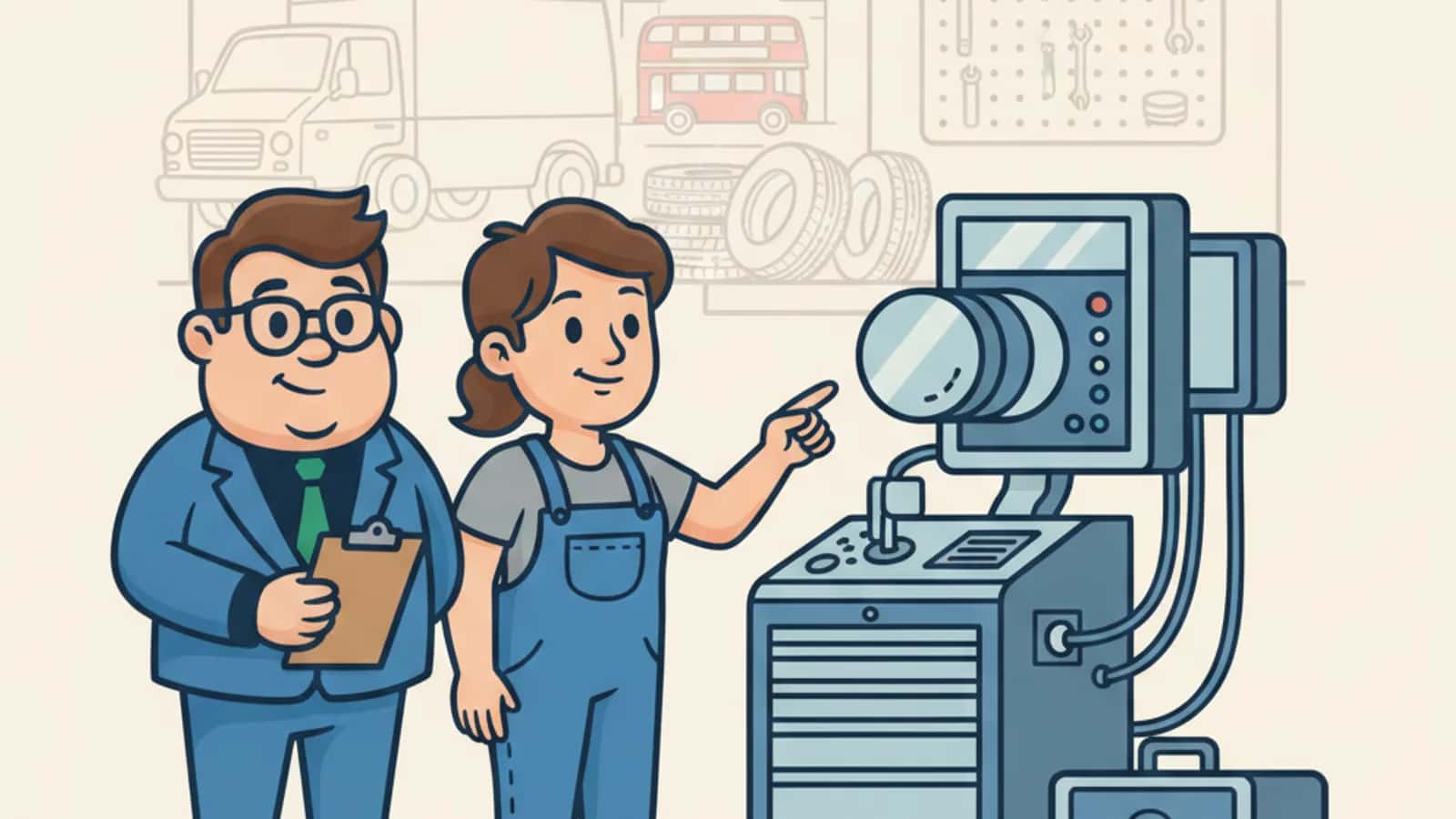
Bad Credit Asset Finance UK: Can You Fund Equipment After Defaults or CCJs?
Yes, you can secure asset finance in the UK even with defaults or CCJs on your credit file. Specialist lenders focus on the asset's value, your business cash flow, and current affordability rather than past credit events.
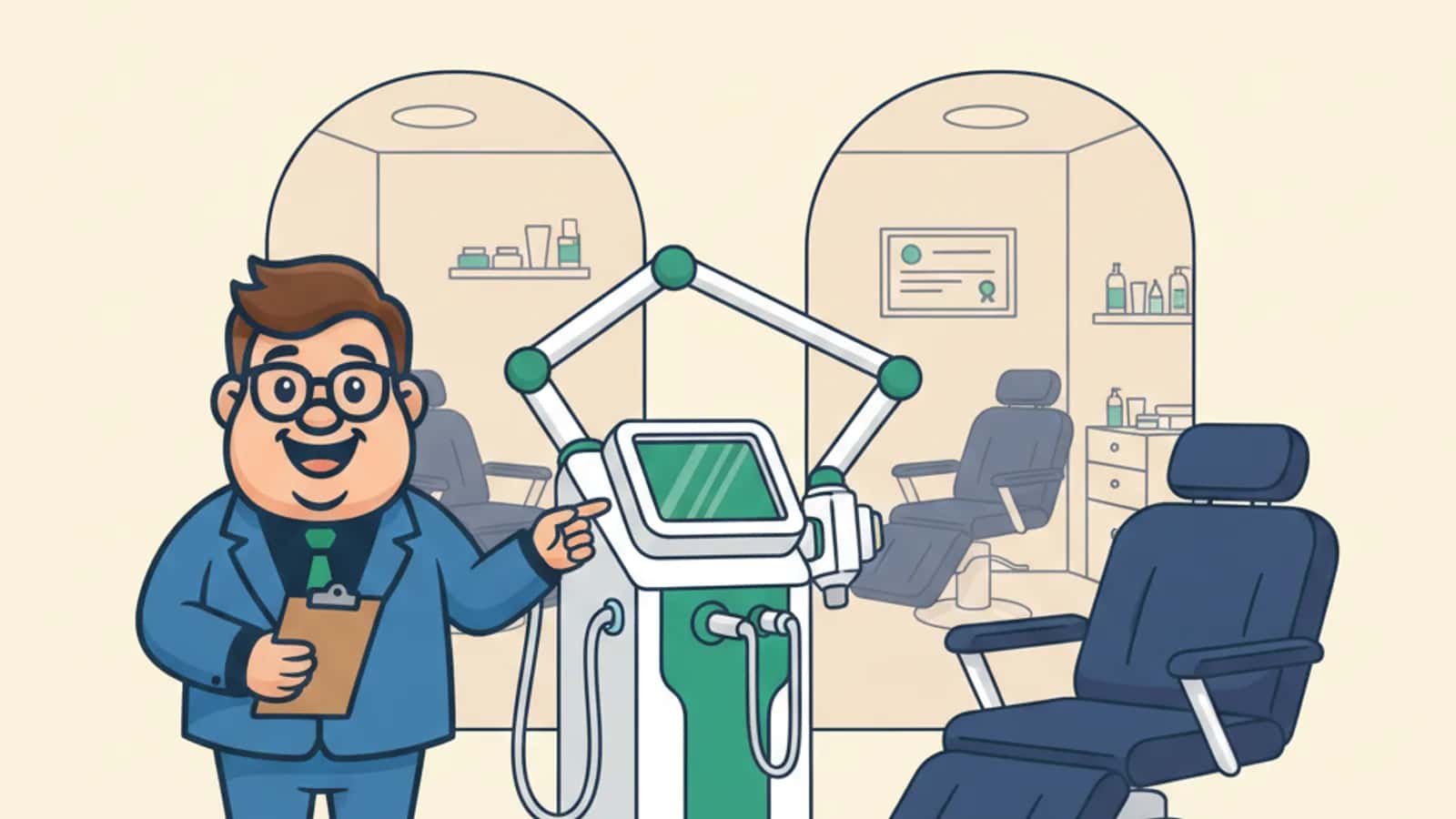
Beauty Salon and Clinic Equipment Finance UK: Lasers, Chairs and Treatment Rooms
The UK beauty and wellness sector has accessed over £4 million in equipment finance through new embedded lending platforms alone, with specialist lenders now offering flexible solutions from £1,000 to £2 million for everything from laser systems to treatment room fitouts [1].
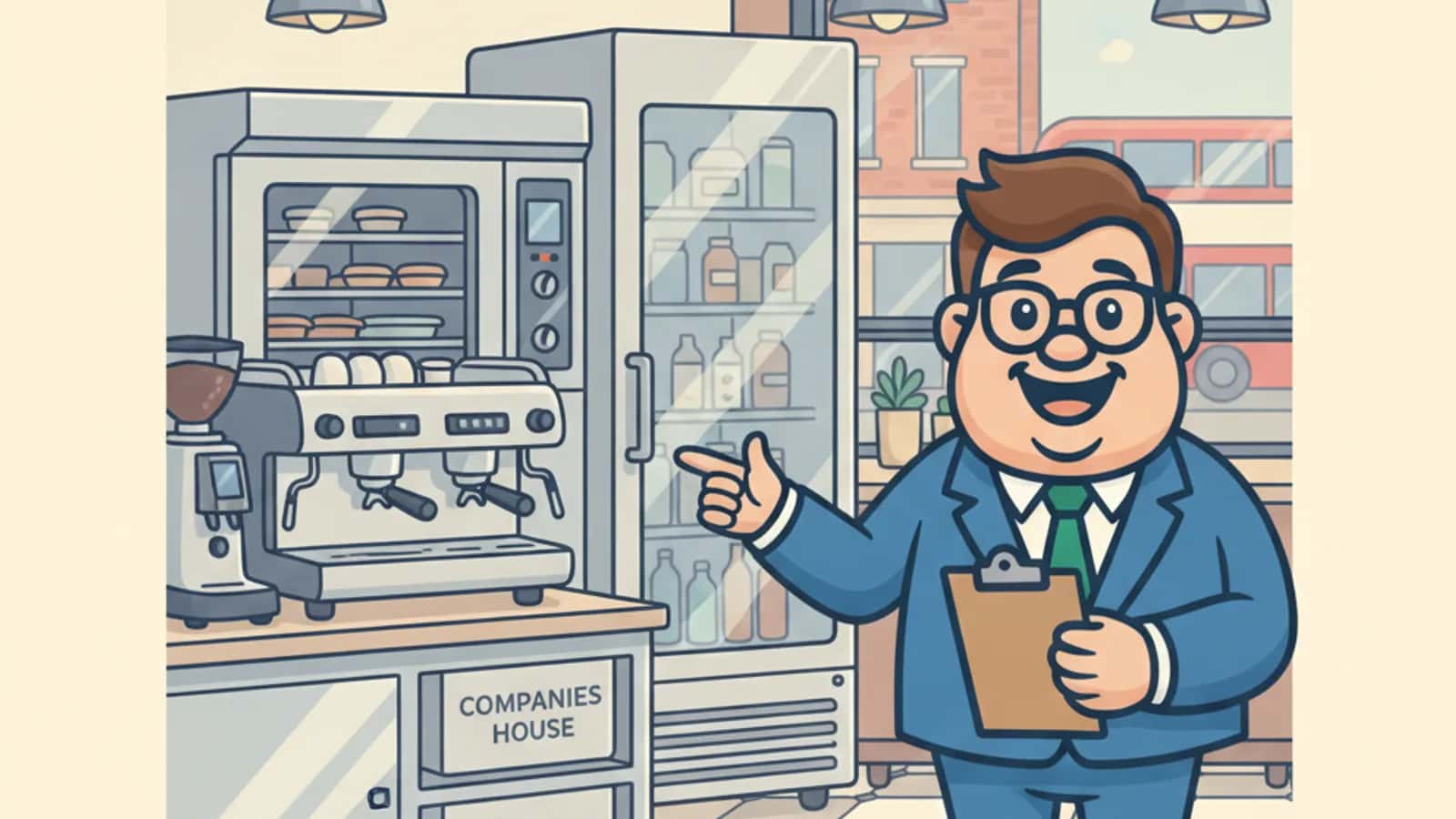
Catering Equipment Finance UK: Ovens, Refrigeration, Coffee Machines and Fit-Outs
Catering equipment finance UK covers ovens, refrigeration, coffee machines and fit-outs through hire purchase, finance lease, and operating lease options from £1,000 to £5 million. Most lenders provide decisions within 24-48 hours, with deposits from 0% available and repayment terms from 2-7 years depending on equipment type and business needs.
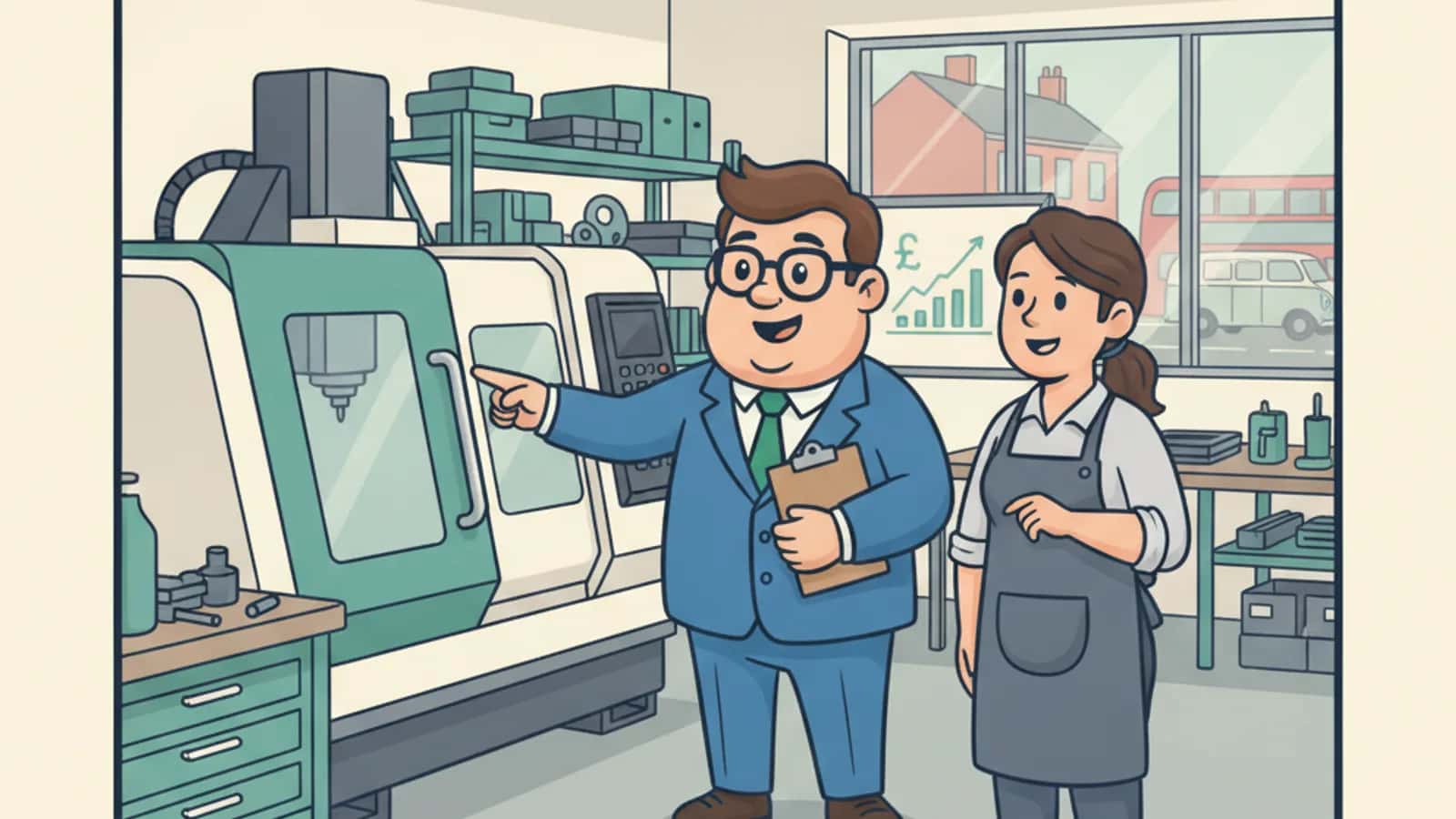
CNC Machine Finance UK: Hire Purchase, Leasing and Loans
UK manufacturers can fund new or used CNC machinery through hire purchase, finance leases, equipment loans or other asset-finance structures. The quote depends on the machine, supplier, deposit, term, business finances and credit profile.
Asset Finance questions
The important details before you check eligibility.
Can asset finance help preserve cash flow?
Asset finance can spread the cost of vehicles, equipment, or machinery over time, which may help a business avoid paying the full purchase price upfront.
What affects the cost of asset finance?
The asset type, deposit, term length, lender criteria, business trading history, and whether ownership transfers at the end can all affect the total cost.
What types of assets can be financed?
Vehicles, plant and machinery, equipment, and technology are commonly financed. Lenders may treat new and used assets differently.
Do I own the asset at the end of the term?
It depends on the agreement. Hire purchase usually transfers ownership at the end, while leases may offer return, upgrade, or purchase options.
Ready when you are
Explore asset finance options
Answer a few questions to see whether asset finance could fit your business plans. It only takes about 2 minutes, with no hard credit check to start.