Asset Finance for Franchises: Funding Fit-Outs, Vehicles and Required Equipment
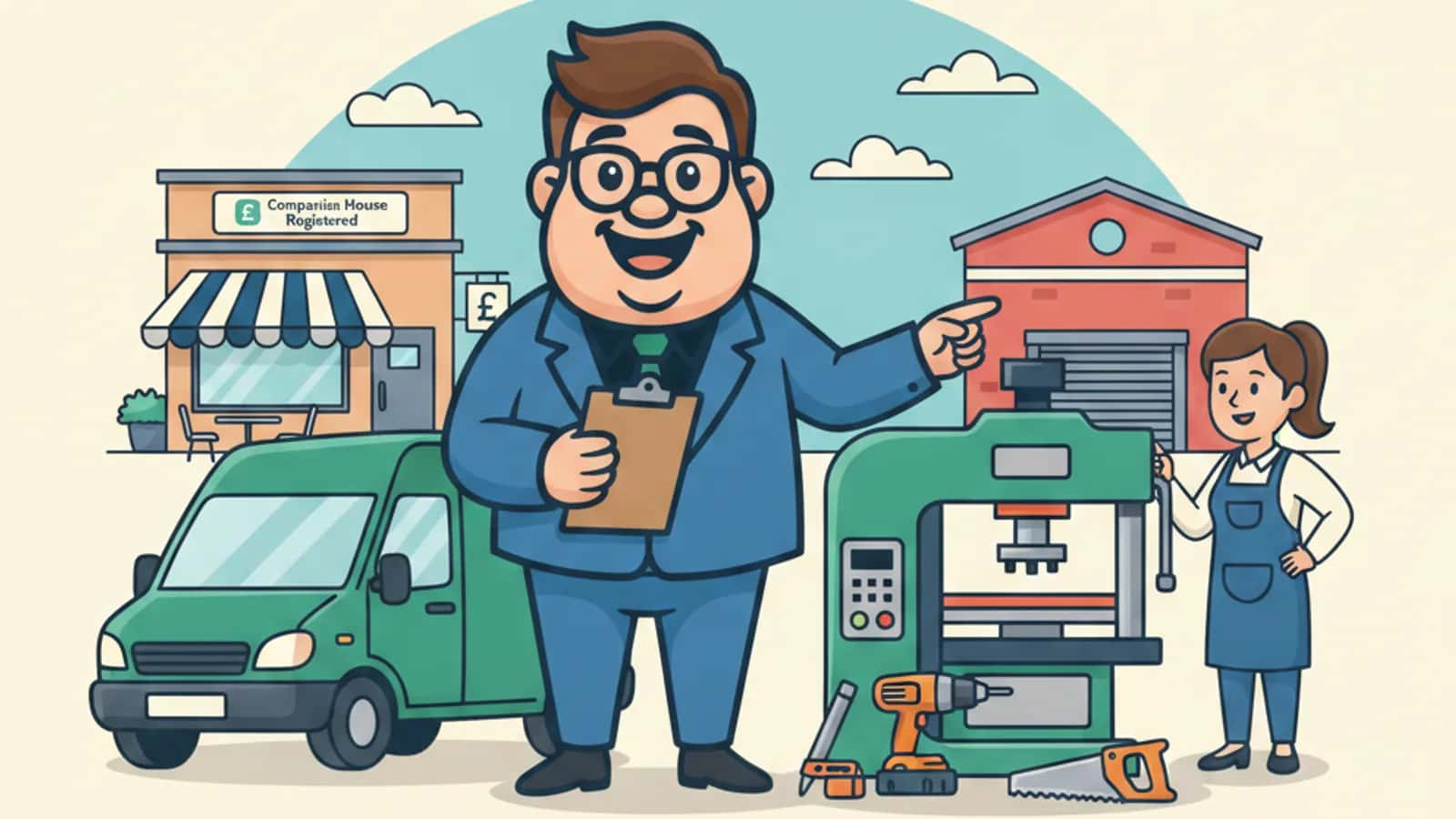
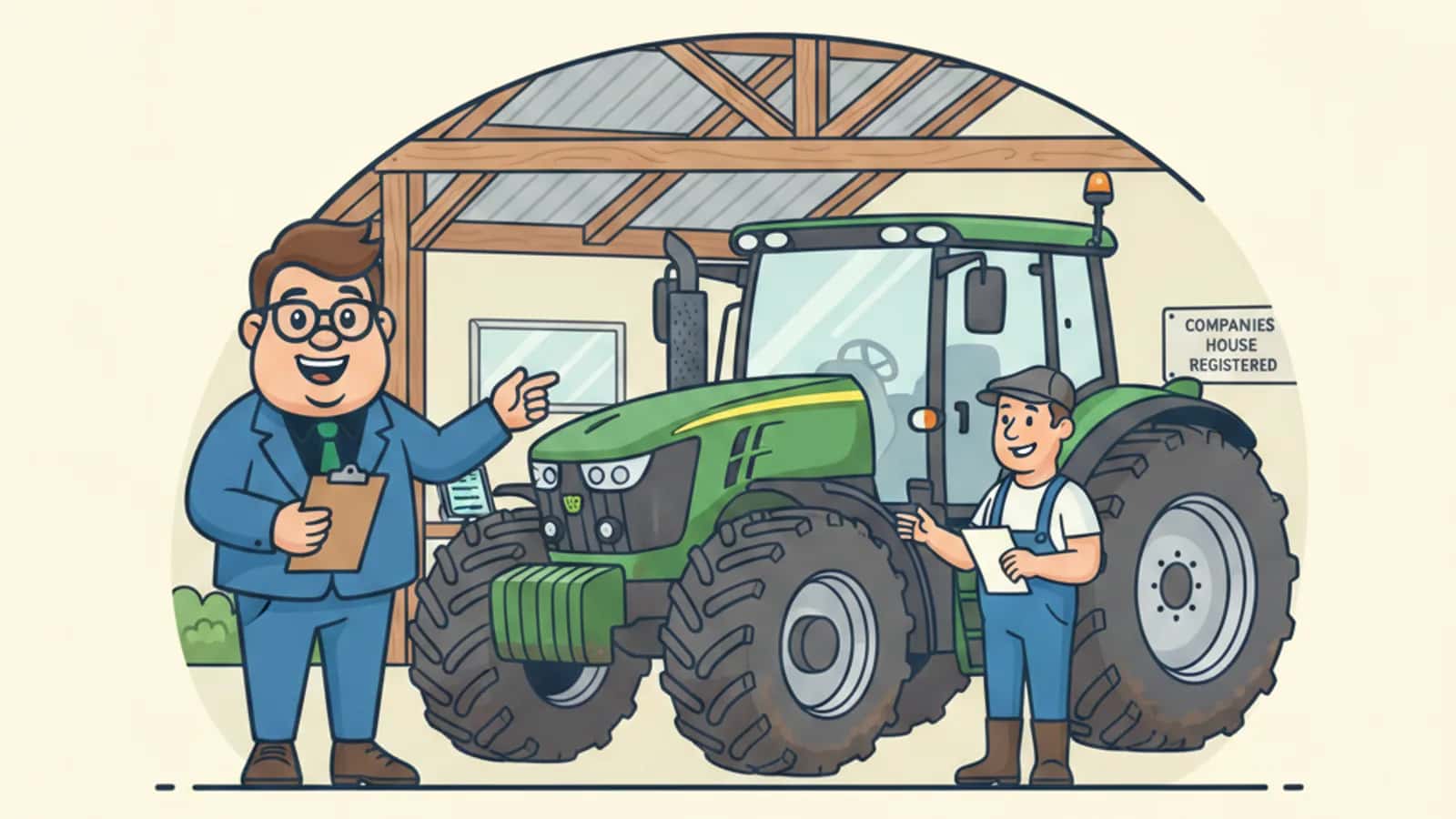
Franchise equipment loans typically range from £10,000 to £5 million, with rates from 5% to 25% APR depending on credit profile and asset type. Asset finance lets franchisees spread the cost of vehicles, plant, machinery and fit-outs over the asset's useful life, preserving working capital for operations and growth.

Quick answer
Franchise equipment loans typically range from £10,000 to £5 million, with rates from 5% to 25% APR depending on credit profile and asset type. Asset finance lets franchisees spread the cost of vehicles, plant, machinery and fit-outs over the asset's useful life, preserving working capital for operations and growth.
Key takeaways
- Franchise equipment loans typically range from £10,000 to £5 million, with rates from 5% to 25% APR depending on credit profile and asset type. Asset finance lets franchisees spread the cost of vehicles, plant, machinery and fit-outs over the asset's useful life, preserving working capital for operations and growth.
Franchise equipment loans typically range from £10,000 to £5 million, with rates from 5% to 25% APR depending on credit profile and asset type. Asset finance lets franchisees spread the cost of vehicles, plant, machinery and fit-outs over the asset's useful life, preserving working capital for operations and growth.
Key Takeaways
- Asset finance covers franchise fit-outs, vehicles and equipment from £1k to £5m with flexible deposit options
- Equipment serves as collateral, reducing lender risk and delivering better rates than unsecured loans
- Hire purchase, finance lease and contract hire options match different franchise cash flow patterns
- Approval times range from same-day decisions to 2-3 weeks for complex multi-asset packages
- No hard credit check eligibility tools let franchisees compare options without affecting credit scores
- Personal guarantees are standard for new franchisees but may be reduced for established operators
- Failed franchise scenarios trigger asset recovery processes, but early settlement options exist
What Is Asset Finance and How Does It Work for Franchise Businesses

Asset finance funds vehicles, plant and equipment through loan or lease structures where the asset serves as security, letting businesses avoid large upfront payments. For franchises, this means spreading the cost of required equipment, vehicles and fit-outs over 2-7 years while preserving working capital for stock, marketing and operations.
The process works through three main structures:
Hire Purchase
- You pay monthly instalments and own the asset at the end. Ownership transfers after the final payment, making this suitable for assets you want to keep long-term.
Finance Lease
- Lower monthly payments with optional purchase at the end. The lender retains ownership throughout the term, reducing your balance sheet impact.
Contract Hire
- Pure rental with no ownership option. Best for vehicles and equipment that need regular upgrading or where maintenance packages add value.
Franchise asset finance differs from general business lending because lenders understand franchise models. They recognise established franchise brands carry lower risk than independent startups. Many providers maintain approved asset lists for major franchise systems, streamlining the approval process.
The asset itself provides security, reducing lender risk. This typically delivers better rates than unsecured business loans. If you default, the lender can recover the asset, but they prefer to work with struggling franchisees rather than repossess equipment that may have limited resale value.
Can You Use Asset Finance to Pay for Franchise Fit-Out Costs
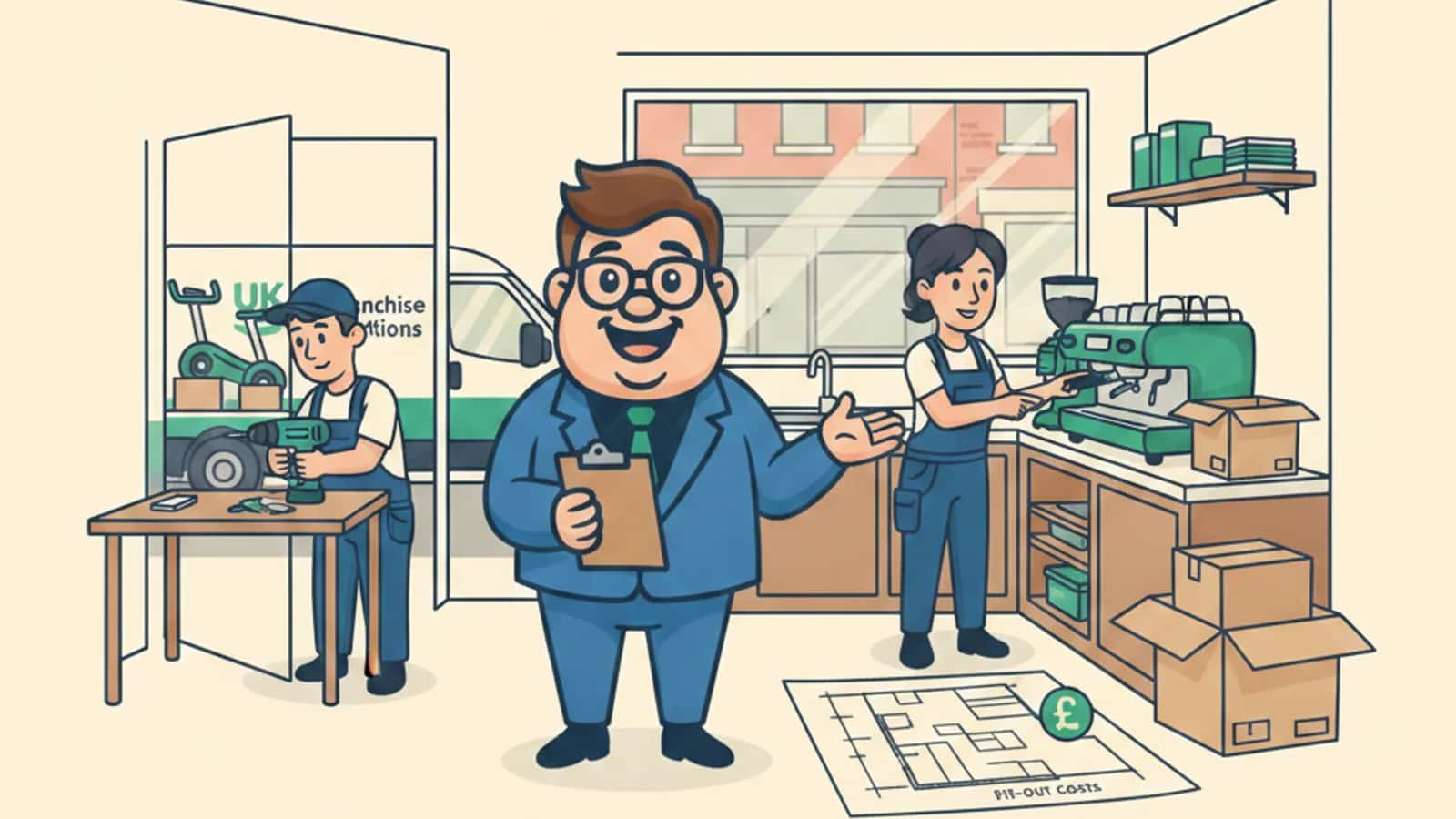
Yes, asset finance covers franchise fit-out costs including fixtures, furniture, signage and other fit-out assets rather than only heavy machinery. Refurbishment finance specifically targets store fits, signage and fixtures for businesses building out or refreshing premises.
Fit-out asset finance typically covers:
- Kitchen equipment and commercial appliances
- Point-of-sale systems and IT hardware
- Shopfitting and interior fixtures
- Signage and branding elements
- Security systems and CCTV
- Specialist franchise equipment
The key requirement is that items must have resale value and be removable from the premises. Built-in fixtures like tiling or permanent structural changes don't qualify. However, most franchise fit-out requirements involve equipment and fixtures that meet asset finance criteria.
Choose fit-out asset finance if you need to preserve cash for stock, marketing and working capital. The monthly payments spread the cost and often align with franchise revenue patterns better than a large upfront payment.
Avoid if the fit-out mainly involves building work, decoration or permanent fixtures. These require business loans or development finance rather than asset finance.
Many franchisees bundle fit-out costs with vehicle and equipment finance, using the franchisor's approved supplier list to streamline applications. This approach often delivers better rates than separate funding applications.
Asset Finance vs Traditional Bank Loans for Franchise Equipment
Asset finance typically offers faster approval, lower rates and more flexible terms than traditional bank loans for equipment purchases. The equipment serves as collateral, reducing lender risk and enabling competitive pricing.
| Factor | Asset Finance | Traditional Bank Loan |
|---|---|---|
| Approval Speed | 24 hours to 2 weeks | 4-8 weeks |
| Security Required | Equipment as collateral | Often requires additional security |
| Interest Rates | 5-15% APR typical | 8-20% APR typical |
| Deposit Options | 0-30% deposit | Usually 20-50% deposit |
| Credit Requirements | Moderate - asset provides security | Strict - unsecured lending |
| Documentation | Asset-focused application | Full business plan required |
Asset finance advantages
- Faster decisions because the asset provides clear security
- Better rates due to lower lender risk
- Flexible deposit options from 0% upwards
- Preserves other credit facilities for working capital
- Often includes maintenance and insurance options
Traditional loan advantages
- Full ownership from day one
- No restrictions on asset use or disposal
- May offer longer repayment terms
- Can fund non-asset costs like working capital
Which is right for you?
Choose asset finance if
you need specific equipment or vehicles and want fast approval with competitive rates. The asset security makes approval more likely and pricing more attractive.
Choose a traditional loan if
you need flexibility to change equipment, want full ownership immediately, or need to fund a mix of assets and non-asset costs.
For franchise startups, asset finance often provides better access to funding than traditional bank loans because lenders understand the franchise model and the equipment provides tangible security.
How Much Does Asset Finance Cost for a Franchise Startup
Franchise asset finance costs typically range from 5% to 25% APR, with well-qualified borrowers securing 6-12% rates for standard equipment and vehicles. The total cost depends on your credit profile, asset type, deposit amount and repayment term.
Rate factors that affect pricing
- Credit score: 700+ scores access best rates, 600-699 pay moderate premiums, below 600 face higher costs
- Deposit amount: Larger deposits reduce monthly payments and often improve rates
- Asset type: Vehicles and standard equipment get better rates than specialist or niche items
- Repayment term: Shorter terms cost more monthly but less total interest
Typical monthly payment examples
- £50,000 commercial vehicle: £850-1,200 monthly over 5 years
- £25,000 kitchen equipment: £450-650 monthly over 4 years
- £15,000 IT and POS systems: £300-425 monthly over 3 years
Additional costs to budget for
- Arrangement fees: 1-3% of advance amount
- Documentation fees: £150-500
- Valuation costs: £200-800 for complex assets
- Early settlement charges: Usually 1-2 months' interest
- Insurance requirements: Often mandatory comprehensive cover
Money-saving strategies
- Compare hire purchase vs finance lease - lease often has lower monthly payments
- Consider longer terms to reduce monthly costs if cash flow is tight
- Bundle multiple assets to negotiate better overall rates
- Use franchisor relationships - some have preferred lender arrangements
The equipment itself provides security, so rates are typically 2-5% lower than unsecured business loans. However, factor in the total cost over the full term when comparing options.
What Vehicles and Equipment Qualify for Franchise Asset Finance
Most franchise vehicles and equipment qualify for asset finance if they have clear resale value and can be easily identified and recovered. Lenders focus on assets that retain value and have active secondary markets.
Vehicles that typically qualify
- Commercial vans and trucks
- Delivery vehicles and specialist franchise vehicles
- Company cars and fleet vehicles
- Refrigerated and temperature-controlled vehicles
- Construction and maintenance vehicles
Equipment commonly funded
- Kitchen and catering equipment
- Manufacturing and production machinery
- IT systems and point-of-sale equipment
- Cleaning and maintenance equipment
- Construction tools and plant
Specialist franchise equipment
- Gym and fitness equipment
- Beauty and healthcare equipment
- Printing and signage equipment
- Security and surveillance systems
- Retail fixtures and displays
Assets that don't qualify
- Software and intangible assets
- Consumable items and stock
- Built-in fixtures that can't be removed
- Custom-made items with no resale market
- Assets under £1,000 (minimum thresholds apply)
Age and condition requirements
- New equipment: No restrictions
- Used equipment: Usually maximum 5-7 years old
- Refurbished items: Must have warranty and clear provenance
- Lease returns: Often acceptable if properly maintained
The key test is whether the lender can easily value, identify and recover the asset if needed. Standard franchise equipment from recognised manufacturers typically qualifies without issues. Custom or highly specialised items may need individual assessment.
For a comprehensive overview of qualifying assets, check our complete asset finance guide which covers approval criteria across different sectors.
Asset Finance Approval Time for New Franchise Owners
Asset finance approval for new franchise owners typically takes 24 hours to 2 weeks, depending on the complexity of assets and the completeness of your application. Simple single-asset applications can receive same-day decisions, while multi-asset packages may need 1-2 weeks.
Fast-track approval factors
- Standard franchise equipment from approved supplier lists
- Strong personal credit scores (700+)
- Established franchise brands with proven track records
- Complete applications with all required documentation
- Assets under £100,000 with clear valuations
Factors that slow approval
- New or unproven franchise concepts
- Complex multi-asset packages
- Specialist equipment requiring individual valuation
- Incomplete financial information
- Credit issues requiring manual underwriting
Typical timeline breakdown
- Day 1: Initial eligibility check and quote (often instant)
- Days 1-3: Full application submission and credit checks
- Days 2-5: Asset valuation and documentation review
- Days 3-7: Underwriting decision and offer terms
- Days 5-14: Final documentation and funding
Speed up your application
- Use a 2 min check eligibility tool before full application
- Prepare franchisor asset lists and supplier quotes in advance
- Ensure all directors have clean credit histories
- Consider specialist partners who understand franchise lending
- Submit complete applications rather than partial information
No hard check to start options let you compare terms without affecting credit scores. This is particularly valuable for new franchise owners who may need to approach multiple lenders.
The franchise brand recognition helps significantly. Established franchises like McDonald's, Subway or Domino's get faster approval than new or niche franchise concepts because lenders understand the business model and revenue patterns.
Getting Asset Finance Without a Down Payment
Zero deposit asset finance is available for franchise equipment and vehicles, though it typically requires strong credit profiles and established franchise brands. Most lenders offer deposit flexibility from 0% to 30%, with higher deposits improving rates and approval chances.
Who qualifies for 0% deposit
- Established franchise operators with trading history
- Strong personal credit scores (typically 700+)
- Well-known franchise brands with proven business models
- Standard equipment with strong resale values
- Applications under £250,000
Benefits of no deposit funding
- Preserves cash for stock, marketing and working capital
- Faster business launch without waiting to accumulate deposits
- Maintains financial flexibility for unexpected costs
- Allows funding of multiple assets simultaneously
Trade-offs to consider
- Higher monthly payments without deposit contribution
- Slightly higher interest rates in some cases
- Larger outstanding balance if you need to settle early
- Less equity in assets during early repayment period
Alternatives if 0% deposit isn't available
- Small deposits (5-10%) often unlock better rates
- Staged funding - start with deposit-required assets, add others later
- Asset refinancing once business establishes trading history
- Director loan arrangements to provide initial deposits
Flexible Deposits are a key decision factor for franchise startups. Even if you can afford a deposit, preserving cash for operations often makes more sense than tying it up in equipment.
The key is demonstrating that the franchise cash flow can support the monthly payments. Lenders prefer to see realistic financial projections based on franchisor data rather than optimistic startup assumptions.
What Happens If Your Franchise Fails
If your franchise fails while you still owe on asset finance, the lender will typically try to recover the outstanding balance through asset recovery, but they often prefer negotiated solutions over immediate repossession. The process depends on your finance structure and how much equity remains in the assets.
Immediate steps when franchise struggles
- Contact your asset finance provider early - before missing payments
- Provide realistic cash flow projections and recovery plans
- Consider voluntary surrender if assets exceed outstanding balances
- Explore payment holidays or restructured terms
Lender recovery options
- Asset repossession: Lender takes back equipment and sells it
- Voluntary surrender: You return assets to avoid repossession costs
- Early settlement: Pay outstanding balance and keep assets
- Payment restructure: Extended terms or reduced payments
Your liability after asset recovery
- If asset sale covers the balance: No further liability
- If shortfall remains: You owe the difference plus costs
- Personal guarantees make directors liable for shortfalls
- Business assets may be pursued before personal assets
Finance structure impacts
- Hire purchase: You have equity in assets, may get surplus after sale
- Finance lease: Lender owns assets, less likely to have surplus
- Contract hire: Pure rental, no equity to recover
Protecting yourself
- Maintain comprehensive insurance to protect asset values
- Keep equipment in good condition to maximise recovery values
- Document any franchise support failures that contributed to problems
- Seek professional advice before defaulting on payments
The franchise failure doesn't automatically trigger asset recovery. If you can maintain payments from other sources or by selling the business as a going concern, the finance can continue normally.
Asset Finance for Franchises with Bad Credit
Asset finance is possible for franchises with bad credit because the equipment provides security, but expect higher rates, larger deposits and more restrictive terms. Specialist lenders focus on current affordability and asset values rather than just credit history.
What counts as bad credit
- Credit scores below 600
- Recent defaults or CCJs
- Previous business failures
- Bankruptcy or IVAs in the last 3-6 years
- High existing debt levels
How bad credit affects terms
- Interest rates: 15-25% APR vs 6-12% for good credit
- Deposits: 20-50% required vs 0-20% for good credit
- Personal guarantees: Always required, sometimes with additional security
- Loan amounts: Lower maximums, more conservative valuations
Improving your chances
- Choose established franchise brands - reduces lender risk perception
- Provide larger deposits to reduce lender exposure
- Demonstrate strong cash flow projections with franchisor support
- Use specialist bad credit asset finance providers
- Consider guarantor arrangements with creditworthy directors
Alternative approaches
- Start with smaller asset packages to build payment history
- Use hire purchase rather than leasing - builds asset equity
- Consider asset refinancing once you establish trading history
- Explore franchisor financing programs that may be more flexible
Documentation requirements increase
- Detailed business plans with realistic projections
- Proof of franchise training and support
- Evidence of market demand in your territory
- Personal financial statements and asset schedules
The key advantage is that bad credit asset finance focuses on the asset security and current ability to pay rather than just past credit performance. A failed business five years ago matters less than current income and the franchise's proven business model.
Choose specialist lenders who understand both franchise lending and adverse credit situations. They're more likely to approve applications that mainstream lenders would automatically decline.
Personal Guarantees in Franchise Asset Finance
Personal guarantees are standard for franchise asset finance, making company directors personally liable for the debt if the business cannot pay. However, guarantee terms vary significantly between lenders and can sometimes be negotiated based on deposit amounts and trading history.
Standard guarantee requirements
- All directors with 25%+ shareholdings provide guarantees
- Joint and several liability - each guarantor liable for full amount
- Unlimited guarantees covering principal, interest and costs
- Guarantees typically survive business restructures or sales
When guarantees may be reduced
- Large deposits (30%+ of asset value)
- Established franchise operations with 2+ years trading
- Strong business cash flows and asset equity
- Multiple assets providing cross-collateralisation
What guarantees cover
- Outstanding finance balance if business defaults
- Interest and penalty charges
- Legal and recovery costs
- Asset shortfall if sale doesn't cover balance
Protecting yourself
- Negotiate limited guarantees capped at specific amounts
- Include sunset clauses that remove guarantees after successful trading
- Ensure guarantees only cover specific finance agreements
- Maintain comprehensive business insurance
Guarantee alternatives
- Asset deposits instead of personal guarantees (rare)
- Third-party guarantors (family members, business partners)
- Corporate guarantees from parent companies
- Security over business assets rather than personal guarantees
Common misconception: Personal guarantees don't make your home automatically at risk. Lenders must follow legal processes and typically pursue business assets first. However, guarantees do create personal liability that can affect personal credit and assets.
Negotiation strategies
- Request guarantee caps at 80-90% of the outstanding balance
- Ask for guarantee reductions as equity builds in assets
- Negotiate release terms based on payment history
- Consider joint guarantees rather than individual liability
The franchise model actually helps with guarantee negotiations because lenders understand the business structure and ongoing franchisor support reduces risk.
Best Asset Finance Companies for Franchise Fit-Outs and Vehicles
Specialist asset finance providers who understand franchise lending typically offer better terms and faster decisions than general lenders. Look for companies with franchise experience, flexible deposit options and comprehensive asset coverage.
Key features to compare
- Speed of decision: 24-48 hour approvals for standard assets
- Deposit flexibility: 0% deposit options available for qualified applicants
- Asset coverage: All asset types from vehicles to fit-out equipment
- Franchise expertise: Understanding of franchise business models
- Rate competitiveness: Transparent pricing without hidden fees
Evaluation criteria
- Application process: Simple eligibility checks without hard credit searches
- Documentation requirements: Streamlined for franchise applications
- Relationship management: Dedicated support throughout the process
- Flexibility: Ability to structure deals around franchise cash flows
- Reputation: Track record with franchise lending
Red flags to avoid
- Upfront fees before approval
- Pressure to sign immediately without time to review
- Unclear pricing or hidden charges
- No franchise lending experience
- Poor online reviews from franchise customers
Questions to ask potential lenders
- What's your typical approval time for franchise applications?
- Do you have experience with my franchise brand?
- What deposit options are available?
- Can you bundle fit-out and vehicle finance together?
- What happens if I want to expand or add more assets later?
Getting the best deal
- Compare multiple quotes using eligibility checkers
- Negotiate based on your total asset financing needs
- Consider long-term relationships for future expansion
- Ask about franchisor-negotiated rates or partnerships
The best approach is using platforms that compare multiple specialist partners simultaneously. This saves time and ensures you see the full market rather than just one lender's offering.
For franchise-specific funding options, also consider our guide to franchise business loans which covers broader funding strategies beyond just asset finance.
Hidden Fees and Costs in Franchise Asset Finance Deals
Asset finance agreements can include various fees beyond the headline interest rate, so review all costs before signing. Typical additional charges include arrangement fees, documentation costs, early settlement penalties and insurance requirements.
Common fees to expect
- Arrangement fee: 1-3% of the advance amount
- Documentation fee: £150-500 for legal and administrative costs
- Valuation fee: £200-800 for complex or specialist assets
- Broker commission: Often included in rate but may be separate
- SECCI documentation: Required consumer credit disclosures
Ongoing costs
- Insurance premiums: Comprehensive cover often mandatory
- Maintenance contracts: May be required for certain equipment
- Annual management fees: Some lenders charge ongoing account fees
- Late payment charges: Penalties for missed or delayed payments
Exit costs
- Early settlement charges: Usually 1-2 months' interest
- Asset return costs: Inspection and refurbishment charges for leases
- Excess mileage: For vehicle contract hire agreements
- Damage charges: Fair wear and tear assessments
Hidden costs to watch for
- Balloon payments: Large final payments not clearly disclosed
- Maintenance obligations: Expensive servicing requirements
- Insurance markups: Lender-arranged cover at premium rates
- Refinancing restrictions: Penalties for switching providers
Cost comparison strategies
- Request total repayable amounts, not just monthly payments
- Compare APR rates which include most fees
- Ask for written fee schedules before signing
- Calculate total cost over different term lengths
Negotiable items
- Arrangement fees can often be reduced or waived
- Documentation fees may be negotiable for larger deals
- Early settlement terms can sometimes be improved
- Insurance requirements may allow your own provider
Protection tips
- Read all documentation carefully before signing
- Ask for explanations of any unclear charges
- Factor all costs into your cash flow projections
- Keep records of all fee disclosures for future reference
Transparent lenders provide clear fee schedules upfront. Be wary of providers who can't explain their charging structure or seem evasive about additional costs.
Covering Both Fit-Out and Vehicles in One Finance Package
Yes, you can combine franchise fit-out and vehicle finance in a single package, often achieving better overall rates and simplified administration. Bundled asset finance deals are common for franchise startups needing multiple asset types simultaneously.
Benefits of combined packages
- Better rates: Larger total amounts often qualify for improved pricing
- Single application: One credit check and documentation process
- Aligned terms: All assets on the same repayment schedule
- Simplified administration: One monthly payment and contact point
- Faster approval: Lenders assess total franchise package together
Typical bundled combinations
- Commercial vehicle + kitchen equipment + POS systems
- Delivery van + shop fit-out + security systems
- Multiple vehicles + tools + IT equipment
- Franchise fit-out + initial stock funding (where stock qualifies)
Structuring considerations
- Asset depreciation: Match finance terms to asset life expectancy
- Usage patterns: Align vehicle and equipment replacement cycles
- Cash flow: Ensure combined payments fit franchise projections
- Security arrangements: Cross-collateralisation across all assets
Potential drawbacks
- Inflexibility: Harder to refinance or settle individual assets
- Cross-default: Problems with one asset can affect all agreements
- Complex documentation: More detailed agreements and conditions
- Asset disposal: Restrictions on selling individual items
When to bundle
- Starting a new franchise needing multiple asset types
- Expanding existing operations across several asset categories
- Taking advantage of volume discounts from suppliers
- Simplifying financial administration and cash flow management
When to separate
- Assets have very different useful lives
- You want flexibility to upgrade individual items
- Different assets have significantly different risk profiles
- Timing of asset delivery varies substantially
Negotiation tips
- Get quotes for both bundled and separate arrangements
- Ensure you can add assets to existing agreements later
- Negotiate partial settlement rights for individual assets
- Clarify what happens if you need to return or upgrade specific items
Most franchise lenders are experienced with multi-asset packages because franchise startups typically need comprehensive equipment suites rather than individual items.
Credit Score Requirements for Franchise Asset Finance
Franchise asset finance typically requires credit scores of 600+ for approval, with scores above 700 accessing the best rates and terms. However, the asset security and franchise business model can help overcome moderate credit issues.
Credit score bands and typical outcomes:
Excellent (750+)
- Best available rates (5-8% APR)
- 0% deposit options widely available
- Flexible terms and conditions
- Fast-track approval processes
Good (700-749)
- Competitive rates (6-12% APR)
- Low deposit requirements (0-15%)
- Standard terms and approval times
- Access to most asset types
Fair (650-699)
- Moderate rates (10-18% APR)
- Higher deposits required (15-25%)
- More documentation needed
- Some restrictions on asset types or amounts
Poor (600-649)
- Higher rates (15-25% APR)
- Substantial deposits (25-40%)
- Personal guarantees always required
- Limited lender options
Very Poor (Below 600)
- Specialist lenders only
- Premium rates (20%+ APR)
- Large deposits (40%+ often required)
- Extensive documentation and guarantees
Factors beyond credit scores
- Business experience: Franchise training and business background
- Deposit amount: Larger deposits can offset credit concerns
- Franchise brand: Established franchises carry less risk
- Income stability: Consistent employment or business income
- Existing debts: Debt-to-income ratios and payment history
Improving your position
- Pay down existing debts before applying
- Correct any errors on credit reports
- Demonstrate stable income over 6+ months
- Consider larger deposits to offset credit concerns
- Use established franchise brands with proven track records
Alternative credit assessment
- Some lenders use open banking data instead of just credit scores
- Trading history for existing businesses matters more than personal credit
- Asset values and resale potential influence decisions
- Franchisor support and business model reduce perceived risk
No hard check to start options let you see potential terms without affecting your credit score. This is valuable when comparing multiple lenders or if you're unsure about approval chances.
The franchise element helps because lenders understand the business model provides ongoing support and proven revenue patterns, reducing the risk compared to independent startups.
Next steps
Asset finance for franchises provides a practical solution for funding fit-outs, vehicles and required equipment without depleting working capital. With rates from 5-25% APR and flexible deposit options from 0% upwards, franchise operators can spread equipment costs over 2-7 years while preserving cash for operations.
The key advantages include faster approval times than traditional bank loans, competitive rates due to asset security, and lenders who understand franchise business models. Whether you need a single commercial vehicle or a complete multi-asset package covering fit-out and equipment, asset finance can be structured to match franchise cash flows and growth patterns.
Next steps
- Check Eligibility Now using a 2-minute online assessment without hard credit checks
- Compare hire purchase, finance lease and contract hire options for your specific assets
- Gather franchisor equipment specifications and supplier quotes to speed applications
- Consider bundling multiple assets for better rates and simplified administration
The franchise model works in your favour with asset finance providers. Established franchise brands, proven business systems and ongoing franchisor support reduce lender risk, often resulting in better terms than independent businesses can access.
Asset Finance. Without the Fuss. Start with a no-obligation eligibility check to see your options across specialist partners who understand franchise lending requirements.
Further reading
- plant and machinery finance for uk construction businesses options
- personal guarantees on asset finance when directors are asked to sign options
- how cnc and production upgrades works
- how gym and fitness equipment finance uk leasing machines rigs and studio works
- compare catering equipment finance uk ovens refrigeration coffee machines
Frequently asked questions
What Is Asset Finance and How Does It Work for Franchise Businesses?
Asset finance funds vehicles, plant and equipment through loan or lease structures where the asset serves as security, letting businesses avoid large upfront payments. For franchises, this means spreading the cost of required equipment, vehicles and fit-outs over 2-7 years while preserving working capital for stock, marketing and operations.
Can You Use Asset Finance to Pay for Franchise Fit-Out Costs?
Yes, asset finance covers franchise fit-out costs including fixtures, furniture, signage and other fit-out assets rather than only heavy machinery. Refurbishment finance specifically targets store fits, signage and fixtures for businesses building out or refreshing premises.
How Much Does Asset Finance Cost for a Franchise Startup?
Franchise asset finance costs typically range from 5% to 25% APR, with well-qualified borrowers securing 6-12% rates for standard equipment and vehicles. The total cost depends on your credit profile, asset type, deposit amount and repayment term.
What Vehicles and Equipment Qualify for Franchise Asset Finance?
Most franchise vehicles and equipment qualify for asset finance if they have clear resale value and can be easily identified and recovered. Lenders focus on assets that retain value and have active secondary markets.
What Happens If Your Franchise Fails?
If your franchise fails while you still owe on asset finance, the lender will typically try to recover the outstanding balance through asset recovery, but they often prefer negotiated solutions over immediate repossession. The process depends on your finance structure and how much equity remains in the assets.
Written by
The Funding Fred Editorial Team creates plain-English guides to help business owners understand funding options, eligibility, and application readiness before they compare finance options.
Reviewed by
UK business finance content reviewer
Robert reads our UK business finance guides before they go live, checking each one is accurate, easy to follow, and reflects how lending actually works today — not how a brochure says it should. He's listed on the FCA Register, approved as an SMF3 (AR) Executive Director at Switcha Limited, and connected to Lucky Growth Partners Ltd through its appointed representative relationship, so the regulated detail gets a properly qualified second read.