Asset Finance for Cash Flow: When Equipment Funding Protects Working Capital
Asset finance preserves working capital by spreading equipment costs over time while the asset generates revenue immediately. Instead of paying £50,000 upfront for a digger, you pay monthly instalments while the machine earns from day one, keeping cash available for wages, materials, and unexpected costs.
Quick answer
Asset finance preserves working capital by spreading equipment costs over time while the asset generates revenue immediately. Instead of paying £50,000 upfront for a digger, you pay monthly instalments while the machine earns from day one, keeping cash available for wages, materials, and unexpected costs.
Key takeaways
- Asset finance spreads equipment costs over 2-7 years, preserving immediate cash for operations
- Hire purchase and finance lease options start from 0% deposit with specialist partners
- Equipment becomes a revenue generator immediately while payments match cash flow cycles
- Working capital stays intact for wages, stock, and emergency repairs
- Fast decisions match project timelines, 2 minute eligibility check with no hard credit search
- Construction equipment, commercial vehicles, and plant machinery all qualify from £1k to £5m
- Monthly payments are often tax-deductible, improving overall cash position
- Flexible deposit options mean you keep more cash in the business from day one
- Asset finance doesn't require personal guarantees on most deals under £250k
- Equipment retains value as security, making approval faster than unsecured loans
Machinery Asset Finance: Replacing Equipment Without Draining Cash
Machinery asset finance spreads the purchase cost while the equipment is in use, which can protect cash reserved for wages, materials and project overruns. The key test is whether the machine will remain useful and productive for at least as long as the finance term; funding an ageing or short-life asset for too long can create negative equity and repair costs at the same time.
| Situation | Route to compare | Main decision |
|---|---|---|
| Urgent replacement after a breakdown | Hire purchase and finance lease | Balance speed against supplier checks, deposit and total payable |
| Long-life production or construction machinery | Hire purchase | Whether ownership and retained value justify the payments |
| Equipment likely to be upgraded regularly | Finance lease | End-of-term return, extension and upgrade conditions |
| A general short-term cash gap | Working-capital facility | Do not secure unrelated borrowing against machinery without comparing alternatives |
What Is Asset Finance and How Does It Help With Cash Flow
Asset finance lets you acquire equipment by spreading the cost over monthly payments instead of paying the full amount upfront. The equipment itself secures the loan, so you get the asset immediately while preserving cash for daily operations.
The cash flow benefit is immediate and measurable. A construction firm needing a £40,000 excavator can keep that £40,000 in the bank for wages, fuel, and materials. Monthly payments of around £800-1,200 come from the revenue the excavator generates, creating a self-funding cycle.
Key cash flow advantages
- Immediate use, delayed payment, Equipment starts earning from day one while you pay over time
- Predictable monthly costs, Fixed payments help budget planning and cash flow forecasting
- Preserved credit lines, Bank overdrafts and credit facilities stay available for emergencies
- Tax efficiency, Monthly payments are typically tax-deductible business expenses
- Seasonal flexibility, Some deals offer payment holidays during quiet periods
Asset finance works particularly well for businesses with lumpy cash flow. A plant hire company might earn £3,000 per month from a financed digger but only pay £900 monthly, the £2,100 difference funds other business needs.
The equipment acts as security, making approval faster and rates lower than unsecured business loans. Specialist partners understand asset values and can approve deals based on the equipment's earning potential rather than just credit scores.
How Does Equipment Financing Protect Working Capital
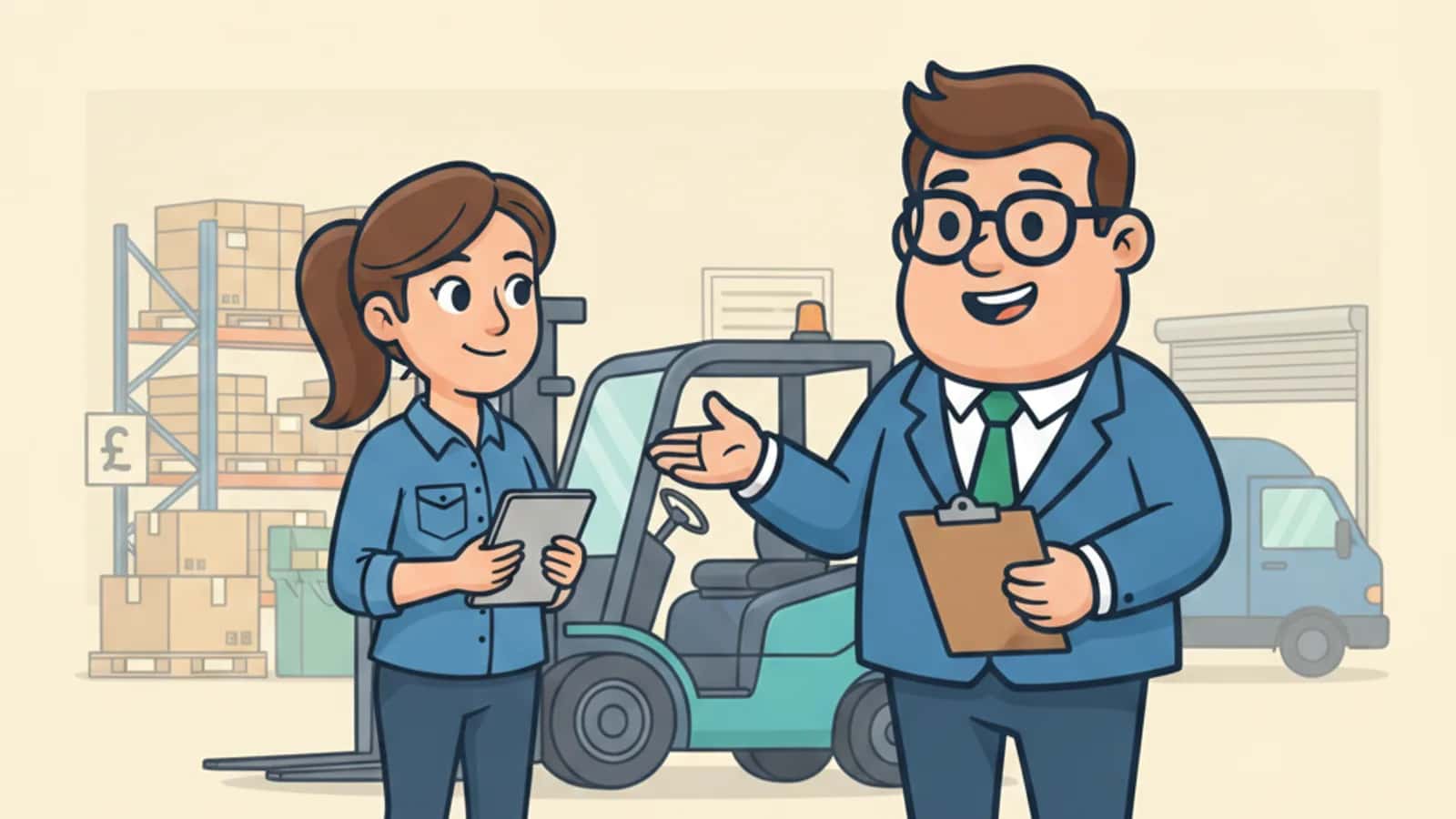
Equipment financing protects working capital by keeping large purchase amounts in your current account instead of tied up in fixed assets. Working capital, the cash available for day-to-day operations, stays liquid for wages, stock, repairs, and opportunities.
Consider a logistics firm buying three £25,000 vans. Paying £75,000 cash depletes working capital immediately. Financing those vans preserves that £75,000 for fuel, driver wages, insurance, and unexpected repairs. The vans generate revenue from day one while monthly payments typically run £1,800-2,400 total.
Working capital protection benefits
- Emergency fund intact, Cash reserves stay available for breakdowns, late payments, or seasonal dips
- Growth opportunities, Liquid cash lets you take on new contracts or bulk-buy materials at discount
- Supplier relationships, Pay suppliers promptly to maintain credit terms and early payment discounts
- Staff retention, Meet payroll during cash flow gaps without borrowing against equipment
- Seasonal buffer, Construction and landscaping firms keep cash for winter months
The key is matching payment cycles to revenue cycles. A crane hire business might structure payments around typical contract lengths, ensuring the equipment pays for itself while working capital handles everything else.
Working capital ratio calculations become more favorable when equipment purchases don't drain current assets. Banks and suppliers see better liquidity ratios, improving credit terms across the business.
Most asset finance deals require minimal deposit, often 0-20%, meaning you keep 80-100% of the equipment value as working capital. This flexibility is crucial for trades and contractors where cash flow timing rarely matches equipment needs.
Asset Finance vs Traditional Bank Loans: Which Is Better
Asset finance typically beats traditional bank loans for equipment purchases because the asset secures the deal, reducing risk and speeding approval. Bank loans require extensive financial scrutiny and often personal guarantees, while asset finance focuses on the equipment's value and earning potential.
Asset Finance Advantages
- Faster approval, Decisions in days, not weeks, because equipment provides security
- Lower deposits, 0-20% typical vs 25-40% bank loan deposits
- Asset-focused underwriting, Equipment value matters more than perfect credit history
- Flexible terms, 2-7 years to match equipment lifespan and earning potential
- Seasonal payment options, Some lenders offer payment holidays for seasonal businesses
Traditional Bank Loan Advantages
- Ownership from day one, You own the equipment outright after purchase
- Potentially lower rates, If you have excellent credit and strong financials
- No asset restrictions, Use the money for any business purpose, not just equipment
Which is right for you?
Choose asset finance if
- You need equipment quickly for a won contract
- Cash flow is tight but the equipment will generate immediate revenue
- Your credit history has minor issues but the business is profitable
- You want to preserve existing credit lines for other purposes
Choose a bank loan if
- You have excellent credit and strong balance sheet
- You're buying used equipment that's harder to value
- You want complete ownership flexibility from day one
- Interest rates are significantly lower than asset finance options
For most SMEs, asset finance wins on speed and cash preservation. A groundworks contractor winning a three-month contract can get equipment approved and delivered within a week, while bank loans often take 4-8 weeks for approval.
The comparison between asset finance and business loans shows asset finance typically costs 1-3% more annually but delivers equipment 3-4 weeks faster, crucial when contracts have tight start dates.
How Much Does Asset Financing Cost and What Are Typical Rates
Asset finance rates typically range from 4-12% APR depending on equipment type, deal size, and business credit profile. Larger deals (£100k+) and newer equipment generally secure lower rates, while smaller amounts and specialized equipment carry higher costs.
Typical rate ranges by category
- Construction equipment (excavators, telehandlers): 5-9% APR
- Commercial vehicles (vans, trucks, trailers): 4-8% APR
- Plant and machinery (manufacturing, processing): 6-10% APR
- IT equipment (servers, software, telecoms): 7-12% APR
- Medical equipment (diagnostic, treatment devices): 5-8% APR
Additional costs to factor
- Arrangement fees: £200-£2,000 depending on deal size
- Documentation fees: £150-£500 for legal paperwork
- Early settlement fees: 1-3 months' interest if you pay off early
- Insurance requirements: Comprehensive cover throughout the term
A £50,000 excavator at 7% APR over 5 years costs approximately £990 monthly. Total repayments reach £59,400, meaning the finance costs £9,400 over the term. However, the excavator typically generates £2,000-4,000 monthly revenue, making the investment self-funding.
Rate factors that improve pricing
- Deal size over £25,000, Larger amounts get better rates
- Established business (2+ years trading), Reduces lender risk
- Strong payment history, Clean credit record improves terms
- New equipment, Easier to value and resell if needed
- Deposit contribution, 20%+ deposit often reduces rates by 1-2%
Specialist asset finance providers often beat high street banks on both rate and speed. They understand equipment values better and can price risk more accurately, particularly for construction equipment and commercial vehicles.
Check eligibility now with specialist partners to compare rates across hire purchase, finance lease, and contract hire options. The 2-minute check involves no hard credit search, so you can compare options without affecting your credit score.
What Types of Equipment Can Be Financed Through Asset Finance
Asset finance covers virtually any business equipment with resale value, from £1,000 diggers to £5 million manufacturing lines. The key requirement is that the equipment generates revenue or reduces operating costs to justify the monthly payments.
Construction Equipment
- Excavators, telehandlers, dumpers, compactors
- Concrete mixers, generators, welfare units
- Scaffolding systems, tower cranes, mobile cranes
- Road sweepers, gritters, maintenance vehicles
Commercial Vehicles
- Vans, trucks, trailers, specialist vehicles
- Fleet cars, pickup trucks, minibuses
- Refrigerated vehicles, waste collection trucks
- Delivery vehicles, mobile workshops
Plant & Machinery
- CNC machines, lathes, milling equipment
- Printing presses, packaging machinery
- Food processing equipment, bakery ovens
- Agricultural machinery, tractors, harvesters
Specialist Equipment
- Medical devices, dental equipment, imaging systems
- IT infrastructure, servers, telecommunications
- Warehouse equipment, forklifts, racking systems
- Renewable energy systems, solar panels
Equipment that's harder to finance
- Very specialized or niche equipment with limited resale market
- Software-only purchases (unless bundled with hardware)
- Equipment over 10 years old or with limited remaining life
- Items with rapidly depreciating technology (some IT equipment)
The equipment must typically be used for business purposes and have a clear resale value. Lenders prefer equipment they understand and can easily value if repossession becomes necessary.
Asset finance specialists often have sector expertise, so a construction equipment specialist will better understand excavator values than a generalist lender. This expertise translates to better rates and faster decisions.
Most lenders finance both new and used equipment, though used equipment may require larger deposits (10-30%) and shorter terms. Equipment condition reports and independent valuations may be required for higher-value used assets.
Can Small Businesses Qualify for Asset Finance
Small businesses often find asset finance easier to qualify for than traditional loans because the equipment provides security, reducing lender risk. Many specialist lenders focus specifically on SMEs and understand their cash flow challenges.
Typical qualification criteria
- Minimum trading period: 6-24 months (some lenders accept newer businesses)
- Annual turnover: £50,000+ (varies by lender and equipment type)
- Credit score: 550+ (asset security makes lenders more flexible)
- Deposit capability: 0-20% of equipment value
- Business bank account: 6+ months of statements required
Small business advantages in asset finance
- Equipment security reduces personal guarantee requirements
- Faster decisions than high street banks (often 24-48 hours)
- Flexible deposit options preserve working capital
- Sector-specialist lenders understand small business challenges
- Payment terms can match seasonal cash flow patterns
Common approval factors
- Equipment type and age, Newer, standard equipment gets easier approval
- Business sector, Construction, logistics, and manufacturing are well-understood
- Payment history, Clean record with existing suppliers and creditors
- Contract pipeline, Evidence of future work requiring the equipment
A small groundworks contractor with 18 months trading history can often secure finance for a £25,000 excavator based on a three-month contract worth £40,000. The contract provides evidence of equipment need and repayment ability.
Sectors with strong approval rates
- Construction and trades (plumbing, electrical, roofing)
- Transport and logistics (courier, haulage, delivery)
- Manufacturing and engineering (fabrication, machining)
- Agriculture (farming, landscaping, grounds maintenance)
Start-up businesses may need larger deposits (20-30%) or director guarantees, but many specialist lenders will consider deals from 6 months of trading with strong order books.
The key is demonstrating that the equipment will generate sufficient revenue to cover monthly payments plus business operating costs.
How Quickly Can You Get Approved for Equipment Financing
Asset finance approval typically takes 24-72 hours once you submit complete documentation, significantly faster than traditional business loans that can take 4-8 weeks. The equipment provides security, allowing lenders to make quicker credit decisions.
Typical timeline breakdown:
- 1
Initial eligibility check
2 minutes online, no hard credit search
- 2
Full application
30-60 minutes to complete with documents
- 3
Credit decision
4-24 hours for most deals under £100k
- 4
Documentation
24-48 hours for contracts and final paperwork
- 5
Equipment delivery
1-5 days depending on supplier and equipment type
Documents needed for fast approval
- Last 6 months' business bank statements
- Most recent management accounts or year-end accounts
- Equipment quotation with full specifications
- Proof of business address and trading history
- Director identification and address verification
Fast-track approval factors
- Standard equipment, Common construction or commercial vehicles process faster
- Established suppliers, Known dealers speed up equipment verification
- Clean credit history, No defaults or CCJs in last 12 months
- Reasonable deposit, 10-20% deposit often accelerates approval
Emergency approvals are possible for critical equipment failures. A haulage firm with a broken truck can often get replacement vehicle finance approved within hours if they have existing customer contracts at risk.
Same-day decisions available for
- Commercial vehicles from main dealers
- Standard construction equipment (excavators, telehandlers)
- IT equipment and office machinery
- Medical and dental equipment from approved suppliers
The 2-minute eligibility check compares options across specialist partners without affecting credit scores. This soft search identifies likely approval rates and terms before you commit to a full application.
Seasonal businesses should apply early in busy periods. Construction firms often secure winter equipment finance in autumn, ready for spring contracts when demand peaks and approval times may extend.
What Happens If Your Business Can't Make Asset Finance Payments
Missing asset finance payments triggers a structured process starting with contact from the lender to understand the situation and explore solutions. Most lenders prefer to work with businesses rather than repossess equipment, especially if the payment difficulty is temporary.
Typical process for missed payments:
- First missed payment: Phone call within 7-14 days to discuss the situation
- Second missed payment: Formal notice requesting contact and payment plan discussion
- Third missed payment: Default notice giving 14-28 days to remedy the breach
- Continued default: Termination notice and potential equipment repossession
Solutions lenders often consider
- Payment holidays: 1-3 months break for seasonal businesses
- Reduced payments: Temporarily lower amounts with extended term
- Refinancing: New agreement with different terms
- Asset swap: Replace with lower-value equipment and reduced payments
Repossession realities: Equipment repossession is expensive for lenders and disruptive for businesses, so most prefer negotiated solutions. However, if repossession occurs, you typically remain liable for any shortfall between the sale proceeds and outstanding balance.
Best practices if payments become difficult
- Contact the lender immediately when problems arise
- Provide evidence of temporary nature (seasonal dip, delayed customer payments)
- Propose realistic payment plan with specific restart date
- Consider invoice finance to improve cash flow and maintain payments
Prevention strategies
- Build payment buffers during strong months
- Match payment dates to your cash flow cycle
- Maintain equipment properly to preserve value
- Keep lender informed of business developments
Many asset finance agreements include voluntary termination clauses allowing you to return equipment after paying 50% of the total amount, similar to consumer hire purchase agreements. This provides an exit route if the business model changes.
The key is early communication. Lenders who understand your situation can often find solutions that keep equipment working and payments manageable.
Asset Finance vs Lease: Which Option Saves More Money
Asset finance through hire purchase typically costs less overall than leasing because you build equity in the equipment and own it at the end of the term. Leasing offers lower monthly payments but provides no ownership, making it more expensive for equipment you'll use long-term.
Hire Purchase (Asset Finance)
- Ownership: Equipment becomes yours after final payment (usually £1 option fee)
- Equity building: Each payment increases your ownership stake
- Total cost: Higher monthly payments but lower overall cost
- Tax treatment: Capital allowances available, plus interest deduction
- Flexibility: Can modify, sell, or refinance the equipment
Finance Lease
- Usage rights: You use the equipment but don't own it
- Lower payments: Monthly costs typically 15-25% less than hire purchase
- Total cost: Higher overall because you never build equity
- Tax treatment: Full monthly payment often tax-deductible
- End options: Return, extend lease, or purchase at market value
Cost comparison example (£50,000 excavator over 5 years):
<div style="overflow-x: auto;"> <table style="width: 100%; border-collapse: collapse; margin: 20px 0; font-family: Arial, sans-serif;"> <thead> <tr style="background-color: #f8f9fa; border-bottom: 2px solid #dee2e6;"> <th style="padding: 12px; text-align: left; border: 1px solid #dee2e6; font-weight: bold;">Option</th> <th style="padding: 12px; text-align: center; border: 1px solid #dee2e6; font-weight: bold;">Monthly Payment</th> <th style="padding: 12px; text-align: center; border: 1px solid #dee2e6; font-weight: bold;">Total Paid</th> <th style="padding: 12px; text-align: center; border: 1px solid #dee2e6; font-weight: bold;">Equipment Value</th> <th style="padding: 12px; text-align: center; border: 1px solid #dee2e6; font-weight: bold;">Net Cost</th> </tr> </thead> <tbody> <tr style="border-bottom: 1px solid #dee2e6;"> <td style="padding: 12px; border: 1px solid #dee2e6;">Hire Purchase</td> <td style="padding: 12px; text-align: center; border: 1px solid #dee2e6;">£990</td> <td style="padding: 12px; text-align: center; border: 1px solid #dee2e6;">£59,400</td> <td style="padding: 12px; text-align: center; border: 1px solid #dee2e6;">£25,000</td> <td style="padding: 12px; text-align: center; border: 1px solid #dee2e6;">£34,400</td> </tr> <tr style="border-bottom: 1px solid #dee2e6;"> <td style="padding: 12px; border: 1px solid #dee2e6;">Finance Lease</td> <td style="padding: 12px; text-align: center; border: 1px solid #dee2e6;">£780</td> <td style="padding: 12px; text-align: center; border: 1px solid #dee2e6;">£46,800</td> <td style="padding: 12px; text-align: center; border: 1px solid #dee2e6;">£0</td> <td style="padding: 12px; text-align: center; border: 1px solid #dee2e6;">£46,800</td> </tr> </tbody> </table> </div>
Which is right for you?
Choose hire purchase if
- You'll use the equipment for its full working life (5+ years)
- Equipment holds value well (construction machinery, commercial vehicles)
- You want ownership flexibility and equity building
- Capital allowances provide significant tax benefits
Choose finance lease if
- You need lower monthly payments for cash flow
- Equipment becomes obsolete quickly (some IT equipment)
- You prefer to upgrade regularly rather than own aging assets
- Full payment tax deduction provides better benefit than capital allowances
Contract hire (operational lease): Often includes maintenance and insurance, making it attractive for vehicle fleets where you want predictable monthly costs without ownership responsibilities.
Most construction and manufacturing businesses benefit from hire purchase because equipment typically has long working lives and retains value. The ownership equity becomes a business asset that can be sold or used as security for future funding.
Common Mistakes Businesses Make With Equipment Financing
The biggest mistake is choosing the wrong finance structure for your business needs, often focusing only on monthly payment amounts rather than total cost of ownership and cash flow impact. Many businesses also rush into deals without comparing options or understanding the full terms.
Payment structure mistakes
- Focusing only on monthly payments, Ignoring total cost and end-of-term options
- Wrong term length, Too short creates cash flow pressure, too long costs more overall
- Seasonal mismatch, Fixed payments during seasonal businesses' quiet periods
- Balloon payments, Large final payments that strain cash flow
Application and approval errors
- Incomplete documentation, Delays approval and may result in worse terms
- Overstating affordability, Taking payments you can't sustain long-term
- Not shopping around, Accepting first quote without comparing specialist lenders
- Ignoring deposit flexibility, Paying more deposit than necessary
Equipment selection mistakes
- Over-specifying, Buying more equipment than needed increases unnecessary costs
- Under-specifying, Cheap equipment that breaks down or limits earning potential
- Wrong age/condition, Used equipment that requires expensive repairs
- Supplier issues, Not checking dealer credentials or after-sales support
Contract and legal oversights
- Not reading terms, Missing early settlement fees, insurance requirements, or maintenance obligations
- Personal guarantees, Accepting guarantees when asset security should be sufficient
- Insurance gaps, Inadequate cover that breaches finance agreement terms
- Modification restrictions, Not understanding limits on equipment changes or upgrades
Cash flow planning failures
- No payment buffer, Operating with payments at maximum affordability limit
- Ignoring maintenance costs, Not budgeting for servicing, repairs, and insurance
- Seasonal planning, Not aligning payments with revenue cycles
- Multiple commitments, Taking several finance agreements without considering combined impact
How to avoid these mistakes:
- Calculate total cost of ownership, Include maintenance, insurance, and opportunity cost
- Match terms to equipment life, Don't finance a 3-year asset over 7 years
- Compare multiple options, Check eligibility across specialist partners
- Plan for contingencies, Ensure payments remain affordable during quiet periods
- Read all documentation, Understand fees, obligations, and termination options
The most successful equipment finance users treat it as a strategic tool for cash flow management, not just a way to afford expensive equipment.
How Does Asset Finance Affect Your Credit and Balance Sheet
Asset finance affects your credit profile positively when payments are made on time, building a track record of successful equipment financing that can improve future borrowing terms. The balance sheet impact depends on the finance structure, hire purchase creates both an asset and liability, while leasing typically stays off-balance-sheet.
Credit record impacts
- Positive payment history, On-time payments improve credit scores over time
- Credit utilization, Asset finance doesn't typically count toward unsecured credit limits
- Future borrowing, Successful asset finance can lead to better rates on subsequent deals
- Mixed credit types, Demonstrates ability to manage different types of business credit
Balance sheet treatment:
Hire Purchase
- Assets: Equipment appears at cost less accumulated depreciation
- Liabilities: Outstanding finance balance shown as debt
- Equity impact: Monthly payments reduce debt and build asset equity
- Ratios: Affects debt-to-equity and current ratios
Finance Lease
- Off-balance-sheet: Equipment and payments often don't appear on balance sheet
- Footnote disclosure: Lease commitments disclosed in accounts notes
- Cash flow: Payments appear as operating expenses
- Ratios: Generally improves debt ratios compared to hire purchase
Accounting considerations
- Depreciation: Owned equipment requires annual depreciation charges
- Capital allowances: Tax relief available on owned equipment
- Interest deduction: Finance charges typically tax-deductible
- Professional advice: Accountant guidance essential for complex deals
Impact on other borrowing: Most lenders view asset finance positively because it's secured lending that demonstrates business investment and growth. However, monthly commitments reduce available cash flow for other borrowing assessments.
Bank covenant considerations: If you have existing loans with financial covenants (debt-to-EBITDA ratios, etc.), new asset finance may affect compliance. Check existing agreements before committing to new equipment finance.
Credit monitoring: Asset finance agreements typically include ongoing credit monitoring, so lenders may review your business credit regularly throughout the term. Maintaining good credit helps with future equipment needs and potential refinancing opportunities.
The key is ensuring asset finance supports rather than strains your overall financial position. Equipment that generates revenue and improves business efficiency typically enhances both cash flow and balance sheet strength over time.
When Is Asset Finance Not a Good Choice for a Business
Asset finance isn't suitable when equipment costs exceed realistic revenue generation, when businesses have irregular cash flow that can't support fixed monthly payments, or when the equipment has poor resale value that makes lenders reluctant to finance it.
Cash flow unsuitability
- Highly seasonal businesses, Unless payment holidays are available during quiet periods
- Start-ups without contracts, No evidence equipment will generate sufficient revenue
- Declining businesses, Falling revenues that can't support additional fixed costs
- Project-based work, Irregular income that doesn't match monthly payment schedules
Equipment factors that make financing difficult
- Rapidly depreciating technology, IT equipment that becomes obsolete quickly
- Highly specialized equipment, Limited resale market makes lenders nervous
- Very old equipment, Age and condition issues reduce financeability
- Experimental or prototype equipment, Unproven technology with uncertain value
Financial situations where asset finance doesn't work
- Excellent cash reserves, If you can buy outright without affecting operations
- Very poor credit, Multiple defaults may make any finance impossible
- Existing over-commitment, Too many existing monthly payment obligations
- Imminent business sale, Equipment finance complicates business disposal
Better alternatives in these situations:
For seasonal businesses
- Invoice finance to smooth cash flow before taking equipment finance
- Rental or contract hire with flexible terms
- Saving during busy periods for cash purchase
For uncertain revenue
- Equipment rental until contracts are secured
- Used equipment purchase with shorter payback periods
- Partnership or joint venture arrangements
For poor credit situations
- Bad credit asset finance specialists who focus on asset security
- Director or third-party guarantees
- Larger deposits to reduce lender risk
Red flags that suggest asset finance isn't right
- Monthly payments exceed 15-20% of typical monthly revenue
- No clear plan for how equipment will generate income
- Existing cash flow problems that equipment won't solve
- Equipment needed for less than 12 months
The key test is whether the equipment will generate enough additional revenue or cost savings to justify the monthly payments while leaving sufficient margin for other business expenses and contingencies.
Hidden Fees in Asset Finance Deals to Watch Out For
Asset finance agreements often include fees beyond the headline rate that can add thousands to the total cost. The most common hidden charges are arrangement fees, documentation fees, early settlement penalties, and insurance requirements that aren't clearly disclosed upfront.
Common fee types and typical costs:
Arrangement/Broker fees
- Range: £200-£2,000 depending on deal size
- When charged: Usually added to the finance amount or paid upfront
- Negotiability: Often negotiable, especially on larger deals
- Red flag: Fees over 2-3% of equipment value
Documentation and legal fees
- Range: £150-£800 for standard agreements
- Covers: Legal documentation, registration fees, credit searches
- When to query: If fees seem excessive for straightforward deals
- Avoidance: Some lenders include these in their standard pricing
Early settlement charges
- Typical: 1-3 months' interest if you pay off early
- Purpose: Compensates lender for lost interest income
- Negotiation: Sometimes waivable after 50% of term completed
- Planning: Factor in if you might refinance or sell equipment
Insurance-related costs
- GAP insurance: Covers difference between insurance payout and finance balance
- Comprehensive requirements: Must maintain full coverage throughout term
- Payment protection: Optional insurance for monthly payments
- Markup: Lenders often earn commission on insurance products
Less obvious charges:
Default and late payment fees
- Late payment charges: £25-£100 per missed payment
- Default notices: £50-£200 for formal default procedures
- Collection costs: Recovery expenses if payments fall behind
- Court fees: Legal costs if repossession becomes necessary
Variation and administration fees
- Payment date changes: £50-£150 to alter payment schedules
- Address updates: Charges for changing business address details
- Statement copies: Fees for duplicate statements or payment histories
- Settlement figures: Charges for early settlement quotations
End-of-term charges
- Collection fees: Cost of collecting equipment if lease ends
- Refurbishment charges: Costs to restore leased equipment to acceptable condition
- Excess mileage: Additional charges on vehicle leases
- Damage assessments: Charges for equipment condition beyond normal wear
How to avoid fee surprises:
- Request full fee schedule, Ask for written list of all possible charges
- Read small print, Check terms and conditions thoroughly
- Compare total costs, Include all fees when comparing lenders
- Negotiate fee waivers, Many fees are negotiable, especially arrangement costs
- Plan for early settlement, Understand penalties if circumstances change
Questions to ask before signing
- What is the total amount payable including all fees?
- Are there any charges for early settlement or payment changes?
- What insurance is required and can I arrange it independently?
- What happens if I miss a payment or want to modify the agreement?
Reputable lenders provide clear fee schedules upfront. Be wary of deals where fees aren't disclosed until contract signing or where "additional charges may apply" appears without specifics.
How to Calculate ROI on Equipment Financed Through Asset Finance
Calculating ROI on financed equipment requires comparing the total finance cost against the additional revenue or cost savings the equipment generates. The key is measuring incremental benefit, what the equipment adds to your business that wouldn't exist without it.
Basic ROI calculation: ROI = (Additional Annual Revenue - Annual Finance Cost - Operating Costs) / Total Investment × 100
Step-by-step calculation process:
- 1
Identify incremental revenue/savings
- Additional contracts you can take with the equipment
- Increased efficiency reducing labor costs
- Fuel savings from newer, more efficient equipment
- Reduced rental costs if you currently hire similar equipment
- 2
Calculate total finance costs
- Monthly payments × term length
- All fees (arrangement, documentation, insurance)
- Interest charges over the full term
- Opportunity cost of any deposit paid
- 3
Factor in operating costs
- Maintenance, servicing, and repairs
- Insurance premiums
- Fuel, consumables, and operator training
- Storage and transportation costs
Real example: £40,000 excavator finance
Revenue impact:
£3,000
Additional contracts
£800
Reduced plant hire costs
£3,800
Total monthly benefit
£45,600
Annual benefit
Finance costs
- Monthly payment: £850 × 60 months = £51,000
- Arrangement fee: £500
- Total finance cost: £51,500
- Annual finance cost: £10,300
Operating costs
- Maintenance: £150/month = £1,800/year
- Insurance: £100/month = £1,200/year
- Fuel: £200/month = £2,400/year
- Total operating costs: £5,400/year
ROI calculation
- Annual benefit: £45,600
- Less annual finance cost: £10,300
- Less operating costs: £5,400
- Net annual benefit: £29,900
- ROI: £29,900 ÷ £51,500 × 100 = 58% annually
Factors that improve ROI
- Higher utilization, Equipment working more hours per day
- Premium rates, Charging higher rates for newer, more capable equipment
- Efficiency gains, Completing jobs faster with better equipment
- Reduced downtime, Newer equipment with better reliability
ROI benchmarks by sector
- Construction equipment: 25-60% annual ROI typical for well-utilized assets
- Commercial vehicles: 15-35% ROI depending on route efficiency and utilization
- Manufacturing equipment: 20-50% ROI from increased production capacity
- Agricultural machinery: 15-40% ROI based on crop yields and efficiency
Break-even analysis: Calculate how many hours/days the equipment must work monthly to cover finance payments. A £850 monthly payment on equipment earning £150/day requires 6 working days monthly to break even.
Long-term considerations
- Equipment residual value at end of finance term
- Tax benefits from capital allowances and interest deduction
- Business growth enabled by having reliable equipment
- Competitive advantage from newer technology
Poor ROI indicators include equipment utilization below 50%, monthly payments exceeding 25% of equipment's earning potential, or payback periods longer than the finance term.
Next steps
Asset finance for cash flow protection transforms how businesses acquire essential equipment while maintaining operational flexibility. Instead of depleting working capital with large upfront purchases, smart businesses spread costs over time while equipment generates immediate revenue.
The key advantages are clear: preserve cash for daily operations, match payments to revenue cycles, and build business assets without straining liquidity. Whether you need construction equipment, commercial vehicles, or manufacturing machinery, asset finance keeps your business moving while protecting the cash flow that keeps operations running.
Success depends on choosing the right structure for your needs. Hire purchase builds equity and ownership, while leasing offers lower payments with flexibility. Calculate total costs including fees, match terms to equipment lifespan, and ensure monthly payments leave sufficient margin for other business expenses.
Take action now:
- Check your eligibility with specialist partners, 2 minute check, no hard credit search
- Compare options across hire purchase, finance lease, and contract hire
- Calculate ROI to ensure equipment pays for itself
- Plan cash flow to accommodate payments during seasonal variations
- Read terms carefully to understand all fees and obligations
The businesses that thrive are those that acquire the right equipment at the right time without compromising their financial flexibility. Asset finance makes that possible, turning equipment needs into manageable monthly investments that protect working capital while building business capability.
Don't let equipment costs drain your cash reserves. Check Eligibility Now and discover how asset finance can protect your working capital while getting the equipment your business needs to grow.
Further reading
Frequently asked questions
What Is Asset Finance and How Does It Help With Cash Flow?
Asset finance lets you acquire equipment by spreading the cost over monthly payments instead of paying the full amount upfront. The equipment itself secures the loan, so you get the asset immediately while preserving cash for daily operations.
How Does Equipment Financing Protect Working Capital?
Equipment financing protects working capital by keeping large purchase amounts in your current account instead of tied up in fixed assets. Working capital, the cash available for day-to-day operations, stays liquid for wages, stock, repairs, and opportunities.
How Much Does Asset Financing Cost and What Are Typical Rates?
Asset finance rates typically range from 4-12% APR depending on equipment type, deal size, and business credit profile. Larger deals (£100k+) and newer equipment generally secure lower rates, while smaller amounts and specialized equipment carry higher costs.
What Types of Equipment Can Be Financed Through Asset Finance?
Asset finance covers virtually any business equipment with resale value, from £1,000 diggers to £5 million manufacturing lines. The key requirement is that the equipment generates revenue or reduces operating costs to justify the monthly payments.
Can Small Businesses Qualify for Asset Finance?
Small businesses often find asset finance easier to qualify for than traditional loans because the equipment provides security, reducing lender risk. Many specialist lenders focus specifically on SMEs and understand their cash flow challenges.
How Quickly Can You Get Approved for Equipment Financing?
Asset finance approval typically takes 24-72 hours once you submit complete documentation, significantly faster than traditional business loans that can take 4-8 weeks. The equipment provides security, allowing lenders to make quicker credit decisions.
Written by
The Funding Fred Editorial Team creates plain-English guides to help business owners understand funding options, eligibility, and application readiness before they compare finance options.
Reviewed by
UK business finance content reviewer
Robert reads our UK business finance guides before they go live, checking each one is accurate, easy to follow, and reflects how lending actually works today — not how a brochure says it should. He's listed on the FCA Register, approved as an SMF3 (AR) Executive Director at Switcha Limited, and connected to Lucky Growth Partners Ltd through its appointed representative relationship, so the regulated detail gets a properly qualified second read.