
Business Finance Guides
Plain-English guides to UK business loans, asset finance, invoice financing, and business credit cards. Compare lenders, check what you'll qualify for, and walk into a funding decision already knowing the answers.
Business Loans
View all
Unsecured Business Loans: Fast Funding Without Personal Assets at Risk
Unsecured business loans provide funding from £10,000 to £500,000 without requiring collateral like property or equipment. UK lenders assess your business cash flow, credit history, and trading record instead of demanding personal guarantees.

What Documents Do I Need to Apply for a Business Loan: Complete UK Guide 2026
Most UK business loan applications require three core document categories: financial records (profit & loss statements, bank statements from the last 12-24 months), business registration documents (Companies House filing, VAT registration), and personal identification for directors or sole proprietors.

What is a UTR Number: Complete UK Business Guide 2026
A UTR (Unique Taxpayer Reference) is a 10-digit number issued by HMRC to identify taxpayers in the UK tax system. Every business owner, sole trader, and self-employed individual needs this number to file tax returns, contact HMRC, and stay compliant with UK tax law.

Working Capital Ratio: The Key Financial Metric Every UK Business Owner Must Track
The working capital ratio measures your business's ability to pay short-term debts using current assets. Calculate it by dividing current assets by current liabilities - a ratio between 1.2 and 2.0 typically signals healthy cash flow management.
Asset Finance
View all
Soft Asset Finance UK: Funding IT, Software, Telecoms and Office Equipment
Over 50,000 UK SMEs have already used specialist asset finance to acquire IT equipment, telecoms infrastructure, and office systems without the full upfront cost [7].

Used Equipment Finance UK: Can You Finance Second-Hand Machinery?
Yes, you can finance second-hand machinery in the UK through hire purchase and finance lease agreements from specialist lenders. Most asset finance providers actively support used equipment purchases with terms from 2-7 years, though deposits may be higher and criteria stricter than new equipment deals.
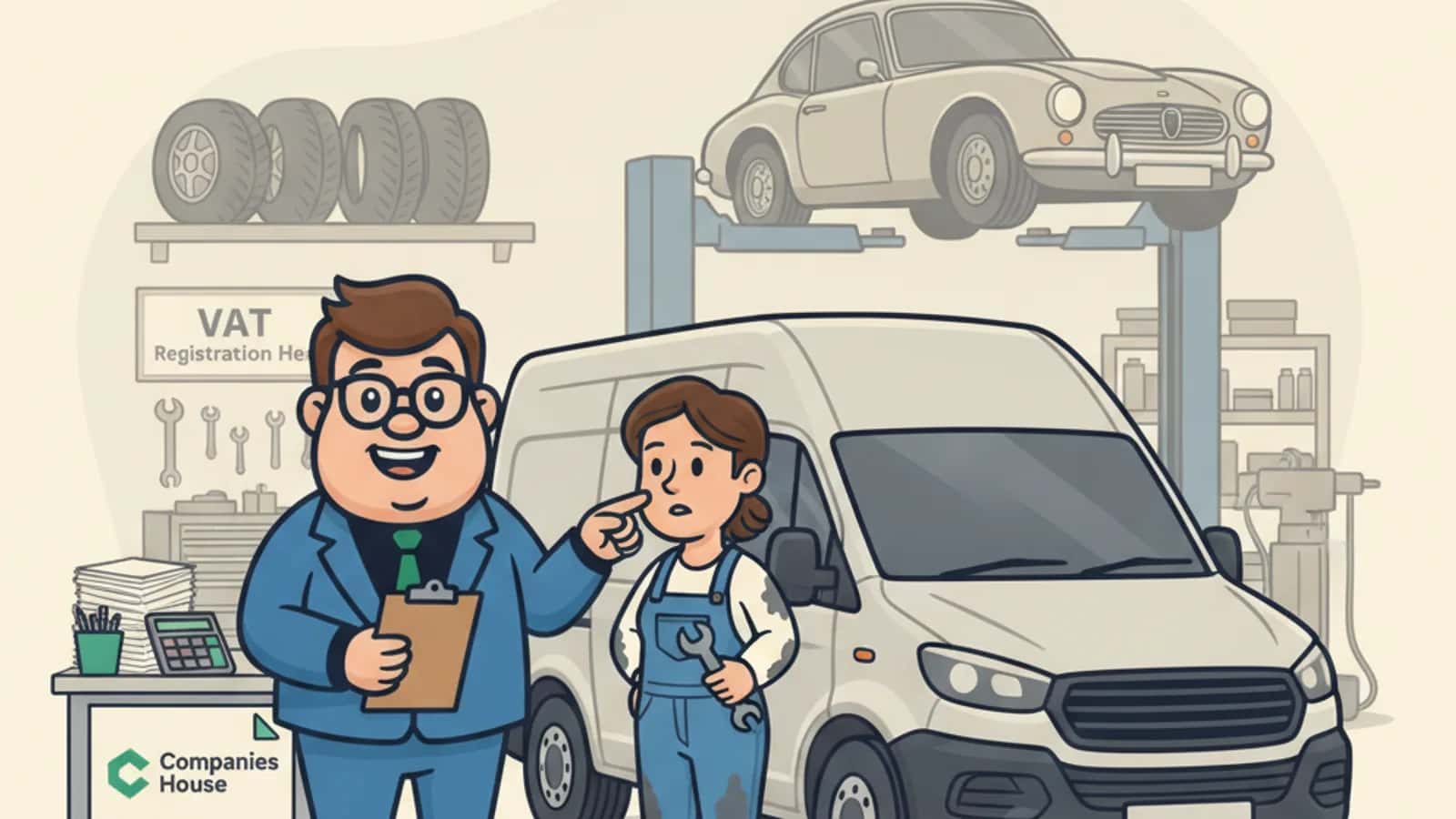
VAT and Asset Finance: What UK SMEs Need to Know Before Funding Equipment
VAT on asset finance depends on your agreement type: Hire Purchase typically requires upfront VAT payment (though deferrals are available), while Finance Lease spreads VAT across monthly payments. VAT-registered businesses can usually reclaim VAT on financed equipment, but timing and cash flow impact varies significantly between finance structures.
Bridging Loans
View all
Development Finance
View all
Ready when you are
See what funding your business could get
Start a short eligibility check and compare selected business funding options. It only takes about 2 minutes, with no hard credit check to start.