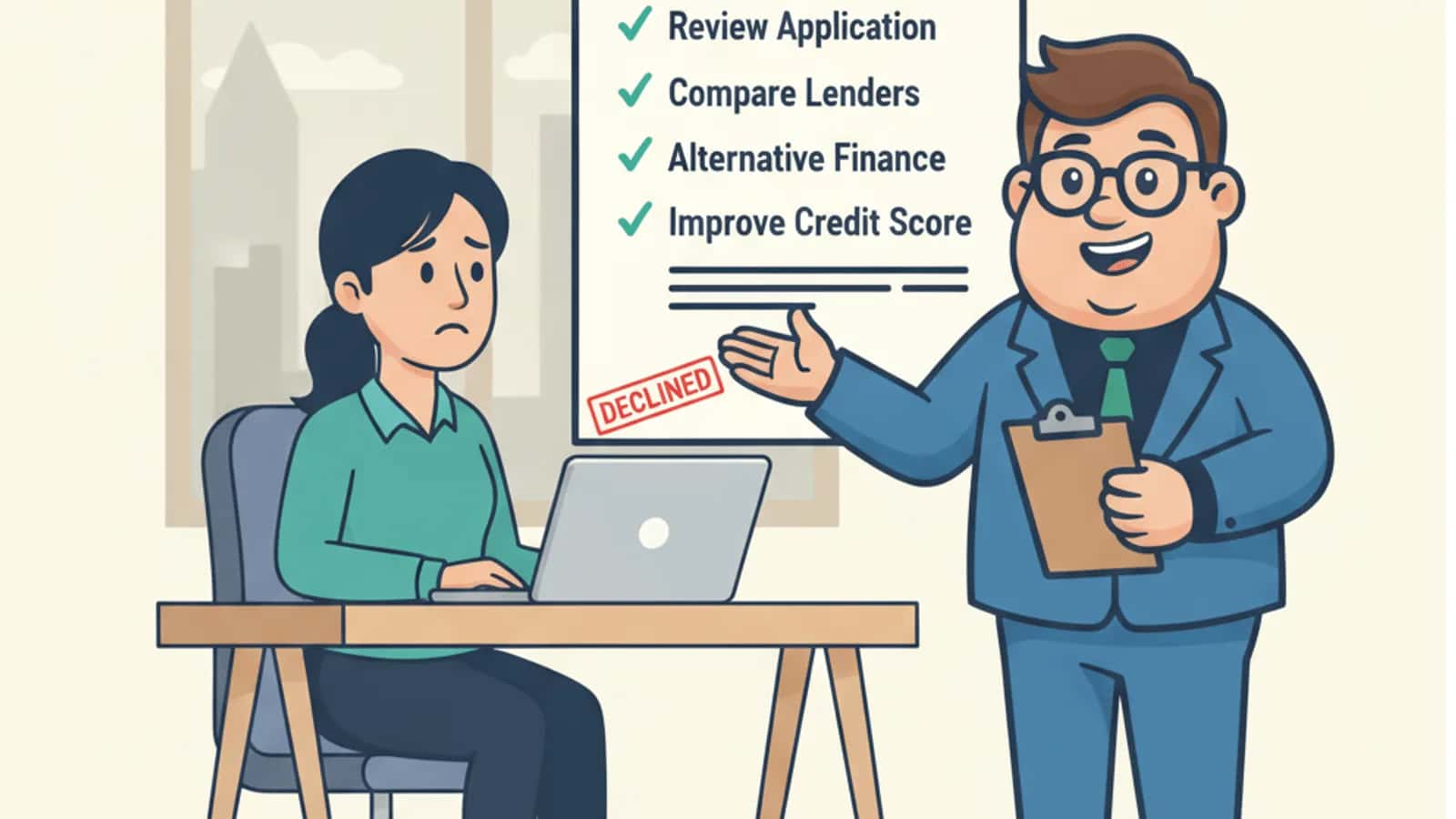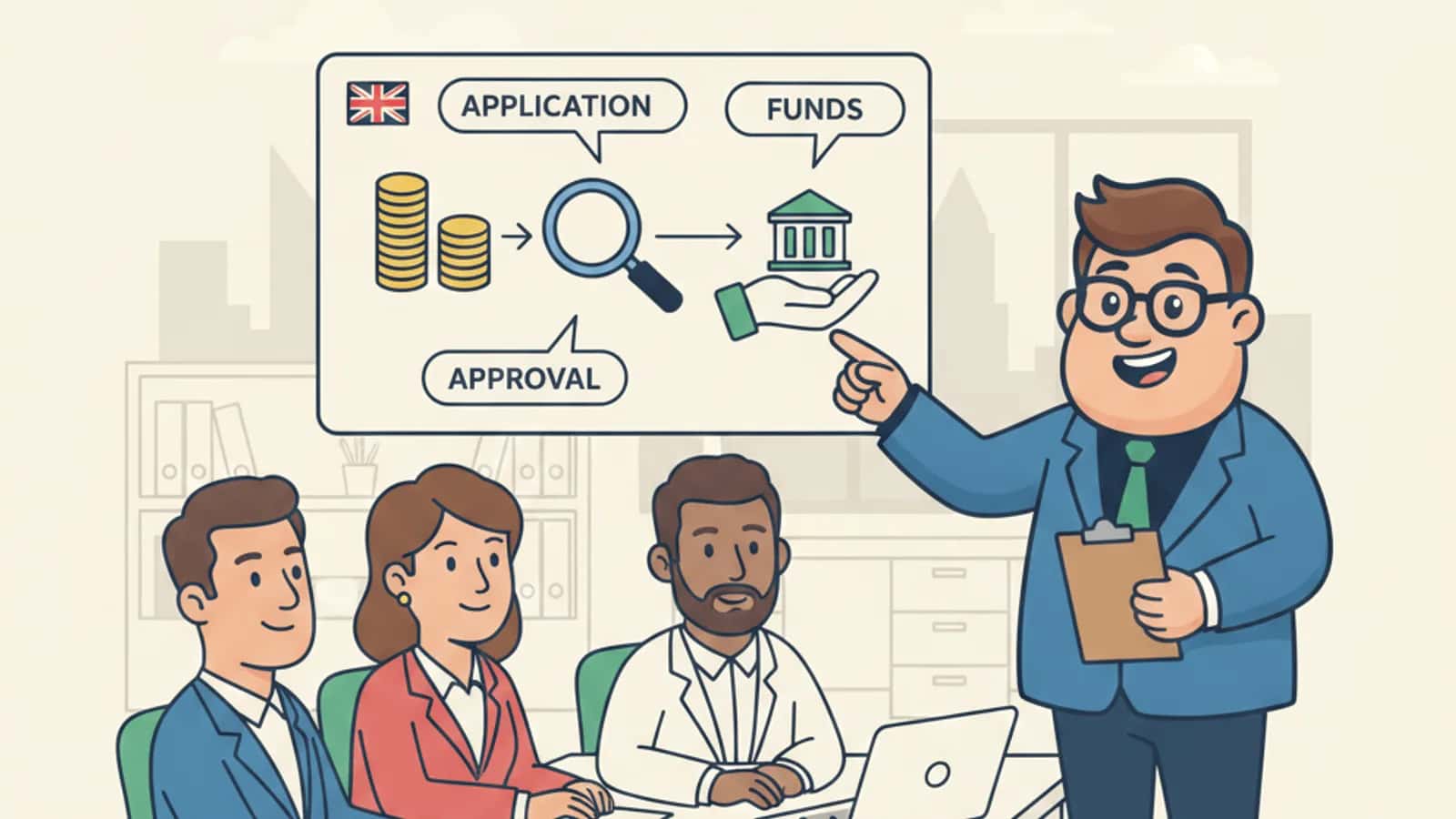
What Documents Do I Need to Apply for a Business Loan: Complete UK Guide 2026
Most UK business loan applications require three core document categories: financial records (profit & loss statements, bank statements from the last 12-24 months), business registration documents (Companies House filing, VAT registration), and personal identification for directors or sole proprietors.

Quick answer
Most UK business loan applications require three core document categories: financial records (profit & loss statements, bank statements from the last 12-24 months), business registration documents (Companies House filing, VAT registration), and personal identification for directors or sole proprietors. Traditional banks typically demand extensive paperwork, while modern lenders using Open Banking technology can access much of this information digitally, reducing your preparation time from weeks to minutes.
Key takeaways
- Bank statements from the last 12-24 months are essential for all business loan types
- Limited companies need Companies House documents and filed accounts
- Sole proprietors require SA302 tax returns and UTR numbers
- Traditional banks demand more paperwork than modern Open Banking lenders
- Bad credit doesn't automatically disqualify you with Flexible Criteria lenders
- New businesses can qualify with just 3-6 months of trading history
- Personal guarantees mean directors' personal documents are often required
- Smart Tech platforms can pre-fill applications using your existing financial data
Essential Financial Documents Every Lender Wants

Every UK business loan application starts with proving your company's financial health. Lenders need evidence that you generate enough revenue to repay borrowed funds while maintaining operations.
Bank statements
form the backbone of any application. Most lenders require 12-24 months of business bank statements showing consistent income and manageable outgoings. These statements reveal seasonal patterns, average monthly turnover, and cash flow stability that credit scores can't capture.
Management accounts
provide a current snapshot of your business performance. Unlike statutory accounts that may be months old, management accounts show recent trading activity. Include your latest profit & loss statement and balance sheet, ideally prepared by a qualified accountant.
Cash flow forecasts
demonstrate how you'll service loan repayments. Project your income and expenses for 12-18 months ahead, showing when loan payments fit within your expected cash flow. Conservative estimates work better than optimistic projections.
Choose Unsecured Loans if you want to avoid risking business assets as collateral. Modern lenders can assess risk using transaction data rather than demanding property security.
What Financial Statements Do Banks Want to See
Traditional banks typically demand comprehensive financial documentation spanning multiple years. They want filed accounts, audited statements for larger companies, and detailed breakdowns of revenue sources.
Filed accounts
must be current and show profitable trading. Banks prefer seeing consistent year-on-year growth rather than volatile performance. If your latest accounts show losses, prepare explanations and evidence of recovery.
Aged debtors and creditors reports
help lenders understand your working capital management. High debtor balances might indicate collection problems, while excessive creditor balances could signal cash flow strain.
Sector-specific metrics
matter for certain industries. Restaurants need covers per service and average spend data. E-commerce businesses should provide conversion rates and customer acquisition costs. Dental practices might need patient numbers and treatment mix analysis.
Modern lenders using Open Banking can access much of this information directly from your accounting software and bank feeds. This Smart Tech approach reduces document preparation time while providing real-time financial insights.
Traditional Banks: Demand extensive historical accounts, often requiring 3+ years of filed returns. Funding Fred: Uses live financial data through Open Banking for Fast Decision making.
Business Registration and Legal Documents
Your business structure determines which registration documents lenders require. Limited companies need different paperwork compared to sole proprietorships or partnerships.
Companies House documents
are essential for limited companies. Provide your Certificate of Incorporation, current filing history, and details of recent director changes. Lenders check for outstanding filing penalties or compliance issues.
VAT registration certificates
prove your business legitimacy and revenue scale. VAT-registered businesses typically find loan approval easier, as registration suggests turnover above £85,000 annually.
Professional licenses
are crucial for regulated industries. Dental practices need GDC registration, financial advisors require FCA permissions, and construction companies might need CITB certifications.
Lease agreements
for business premises show operational stability. Month-to-month arrangements might concern lenders, while long-term leases demonstrate commitment and planning.
Keep these documents current and easily accessible. Expired licenses or lapsed registrations can delay applications significantly.
What Tax Documents Are Required for a Business Loan
Tax documentation proves your declared income matches the revenue shown in bank statements. HMRC filings provide independent verification of business performance.
Corporation Tax returns
(CT600) are required for limited companies. Lenders want to see the last two years of filed returns, plus any amendments or enquiries. Consistent tax payments indicate stable profitability.
SA302 forms
serve as official income proof for sole proprietors and partnerships. These HMRC-generated documents show your declared business profits and tax calculations. Download current versions from your Government Gateway account.
UTR numbers
(Unique Taxpayer Reference) are needed for all business structures. This 10-digit number links your tax records and proves legitimate trading status.
VAT returns
provide quarterly revenue evidence for registered businesses. Consistent VAT payments demonstrate regular income and proper record-keeping.
Choose lenders with Flexible Criteria if your tax affairs are complex or you've had past HMRC disputes. Some modern lenders focus more on current trading performance than historical tax issues.
What Personal Documents Do I Need to Provide
Most UK business loans require personal guarantees from company directors or business owners. This means lenders assess both business and personal financial standing.
Photo ID
is mandatory for all applicants. Provide a current passport or driving license, ensuring names match exactly across all documents. Expired ID causes immediate application delays.
Proof of address
must be recent and from an acceptable source. Bank statements, utility bills, or council tax statements work well. Avoid mobile phone bills or insurance documents, which some lenders don't accept.
Personal bank statements
may be required, especially for newer businesses or sole proprietors. Lenders check for gambling activity, unpaid direct debits, or other financial management concerns.
Credit reports
help lenders assess personal creditworthiness. Check your Experian, Equifax, and TransUnion reports before applying. Address any errors or unexplained entries beforehand.
Personal tax returns
(SA302) are needed if you receive significant income outside the business. This includes rental income, investment returns, or employment from other sources.
No hard check to start means you can explore loan options without impacting your credit score during initial assessments.
How Long Do I Need to Have Been in Business to Qualify
Most traditional banks require 2-3 years of trading history, but modern lenders offer more flexible timeframes based on business performance rather than just longevity.
Established businesses
(2+ years) have the widest loan options available. Banks prefer seeing consistent performance through different economic conditions and seasonal variations.
Growing businesses
(6-24 months) can access Unsecured Loans and Merchant Cash Advance products. Lenders focus on monthly revenue trends and growth trajectory rather than lengthy trading history.
New businesses
(3-6 months) qualify for specific startup funding products. You'll need strong personal credit, relevant industry experience, and evidence of early traction like customer contracts or repeat sales.
Pre-revenue businesses
face the most restrictions. Consider government-backed startup loans, angel investors, or crowdfunding before approaching commercial lenders.
Industry experience matters significantly for newer businesses. A restaurant owner with 15 years of hospitality experience gets different consideration than someone entering catering for the first time.
Funding Fred's Wide partner panel includes lenders specializing in different business ages, from 3-month startups to established enterprises.
Are Online Lenders Easier Than Traditional Banks
Online lenders typically offer faster decisions and simpler applications, but "easier" depends on your specific business situation and funding needs.
Speed advantages
are significant with digital lenders. Applications take minutes rather than hours, and decisions arrive in days instead of weeks. Open Banking technology pulls financial data automatically, eliminating manual document uploads.
Criteria differences
often favor online lenders for businesses with imperfect credit or shorter trading histories. Traditional banks have rigid scoring models, while modern lenders consider broader performance indicators.
Loan amounts
vary between lender types. High street banks offer larger facilities (£500K+) for established businesses, while online lenders typically focus on £10K-£250K ranges with faster access.
Interest rates
can be higher with online lenders, but total cost depends on loan term and your specific risk profile. A 6-month online facility might cost less overall than a 5-year bank loan.
Traditional Banks: Extensive paperwork, slow decisions, strict criteria, lower rates for perfect applications. Online Lenders: Minimal paperwork, Fast Decision technology, Flexible Criteria, higher rates but quicker access.
Choose online lenders when you need funds quickly or have been declined by traditional banks. Select high street banks for large amounts with longer repayment terms.
What If I'm a Sole Proprietor with Limited Business History
Sole proprietors face unique challenges because personal and business finances often overlap, but several loan options remain available with the right documentation approach.
Personal tax returns
become crucial evidence of business income. Your SA302 forms show declared profits, while bank statements prove actual cash flow. Consistent deposits matching declared income strengthen applications significantly.
Business bank accounts
help separate personal and commercial transactions. Even basic business accounts demonstrate professional approach and make income verification simpler for lenders.
Professional qualifications
can substitute for lengthy trading history. Qualified tradespeople, consultants, or professionals often get favorable consideration based on expertise and earning potential.
Customer contracts
or repeat business evidence shows income stability. Regular clients, service agreements, or subscription revenues indicate predictable future cash flow.
Merchant Cash Advance
products work well for sole proprietors with card payment history. Lenders assess repayment ability based on actual transaction volumes rather than traditional credit metrics.
Start with smaller loan amounts to build lending relationships. Successfully repaying a £10K facility creates history for larger future borrowing.
Can I Get a Business Loan with Bad Credit
Bad credit doesn't automatically disqualify you from business funding, but it limits options and typically increases borrowing costs.
Business credit
matters more than personal credit for established companies with strong trading records. Lenders focus on company performance when personal guarantees are minimal or trading history is substantial.
Asset-based lending
options include invoice financing or equipment finance where the funded asset provides security. These products rely less on credit scores and more on asset values.
Alternative credit assessment
methods used by modern lenders consider bank transaction data, social media presence, and industry-specific metrics. Strong business performance can offset poor personal credit history.
Guarantor options
allow business partners or family members to support applications. Additional guarantees reduce lender risk and improve approval chances.
Credit repair
should happen alongside loan searching. Pay down existing debts, correct credit report errors, and establish positive payment patterns while exploring funding options.
All Credit Types are considered by specialist lenders within Funding Fred's partner network, focusing on current business performance rather than past credit issues.
Which Loans Are Easiest to Get for New Businesses
New businesses have fewer options but several products specifically target startups and early-stage companies with simplified approval processes.
Government-backed loans
through the British Business Bank offer favorable terms for qualifying startups. These schemes reduce lender risk and often feature lower interest rates or longer repayment terms.
Merchant Cash Advance
products suit businesses with immediate card payment history. Approval depends on transaction volumes rather than lengthy trading records, making them accessible for new retail or hospitality businesses.
Equipment finance
allows new businesses to spread machinery or technology costs. The financed equipment serves as security, reducing documentation requirements compared to unsecured borrowing.
Revenue-based financing
works for businesses with predictable income streams. Software companies, subscription services, or franchise operations often qualify based on contracted future revenues.
Peer-to-peer lending
platforms sometimes offer more flexible criteria than traditional banks. Individual investors may take different risk perspectives compared to institutional lenders.
Start with smaller amounts
to establish lending relationships. A £5K equipment loan or £10K working capital facility creates positive history for future borrowing needs.
Check Eligibility Now with multiple lender types to compare options without affecting your credit score.
What's the Difference Between SBA Loans and Traditional Bank Loans
The UK doesn't have SBA (Small Business Administration) loans like the US, but government-backed schemes through the British Business Bank serve similar purposes with different structures and requirements.
Government-backed loans
in the UK include Start Up Loans, Recovery Loan Scheme, and various sector-specific programs. These feature government guarantees reducing lender risk and often offer below-market interest rates.
Traditional bank loans
rely entirely on business and personal creditworthiness without government backing. Banks assess full risk and price accordingly, typically requiring stronger financial positions for approval.
Documentation requirements
are often more extensive for government schemes due to eligibility criteria and compliance monitoring. Traditional loans may have simpler applications but stricter approval standards.
Loan amounts
vary significantly between schemes. Start Up Loans cap at £25K, while Recovery Loan Scheme facilities can reach £2M for qualifying businesses.
Repayment terms
are generally longer for government-backed products, with some offering capital repayment holidays or flexible structures during business development phases.
Interest rates
are typically lower for government schemes, but application processes take longer and eligibility criteria can be restrictive.
Research current government schemes before applying for traditional loans, as backed facilities often offer better terms for qualifying businesses.
How Much Paperwork Is Involved in a Loan Application
Paperwork requirements vary dramatically between lender types, with modern digital platforms significantly reducing documentation burdens compared to traditional banks.
Traditional bank applications
typically require 15-25 documents including historical accounts, cash flow forecasts, business plans, director CVs, and extensive financial projections. Preparation time often exceeds 40 hours for comprehensive applications.
Online lender applications
using Open Banking technology may need just 3-5 core documents. Bank statement uploads, basic ID verification, and simple application forms can be completed in under 30 minutes.
Document preparation time
depends on your existing record-keeping systems. Well-organized businesses with current management accounts and filed returns complete applications faster than those needing accountant assistance.
Digital document management
speeds up modern applications significantly. Cloud-based accounting systems, electronic bank statements, and digital ID verification eliminate postal delays and manual processing.
Common bottlenecks
include expired documents, missing signatures, or outdated financial information. Prepare fresh documents rather than using months-old versions.
Smart Tech platforms
can pre-populate applications using existing business data, reducing manual input and improving accuracy. Open Banking connections provide real-time financial information without document uploads.
2 min check
systems allow initial eligibility assessment before full documentation requirements, helping you focus effort on realistic opportunities.
What Mistakes Do People Make When Applying for Business Loans
Common application errors can delay approvals or trigger declines, but most mistakes are easily avoidable with proper preparation and realistic expectations.
Inconsistent financial information
between different documents confuses lenders and raises fraud concerns. Ensure bank statements, accounts, and tax returns align properly, explaining any significant discrepancies clearly.
Unrealistic loan amounts
relative to business turnover often trigger automatic declines. Most lenders cap facilities at 10-20% of annual revenue, so a £100K loan request needs £500K+ turnover evidence.
Poor cash flow projections
that ignore seasonal variations or economic factors reduce credibility. Conservative forecasts with detailed assumptions work better than optimistic projections without supporting evidence.
Incomplete applications
cause unnecessary delays when lenders request missing information. Use checklists to ensure all required documents are current and properly signed before submission.
Wrong lender targeting
wastes time when your business doesn't match lender criteria. Research minimum trading periods, sector restrictions, and credit requirements before applying.
Lack of purpose clarity
for loan proceeds concerns lenders about repayment ability. Specify exactly how funds will be used and how this generates additional revenue or cost savings.
Multiple simultaneous applications
can damage credit scores and create confusion when lenders see other recent credit searches. Focus on 2-3 realistic options rather than blanket applications.
How Much Does a Typical Business Loan Application Cost
Application costs vary significantly between lender types, with many modern lenders offering free applications while traditional banks may charge substantial arrangement fees.
Free applications
are standard with most online lenders and government-backed schemes. You only pay if the loan completes, avoiding upfront costs during the assessment process.
Arrangement fees
from traditional banks typically range from 1-3% of loan value, so a £50K facility might cost £500-£1,500 in setup charges. These fees apply regardless of whether you draw down the full facility.
Broker fees
add 1-2% when using intermediaries, but experienced brokers often secure better terms or access lenders you couldn't approach directly. Calculate total costs including broker charges against potential savings.
Legal fees
for secured lending or complex structures can add £500-£2,000 depending on transaction complexity. Simple unsecured facilities rarely need legal involvement.
Valuation costs
for asset-backed lending range from £200-£1,000 depending on security type and value. Property valuations cost more than equipment assessments.
Early repayment charges
should be considered when comparing total costs. Some lenders charge penalties for early settlement, while others allow penalty-free repayment.
No hard check to start
policies mean you can explore options without credit score impacts, allowing cost comparison across multiple lenders before committing to formal applications. For more comparisons and application guidance, browse our business loan guides.
Further reading
Frequently asked questions
What Financial Statements Do Banks Want to See?
Traditional banks typically demand comprehensive financial documentation spanning multiple years. They want filed accounts, audited statements for larger companies, and detailed breakdowns of revenue sources.
What Tax Documents Are Required for a Business Loan?
Tax documentation proves your declared income matches the revenue shown in bank statements. HMRC filings provide independent verification of business performance.
What Personal Documents Do I Need to Provide?
Most UK business loans require personal guarantees from company directors or business owners. This means lenders assess both business and personal financial standing.
How Long Do I Need to Have Been in Business to Qualify?
Most traditional banks require 2-3 years of trading history, but modern lenders offer more flexible timeframes based on business performance rather than just longevity.
Are Online Lenders Easier Than Traditional Banks?
Online lenders typically offer faster decisions and simpler applications, but "easier" depends on your specific business situation and funding needs.
What If I'm a Sole Proprietor with Limited Business History?
Sole proprietors face unique challenges because personal and business finances often overlap, but several loan options remain available with the right documentation approach.
Written by
The Funding Fred Editorial Team creates plain-English guides to help business owners understand funding options, eligibility, and application readiness before they compare finance options.
Reviewed by
UK business finance content reviewer
Robert reads our UK business finance guides before they go live, checking each one is accurate, easy to follow, and reflects how lending actually works today — not how a brochure says it should. He's listed on the FCA Register, approved as an SMF3 (AR) Executive Director at Switcha Limited, and connected to Lucky Growth Partners Ltd through its appointed representative relationship, so the regulated detail gets a properly qualified second read.