
Business Finance Guides
Plain-English guides to UK business loans, asset finance, invoice financing, and business credit cards. Compare lenders, check what you'll qualify for, and walk into a funding decision already knowing the answers.
Business Loans
View all
Asset Finance
View all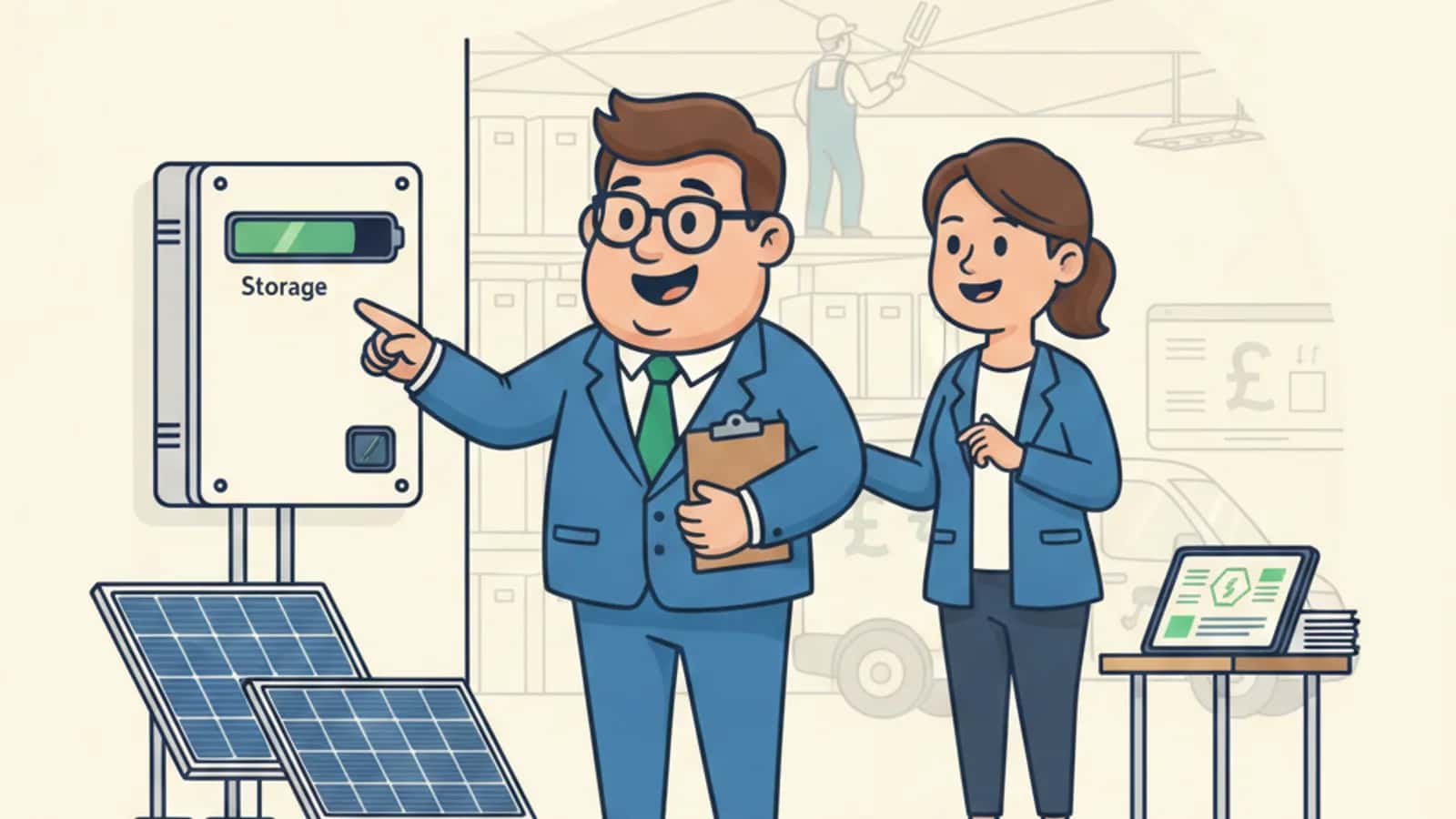
Renewable Energy Asset Finance UK: Solar, Batteries and Energy-Efficient Equipment
UK businesses are securing renewable energy systems worth £25k to £3m through specialist asset finance, with terms from 5-15 years and deposit options starting from 0%. Solar panels, battery storage, and energy-efficient equipment can be acquired through hire purchase, finance lease, or Power Purchase Agreements without full upfront capital outlay.

Sale and Leaseback for UK Businesses: Releasing Cash from Assets You Already Own
Sale and leaseback for UK businesses allows you to sell property or equipment to an investor while simultaneously signing a lease to continue using it. This releases 70-90% of the asset's value as immediate cash while maintaining operational control, typically completing within 8-12 weeks for property transactions.

Seasonal Repayments in Asset Finance: Matching Equipment Payments to Revenue Cycles
Seasonal repayments in asset finance allow businesses to adjust equipment loan payments based on their revenue patterns, with higher payments during peak trading periods and reduced payments during quieter months.
Bridging Loans
View all
Probate Bridging Loans: Funding Inherited Property Sales and Repairs
Probate bridging loans provide short-term finance to beneficiaries who need immediate funds to repair, maintain, or sell inherited properties while waiting for probate completion.

Refinance Your Property Fast: Complete UK Guide to Quick Refinancing Options
Refinancing replaces your existing mortgage or property loan with a new one, typically to secure better rates, release equity, or switch lenders. In June 2026, UK refinance rates average 6.5-6.7% for standard mortgages, but bridging finance offers faster refinancing for time-sensitive opportunities when traditional lenders move too slowly.

Regulated vs Unregulated Bridging Loans: What UK Borrowers Need to Know
The key difference between regulated and unregulated bridging loans lies in their intended use: regulated loans apply to properties you'll live in, while unregulated loans cover investment properties and commercial deals.

Rolled-Up vs Serviced Interest on Bridging Loans: Which Is Better?
Both rolled-up and serviced interest options cost the same total amount if rates and terms are identical, the difference is when you pay and how it affects your cash flow and loan balance.

Second Charge Bridging Loans: Raising Funds Without Replacing Your Main Mortgage
Second charge bridging loans sit behind your existing mortgage as additional security against your property, letting you access funds quickly without disrupting your current mortgage arrangements. They're faster than remortgaging and ideal for time-sensitive opportunities like property purchases, refurbishments, or business funding needs.
Ready when you are
See what funding your business could get
Start a short eligibility check and compare selected business funding options. It only takes about 2 minutes, with no hard credit check to start.