
Business Finance Guides
Plain-English guides to UK business loans, asset finance, invoice financing, and business credit cards. Compare lenders, check what you'll qualify for, and walk into a funding decision already knowing the answers.
Business Loans
View all
Business Loan for Self-Employed UK: 2026 Complete Guide
Self-employed people in the UK can access business loans in 2026, but the process differs from standard applications. Lenders assess income using SA302 forms, bank statements, or Open Banking data rather than payslips.

Growth Guarantee Scheme: Latest Guidance for UK Business Loans (August 2026)
The Growth Guarantee Scheme (GGS) is a UK government-backed programme that helps SMEs access business loans, asset finance, and invoice finance when conventional lenders say no.
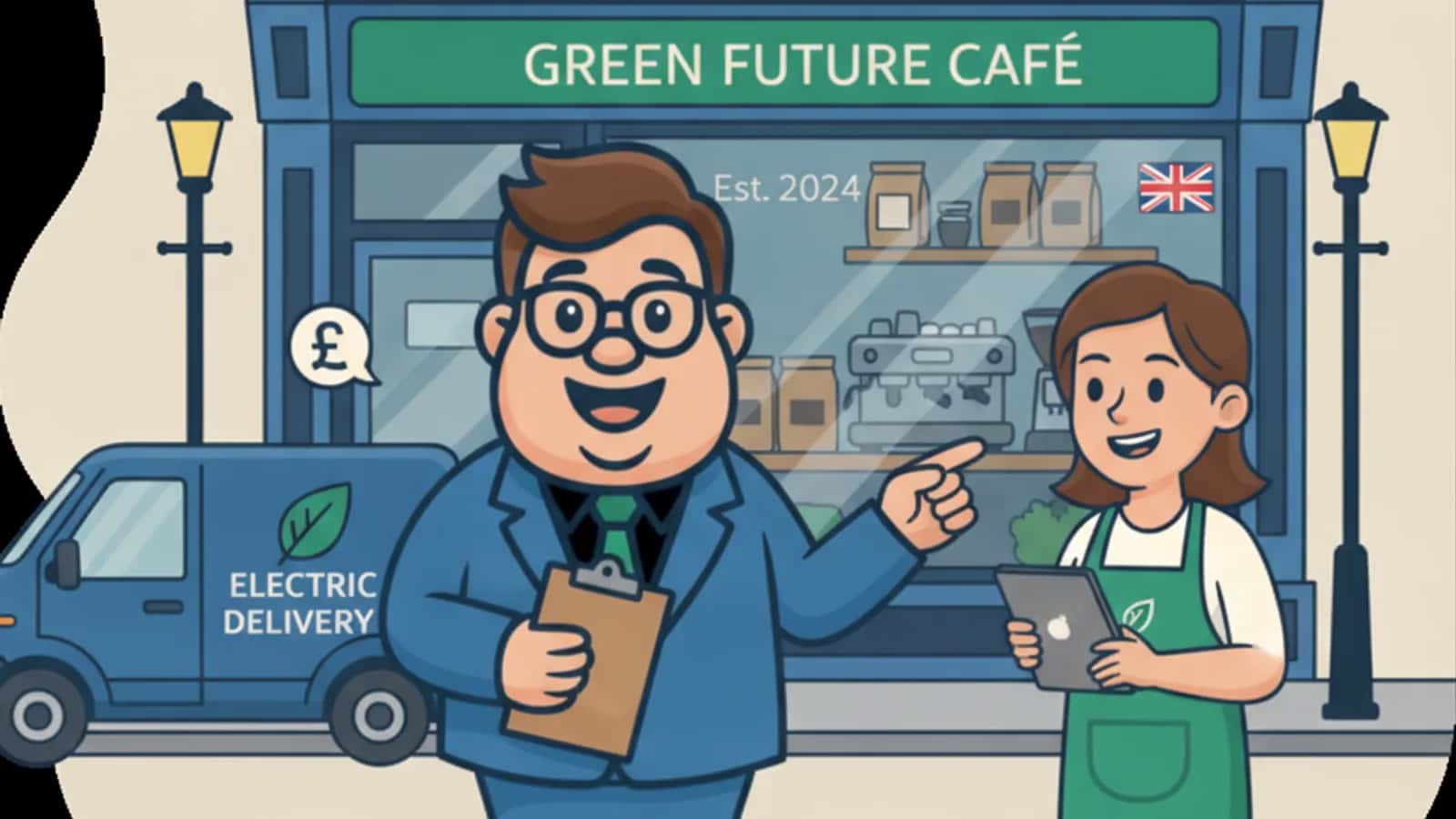
Green Business Loans & Grants for UK SMEs: July 2026 Guide
UK SMEs can access a range of green business loans and grants in July 2026, from local council energy-efficiency grants worth £1,000,£50,000 to national programmes like Innovate UK's £60 million Net Zero Living fund.

How to Compare Business Loans in the UK: Rates, Fees and Terms
To compare business loans properly, look past the headline rate: check the total amount repayable, arrangement and exit fees, term length, whether a personal guarantee is required, and how fast the funds arrive.
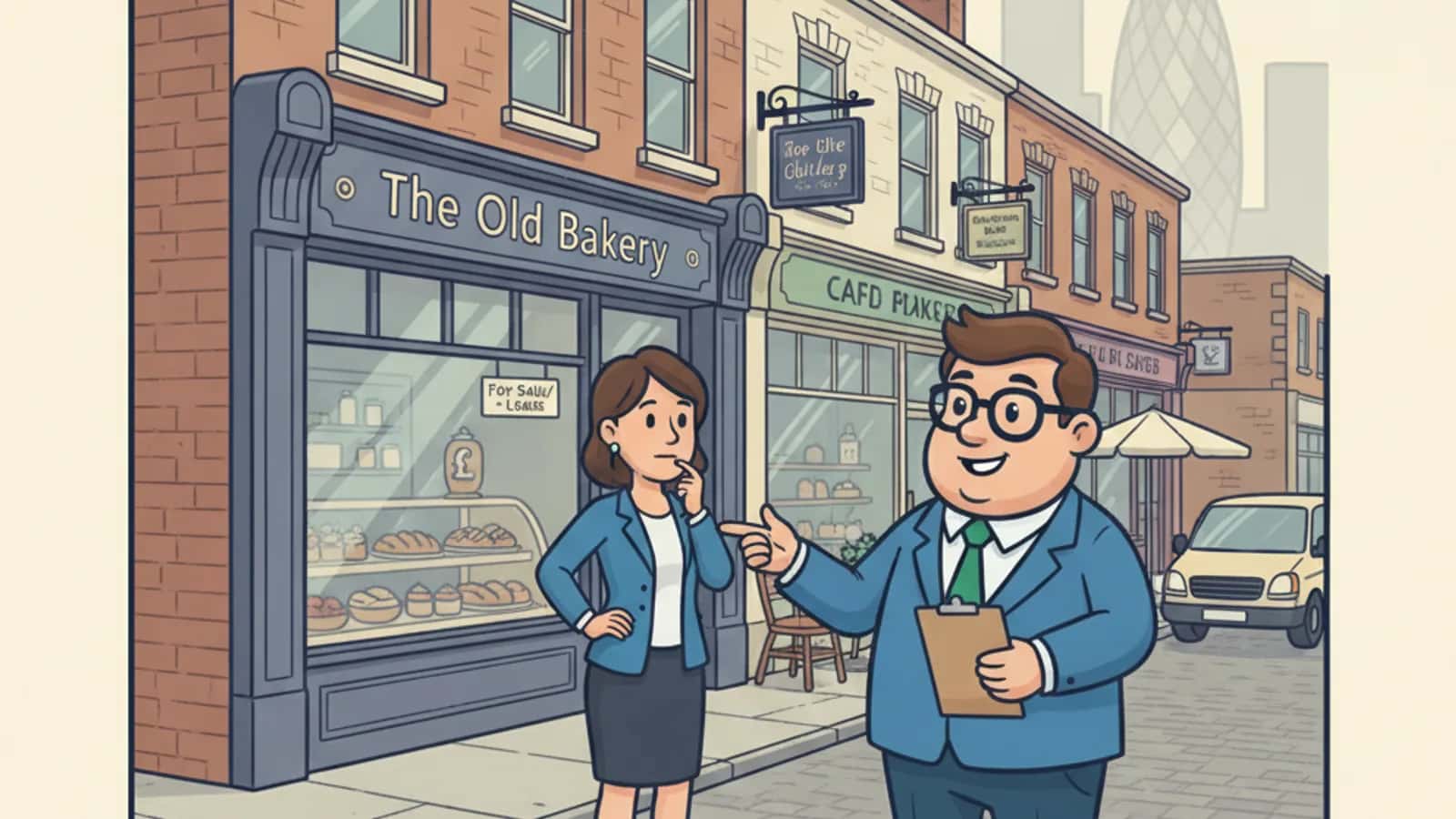
UK Commercial Real Estate: Refinancing Price War Heats Up in Q2 2026
A £33 billion wave of maturing UK commercial real estate loans is forcing lenders to compete aggressively on price in Q2 2026. Senior loan margins on prime offices have been cut by around 45 basis points over the past year, according to Bayes Business School research.
Business Credit Cards
View all
Soft Search vs Hard Search for a Business Credit Card Application
A soft search is a limited credit check that does not affect your business or personal credit score and is invisible to other lenders. A hard search is a full credit check triggered when you formally apply for a business credit card, it is visible to other lenders and can temporarily lower your score.
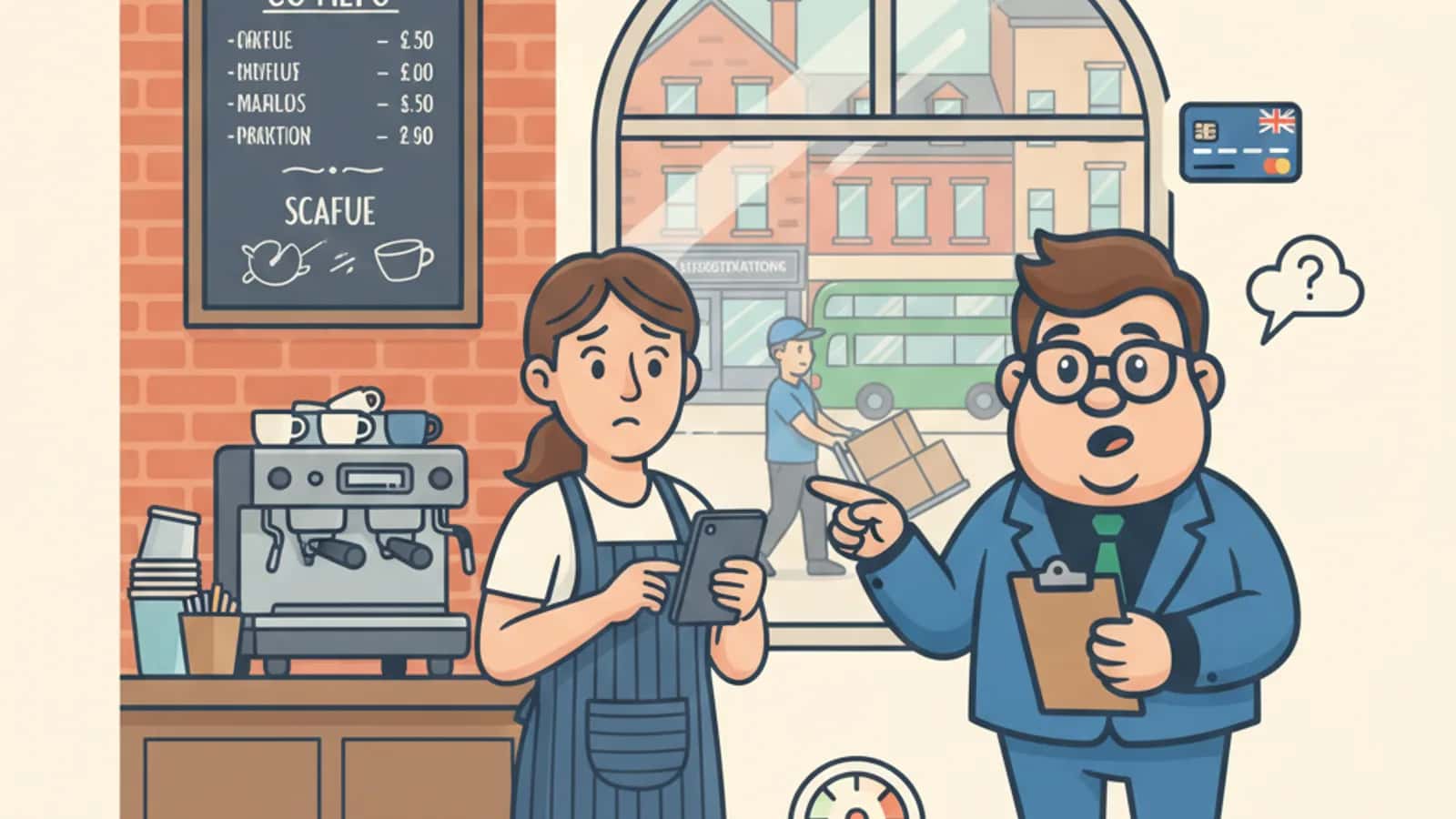
Does Applying for a Business Credit Card Affect Your Personal Credit Score?
Yes, applying for a business credit card can affect your personal credit score, but how much depends on the card provider, your business structure, and whether a personal guarantee is required. Most UK business card applications trigger a hard credit search on the director or sole trader, which leaves a temporary mark on your personal credit file.
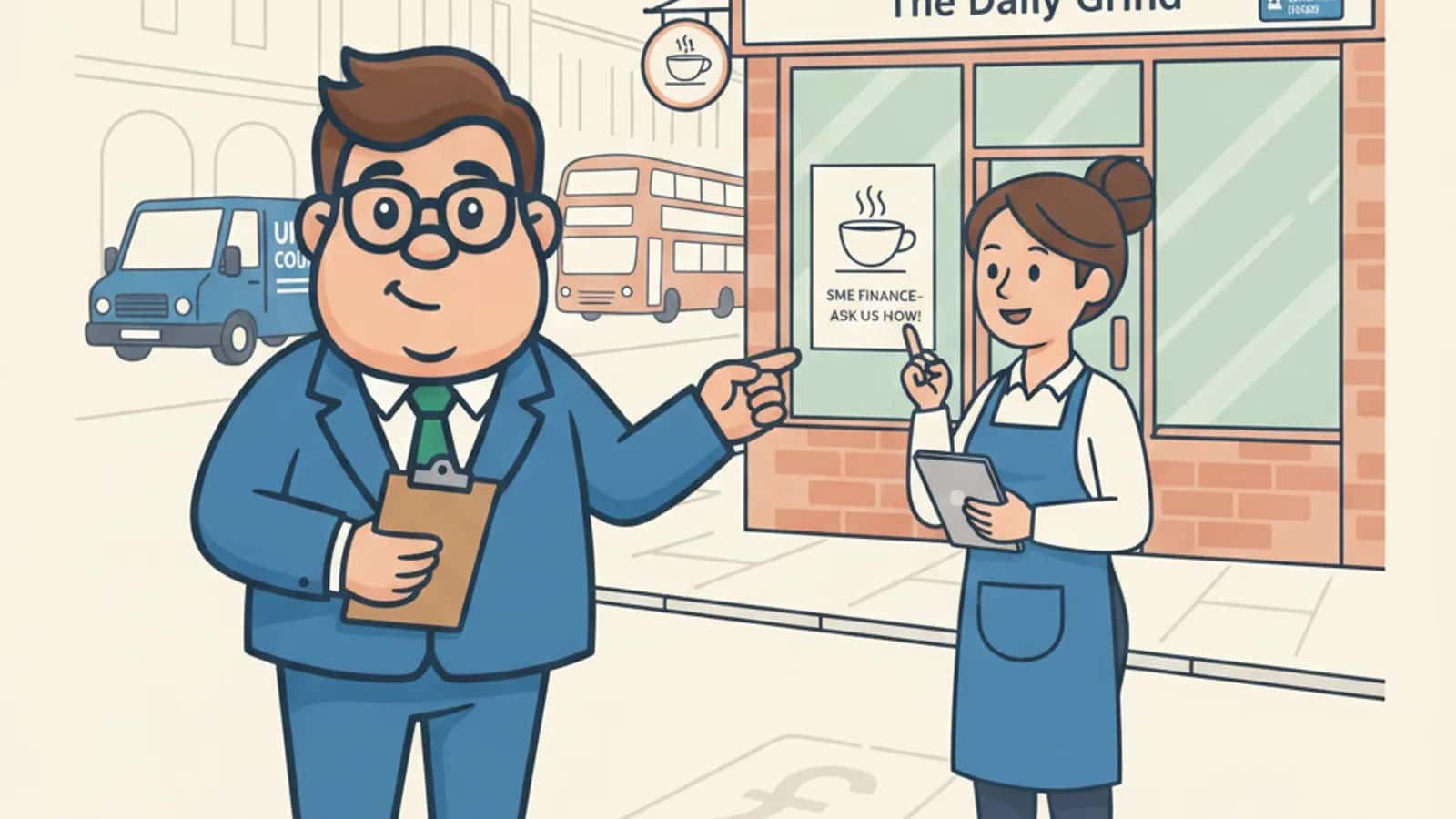
Business Credit Cards Without a Personal Guarantee: Are They Available in the UK?
Yes, business credit cards without a personal guarantee are available in the UK, but they're not the default. Most high street banks still require a director to sign a personal guarantee before issuing a card.

Business Credit Cards with Bad Credit: What UK Businesses Can Realistically Expect
UK businesses with bad credit can access business credit cards, but the options are narrower, the limits lower, and the costs higher than for businesses with a clean credit history. Secured cards, fintech providers, and specialist lenders are the most realistic routes.
Ready when you are
See what funding your business could get
Start a short eligibility check and compare selected business funding options. It only takes about 2 minutes, with no hard credit check to start.