What Can You Finance with Asset Finance: Complete Guide to Eligible Equipment and Machinery
Asset finance covers virtually any business-critical equipment from £1k to £5m — construction machinery, commercial vehicles, manufacturing equipment, IT systems, medical devices, and specialist tools. The asset itself secures the finance, making approval faster and deposits more flexible than traditional loans.
Quick answer
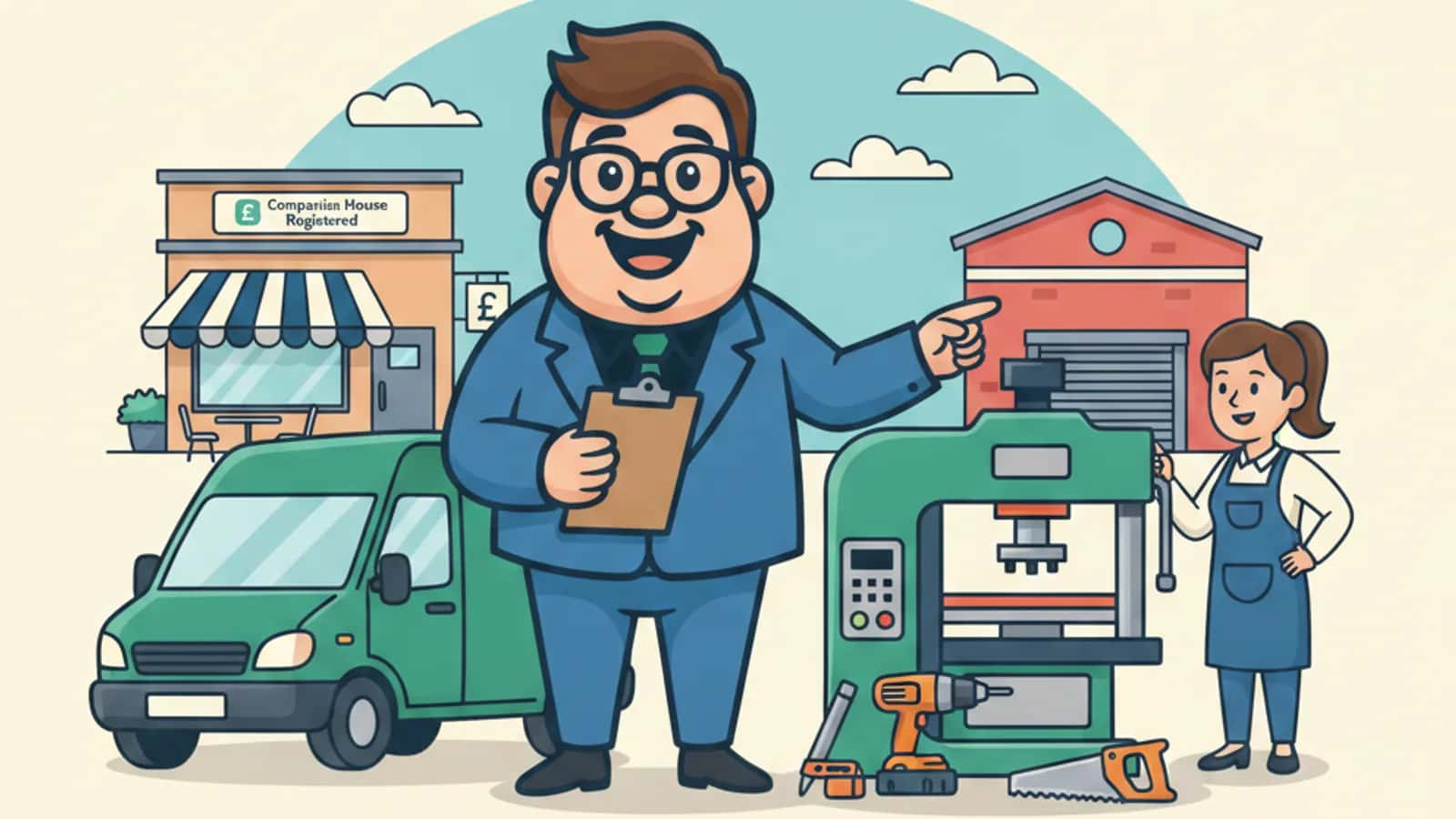
Asset finance covers virtually any business-critical equipment from £1k to £5m — construction machinery, commercial vehicles, manufacturing equipment, IT systems, medical devices, and specialist tools. The asset itself secures the finance, making approval faster and deposits more flexible than traditional loans. Most tangible business assets that hold value and generate revenue qualify for financing.
Key takeaways
- Construction equipment, commercial vehicles, and manufacturing machinery are the most commonly financed assets
- Asset finance covers new and used equipment from £1k to £5m with flexible deposit options
- The asset acts as security, enabling faster decisions and lower deposit requirements than unsecured loans
- Industries like construction, logistics, manufacturing, and healthcare rely heavily on asset finance
- Approval can happen within 24-48 hours with the right documentation
- Both established businesses and startups can qualify, depending on the asset and lender criteria
- Hire purchase, finance lease, and contract hire offer different ownership and tax benefits
- Assets must retain value and be easily recoverable if payments fail
What Types of Equipment Can You Finance Through Asset Finance

Asset finance covers almost any tangible business equipment that holds value and generates income. Construction machinery, commercial vehicles, manufacturing equipment, and IT systems represent the core categories that specialist lenders readily finance.
Construction Equipment
includes excavators, dumpers, telehandlers, cranes, and site equipment. These assets typically hold strong residual values and have active second-hand markets, making them attractive to lenders. Empire Asset Finance, for example, specializes in equipment financing for middle-market companies, focusing on both new and used construction machinery.
Commercial Vehicles
encompass HGVs, delivery vans, specialist transport, and fleet vehicles. The logistics sector particularly relies on vehicle finance to expand operations without tying up working capital. Companies like EquipmentShare have secured substantial asset-based credit facilities specifically to support fleet expansion.
Manufacturing Equipment
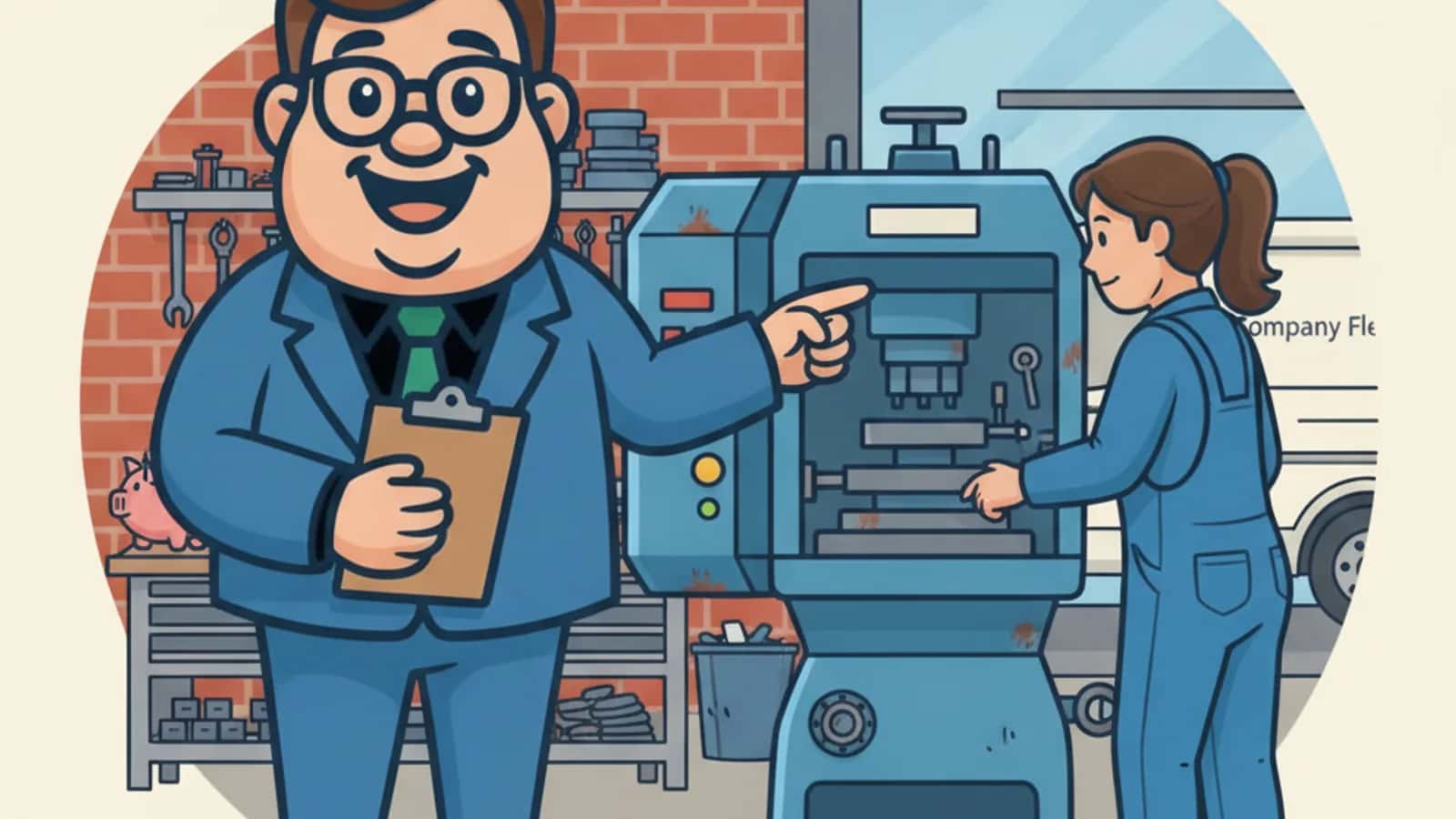
covers CNC machines, production lines, packaging equipment, and industrial tools. These assets often qualify for financing because they directly generate revenue and maintain value over time.
Technology and IT Equipment
includes servers, data storage systems, telecommunications equipment, and specialized software installations. While technology depreciates faster than construction equipment, essential IT infrastructure still qualifies for financing.
Medical and Healthcare Equipment
represents a growing sector for asset finance. Diagnostic equipment, surgical tools, and practice management systems all qualify, particularly given their specialized nature and regulatory compliance requirements.
Agricultural Equipment
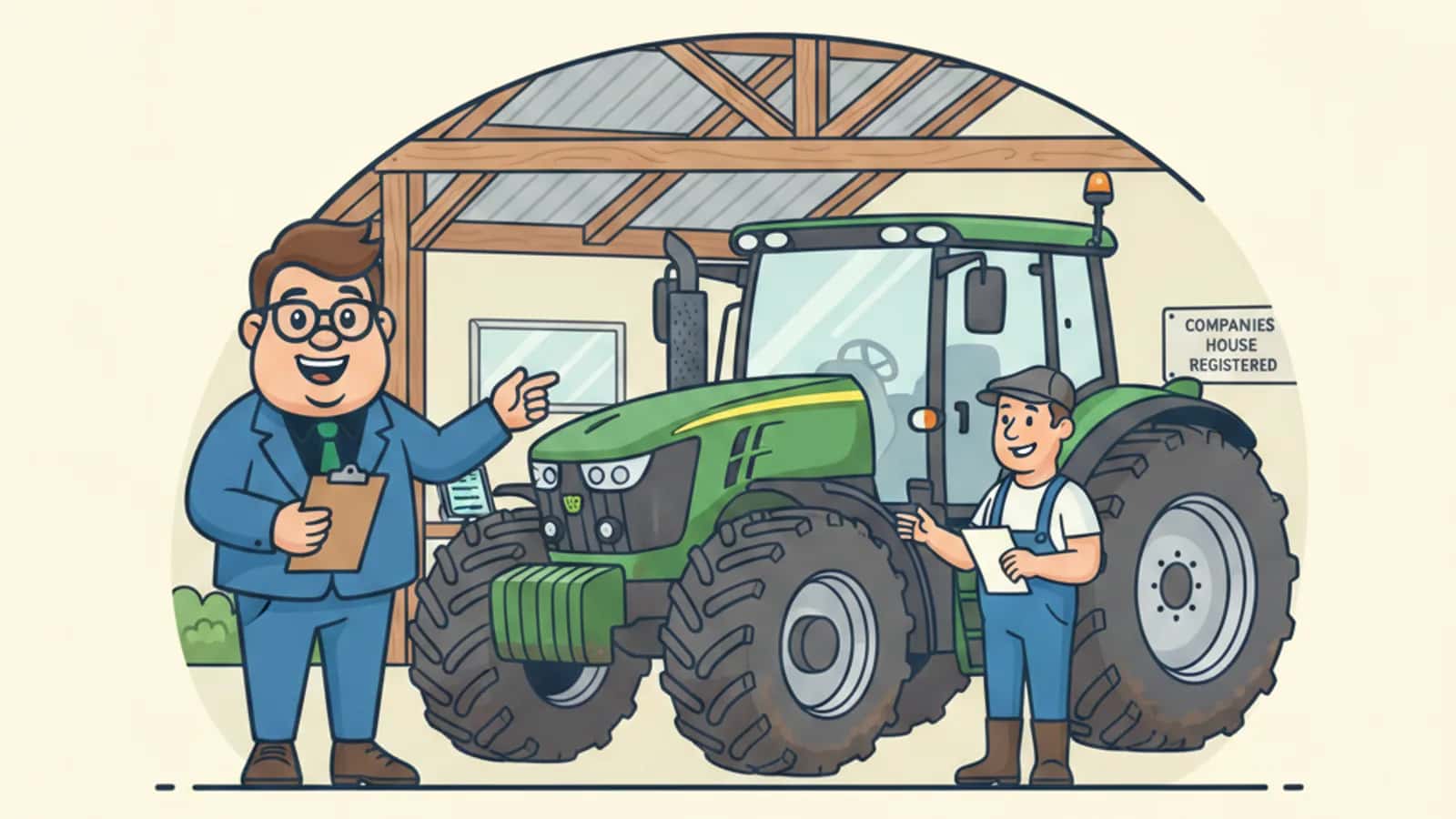
such as tractors, harvesters, and farming machinery regularly secure financing. The seasonal nature of farming makes flexible payment structures particularly valuable.
Choose asset finance when you need equipment that will generate revenue or reduce costs. Avoid it for assets that depreciate rapidly or lack resale value.
Which Industries Use Asset Finance Most Often
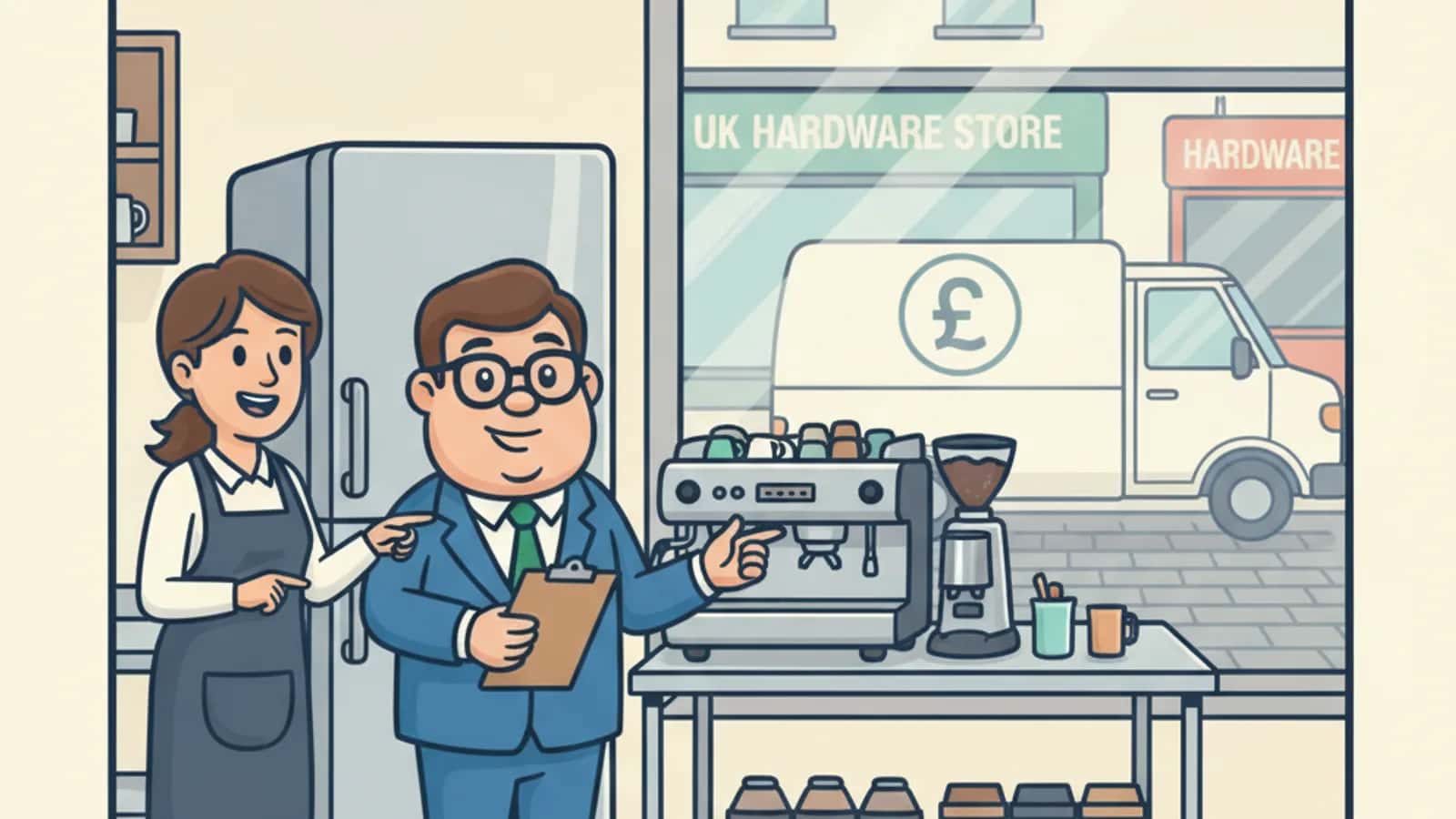
Construction, logistics, manufacturing, and healthcare lead asset finance usage, driven by high equipment costs and the need to preserve working capital for operations.
Construction and Civil Engineering
companies finance excavators, cranes, and site equipment worth £50k to £500k+. Project-based work creates lumpy cash flows, making flexible deposits and payment terms essential. Many construction firms use asset finance to match equipment payments with project timelines.
Logistics and Transport
operators finance vehicle fleets, warehouse equipment, and loading systems. The growth in e-commerce has increased demand for delivery vehicles and automated sorting equipment. Transport companies often need rapid fleet expansion to secure new contracts.
Manufacturing and Engineering
businesses finance production equipment, CNC machines, and quality control systems. Equipment upgrades directly impact productivity and competitiveness, making the speed of asset finance decisions crucial for staying ahead of competitors.
Healthcare and Medical
practices finance diagnostic equipment, treatment devices, and practice management systems. Medical equipment often costs £100k+ but generates steady revenue streams, making it ideal for asset finance structures.
Agriculture and Farming
operations finance tractors, harvesters, and specialized equipment. Seasonal cash flows make flexible payment structures particularly valuable, with some agreements allowing payment holidays during off-seasons.
Plant Hire and Rental
companies use asset finance to build equipment fleets for rental. The equipment generates direct rental income, making the business case straightforward for lenders.
Common mistake: Assuming only large companies can access asset finance. Many lenders work with businesses from £1k equipment purchases upward, making it accessible for smaller operations.
Can Small Businesses and Startups Use Asset Finance
Small businesses and startups can access asset finance, but eligibility depends on the asset value, business trading history, and the specific lender's criteria. Many specialist lenders work with businesses from £1k equipment purchases upward.
Established Small Businesses with 12+ months trading history typically qualify for asset finance on standard terms. Lenders focus on the asset's value and the business's ability to service payments rather than requiring extensive financial history.
New Businesses and Startups face more restrictions but can still access asset finance through specialist lenders. Key factors include:
- Personal guarantees from directors
- Higher deposit requirements (20-30% vs 0-10% for established businesses)
- Shorter repayment terms
- Focus on essential equipment that directly generates revenue
Asset-Specific Approval means startups often succeed when financing equipment that clearly supports revenue generation. A new logistics company financing delivery vehicles has stronger prospects than one financing general office equipment.
For guidance on startup funding options, see our business loan guide for startups and information about whether new companies can get business loans.
Deposit Flexibility varies significantly. Established businesses might secure 0% deposit deals, while startups typically need 20-30% deposits. However, this still beats the 100% upfront cost of cash purchases.
Choose asset finance as a startup when the equipment directly supports revenue generation and you can demonstrate clear business need. Avoid financing non-essential items that don't contribute to cash flow.
Are There Asset Finance Options for Used Equipment
Used equipment financing is widely available and often represents better value than new equipment finance, with lower monthly payments and reduced depreciation risk.
Age and Condition Limits
vary by lender and asset type. Most lenders finance equipment up to 7-10 years old, provided it remains in good working condition and has ongoing manufacturer support. Construction equipment often has more flexible age limits than technology equipment.
Valuation Requirements
are stricter for used equipment. Lenders typically require professional valuations for assets over £25k and may inspect equipment before approval. The valuation determines the maximum finance amount, usually 70-90% of assessed value.
Lower Monthly Payments
make used equipment attractive. A three-year-old excavator might cost 40-50% less than new, significantly reducing monthly finance payments while providing similar operational capability.
Faster Depreciation
has already occurred with used equipment, reducing the risk of negative equity during the finance term. This makes used equipment finance less risky for both borrower and lender.
Warranty Considerations
become important with used equipment. Some lenders prefer equipment with remaining manufacturer warranties or require extended warranty coverage as a condition of finance.
Specialist Used Equipment Lenders
focus specifically on second-hand assets and understand residual values better than general lenders. They often offer more competitive rates and flexible terms for used equipment.
Common mistake: Assuming used equipment gets worse finance terms. Many lenders offer similar rates for good quality used equipment, and the lower purchase price often results in better overall value.
What Assets Are Typically Not Eligible for Financing
Assets that depreciate rapidly, lack resale value, or are difficult to recover and resell typically don't qualify for asset finance.
Intangible Assets
like software licenses, patents, and intellectual property generally don't qualify for traditional asset finance. While some specialized lenders accept IP as collateral, most asset finance focuses on physical, tangible equipment.
Consumables and Stock
including raw materials, inventory, and supplies are excluded from most asset finance agreements. These items lack the durability and resale value that lenders require.
Custom or Specialized Equipment
with limited resale markets may be rejected. Highly specialized machinery that only works for one specific process or industry can be difficult for lenders to value and resell.
Assets Under £1,000
often fall below minimum finance amounts. The administrative costs of asset finance make very small purchases uneconomical for most lenders.
Obsolete Technology
or equipment nearing end-of-life gets rejected. Lenders avoid assets that may become worthless during the finance term.
Assets in Poor Condition
or requiring significant repairs before use typically don't qualify. Lenders need confidence that the asset will retain value throughout the agreement.
Non-Business Assets
including personal vehicles or equipment not used for business purposes are excluded from business asset finance products.
High-Risk Industries
may face restrictions on certain equipment types. Lenders may avoid assets used in industries with regulatory uncertainty or environmental risks.
Edge case: Some assets fall into grey areas. Modified vehicles or equipment might qualify if modifications add value rather than limiting resale potential.
How Much Does Asset Finance Cost Compared to Traditional Loans
Asset finance typically costs 4-12% APR compared to 6-25% for unsecured business loans, with the asset acting as security enabling lower rates and more flexible terms.
Interest Rate Ranges for asset finance:
- Prime businesses: 4-7% APR
- Standard businesses: 7-10% APR
- Higher risk businesses: 10-12% APR
Unsecured Business Loan Rates
typically range from 6-25% APR, depending on credit score and business strength. For comparison, see our guide to average business loan interest rates.
Security Advantage
means asset finance rates stay lower because the equipment secures the loan. If payments fail, the lender can recover and sell the asset, reducing their risk and your cost.
Deposit Impact
affects total cost. Higher deposits reduce the finance amount and often unlock better rates:
- 0% deposit: Higher rates, maximum monthly payments
- 10-20% deposit: Standard rates
- 30%+ deposit: Best available rates
Term Length influences monthly payments but total interest cost:
- 2-3 years: Higher monthly payments, lower total interest
- 4-5 years: Lower monthly payments, higher total interest
- 6-7 years: Lowest monthly payments, highest total interest
Additional Costs include arrangement fees (typically £200-500), documentation fees, and sometimes valuation costs for expensive equipment.
Tax Benefits can reduce effective cost. Hire purchase allows capital allowances, while lease agreements may offer different tax advantages. Consult your accountant for specific benefits.
Choose longer terms for cash flow management but shorter terms for total cost reduction. The asset's working life should exceed the finance term.
How Quickly Can You Get Approved for Asset Finance
Asset finance approval typically takes 24-48 hours for straightforward applications, with funds available within 3-5 working days once documentation is complete.
Same-Day Decisions are possible for smaller amounts (under £25k) with established businesses that have complete documentation ready. Some specialist lenders offer instant online decisions for standard equipment types.
Standard Timeline for most applications:
- 1
Initial eligibility check
2 minutes (no hard credit search)
- 2
Full application review
24-48 hours
- 3
Documentation and legal work
2-3 days
- 4
Funds released to supplier
1-2 days
Factors That Speed Approval
- Complete documentation submitted upfront
- Standard equipment types (vehicles, construction equipment)
- Established business with clear financials
- Existing relationship with lender
Factors That Slow Approval
- Missing or incomplete documentation
- Unusual or specialized equipment requiring valuation
- Complex business structures
- Credit issues requiring manual review
Documentation Readiness significantly impacts speed. Having recent accounts, bank statements, and equipment quotes ready can reduce approval time by 2-3 days.
Urgent Applications can often be fast-tracked. Many lenders understand that equipment needs are time-sensitive — a broken machine or won contract creates urgency that specialist lenders accommodate.
For fastest approval, use a 2 min eligibility check to compare options before submitting full applications.
Common mistake: Waiting until equipment breaks down to explore finance options. Having pre-approved facilities in place enables immediate equipment replacement when needed.
What's the Difference Between Leasing and Asset Finance
Asset finance is the broader category that includes leasing, hire purchase, and other equipment funding methods, while leasing specifically refers to rental agreements where you may not own the asset.
Asset Finance encompasses all methods of funding business equipment:
- Hire Purchase (HP): You own the asset after final payment
- Finance Lease: You use the asset but don't own it
- Operating Lease: Short-term rental with no ownership option
- Contract Hire: All-inclusive rental including maintenance
Hire Purchase
means you're buying the equipment on credit. You own it from day one (though the lender has security until final payment). You can claim capital allowances and the asset appears on your balance sheet.
Finance Lease
means you're renting long-term with an option to purchase at the end. The lessor owns the asset during the lease term. Monthly payments are often lower than hire purchase because you're not paying the full purchase price.
Operating Lease
is pure rental — you return the equipment at term end with no ownership option. This works well for equipment you'll replace regularly, like IT systems or vehicles.
Contract Hire
includes maintenance, insurance, and support in one monthly payment. Popular for vehicle fleets where businesses want predictable costs without ownership responsibilities.
Tax Treatment
differs significantly:
- Hire Purchase: Claim capital allowances on the full purchase price
- Lease agreements: Deduct monthly payments as operating expenses
Balance Sheet Impact varies:
- Hire Purchase: Asset and liability appear on balance sheet
- Operating leases: Often treated as off-balance-sheet expenses
Choose hire purchase when you want ownership and maximum tax benefits. Choose leasing when you want lower monthly payments and plan to upgrade regularly.
What Are the Risks of Asset Financing Heavy Industrial Equipment
Heavy industrial equipment financing carries higher risks due to large values, specialized markets, and potential obsolescence, but proper structuring can mitigate most concerns.
High Value Risk
means larger financial exposure. A £500k CNC machine creates significant monthly payments that must be maintained regardless of business performance. Ensure the equipment generates sufficient revenue to cover payments plus margin for business fluctuations.
Obsolescence Risk
affects technology-dependent equipment. Industrial machinery with embedded software or specialized processes may become outdated during the finance term, reducing resale value below the outstanding balance.
Market Liquidity Risk
impacts specialized equipment. Highly specialized machinery may have limited resale markets, making it difficult for lenders to recover value if repossession becomes necessary.
Maintenance Cost Risk
increases with complex equipment. Heavy industrial machinery often requires expensive maintenance, specialist parts, and trained operators. Budget for these ongoing costs alongside finance payments.
Regulatory Risk
affects certain industries. Environmental regulations, safety standards, or industry-specific rules may change during the finance term, potentially requiring expensive modifications or early replacement.
Residual Value Risk
means the equipment may be worth less than expected at term end. This particularly affects finance lease agreements where residual values determine monthly payments.
Mitigation Strategies
- Choose equipment with strong resale markets
- Opt for shorter finance terms relative to equipment life
- Include maintenance contracts in the finance package
- Consider manufacturers with strong parts and service support
- Structure payments to match equipment's revenue generation
Insurance Requirements are typically more comprehensive for high-value equipment, including coverage for business interruption if the equipment fails.
Edge case: Some heavy equipment actually holds value better than expected. Well-maintained construction equipment or proven manufacturing machinery may retain strong residual values.
What Happens If You Can't Make Payments on Financed Assets
Missing payments on financed assets can lead to repossession, but most lenders prefer restructuring agreements to recover equipment, especially if you communicate early about difficulties.
Early Communication
is crucial. Contact your lender immediately if you anticipate payment problems. Most specialist asset finance lenders prefer working with customers to find solutions rather than repossessing equipment.
Payment Holiday Options
may be available, particularly for seasonal businesses or temporary cash flow issues. Some agreements include built-in payment holidays for industries with predictable quiet periods.
Restructuring Possibilities
include:
- Extended payment terms to reduce monthly amounts
- Temporary payment reductions with catch-up periods
- Switching from hire purchase to lease to lower payments
- Refinancing with a different lender
Formal Default Process typically begins after 2-3 missed payments:
- Default notices and formal demands
- Negotiation period for voluntary surrender
- Repossession action if no agreement reached
- Asset recovery and sale
- Pursuit of any shortfall balance
Repossession Impact
affects your business operations and credit record. Losing essential equipment can shut down operations, while default records impact future finance applications.
Shortfall Liability
means you may still owe money after repossession. If the asset sells for less than the outstanding balance, you remain liable for the difference plus costs.
Voluntary Surrender
often produces better outcomes than forced repossession. You avoid additional costs and may negotiate better terms for any shortfall.
Business Recovery
options include refinancing with alternative lenders, switching to rental agreements, or purchasing replacement equipment once cash flow stabilizes.
Prevention strategy: Build payment contingency into your cash flow planning. If equipment finance represents more than 15-20% of monthly cash flow, consider longer terms or higher deposits to reduce payments.
How Do Interest Rates Work for Asset Finance Agreements
Asset finance interest rates are typically fixed for the agreement term and calculated on the full finance amount, with rates determined by business strength, asset type, and deposit amount.
Fixed vs Variable Rates: Most asset finance uses fixed rates, providing payment certainty throughout the term. This differs from some business loans that use variable rates linked to Bank of England base rates.
Rate Calculation Methods
- Flat Rate: Interest calculated on the original loan amount throughout the term
- Reducing Balance: Interest calculated on the outstanding balance (less common in asset finance)
- APR: Annual Percentage Rate including all fees for true cost comparison
Rate Determination Factors
- Business credit score and trading history
- Asset type and age (newer equipment often gets better rates)
- Deposit amount (higher deposits typically secure lower rates)
- Agreement term (shorter terms often have lower rates)
- Lender's appetite for the specific asset class
Typical Rate Ranges by Business Profile
- Excellent credit, established business: 4-6% APR
- Good credit, 2+ years trading: 6-9% APR
- Fair credit or newer business: 9-12% APR
- Poor credit or high-risk assets: 12-15% APR
Deposit Impact on Rates
- 0% deposit: Highest available rate for your profile
- 10-20% deposit: Standard rate reduction
- 30%+ deposit: Best available rate, sometimes 1-2% lower
Term Length Effects: Shorter terms (2-3 years) often qualify for lower rates than longer terms (5-7 years), though monthly payments will be higher.
Asset-Specific Variations: Standard equipment like commercial vehicles or construction machinery typically qualifies for better rates than specialized or unusual equipment.
Fee Structure: Most lenders charge arrangement fees (£200-500) and documentation fees. These are included in APR calculations for accurate comparison.
Compare APR rather than headline rates to understand true cost. A 7% rate with high fees may cost more than an 8% rate with low fees.
What Documents Do You Need to Apply for Asset Finance
Asset finance applications typically require 12-24 months of accounts, recent bank statements, equipment quotes, and basic business information, with exact requirements varying by loan amount and business age.
Essential Documents for All Applications
- Company registration details and directors' information
- Recent management accounts (last 3 months)
- Bank statements (last 3-6 months)
- Equipment quotation or invoice
- Completed application form
Established Businesses (2+ Years Trading)
- Filed accounts for last 2 years
- Management accounts to current date
- Bank statements (3-6 months)
- Equipment specification and quotation
- VAT returns (if VAT registered)
Newer Businesses (Under 2 Years)
- Available filed accounts or draft accounts
- Extended bank statements (6-12 months)
- Business plan and cash flow projections
- Personal credit reports for directors
- Evidence of relevant industry experience
Larger Applications (£100k+)
- Audited accounts where available
- Detailed cash flow forecasts
- Equipment specifications and technical details
- Professional equipment valuation
- Insurance quotations
Additional Requirements by Asset Type
- Vehicles: V5 documents, MOT certificates (for used vehicles)
- Construction Equipment: CE certificates, service records
- Technology: Software licenses, maintenance agreements
- Medical Equipment: Regulatory compliance certificates
For comprehensive guidance on business loan documentation, see our complete guide to business loan documents.
Document Preparation Tips
- Ensure accounts are signed and dated
- Bank statements should show healthy cash flow patterns
- Equipment quotes should be detailed and current (within 30 days)
- Have digital copies ready for fast submission
Missing Documents: Some lenders can make provisional offers with incomplete documentation, finalizing terms once all documents are provided.
UTR Numbers: You'll need your Unique Taxpayer Reference for most applications. See our guide on what is a UTR number if you need help locating yours.
Common mistake: Submitting outdated equipment quotes. Most lenders require quotes dated within 30 days of application.
Next steps for what can you finance with asset finance
Asset finance opens doors to essential business equipment across virtually every industry, from £1k tools to £5m production lines. The key advantage lies in using the asset itself as security, enabling faster decisions, flexible deposits, and competitive rates compared to unsecured alternatives.
Success with asset finance depends on matching the right structure to your needs. Choose hire purchase for ownership and tax benefits, finance lease for lower monthly payments, or contract hire for all-inclusive packages. Consider the asset's working life, your cash flow patterns, and growth plans when selecting terms.
The speed advantage of asset finance — often 24-48 hour decisions — makes it particularly valuable for urgent equipment needs. Whether replacing broken machinery or securing equipment for new contracts, specialist lenders understand the time-sensitive nature of asset requirements.
Ready to explore your options? Check your eligibility in 2 minutes with no hard credit search. Compare hire purchase, finance lease, and contract hire options from specialist partners across all asset types — from construction equipment to commercial vehicles to manufacturing machinery.
For broader funding options, explore our guides to different types of business loans and how business loans work.
Further reading
Frequently asked questions
What Types of Equipment Can You Finance Through Asset Finance?
Asset finance covers almost any tangible business equipment that holds value and generates income. Construction machinery, commercial vehicles, manufacturing equipment, and IT systems represent the core categories that specialist lenders readily finance.
Which Industries Use Asset Finance Most Often?
Construction, logistics, manufacturing, and healthcare lead asset finance usage, driven by high equipment costs and the need to preserve working capital for operations.
Can Small Businesses and Startups Use Asset Finance?
Small businesses and startups can access asset finance, but eligibility depends on the asset value, business trading history, and the specific lender's criteria. Many specialist lenders work with businesses from £1k equipment purchases upward.
Are There Asset Finance Options for Used Equipment?
Used equipment financing is widely available and often represents better value than new equipment finance, with lower monthly payments and reduced depreciation risk.
What Assets Are Typically Not Eligible for Financing?
Assets that depreciate rapidly, lack resale value, or are difficult to recover and resell typically don't qualify for asset finance.
How Much Does Asset Finance Cost Compared to Traditional Loans?
Asset finance typically costs 4-12% APR compared to 6-25% for unsecured business loans, with the asset acting as security enabling lower rates and more flexible terms.
Written by
The Funding Fred Editorial Team creates plain-English guides to help business owners understand funding options, eligibility, and application readiness before they compare finance options.
Reviewed by
UK business finance content reviewer
Robert reads our UK business finance guides before they go live, checking each one is accurate, easy to follow, and reflects how lending actually works today — not how a brochure says it should. He's listed on the FCA Register, approved as an SMF3 (AR) Executive Director at Switcha Limited, and connected to Lucky Growth Partners Ltd through its appointed representative relationship, so the regulated detail gets a properly qualified second read.
Sources
- Empire Asset Finance Launches With 100 Million Backing From Arena Investors To Deliver Capital Efficient Technology Driven Equipment Financing Solutions 302559663
- Equipmentshare Closes 275 Billion Senior Secured Asset Based Revolving Credit
- Sfnet Data Highlights Strong End 103000448
- Asset Based Lending
- Asset Based Lending
- What Assets Qualify For Monetization Or Collateral Use
- Asset Qualifier Loans
- What Are The Main Structures Of Asset Finance