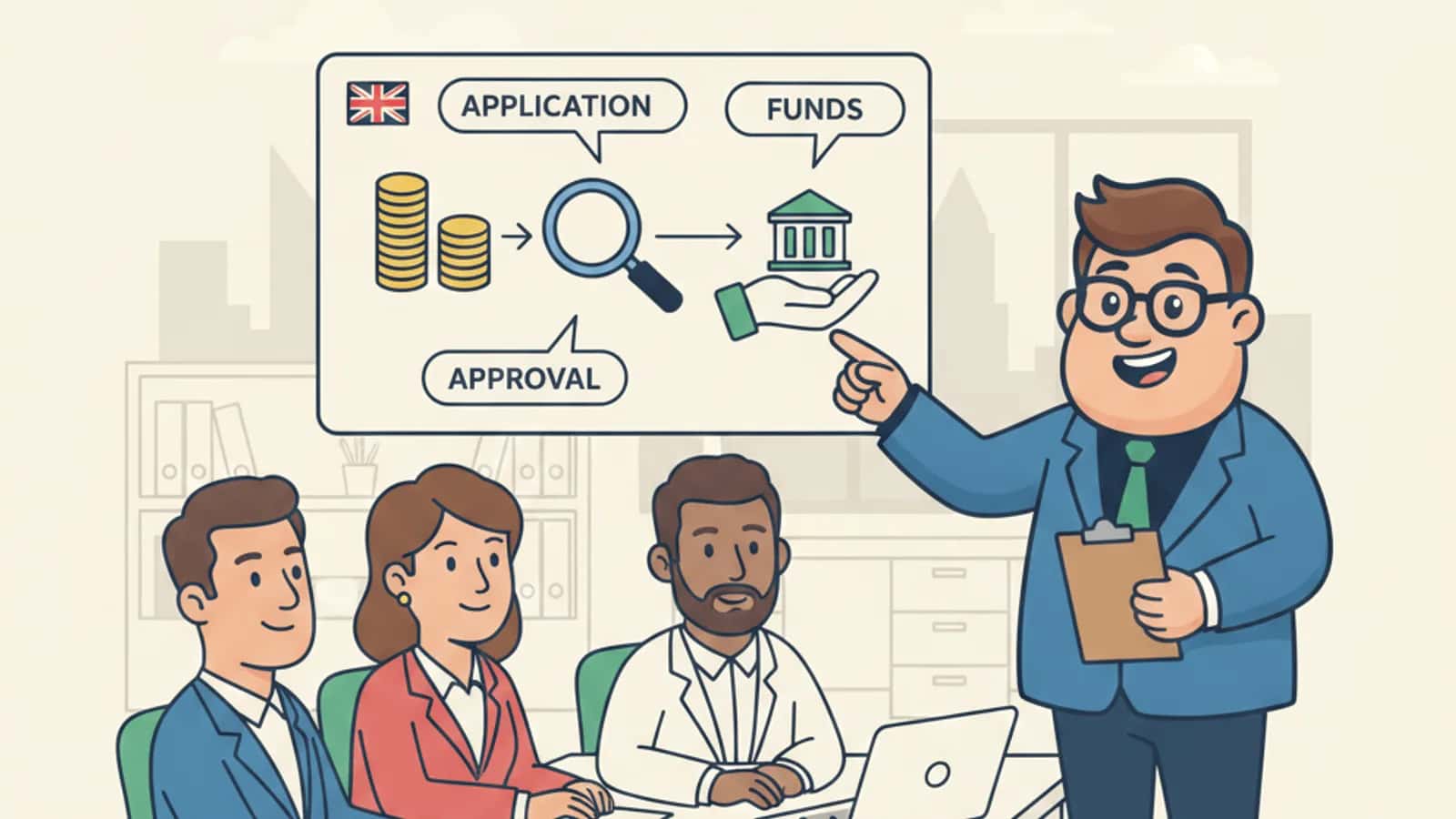
Why Do 90% of Small Businesses Fail? The Truth Behind UK Business Survival
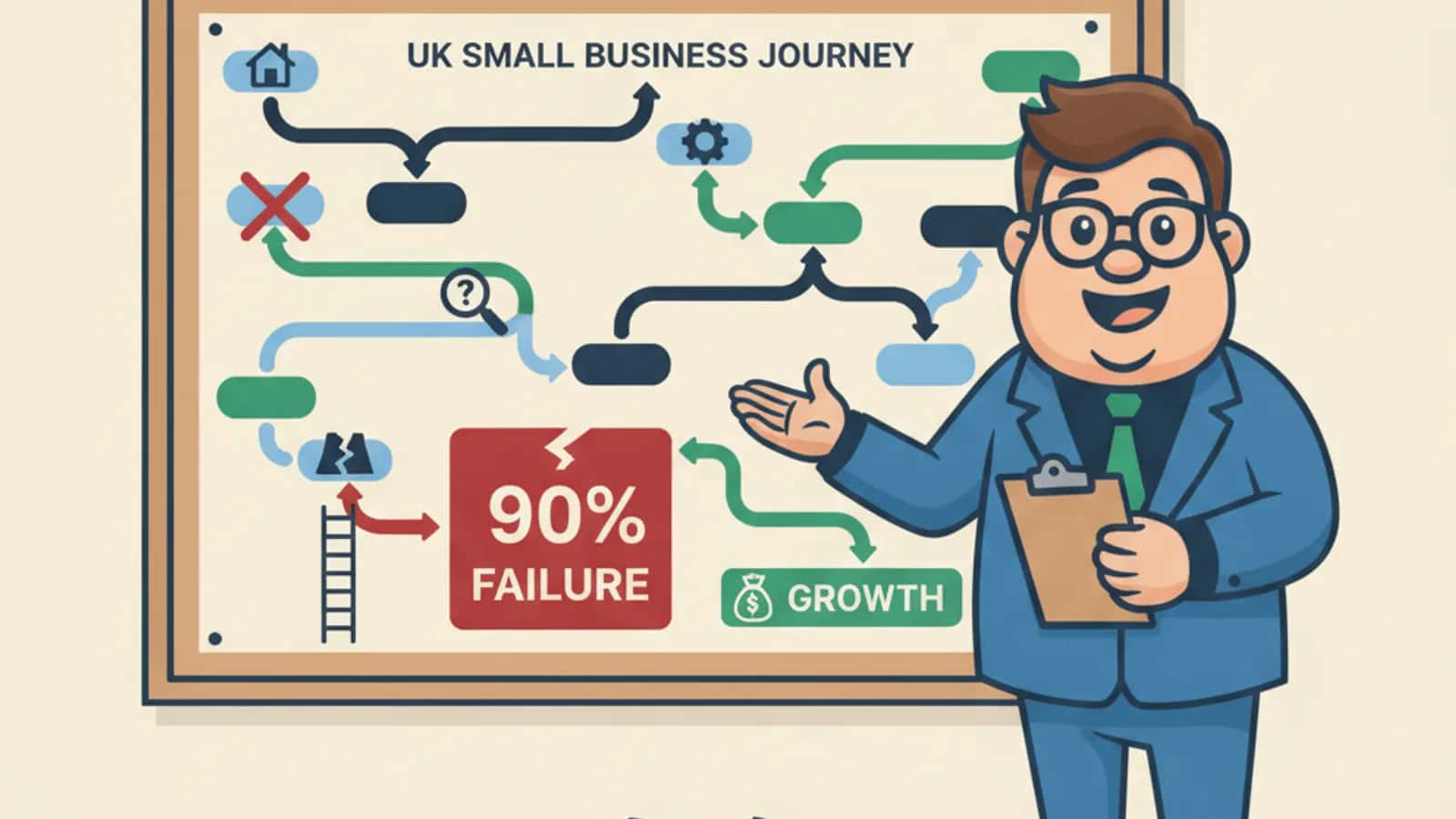
The 90% failure rate statistic is misleading. Most small businesses fail due to cash flow problems, lack of market demand, insufficient capital, and poor financial planning.
Quick answer
The 90% failure rate statistic is misleading. Most small businesses fail due to cash flow problems, lack of market demand, insufficient capital, and poor financial planning. With proper funding strategies and business planning, survival rates improve significantly.
Key takeaways
- Cash flow issues cause more business failures than any other single factor
- Most businesses need 6-18 months of operating expenses as working capital
- Market research prevents costly mistakes about customer demand
- Flexible funding options like merchant cash advances can bridge cash flow gaps
- Warning signs include declining sales, delayed payments, and rising costs
- Successful businesses focus on one profitable niche rather than trying to serve everyone
- Professional financial planning increases survival rates by over 60%
- Quick access to capital during growth phases prevents missed opportunities
- Regular financial health checks identify problems before they become critical
What Are the Top Reasons Small Businesses Go Bankrupt?
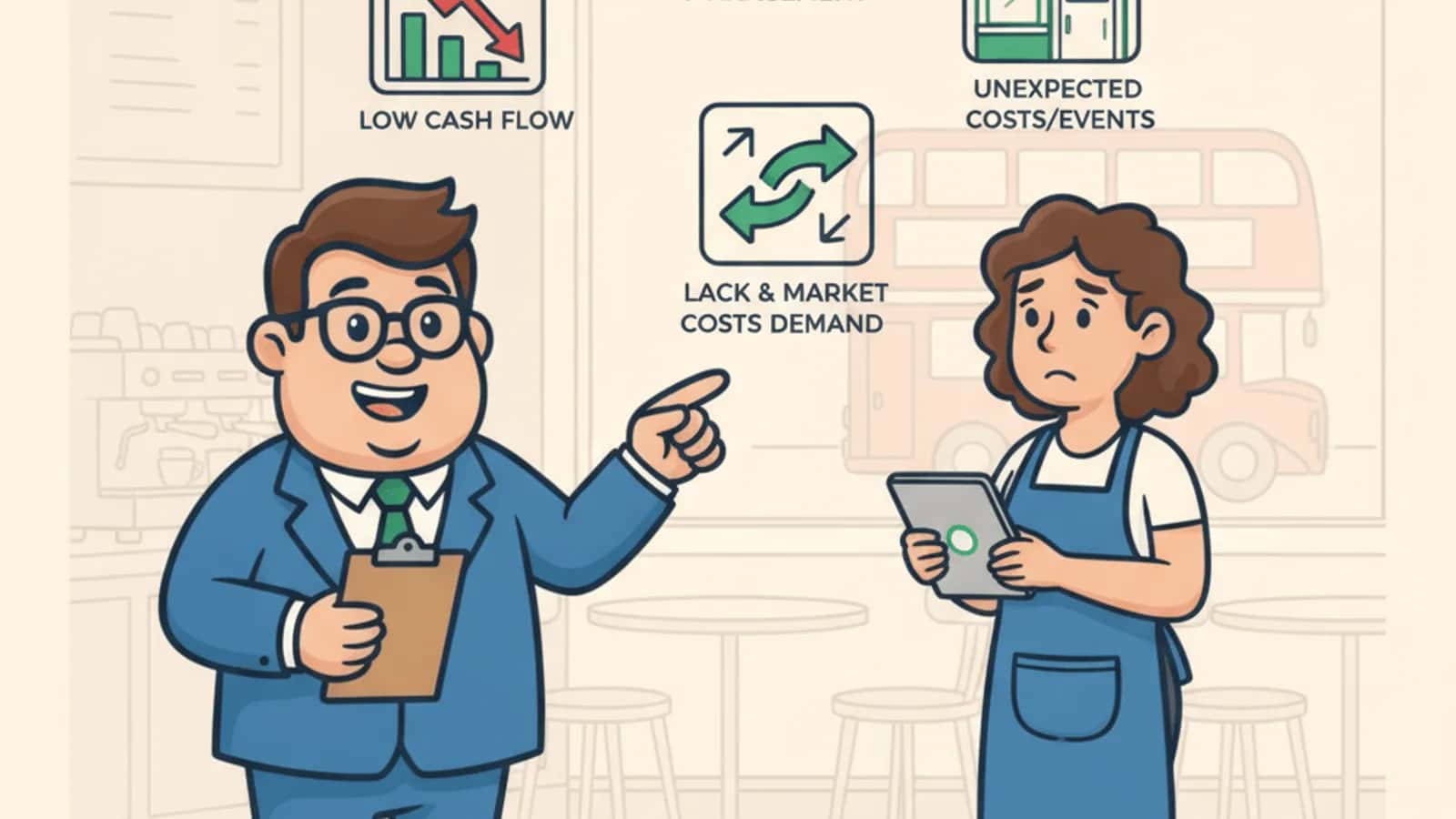
Cash flow problems destroy more UK businesses than any other factor. When customers pay late but suppliers demand immediate payment, even profitable businesses can collapse within weeks.
The five deadliest business killers are:
- 1
Cash Flow Crises
- Late customer payments create immediate pressure
- Seasonal businesses struggle during quiet periods
- Growth phases often require more working capital than expected
- 2
Insufficient Market Demand
- Building products nobody wants to buy
- Targeting markets that are too small or competitive
- Failing to validate customer needs before launch
- 3
Inadequate Startup Capital
- Underestimating true operating costs
- Running out of money before reaching profitability
- No buffer for unexpected expenses or opportunities
- 4
Poor Financial Management
- Mixing personal and business finances
- No regular financial health monitoring
- Pricing products below true costs
- 5
Leadership and Team Issues
- Founders lacking essential business skills
- Key person dependency without backup plans
- Poor hiring decisions that drain resources
How Long Does the Average Small Business Survive?

Most UK small businesses survive their first year, but the real test comes between years two and five. About 60% of businesses make it past year three, while 45% reach the five-year mark.
Survival rates by timeline:
80%
Year 1
70%
Year 2
60%
Year 3
45%
Year 5
35%
Year 10
Industry matters significantly. Professional services and healthcare businesses show higher survival rates than retail or hospitality ventures.
Funding approach impacts survival. Businesses with access to flexible funding options survive longer because they can adapt to changing conditions quickly.
The critical period is months 6-18 when initial enthusiasm fades and real business challenges emerge. This is when fast decision funding becomes essential for survival.
Can I Start a Business Without Failing?
Yes, but success requires preparation, adequate funding, and realistic expectations. Businesses that conduct proper market research and secure flexible funding have survival rates above 70%.
Success factors that matter most:
Market Validation First
- Test your concept with real customers before full launch
- Start small and scale based on proven demand
- Focus on solving genuine customer problems
Adequate Financial Cushion
- Secure 6-18 months of operating expenses
- Plan for revenue taking longer than expected
- Have funding ready for growth opportunities
Professional Support Network
- Accountant for financial planning and compliance
- Legal advisor for contracts and structure
- Mentor with relevant industry experience
Choose the right funding partner. Traditional banks often say no to new businesses or take months to decide. Modern platforms offer 2 min check eligibility and support all credit types.
What Mistakes Do New Entrepreneurs Typically Make?
New entrepreneurs consistently make five expensive mistakes that drain resources and increase failure risk. The biggest error is trying to serve everyone instead of focusing on one profitable niche.
The five costliest startup mistakes:
- 1
No Clear Target Market
- Trying to appeal to everyone appeals to no one
- Wasting marketing budget on wrong audiences
- Creating products that don't solve specific problems
- 2
Underpricing Products or Services
- Competing on price instead of value
- Failing to account for all true costs
- Not leaving margin for business growth
- 3
Perfectionism Before Launch
- Spending months perfecting products nobody wants
- Missing market opportunities while competitors advance
- Running out of money before generating revenue
- 4
Ignoring Cash Flow Management
- Not tracking money in versus money out
- Extending credit terms without checking customer reliability
- No plan for covering expenses during slow periods
- 5
Wrong Funding Choices
- Relying only on personal savings or family loans
- Choosing rigid funding that doesn't match business cycles
- Not securing credit facilities before needing them
How Much Money Do I Really Need to Start a Business?
Most UK businesses need between £10,000 and £50,000 to launch properly, but the real requirement depends on your industry and business model. Service businesses typically need less than product-based or retail ventures.
Startup costs breakdown:
Essential Expenses (Months 1-6)
- Business registration and legal setup: £500-£2,000
- Equipment and technology: £2,000-£15,000
- Initial marketing and branding: £1,000-£5,000
- Professional services (accounting, legal): £1,500-£3,000
- Insurance and licenses: £500-£2,000
Working Capital Requirements
- 3-6 months of operating expenses minimum
- Stock or inventory for product businesses
- Staff salaries before revenue covers costs
- Buffer for unexpected opportunities or problems
Industry-specific needs
- Restaurants: £40,000-£120,000 (equipment, fit-out, stock)
- E-commerce: £15,000-£60,000 (stock, website, marketing)
- Professional services: £5,000-£25,000 (equipment, marketing, premises)
- Retail stores: £30,000-£100,000 (stock, fit-out, deposits)
Funding strategy matters. Rather than depleting personal savings, consider unsecured loans that preserve your financial safety net. No hard check to start means exploring options without damaging your credit score.
Which Industries Have the Highest Small Business Survival Rates?
Professional services, healthcare, and technology businesses show the strongest survival rates, often exceeding 60% at the five-year mark. These industries typically require lower startup capital and have more predictable revenue streams.
High-survival industries:
Professional Services (70% five-year survival)
- Accounting and bookkeeping
- Legal services
- Business consulting
- Marketing agencies
Healthcare and Personal Care (65% survival)
- Dental practices
- Physiotherapy clinics
- Beauty and wellness services
- Home healthcare
Technology and Digital (60% survival)
- Software development
- Web design and development
- Digital marketing services
- Online education
Challenging industries with lower survival rates:
Hospitality and Food Service (35% survival)
- Restaurants and cafes
- Pubs and bars
- Catering services
- Food trucks
Retail (40% survival)
- Clothing stores
- General merchandise
- Specialty retail
- Pop-up shops
What Skills Do Successful Business Owners Have?
Successful business owners master financial management, sales, and strategic thinking before other skills. The ability to make quick decisions with incomplete information often determines survival during critical moments.
Essential skills for business success:
Financial Management
- Reading and understanding cash flow statements
- Pricing products and services profitably
- Managing working capital effectively
- Planning for tax obligations and compliance
Sales and Marketing
- Identifying and reaching target customers
- Converting prospects into paying customers
- Building long-term customer relationships
- Adapting marketing strategies based on results
Strategic Decision Making
- Prioritizing tasks that drive revenue
- Knowing when to pivot or persevere
- Managing risk while pursuing opportunities
- Building systems that work without constant oversight
Leadership and Communication
- Motivating team members and contractors
- Negotiating with suppliers and customers
- Communicating vision and expectations clearly
- Managing conflicts and difficult conversations
Adaptability and Learning
- Staying current with industry changes
- Learning from failures and mistakes
- Adopting new technologies and processes
- Seeking advice from experienced mentors
How Do I Prevent My Small Business From Failing?
Prevention starts with maintaining healthy cash flow and monitoring key business metrics weekly. Most failures happen gradually, then suddenly—regular health checks catch problems while they're still manageable.
Essential prevention strategies:
Cash Flow Management
- Monitor cash position weekly, not monthly
- Invoice immediately and follow up on late payments
- Negotiate payment terms that match your cash cycle
- Maintain credit facilities before you need them
Financial Health Monitoring
- Track gross profit margins by product or service
- Monitor customer acquisition costs versus lifetime value
- Watch for increasing expenses without corresponding revenue growth
- Review financial statements monthly with your accountant
Market Position Maintenance
- Stay connected with customer needs and feedback
- Monitor competitor activities and pricing
- Adapt products or services based on market changes
- Maintain strong relationships with key customers
Operational Efficiency
- Document important processes and procedures
- Cross-train team members on critical tasks
- Regularly review and optimize major expenses
- Invest in systems that reduce manual work
Strategic Planning
- Set realistic, measurable goals for each quarter
- Review progress monthly and adjust tactics
- Plan for seasonal variations in your industry
- Develop contingency plans for major risks
Funding preparedness: Arrange wide partner panel access through modern platforms. When opportunities arise, fast decision capability can mean the difference between growth and missed chances.
Are There Warning Signs My Business Might Be in Trouble?
Yes, and catching them early makes the difference between a temporary setback and business failure. The most dangerous warning sign is when you start delaying supplier payments to cover other expenses.
Critical warning signs:
Financial Red Flags
- Taking longer to collect customer payments
- Delaying supplier payments or negotiating extended terms
- Using credit cards or loans to cover operating expenses
- Declining gross profit margins month over month
Operational Warning Signs
- Key customers reducing orders or switching suppliers
- Difficulty attracting new customers despite marketing efforts
- Staff turnover increasing, especially among top performers
- Spending more time on administrative tasks than revenue generation
Market Indicators
- Competitors offering similar services at lower prices
- Industry trends moving away from your core offerings
- Customer complaints increasing or satisfaction scores declining
- Marketing efforts generating fewer leads than before
Personal Stress Signals
- Working longer hours but seeing worse results
- Avoiding financial reviews or planning sessions
- Feeling overwhelmed by daily operational demands
- Considering using personal assets to fund business operations
Action steps when warning signs appear:
- Check eligibility now for funding options while you still qualify
- Conduct honest financial review with professional advisor
- Identify which problems can be solved with capital injection
- Develop specific action plan with measurable milestones
What Funding Options Exist for Small Businesses?
UK small businesses have more funding choices in 2026 than ever before, from traditional bank loans to innovative merchant cash advances. The key is matching funding type to your business model and repayment capacity.
Modern Funding Solutions:
Unsecured Business Loans (£10,000-£120,000)
- No personal assets at risk
- Fixed monthly repayments
- Terms from 6 months to 5 years
- All credit types considered
Merchant Cash Advances
- Repayments based on card sales
- Perfect for seasonal businesses
- Fast access to working capital
- No fixed monthly payments
Invoice Finance
- Unlock cash from unpaid invoices
- Improve cash flow immediately
- Customers don't know you're using it
- Typically 80-90% of invoice value available
Asset-Based Lending
- Secured against business assets
- Lower interest rates
- Higher borrowing amounts
- Suitable for established businesses
Government-Backed Schemes
- Start Up Loans for new businesses
- Recovery Loan Scheme for established businesses
- Lower interest rates but slower approval
- Strict eligibility criteria
Traditional Banks vs Modern Platforms:
| Factor | Traditional Banks | Modern Platforms |
|---|---|---|
| Application time | 4-12 weeks | 24-48 hours |
| Credit requirements | Excellent only | Flexible criteria |
| Documentation | Extensive paperwork | Open Banking data |
| Decision speed | Weeks | 2 min check |
| Asset requirements | Often secured | Unsecured loans available |
Application time
- Traditional Banks
- 4-12 weeks
- Modern Platforms
- 24-48 hours
Credit requirements
- Traditional Banks
- Excellent only
- Modern Platforms
- Flexible criteria
Documentation
- Traditional Banks
- Extensive paperwork
- Modern Platforms
- Open Banking data
Decision speed
- Traditional Banks
- Weeks
- Modern Platforms
- 2 min check
Asset requirements
- Traditional Banks
- Often secured
- Modern Platforms
- Unsecured loans available
Choose based on your needs: Quick working capital for opportunities? Consider merchant cash advances. Predictable expansion funding? Unsecured loans work well. Large equipment purchases? Asset-based lending offers better rates.
How Much Personal Savings Should I Have Before Starting?
Keep 6-12 months of personal living expenses separate from business funding. This safety net prevents desperate decisions when business cash flow fluctuates during early growth phases.
Personal financial preparation:
Emergency Fund (Separate from Business)
- 6-12 months of personal living expenses
- Kept in easily accessible savings account
- Never used for business expenses
- Protects family finances during business startup phase
Business Funding Strategy
- Avoid depleting personal savings for business needs
- Use unsecured loans to preserve personal financial security
- Consider merchant cash advance for businesses with card payments
- Maintain clear separation between personal and business finances
Risk Management Approach
- Never risk more than you can afford to lose completely
- Avoid securing business loans against family home
- Keep personal credit separate from business credit
- Plan exit strategy before problems become critical
Income Bridge Planning
- Calculate how long business will take to replace personal income
- Plan for business income to be irregular initially
- Consider part-time consulting or employment during transition
- Budget for business to take 6-18 months longer than projected
Smart entrepreneurs use business funding for business needs and keep personal savings for personal security. This approach reduces stress and improves decision-making during challenging periods.
What Do Successful Small Business Owners Do Differently?
Successful business owners focus obsessively on cash flow and customer satisfaction while unsuccessful ones get distracted by less important activities. They also secure funding relationships before needing them, not during emergencies.
Key differences in successful business owners:
Financial Discipline
- Review cash position weekly, not monthly
- Price products based on true costs plus healthy margin
- Maintain credit facilities during good times
- Separate business and personal finances completely
Customer Focus
- Solve specific problems for defined target markets
- Regularly survey customers about satisfaction and needs
- Focus on customer lifetime value, not just initial sales
- Build systems for consistent service delivery
Strategic Thinking
- Work on the business, not just in the business
- Plan 3-6 months ahead consistently
- Make data-driven decisions rather than emotional ones
- Invest in systems and processes that scale
Proactive Problem Solving
- Address small problems before they become big ones
- Seek advice from mentors and advisors regularly
- Check eligibility now for funding before needing it
- Build relationships with key suppliers and partners
Efficient Operations
- Focus 80% of time on revenue-generating activities
- Delegate or automate routine tasks quickly
- Measure what matters and ignore vanity metrics
- Continuously improve most important processes
Funding Approach
- Use smart tech platforms for fast decisions
- Maintain relationships with multiple funding sources
- Match funding type to business cash flow patterns
- Never wait until desperate to arrange credit facilities
The biggest difference: Successful owners treat their business like a business, not a hobby. They make tough decisions quickly and focus relentlessly on profitability and growth.
Next steps for why do 90 of small business fail
Understanding why do 90% of small businesses fail reveals the myth behind this statistic and the real factors that determine success or failure. Cash flow problems, inadequate market research, and poor financial planning cause most business failures—not inevitable market forces.
The businesses that survive and thrive share common characteristics: they maintain healthy cash flow, focus on specific customer needs, and secure flexible funding before emergencies arise. They use smart tech solutions for fast decisions rather than waiting weeks for traditional bank approvals.
Your next steps:
- Check eligibility now for funding options while your business is healthy
- Conduct monthly financial health reviews with professional support
- Build relationships with customers and suppliers based on mutual value
- Arrange credit facilities through platforms offering flexible criteria
- Focus on profitable activities and delegate or eliminate everything else
Success isn't guaranteed, but it's achievable with proper preparation, adequate funding, and relentless focus on customer value. The key is taking action before problems become crises.
Don't wait until you're desperate for funding. Modern platforms offer 2 min check eligibility with no hard check to start. Whether you need unsecured loans for expansion or merchant cash advance for working capital, having options ready gives you the agility to capitalize on opportunities and weather temporary setbacks.
Your business doesn't have to become a failure statistic. With the right approach to funding, planning, and execution, you can join the successful minority that builds lasting, profitable enterprises.
Further reading
Frequently asked questions
What Are the Top Reasons Small Businesses Go Bankrupt?
Cash flow problems destroy more UK businesses than any other factor. When customers pay late but suppliers demand immediate payment, even profitable businesses can collapse within weeks.
How Long Does the Average Small Business Survive?
Most UK small businesses survive their first year, but the real test comes between years two and five. About 60% of businesses make it past year three, while 45% reach the five-year mark.
Can I Start a Business Without Failing?
Yes, but success requires preparation, adequate funding, and realistic expectations. Businesses that conduct proper market research and secure flexible funding have survival rates above 70%.
What Mistakes Do New Entrepreneurs Typically Make?
New entrepreneurs consistently make five expensive mistakes that drain resources and increase failure risk. The biggest error is trying to serve everyone instead of focusing on one profitable niche.
How Much Money Do I Really Need to Start a Business?
Most UK businesses need between £10,000 and £50,000 to launch properly, but the real requirement depends on your industry and business model. Service businesses typically need less than product-based or retail ventures.
Which Industries Have the Highest Small Business Survival Rates?
Professional services, healthcare, and technology businesses show the strongest survival rates, often exceeding 60% at the five-year mark. These industries typically require lower startup capital and have more predictable revenue streams.
Written by
The Funding Fred Editorial Team creates plain-English guides to help business owners understand funding options, eligibility, and application readiness before they compare finance options.
Reviewed by
UK business finance content reviewer
Robert reads our UK business finance guides before they go live, checking each one is accurate, easy to follow, and reflects how lending actually works today — not how a brochure says it should. He's listed on the FCA Register, approved as an SMF3 (AR) Executive Director at Switcha Limited, and connected to Lucky Growth Partners Ltd through its appointed representative relationship, so the regulated detail gets a properly qualified second read.