Why Was My Business Credit Card Application Declined? What to Do Next
A business credit card application gets declined because a provider found something in your business or personal credit profile, trading history, or application details that didn't meet their criteria.
Quick answer
A business credit card application gets declined because a provider found something in your business or personal credit profile, trading history, or application details that didn't meet their criteria. The fix depends on the specific reason, but in most cases you can address it, then either reapply or find a provider whose criteria better matches where your business is right now.
Key takeaways
- Declined applications usually come down to credit score issues, insufficient trading history, low turnover, or errors on the application
- A declined application from a hard-search lender can leave a mark on your credit file, but Funding Fred's initial eligibility check uses no hard search
- You can reapply, but waiting 3-6 months and fixing the underlying issue first gives you a much better chance
- Check both your business credit report and your personal credit report, providers often look at both
- Startups and businesses with thin credit histories have options, including secured business cards and specialist providers
- Errors on your business credit report are more common than most owners realise, and they're fixable
- Switching providers is often the right move: different lenders have different criteria, and a high street bank rejection doesn't close every door
What Are the Main Reasons Business Credit Card Applications Get Denied?
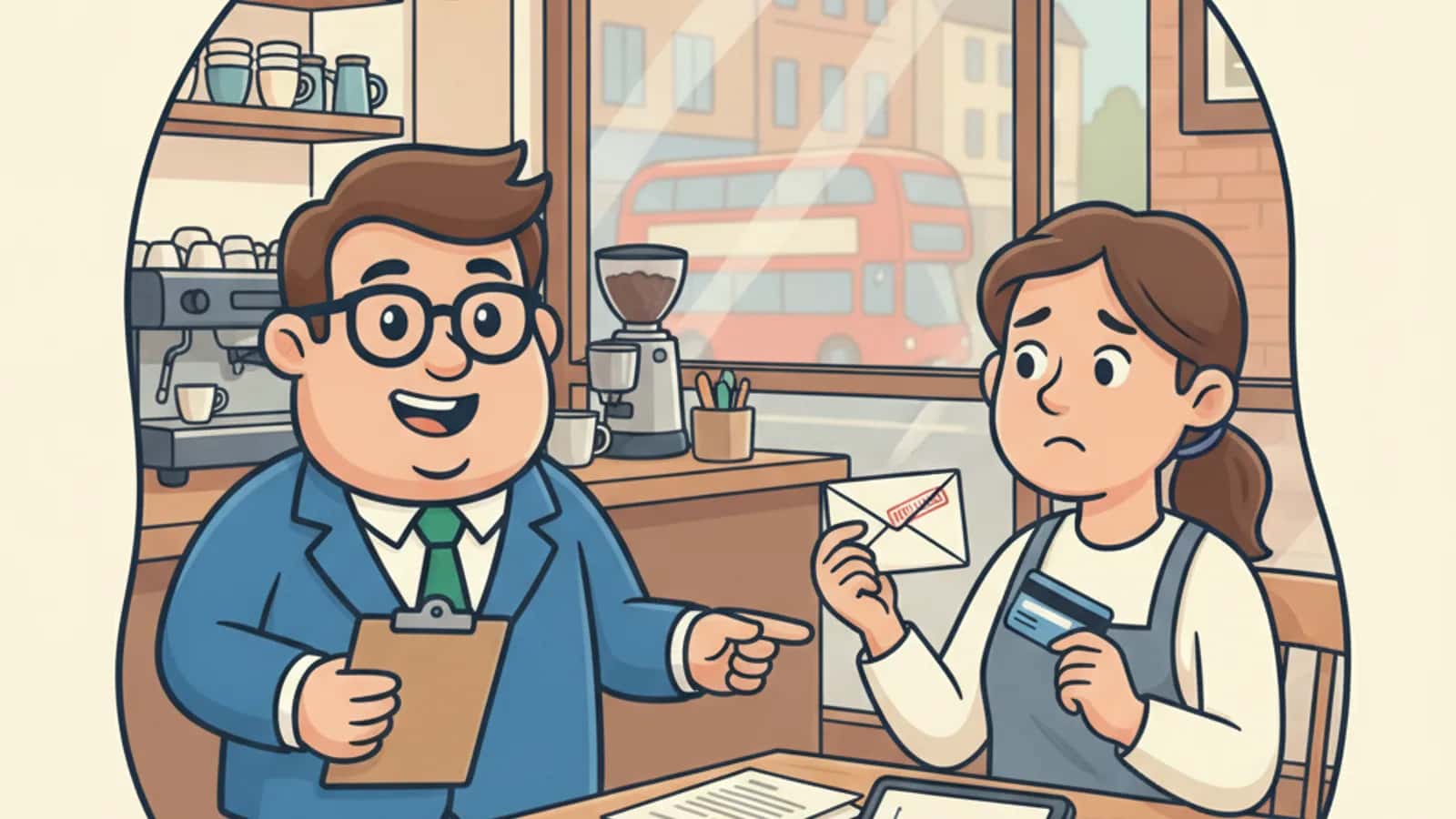
Providers decline business credit card applications when the business or its directors don't meet the lender's internal risk criteria. The most common reasons fall into a handful of categories, and knowing which one applies to you is the first step toward fixing it.
The most common reasons for a declined business credit card application
- Poor business credit score, late payments to suppliers, County Court Judgements (CCJs), or a thin credit file with no borrowing history
- Poor personal credit score, most UK card providers check the director's personal credit history, especially for smaller businesses. You can explore this further in what to know about business credit cards for bad credit.
- Trading history too short, many providers want at least 12-24 months of trading; some require 2+ years of filed accounts
- Turnover too low, if your revenue doesn't support the credit limit you've applied for, the application will likely fail
- High existing debt levels, too much outstanding borrowing relative to income raises the risk flag
- Errors or inconsistencies in the application, a mismatch between your application and what's on Companies House or your credit file
- Industry risk, some sectors (construction, hospitality, certain financial services) face tighter scrutiny
- Director disqualification or insolvency history, any past insolvency events will almost always trigger a decline
Most providers won't tell you exactly which reason triggered the decline. That's frustrating, but it means your best move is to check every factor systematically rather than guessing.
Does a Declined Business Credit Card Application Hurt My Credit?
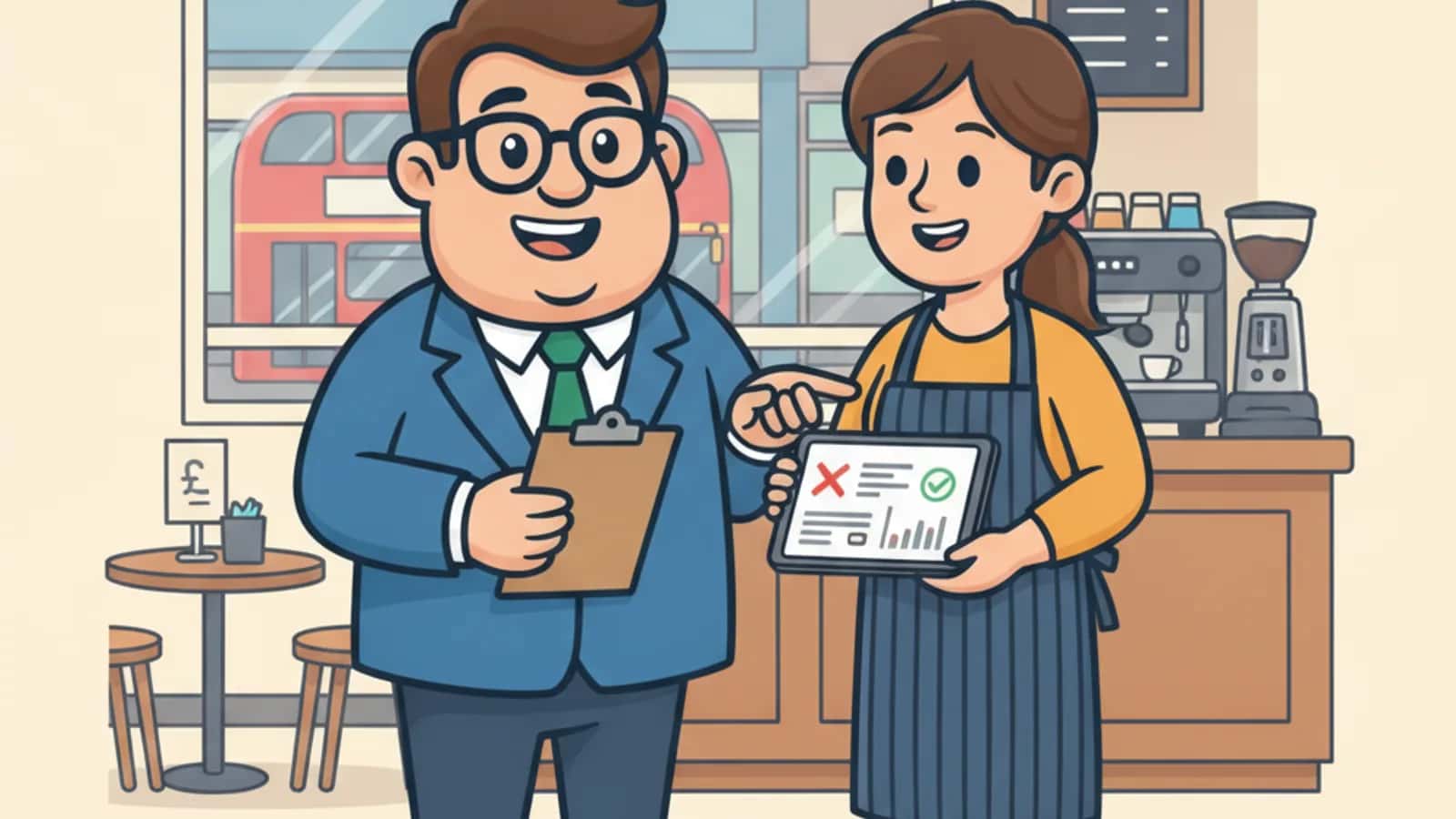
A declined application itself doesn't damage your credit score, but the hard credit search that triggered the decision does leave a footprint on your file. Each hard search is visible to other lenders for up to 12 months and can reduce your score slightly, particularly if multiple searches appear in a short window. For more detail, see our guide to soft searches for business credit cards.
This is why it matters how you approach your next application. Funding Fred's eligibility check runs with no hard search at the start, so you can see which providers are likely to approve you before anything touches your credit file. That's a meaningful difference from walking into a high street bank and applying blind. Read business credit card eligibility in the UK: the key points for the key considerations.
If you've already had one or two declines with hard searches, wait before applying again. Multiple hard searches in quick succession signal financial stress to lenders.
How Do I Check My Business Credit Score?
Your business credit score is held by credit reference agencies (CRAs) that specialise in commercial data. The main ones used by UK lenders are Experian Business, Equifax Business, and Creditsafe. Each scores businesses differently, so your score may vary across agencies.
How to check:
- Go directly to Experian Business, Equifax Business, or Creditsafe and request your business credit report
- Some providers offer a free basic report; full reports typically cost between £10 and £30 per month on a subscription
- Check your Companies House filing status, late or missing accounts affect your score automatically
- Look for CCJs registered against your business at the Registry Trust
For a fuller picture of what goes into your score and how lenders read it, the business credit score guide on Funding Fred covers the key factors in detail.
What Credit Score Do I Need for a Business Credit Card?
There's no single universal threshold. Each provider sets its own internal criteria, and they don't publish the exact numbers. As a general guide, a business credit score in the "good" or "above average" band at Experian or Creditsafe will clear most standard applications. Scores in the "fair" or "below average" range will struggle with mainstream lenders but may still qualify with specialist providers.
Your personal credit score matters too. Directors of limited companies and sole traders are typically assessed personally as well as commercially. A personal credit score below 600 (on Experian's 0-999 scale) will cause problems with most mainstream card providers.
Choose a specialist provider if
- Your business credit file is thin (under 2 years of history)
- Your personal score has historic defaults or CCJs that are now resolved
- Your turnover is under £100k and mainstream lenders have already said no
What Documents Do I Need for a Business Credit Card Application?
Most UK business credit card applications ask for less paperwork than a loan, but having the right information ready speeds up the process and reduces the chance of an avoidable decline.
Standard documents and information required
- Company registration number (for limited companies)
- Business bank account details
- Estimated annual turnover
- Director's personal details including date of birth, home address history, and National Insurance number
- Filed accounts or management accounts (for higher limit applications)
- Proof of business address if requested
For sole traders, the application typically uses your personal details and UTI/UTR number. If you're unsure what a UTR number is or where to find it, the UTR number explainer covers this clearly.
For higher credit limits (£50k+), some providers will also ask for bank statements covering the last 3-6 months. The documentation requirements for business credit products overlap significantly with loan applications, the guide to documents needed for a business loan application gives a useful parallel checklist.
What's the Difference Between Personal and Business Credit Card Requirements?
Personal credit cards assess you as an individual. Business credit cards assess both the business and its directors. This creates a more complex picture, and more ways for an application to fall short.
| Factor | Personal Credit Card | Business Credit Card |
|---|---|---|
| Credit check | Personal only | Business + personal (director) |
| Trading history | Not required | Often 12-24 months minimum |
| Turnover check | Not applicable | Usually required |
| Liability | Personal | Business (sometimes with personal guarantee) |
| Section 75 protection | Applies | Does NOT apply to business cards |
| Spend controls | Rarely offered | Available with many providers |
One important point on protection: Section 75 of the Consumer Credit Act does not apply to business credit cards. Some providers offer their own purchase protection or chargeback rights, but these are provider-specific and not a legal entitlement. Always check the card's terms before relying on any purchase protection.
How Long Should I Wait Before Applying Again, and Should I Try a Different Bank?
Wait at least 3 months before reapplying to the same provider. Applying again immediately, without fixing the underlying issue, almost always results in another decline, and another hard search on your file.
Trying a different provider is often the smarter move. High street banks tend to have the tightest criteria: longer trading history requirements, higher minimum turnover thresholds, and less flexibility on personal credit history. Specialist and challenger card providers often approve businesses that mainstream banks decline.
When to try a different provider immediately
- Your business finances are solid but the bank's criteria don't fit your profile (e.g. you've traded for 18 months and they want 24)
- Your personal credit score has an old issue that's now resolved
- You need a higher limit than your current bank will offer
When to wait and rebuild first
- You have an active CCJ or recent default
- Your business has missed payments to suppliers or HMRC in the last 12 months
- Multiple hard searches have appeared on your file in the last 3 months
If a bank decline has left you wondering about alternative routes to working capital, the comparison of business overdraft, line of credit, and loan options is worth reading alongside this.
How Can I Improve My Chances of Getting Approved for a Business Card?
The fastest improvements come from fixing the most visible risk signals before you apply. This isn't about gaming the system, it's about making sure your application reflects the actual health of your business.
Steps that make a real difference:
- File your accounts on time, late filings at Companies House reduce your credit score automatically
- Clear any outstanding CCJs, a satisfied CCJ is better than an open one; both are visible, but open CCJs are a near-automatic decline trigger
- Reduce your credit utilisation, if existing cards or facilities are near their limits, pay them down before applying
- Register your business correctly, make sure your address, director details, and SIC code are accurate and current at Companies House
- Build a credit footprint, if your business has never borrowed, consider a small credit facility or trade credit account to establish a history
- Check your personal credit file, use Experian, Equifax, or TransUnion to check for errors or outdated negative entries
The small business financial health masterclass covers the broader picture of keeping your business finances in shape for credit applications.
How Do I Dispute Errors on My Business Credit Report?
Errors on business credit reports are more common than most directors realise. A wrong address, an incorrectly recorded CCJ, or a payment default that was actually settled can all drag your score down unfairly.
How to raise a dispute:
- Get your full business credit report from the relevant CRA (Experian Business, Equifax Business, or Creditsafe)
- Identify the specific entry you're disputing, note the date, creditor name, and the error
- Contact the CRA directly using their formal dispute process (each has an online form or written process)
- If the error relates to a specific creditor's data, contact that creditor directly and ask them to update the information with the CRA
- The CRA must investigate and respond, typically within 28 days
- If the CRA doesn't resolve it, you can escalate to the Information Commissioner's Office (ICO)
Keep records of all correspondence. If a lender has declined you based on inaccurate data, you can also request that the lender reconsiders once the error is corrected.
Are There Business Credit Cards for Startups or Businesses With No Credit History?
Yes, but the options are narrower, and the limits will be lower to start. A startup with no credit history isn't automatically locked out of business credit. Several specialist providers and fintech card issuers in the UK work with businesses that have been trading for less than 12 months or have no commercial credit footprint yet.
What changes for startups:
- Limits are typically lower (£1k-£5k to start)
- Personal credit history carries more weight in the decision
- Some providers require a personal guarantee from the director
- Secured cards (see below) become a more realistic route
If you're a new business exploring your options more broadly, the business loan for startups guide covers the full range of early-stage credit products available in the UK.
Can I Get a Secured Business Credit Card Instead?
A secured business credit card requires you to deposit funds as collateral, the credit limit is typically set at or near the deposit amount. It's not the most capital-efficient option, but it serves a clear purpose: building a business credit history when you can't get an unsecured card.
Secured cards work well if
- Your business is new and has no credit file
- You've had a previous insolvency and need to rebuild
- You want a guaranteed approval path while your score recovers
The trade-off: Your cash is tied up as security, which reduces your working capital. Once you've built 6-12 months of clean payment history on a secured card, you're in a much stronger position to apply for an unsecured card with a higher limit.
For businesses that need working capital access without tying up cash, it's also worth looking at invoice financing options for businesses with poor credit history as a parallel route.
Next steps for why was my business credit card application declined what to do next
A declined business credit card application is a setback, not a dead end. Most declines come down to a handful of fixable issues: credit score, trading history, documentation gaps, or simply applying to the wrong provider for your current profile.
The practical next steps are straightforward. Check your business and personal credit reports. Fix any errors. Address the most visible risk signals, late filings, open CCJs, high utilisation. Then approach the market properly, starting with an eligibility check that doesn't touch your credit file.
High street banks have the tightest criteria and the slowest decisions. A panel of leading card providers gives you more options, faster, with limits from £1k to £250k+, virtual cards, employee cards, cashback, and up to 56 days interest-free.
Business Credit Cards. Without the Fuss. Run a 2-minute eligibility check at Funding Fred, no hard check to start, no obligation, and see which providers match your business today.
Frequently asked questions
What Are the Main Reasons Business Credit Card Applications Get Denied?
Providers decline business credit card applications when the business or its directors don't meet the lender's internal risk criteria. The most common reasons fall into a handful of categories, and knowing which one applies to you is the first step toward fixing it.
Does a Declined Business Credit Card Application Hurt My Credit?
A declined application itself doesn't damage your credit score, but the hard credit search that triggered the decision does leave a footprint on your file. Each hard search is visible to other lenders for up to 12 months and can reduce your score slightly, particularly if multiple searches appear in a short window. For more detail, see our guide to soft searches for business credit cards.
How Do I Check My Business Credit Score?
Your business credit score is held by credit reference agencies (CRAs) that specialise in commercial data. The main ones used by UK lenders are Experian Business, Equifax Business, and Creditsafe. Each scores businesses differently, so your score may vary across agencies.
What Credit Score Do I Need for a Business Credit Card?
There's no single universal threshold. Each provider sets its own internal criteria, and they don't publish the exact numbers. As a general guide, a business credit score in the "good" or "above average" band at Experian or Creditsafe will clear most standard applications. Scores in the "fair" or "below average" range will struggle with mainstream lenders but may still qualify with specialist providers.
What Documents Do I Need for a Business Credit Card Application?
Most UK business credit card applications ask for less paperwork than a loan, but having the right information ready speeds up the process and reduces the chance of an avoidable decline.
What's the Difference Between Personal and Business Credit Card Requirements?
Personal credit cards assess you as an individual. Business credit cards assess both the business and its directors. This creates a more complex picture, and more ways for an application to fall short.
Written by
The Funding Fred Editorial Team creates plain-English guides to help business owners understand funding options, eligibility, and application readiness before they compare finance options.
Reviewed by
UK business finance content reviewer
Robert reads our UK business finance guides before they go live, checking each one is accurate, easy to follow, and reflects how lending actually works today — not how a brochure says it should. He's listed on the FCA Register, approved as an SMF3 (AR) Executive Director at Switcha Limited, and connected to Lucky Growth Partners Ltd through its appointed representative relationship, so the regulated detail gets a properly qualified second read.