
Business Loans. Without the Fuss.
Compare business loans by cost, eligibility, repayment, and speed — plain-English guides to help you choose the right lender and apply with confidence.
Business loans explained
Use these guides to compare business loan options by cost, eligibility, repayment structure, speed, and lender fit before you apply — so you walk into a funding decision already knowing the answers.
What to compare before you borrow
Total cost of borrowing
Look past the headline rate at the APR, arrangement fees, and the total amount repayable over the full term.
Repayment structure
Fixed monthly payments, a share of card takings, or a flexible facility — match it to how your revenue actually arrives.
Eligibility & trading history
Most lenders weigh time trading, turnover, and credit profile. Knowing yours up front avoids wasted applications.
Speed to funding
Some lenders pay out in 24–48 hours, others take weeks. If timing matters, prioritise lenders built for speed.
Security & guarantees
Check whether the loan is secured against assets or needs a personal guarantee before you commit.
Early repayment terms
If you might clear the balance early, confirm whether there are exit fees or interest savings.
Latest guides

Business Credit Score: The UK SME Owner's Guide to Better Funding Options
A business credit score measures your company's creditworthiness on a scale from 0-100, directly affecting loan approval rates and interest costs. Unlike personal credit, it tracks payment history with suppliers, outstanding debts, and company financial stability.
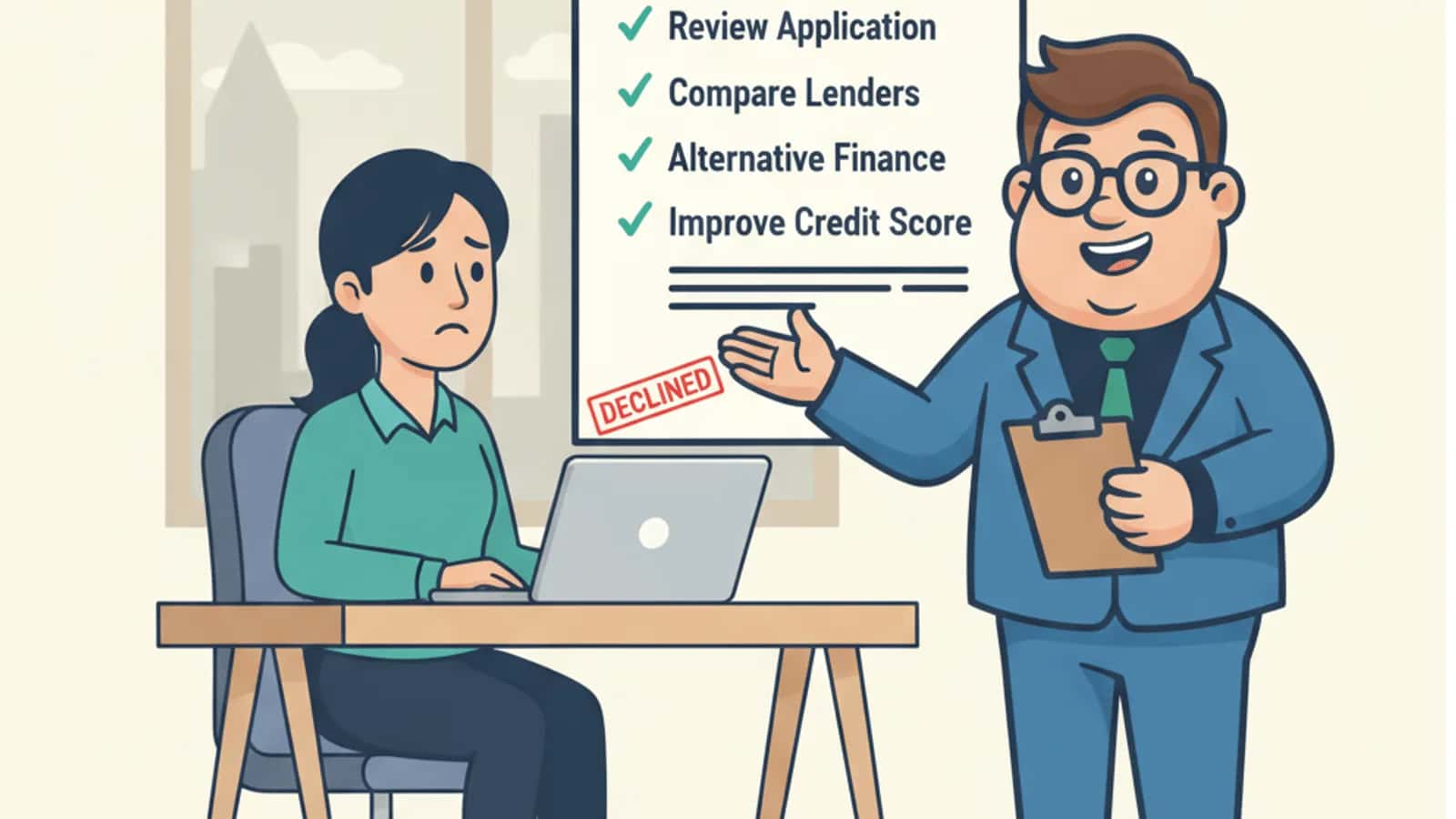
Business Loan Declined: What to Do Next
When your business loan gets declined, request the specific rejection reasons from the lender, review your credit reports for errors, and consider alternative funding sources like online lenders or merchant cash advances.

Business Loan for Startups: The Complete UK Guide for 2026
A business loan for startups is a form of finance that gives new businesses a lump sum of capital, repaid over an agreed term with interest. In 2026, UK startups have more options than ever, from traditional bank loans to unsecured loans and merchant cash advances, many of which don't require years of trading history or a perfect credit score.

Can a New Company Get a Business Loan? Your Complete Guide to Startup Funding in 2026
Yes, new companies can get business loans, but approval depends on your personal credit score, business plan strength, and collateral availability. Most traditional banks require 18-24 months of trading history, while alternative lenders like Funding Fred offer Unsecured Loans to startups with flexible criteria and Fast Decision processes.

Cash Flow Business Loans: Fast UK Funding for Working Capital Gaps
Cash flow business loans are unsecured funding solutions designed to bridge temporary gaps in your working capital, typically ranging from £40,000 to £120,000 for UK SMEs.

Different Type of Business Loans Available in UK: Fast Funding Options for 2026
The different type of business loans available in UK range from traditional bank term loans requiring perfect credit to fast unsecured loans and merchant cash advances that approve within hours. Modern funding platforms now offer flexible criteria and smart tech solutions, while government-backed schemes provide lower-cost options for established businesses.
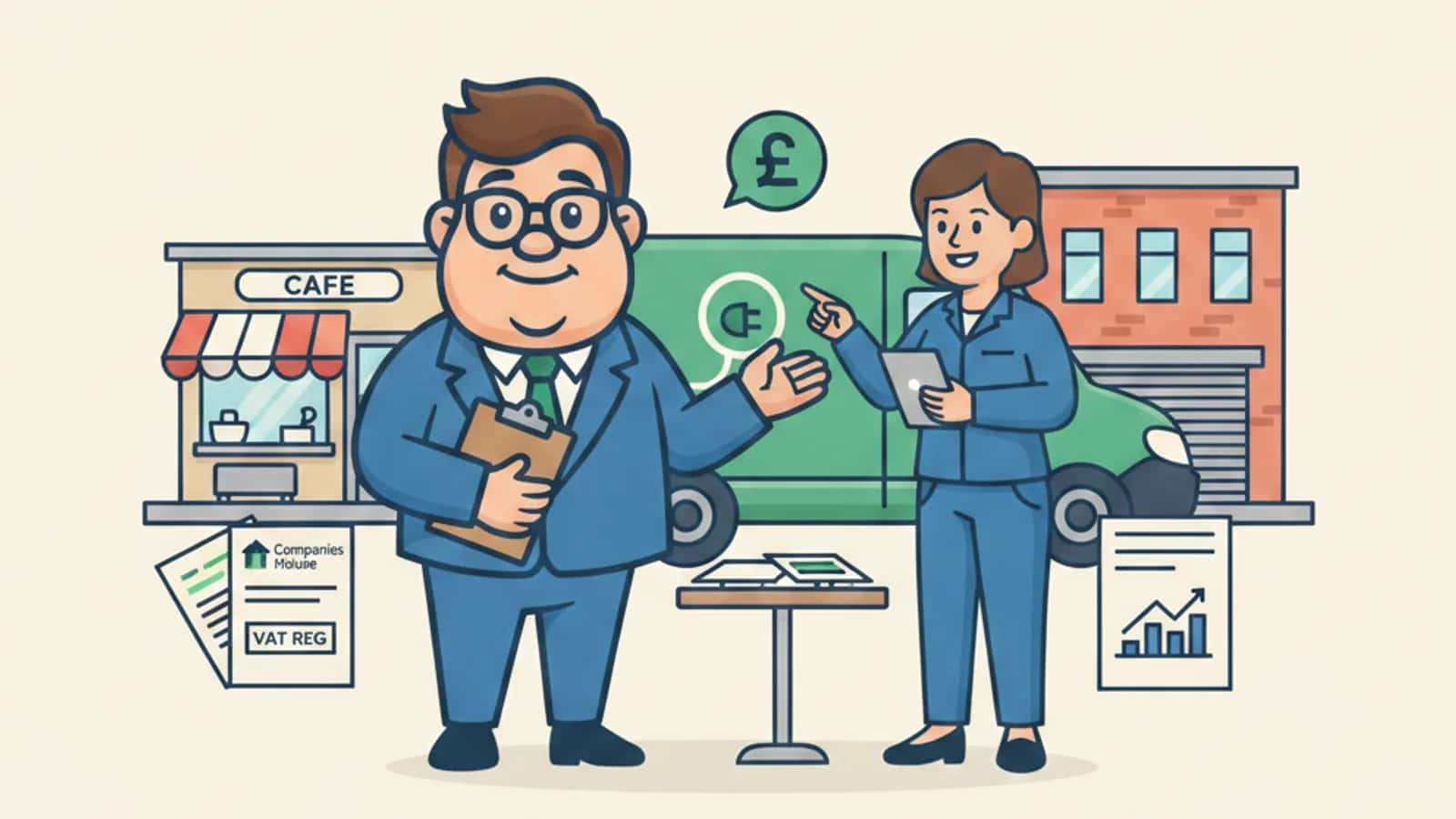
Electric Van Loan Scheme for UK Businesses: What You Need to Know
The Energy Saving Trust runs an interest-free electric van loan scheme for UK businesses in England, helping companies buy electric vans for commercial use with no fixed application deadline. Separately, the government's Zero Emission Van Grant cuts up to £5,000 off the purchase price at the dealership.

Franchise Business Loans UK: Fast Funding for Your Franchise in 2026
Franchise business loans in the UK range from £10,000 to £1 million with flexible repayment terms designed around your trading performance. Unlike traditional banks that focus on credit history, modern lenders assess your franchise's cash flow potential and the proven business model behind your investment.

How Much Money Can I Borrow to Start a Business: UK Startup Funding Guide
UK entrepreneurs can typically borrow £10,000 to £500,000 for startup funding, depending on their credit score, business plan strength, and chosen funding type. Unsecured business loans offer £10,000-£120,000 without collateral, while secured loans can reach £500,000+ but require assets as security.
Business Loans questions
The important details before you check eligibility.
What should a business compare before choosing a loan?
Compare total repayment cost, repayment frequency, eligibility criteria, security requirements, application speed, and whether the loan fits the way the business earns revenue.
How much can a business typically borrow?
Loan sizes vary widely by lender and depend on turnover, trading history, and affordability. Facilities commonly range from a few thousand to several hundred thousand pounds, with larger amounts available to established businesses.
Do I need to be a homeowner to get a business loan?
Not always. Some lenders ask for a personal guarantee that can take homeownership into account, but many business loans don't require you to own property.
Will checking my options affect my credit score?
An initial eligibility check is often a soft search that doesn't affect your score. A full application may involve a hard credit check, so confirm with the lender before you proceed.
How quickly can the money arrive?
It depends on the lender and how ready your paperwork is. Some online lenders approve and fund within a day or two, while traditional lenders can take longer.
Are business loan requirements the same in every market?
No. Eligibility, terminology, credit checks, and lender expectations vary by market, so each Funding Fred guide is written for the relevant country.
Ready when you are
Explore business funding options
Start a short eligibility check and compare selected business funding options. It only takes about 2 minutes, with no hard credit check to start.