
Business Loans. Without the Fuss.
Compare business loans by cost, eligibility, repayment, and speed — plain-English guides to help you choose the right lender and apply with confidence.
Business loans explained
Use these guides to compare business loan options by cost, eligibility, repayment structure, speed, and lender fit before you apply — so you walk into a funding decision already knowing the answers.
What to compare before you borrow
Total cost of borrowing
Look past the headline rate at the APR, arrangement fees, and the total amount repayable over the full term.
Repayment structure
Fixed monthly payments, a share of card takings, or a flexible facility — match it to how your revenue actually arrives.
Eligibility & trading history
Most lenders weigh time trading, turnover, and credit profile. Knowing yours up front avoids wasted applications.
Speed to funding
Some lenders pay out in 24–48 hours, others take weeks. If timing matters, prioritise lenders built for speed.
Security & guarantees
Check whether the loan is secured against assets or needs a personal guarantee before you commit.
Early repayment terms
If you might clear the balance early, confirm whether there are exit fees or interest savings.
Latest guides

How to Get a Business Loan in 2026: The Complete UK Guide
To get a business loan, you need to assess how much funding you need, check your credit profile, gather key documents (bank statements, tax returns, business accounts), and apply with a lender that matches your business type and financial situation.
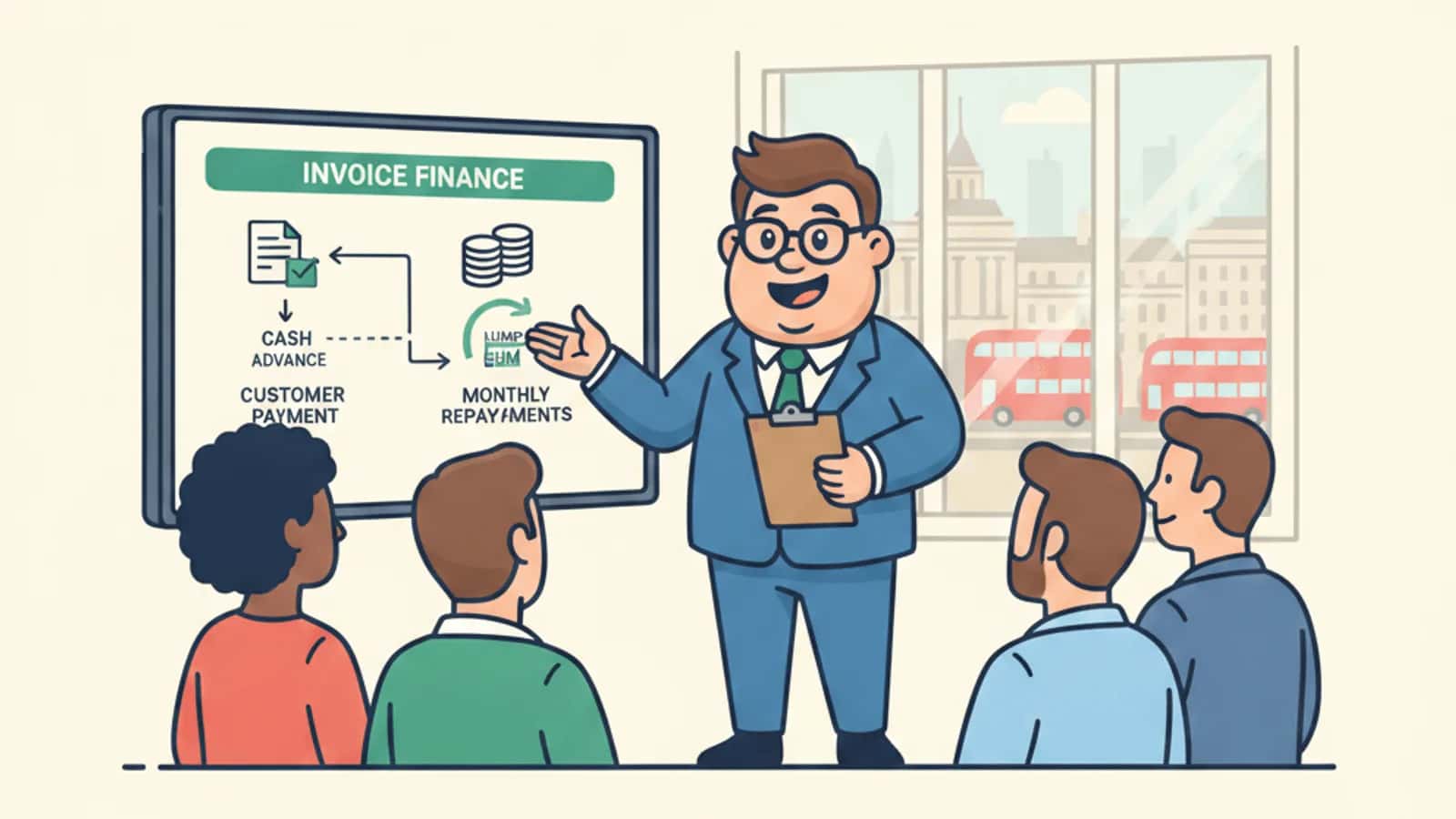
Invoice Finance vs Business Loans: Which Funding Option Fits Your Business in 2026
Invoice finance lets you borrow against unpaid invoices and get cash within 24-48 hours, while business loans provide a lump sum with fixed monthly repayments over several years.

No Personal Guarantee Business Loans: Fast Funding Without Risking Personal Assets
Banks demand personal guarantees on 59% of small business loans, putting your house and savings at risk. No personal guarantee business loans protect your personal assets while providing the capital your business needs.

Personal Guarantees on Business Loans: What UK Business Owners Need to Know in 2026
A personal guarantee on a business loan makes you personally liable for the debt if your company defaults. Most traditional banks require unlimited personal guarantees, putting your home, savings, and personal assets at risk.

Secured Business Loans UK: Complete Guide to Asset-Backed Funding in 2026
Secured business loans in the UK require collateral (typically property, equipment, or vehicles) in exchange for lower interest rates and higher borrowing limits. Interest rates range from 3-8% APR compared to 10-50% for unsecured options, with loan amounts from £10,000 to £500,000 available.

Unsecured Business Loans: Fast Funding Without Personal Assets at Risk
Unsecured business loans provide funding from £10,000 to £500,000 without requiring collateral like property or equipment. UK lenders assess your business cash flow, credit history, and trading record instead of demanding personal guarantees.

What Documents Do I Need to Apply for a Business Loan: Complete UK Guide 2026
Most UK business loan applications require three core document categories: financial records (profit & loss statements, bank statements from the last 12-24 months), business registration documents (Companies House filing, VAT registration), and personal identification for directors or sole proprietors.

What is a UTR Number: Complete UK Business Guide 2026
A UTR (Unique Taxpayer Reference) is a 10-digit number issued by HMRC to identify taxpayers in the UK tax system. Every business owner, sole trader, and self-employed individual needs this number to file tax returns, contact HMRC, and stay compliant with UK tax law.

Working Capital Ratio: The Key Financial Metric Every UK Business Owner Must Track
The working capital ratio measures your business's ability to pay short-term debts using current assets. Calculate it by dividing current assets by current liabilities - a ratio between 1.2 and 2.0 typically signals healthy cash flow management.
Business Loans questions
The important details before you check eligibility.
What should a business compare before choosing a loan?
Compare total repayment cost, repayment frequency, eligibility criteria, security requirements, application speed, and whether the loan fits the way the business earns revenue.
How much can a business typically borrow?
Loan sizes vary widely by lender and depend on turnover, trading history, and affordability. Facilities commonly range from a few thousand to several hundred thousand pounds, with larger amounts available to established businesses.
Do I need to be a homeowner to get a business loan?
Not always. Some lenders ask for a personal guarantee that can take homeownership into account, but many business loans don't require you to own property.
Will checking my options affect my credit score?
An initial eligibility check is often a soft search that doesn't affect your score. A full application may involve a hard credit check, so confirm with the lender before you proceed.
How quickly can the money arrive?
It depends on the lender and how ready your paperwork is. Some online lenders approve and fund within a day or two, while traditional lenders can take longer.
Are business loan requirements the same in every market?
No. Eligibility, terminology, credit checks, and lender expectations vary by market, so each Funding Fred guide is written for the relevant country.
Ready when you are
Explore business funding options
Start a short eligibility check and compare selected business funding options. It only takes about 2 minutes, with no hard credit check to start.