Green Business Loans: Sustainable Funding 2026
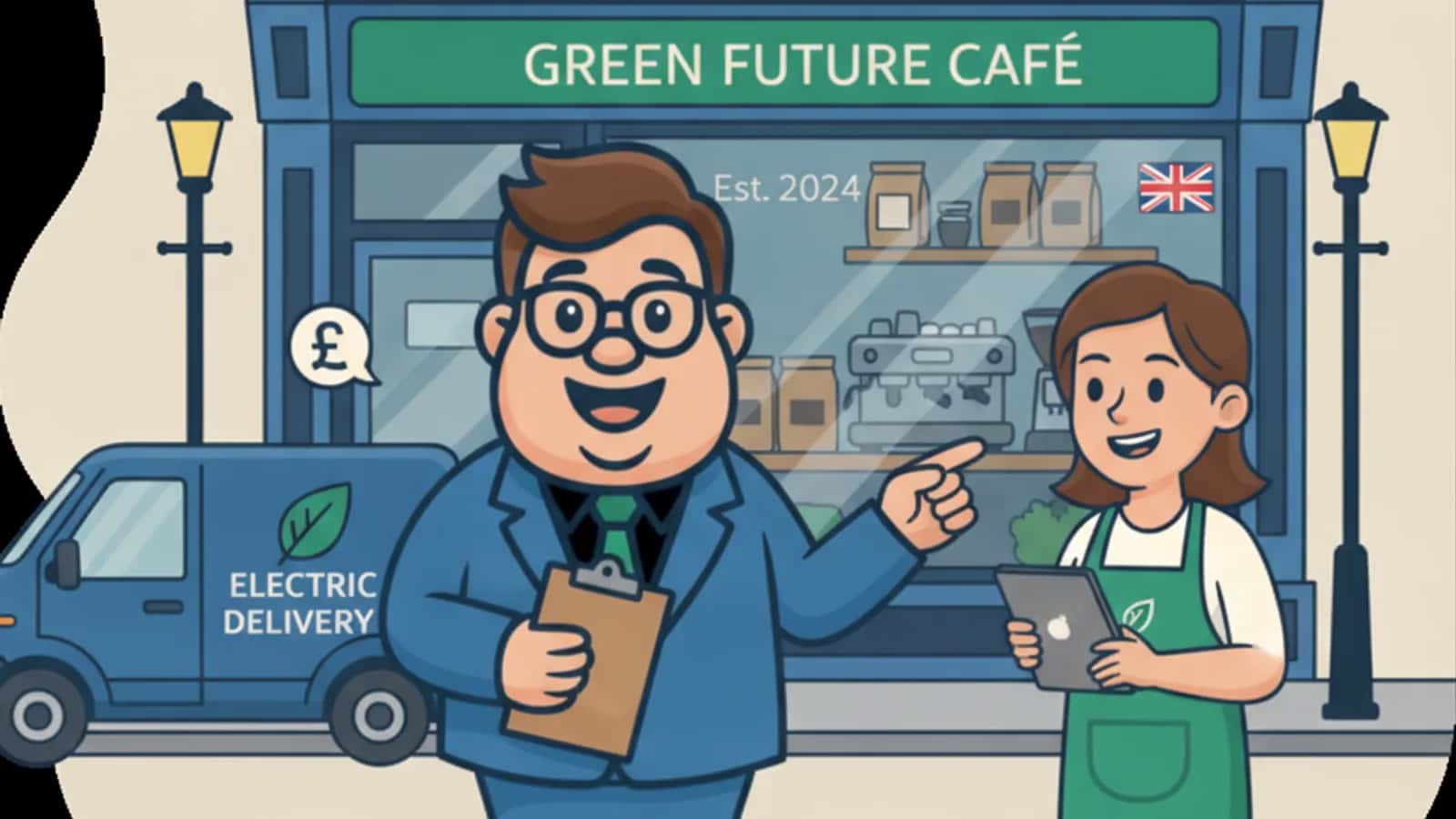
Green business loans are financing products designed specifically for businesses investing in environmentally sustainable projects, from solar panels and energy-efficient equipment to electric vehicle fleets and eco-friendly premises.
Quick answer
Green business loans are financing products designed specifically for businesses investing in environmentally sustainable projects, from solar panels and energy-efficient equipment to electric vehicle fleets and eco-friendly premises. In 2026, sustainable syndicated loan issuance has already reached record levels globally, with the market having grown 13-fold since 2015. UK small businesses can access green loans through high street banks, specialist lenders, and government-backed schemes, often at discounted rates compared to standard business finance.
Key takeaways
- Green business loans fund eco-friendly projects such as renewable energy, energy efficiency upgrades, sustainable transport, and green building improvements
- Lenders typically offer preferential interest rates or fee reductions as an incentive for verified green spending
- UK businesses can access green loans through banks like Lloyds, specialist green lenders, and government-backed schemes
- Eligibility usually depends on the environmental purpose of the funds, not just credit history, making them accessible to a wider range of businesses
- Sustainability-linked loans tie your interest rate to measurable environmental targets, rewarding you for hitting them
- Nonprofits, social enterprises, and startups can qualify, though criteria vary by lender
- The approval process can range from a few days to several weeks depending on the lender and loan size
- Common mistakes include vague green project descriptions, missing environmental documentation, and underestimating total project costs
- Government incentives, grants, and tax reliefs can stack alongside green loans to reduce overall borrowing costs
- If a green project underperforms, most lenders treat it like standard loan default, though some sustainability-linked loans carry rate adjustments rather than penalties
What Exactly Are Green Business Loans

Green business loans are a category of business finance where the funds must be used for environmentally beneficial purposes. Unlike a standard business loan where you can spend freely, green loans come with a defined use-of-proceeds requirement: the money goes toward specific sustainable activities, and lenders may ask for evidence that it has.
The core categories typically covered include:
- Renewable energy
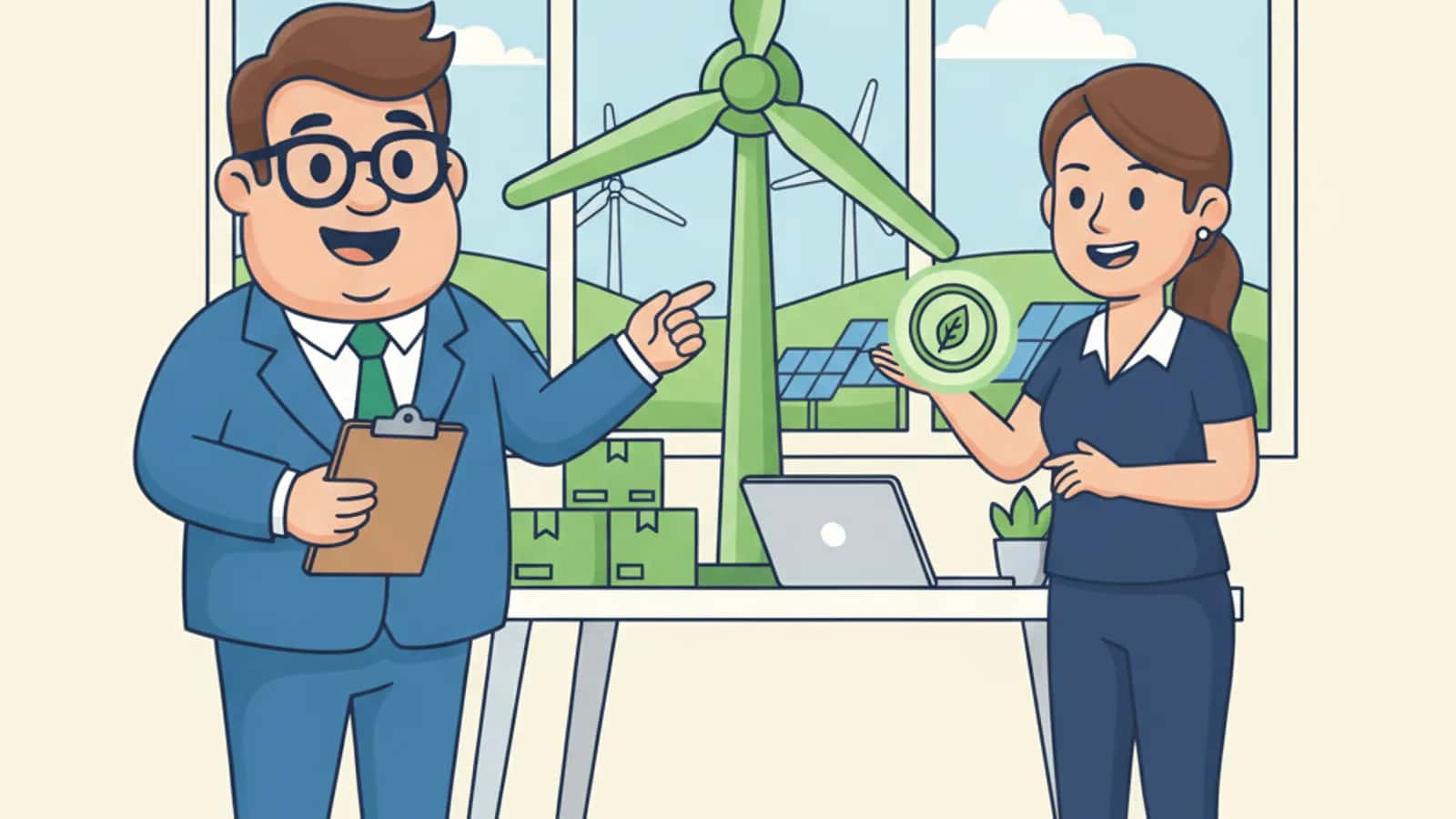
- Solar panels, wind turbines, heat pumps, and biomass systems
- Energy efficiency
- LED lighting upgrades, insulation, smart energy management systems
- Sustainable transport
- Electric vehicles, EV charging infrastructure, low-emission fleet upgrades
- Green buildings
- Eco-certified construction, retrofitting older premises to higher energy ratings
- Sustainable agriculture
- Regenerative farming practices, water efficiency systems, organic transitions
- Waste reduction
- Recycling infrastructure, circular economy processes
There are two main structures worth knowing. A green loan restricts how funds are spent and requires reporting on environmental outcomes. A sustainability-linked loan (SLL) does not restrict spending but ties the interest rate to hitting pre-agreed sustainability targets, such as reducing carbon emissions by a set percentage. Miss the target and the rate goes up. Hit it and you pay less.
For UK small businesses, the distinction matters because green loans suit businesses with a specific eco project in mind, while SLLs suit those with broader sustainability ambitions across their whole operation.
How Do Green Loans Differ from Traditional Business Financing

The key difference is purpose and pricing. A traditional business loan hands you capital with minimal restrictions on how it is spent. A green business loan attaches conditions to that capital, directing it toward environmental outcomes, and often rewards you with a lower rate for doing so.
Here is a direct comparison:
| Feature | Traditional Business Loan | Green Business Loan |
|---|---|---|
| Use of funds | Unrestricted | Must be green-eligible |
| Interest rate | Standard market rate | Often discounted for verified green use |
| Documentation | Financial statements, credit history | Plus: environmental project details, certifications |
| Reporting | Financial only | May include environmental impact reporting |
| Government incentives | Limited | Often stackable with grants and tax reliefs |
| Approval complexity | Standard | Slightly higher due to green criteria |
Lloyds Bank's Clean Growth Financing Initiative, for example, offers discounted lending specifically for energy-efficient buildings, lower-carbon transport, and renewable energy projects, setting it apart from their standard commercial lending rates. Rabobank introduced its Rabo Impact Loan in February 2026, offering interest rate discounts to businesses with recognised sustainability certifications or those leading in sustainable practices within their sectors.
The practical upshot: if your business has a clear green project, you may end up paying less to borrow than you would with a standard loan. If you need general working capital with no specific eco project, a standard unsecured business loan is likely the faster, simpler route.
How Much Can Small Businesses Typically Qualify For
Small businesses can typically qualify for green loans ranging from a few thousand pounds to several million, depending on the lender, the project scope, and the business's financial profile. For UK SMEs, most accessible green loan products sit in the £10,000 to £500,000 range.
The amount you can borrow usually depends on:
- Annual turnover
- Most lenders cap green loans at a multiple of monthly or annual revenue
- Project cost
- Loans are generally sized to the verified cost of the green project
- Business age
- Established businesses with trading history qualify for larger amounts
- Creditworthiness
- A stronger credit profile unlocks better rates and higher limits
At the larger end, the European Investment Bank and Santander Consumer Bank signed a PLN 860 million agreement in March 2026 to fund small-scale green investments in Poland, including electric vehicles and solar panels, demonstrating that institutional green finance is scaling down toward individual small business projects. BMO Financial Group issued a €500 million Green Bond in March 2026 to finance renewable energy, sustainable agriculture, and green building projects, with proceeds channelled through their lending network.
For UK small businesses specifically, the practical starting point is often £25,000 to £250,000 for energy efficiency or solar projects. If you are unsure what your business could qualify for, see our guide on how much money you can borrow to start or grow a business.
Which is right for you?
Choose a smaller green loan if
your project is a single upgrade (e.g., solar panels for one site) and you want faster approval with less documentation.
Choose a larger facility if
you are retrofitting multiple premises, upgrading a whole fleet, or undertaking a multi-phase sustainability programme.
Which Lenders Offer Green Business Loans in the UK in 2026
Several UK banks, specialist lenders, and government-backed schemes offer green business loans in 2026. The market is growing fast, and options now exist for businesses of all sizes.
High Street Banks
- Lloyds Bank: Clean Growth Financing Initiative offers discounted rates for energy-efficient buildings, lower-carbon transport, and renewable energy
- NatWest: Green loans and sustainability-linked facilities for SMEs investing in net-zero projects
- Barclays: Green loan products for commercial property upgrades and clean energy installations
Specialist and Alternative Lenders
- Specialist green lenders often move faster than banks and apply more flexible criteria, though rates may be slightly higher
- Fintech platforms are increasingly entering this space, as seen with the Montgomery County Green Bank partnering with fintech OneEthos to deploy $4 million in clean energy financing
Government-Backed Schemes
- British Business Bank: Backs a range of green finance products through accredited lenders
- UK Infrastructure Bank: Focuses on larger green infrastructure projects but supports SME supply chains
- Local Enterprise Partnerships (LEPs): Many offer region-specific green grants and low-interest loans
What to compare when choosing a lender
- Headline interest rate and any green discount
- Whether the loan is secured or unsecured
- Reporting requirements and how burdensome they are
- Speed of decision and drawdown
- Flexibility if project costs change
For a broader view of business loan options across the UK market, the different types of business loans available in 2026 guide covers the full landscape. For rate benchmarks, check the average business loan interest rates for June 2026.
What Kinds of Businesses Are Eligible for Green Business Loans
Most trading businesses are eligible for green loans, provided the funds will be used for a qualifying environmental purpose. Eligibility is less about what industry you are in and more about what you plan to do with the money.
Broad eligibility criteria most lenders apply
- Registered UK business (sole trader, partnership, limited company, LLP)
- Minimum trading period (often 6-24 months, though some schemes accept startups)
- Demonstrable green project with clear environmental benefit
- Ability to repay, assessed via turnover and financial statements
Industries that commonly qualify
- Hospitality and food service (energy efficiency, waste reduction)
- Retail and e-commerce (sustainable packaging, EV delivery fleets)
- Manufacturing (process efficiency, renewable energy on-site)
- Construction and property (green building, retrofitting)
- Agriculture and food production (regenerative practices, water efficiency)
- Healthcare and dental practices (energy-efficient equipment, premises upgrades)
- Transport and logistics (electric fleet conversion)
Flexible criteria is one of the advantages green lenders increasingly apply. Because the loan is tied to a specific project with tangible assets (solar panels, EV chargers), lenders often view the risk differently from a general working capital loan. That said, businesses with weaker credit histories should still expect scrutiny. For guidance on how credit history affects your options, see our business credit score guide.
What Environmental Criteria Do Lenders Look For
Lenders assess whether your project genuinely delivers environmental benefit. They are not just taking your word for it, and greenwashing is a real concern they are trained to spot.
Common environmental criteria lenders evaluate
- Use of proceeds: Is the money going to a clearly defined green activity? Lenders typically align with recognised frameworks such as the Green Loan Principles (published by the Loan Market Association)
- Environmental impact: Can you quantify the benefit? Examples include kilowatt-hours saved, tonnes of CO2 avoided, or percentage reduction in energy bills
- Certification or standards: Some lenders require third-party verification, such as an EPC rating improvement, MCS certification for solar installations, or ISO 14001 environmental management certification
- Reporting commitments: Larger green loans often require annual impact reporting showing the project delivered its stated environmental outcomes
For sustainability-linked loans, the criteria shift to Key Performance Indicators (KPIs) tied to your business's overall sustainability trajectory. Envision Energy's $600 million sustainability-linked loan in March 2026, for example, tied terms to reductions in Scope 3 emissions intensity and growth in wind turbine installations. For SMEs, KPIs are simpler, such as a target percentage reduction in energy consumption or a carbon footprint reduction goal.
Common mistake: Submitting vague project descriptions like "improving our environmental practices" without specifying what will change, how it will be measured, and what the expected outcome is. Lenders reject these quickly.
What Mistakes Do Companies Make When Applying for Sustainable Financing
The most common mistake is treating a green loan application like a standard loan application and skipping the environmental documentation. That alone causes the majority of rejections and delays.
Top mistakes to avoid:
- 1
Vague project scope
Saying "we want to be greener" is not enough. Define the specific asset, installation, or system being funded.
- 2
Missing cost breakdown
Lenders want itemised project costs, not a round-number estimate. Get quotes from suppliers before applying.
- 3
No measurable environmental outcome
State the expected CO2 reduction, energy saving, or efficiency gain in concrete terms.
- 4
Ignoring certification requirements
Some lenders require an accredited installer or a specific product standard. Check before you commit to a supplier.
- 5
Underestimating total project cost
Green projects often run over budget. Build a contingency into your loan request rather than coming back for a top-up.
- 6
Applying to the wrong lender
A high street bank green loan may take 6-8 weeks. A specialist alternative lender may approve in days. Match the lender to your timeline.
- 7
Not stacking incentives
Many businesses miss out on grants, tax reliefs, or government schemes that could reduce the amount they need to borrow.
Knowing what documents you will need before you apply saves significant time. The complete guide to documents needed for a business loan application covers the full list.
Are Green Loans Worth It for Startups
Green loans can work for startups, but the options are narrower and the criteria stricter than for established businesses. Most mainstream green loan products require at least 12-24 months of trading history and demonstrable revenue.
Where startups can access green finance
- Government-backed startup schemes: The British Business Bank's Start Up Loans programme does not restrict use to green purposes, but the funds can be used for eco projects
- Green grants: Innovate UK, local LEPs, and sector-specific bodies offer grants (not loans) for green innovation, which are better suited to pre-revenue startups
- Community lending platforms: Platforms like Steward focus on regenerative agriculture projects and connect startups with community lenders willing to back early-stage sustainable businesses
- Impact investors: Some early-stage green businesses attract equity investment rather than debt, which removes repayment pressure
The honest reality for startups: if your business has been trading for less than a year, a dedicated green loan from a bank is unlikely. The more practical route is a standard startup business loan used to fund a green project, combined with any available grants. See our business loan for startups guide and the guide on whether a new company can get a business loan for realistic options.
Which is right for you?
Choose a green loan if
your startup has been trading for 12+ months, has consistent revenue, and has a specific eco project with clear costs and outcomes.
Choose a standard startup loan if
you are pre-revenue or early-stage and need flexible capital to build the business before committing to green-specific criteria.
Can Nonprofits and Social Enterprises Get Green Loans
Yes, nonprofits and social enterprises can access green loans, though the products available to them differ from those targeting for-profit SMEs. Many green finance programmes specifically prioritise mission-driven organisations because their environmental goals align naturally with lender sustainability objectives.
Options available to nonprofits and social enterprises
- Social impact lenders: Organisations like Big Society Capital and Charity Bank offer green-eligible finance to registered charities and CICs
- Community Development Finance Institutions (CDFIs): These specialist lenders focus on underserved borrowers, including social enterprises, and often have green loan products
- Government grants: Many green grants are open to nonprofits, particularly in energy efficiency and community energy projects
- Green bonds and community shares: Larger social enterprises can raise green capital through community share offers or social impact bonds
The key difference is that nonprofits cannot demonstrate profit in the same way, so lenders assess income stability (grants, contracts, donations) and the organisation's track record instead. A strong business plan with clear environmental outcomes is even more important here than for commercial borrowers.
Edge case: A CIC (Community Interest Company) running a community solar project may qualify for both a green loan and a community energy grant simultaneously, significantly reducing borrowing costs.
How Long Does the Green Loan Approval Process Usually Take
Approval timelines for green business loans vary widely, from 48 hours with specialist alternative lenders to 8-12 weeks with major high street banks for larger, more complex facilities.
Typical timelines by lender type:
| Lender Type | Typical Decision Time | Typical Drawdown Time |
|---|---|---|
| Alternative/fintech lender | 24-72 hours | 2-5 business days |
| Specialist green lender | 3-10 business days | 1-2 weeks |
| High street bank (small loan) | 2-4 weeks | 2-4 weeks |
| High street bank (large facility) | 6-12 weeks | 4-8 weeks |
| Government-backed scheme | 4-12 weeks | Varies |
The additional documentation required for green loans, such as project specifications, supplier quotes, and environmental impact assessments, adds time compared to standard loans. Having everything prepared before you apply is the single biggest way to speed up the process.
Fast Decision tip: Alternative lenders using Smart Tech and Open Banking can assess your business's financial health in real time, without weeks of manual underwriting. This is where platforms with a wide partner panel and flexible criteria genuinely outperform traditional banks on speed.
What Industries Benefit Most from Green Business Loans
While any business can apply for a green loan, certain industries see the strongest return on investment from green financing because their operations are energy-intensive or their customers actively reward sustainable credentials.
Highest-impact industries for green loans
- Hospitality and food service: Restaurants, cafes, and hotels spend heavily on energy. Solar panels, heat pumps, and LED upgrades deliver measurable cost savings and fast payback periods.
- Manufacturing: High energy consumption means efficiency upgrades generate significant ongoing savings. Green loans for machinery upgrades or on-site renewables often pay for themselves within 3-5 years.
- Construction and property: Green building standards (BREEAM, EPC ratings) are increasingly required by commercial tenants and buyers. Green loans for retrofitting unlock higher property values.
- Agriculture: Regenerative agriculture, water efficiency, and renewable energy on farms attract both green loans and government subsidies. Community lending platforms like Steward are specifically designed for this sector.
- Retail and e-commerce: Electric delivery fleets and sustainable warehousing reduce operating costs and meet growing customer expectations around environmental responsibility.
- Healthcare and dental practices: Energy-efficient clinical equipment and LED lighting upgrades are straightforward green projects with clear cost savings and minimal disruption.
- Transport and logistics: EV fleet conversion is one of the most common green loan use cases, with strong government incentives stacking alongside loan finance.
The ING Sustainable Finance Pulse report from March 2026 projected continued growth in sustainable finance across all sectors in 2026, despite geopolitical uncertainty, with energy transition and green infrastructure leading demand.
What Happens If My Green Business Project Fails
If a green project underperforms or fails entirely, the loan does not disappear. You still owe the money, and the lender's standard recovery process applies.
For standard green loans (use-of-proceeds structure)
- The loan is treated like any other business debt if the project fails
- If the project cannot be completed, notify the lender immediately. Some lenders will allow funds to be redirected to an alternative green project rather than demanding immediate repayment
- Secured green loans (where the asset, such as solar panels, is used as collateral) may result in the lender repossessing the asset
- Unsecured green loans carry no asset risk but will affect your credit profile if you default
For sustainability-linked loans
- Missing your sustainability KPIs does not trigger default. Instead, the interest rate increases by a pre-agreed margin
- This is a financial penalty, not a loan termination, so the business continues operating
- Envision Energy's $600 million SLL structure in 2026 illustrates how large-scale sustainability-linked facilities work with built-in rate adjustments rather than hard penalties
Practical advice: Before committing to a green loan, get independent quotes and a realistic payback analysis. A solar installation that saves £8,000 per year on energy bills makes a £40,000 loan very manageable. One that saves £1,500 per year does not. Do not rely solely on a supplier's optimistic projections.
For businesses concerned about protecting personal assets during any borrowing, our guide to unsecured business loans explains how to access finance without putting personal property at risk.
Are There Government Incentives for Green Business Loans
Yes, and stacking government incentives with a green loan is one of the most effective ways to reduce the total cost of a green project. In 2026, UK businesses have access to several overlapping support mechanisms.
Key UK government incentives in 2026
- Enhanced Capital Allowances (ECAs): Businesses can claim 100% first-year tax relief on qualifying energy-efficient plant and machinery. This reduces your tax bill in the year you invest.
- Contracts for Difference (CfD): Primarily for larger renewable energy generators, but relevant to businesses generating and selling electricity
- UK Shared Prosperity Fund: Local authorities distribute funding for sustainability projects in their areas, including grants for SMEs
- Innovate UK grants: Available for businesses developing or adopting green technologies, including clean energy, sustainable manufacturing, and low-carbon transport
- British Business Bank green schemes: The BBB backs accredited lenders offering green finance to SMEs, often at preferential rates
- VAT relief: Solar panels, wind turbines, and certain energy-saving materials installed in business premises qualify for reduced or zero VAT rates
How stacking works in practice: A restaurant investing £60,000 in solar panels and heat pump systems might access a green loan at a discounted rate (saving on interest), claim Enhanced Capital Allowances (reducing the tax bill), and receive a local LEP grant covering 20% of costs. The effective cost of the project drops significantly compared to funding it entirely from cash or a standard loan.
The OECD's February 2026 report confirmed that sustainable syndicated loan issuance reached $621 billion in 2024, a 13-fold increase since 2015, driven in part by government policy frameworks that make green lending commercially attractive for lenders.
How to Apply for a Green Business Loan: A Practical Checklist
Getting your application right the first time saves weeks. Here is a step-by-step process:
- 1
Define your green project clearly
Specific asset, installation, or system. Include supplier quotes and expected environmental outcomes.
- 2
Gather financial documents
Last 3-6 months of bank statements, recent accounts, and VAT returns. Open Banking connections speed this up significantly with many alternative lenders.
- 3
Check your business credit profile
Know where you stand before applying. See our business credit score guide for how to review and improve your score.
- 4
Research lender options
Compare banks, specialist green lenders, and alternative lenders. Match the lender to your timeline and loan size.
- 5
Check for stackable incentives
Identify any grants, tax reliefs, or government schemes that apply to your project before finalising the loan amount.
- 6
Submit a No hard check to start eligibility check
Many alternative lenders, including those on the Funding Fred panel, allow you to check eligibility without a hard credit search. This protects your credit file while you compare options.
- 7
Prepare environmental documentation
Project scope, expected CO2 or energy savings, any relevant certifications, and installer accreditations.
- 8
Review loan terms carefully
Compare the green rate against standard rates, check reporting obligations, and understand what happens if project costs change.
- 9
Draw down and track
Once funded, keep records of how funds are spent. Some lenders require annual impact reports.
For a full breakdown of the application process, the how to get a business loan guide covers every stage in detail.
Next steps
Green business loans are no longer a niche product for large corporations. In 2026, they are a practical, accessible funding tool for UK SMEs across every sector, from restaurants installing solar panels to logistics companies converting their fleets to electric vehicles. For more comparisons and application guidance, browse our business loan guides.
The market has grown dramatically, with sustainable loan issuance reaching $621 billion in 2024 and continuing to accelerate. Major lenders like Lloyds and Rabobank are actively discounting rates for green projects. Government incentives can stack on top to reduce costs further. And alternative lenders are bringing Fast Decision technology and Flexible Criteria to a market that previously only served large corporates.
The practical next steps for your business
- Identify one specific green project with a clear cost and measurable environmental outcome
- Check what government grants or tax reliefs apply before calculating how much you need to borrow
- Compare green loan rates against standard rates from the same lender to quantify the real saving
- Use a No hard check to start eligibility check to see what your business qualifies for without affecting your credit file
- Prepare your environmental documentation alongside your financial documents to avoid delays
Traditional banks move slowly and apply strict criteria. Smart tech platforms and alternative lenders with a wide partner panel can give you a Fast Decision, often within 24-72 hours, with All Credit Types considered.
If your business is ready to invest in sustainability and needs the capital to do it, Check Eligibility Now and find out what green finance options are available to you today.
Further reading
Frequently asked questions
What Exactly Are Green Business Loans?
Green business loans are a category of business finance where the funds must be used for environmentally beneficial purposes. Unlike a standard business loan where you can spend freely, green loans come with a defined use-of-proceeds requirement: the money goes toward specific sustainable activities, and lenders may ask for evidence that it has.
How Do Green Loans Differ from Traditional Business Financing?
The key difference is purpose and pricing. A traditional business loan hands you capital with minimal restrictions on how it is spent. A green business loan attaches conditions to that capital, directing it toward environmental outcomes, and often rewards you with a lower rate for doing so.
How Much Can Small Businesses Typically Qualify For?
Small businesses can typically qualify for green loans ranging from a few thousand pounds to several million, depending on the lender, the project scope, and the business's financial profile. For UK SMEs, most accessible green loan products sit in the £10,000 to £500,000 range.
Which Lenders Offer Green Business Loans in the UK in 2026?
Several UK banks, specialist lenders, and government-backed schemes offer green business loans in 2026. The market is growing fast, and options now exist for businesses of all sizes.
What Kinds of Businesses Are Eligible for Green Business Loans?
Most trading businesses are eligible for green loans, provided the funds will be used for a qualifying environmental purpose. Eligibility is less about what industry you are in and more about what you plan to do with the money.
What Environmental Criteria Do Lenders Look For?
Lenders assess whether your project genuinely delivers environmental benefit. They are not just taking your word for it, and greenwashing is a real concern they are trained to spot.
Written by
The Funding Fred Editorial Team creates plain-English guides to help business owners understand funding options, eligibility, and application readiness before they compare finance options.
Reviewed by
UK business finance content reviewer
Robert reads our UK business finance guides before they go live, checking each one is accurate, easy to follow, and reflects how lending actually works today — not how a brochure says it should. He's listed on the FCA Register, approved as an SMF3 (AR) Executive Director at Switcha Limited, and connected to Lucky Growth Partners Ltd through its appointed representative relationship, so the regulated detail gets a properly qualified second read.
Sources
- Rabo Impact Loan Offers Favorable Financing For Frontrunners
- BMO Issues Green Bond To Finance Renewable Energy Green Buildings And Sustainable Agriculture Projects
- EIB Group And Santander Consumer Bank Join Forces To Inject New Funding For Small Scale Green Investments In Poland
- Envision Energy Secures 600m Sustainability Linked Loan
- Clean Growth Financing Initiative
- Fintech Company OneEthos And Montgomery County Green Bank Launch New 4 Million Clean Energy Financing Initiative
- OECD Mapping Climate-Related Metrics In The Financial Sector
- ING Sustainable Finance Pulse Issue 9
- Steward Community Lending Platform
- Green Business Loans Complete Guide Sustainability Funding - &