Secured Business Loans UK: Complete Guide to Asset-Backed Funding in 2026
Secured business loans in the UK require collateral (typically property, equipment, or vehicles) in exchange for lower interest rates and higher borrowing limits. Interest rates range from 3-8% APR compared to 10-50% for unsecured options, with loan amounts from £10,000 to £500,000 available.
Quick answer
Secured business loans in the UK require collateral (typically property, equipment, or vehicles) in exchange for lower interest rates and higher borrowing limits. Interest rates range from 3-8% APR compared to 10-50% for unsecured options, with loan amounts from £10,000 to £500,000 available. The main risk is losing your asset if you can't repay.
Key takeaways
- Secured business loans offer rates from 3-8% APR versus 10-50% for unsecured loans
- Borrowing limits range from £10,000 to £500,000 depending on collateral value
- Property, equipment, vehicles, and machinery are common forms of acceptable security
- Approval times can be as fast as 24-48 hours with streamlined online applications
- Default means losing your pledged asset - lenders can seize and sell to recover funds
- Both startups and established businesses can qualify if they own suitable assets
- Bad credit borrowers have better chances with secured loans than unsecured alternatives
- Repayment terms typically span 6 months to 10 years for maximum flexibility
What Exactly Is a Secured Business Loan and How Does It Work
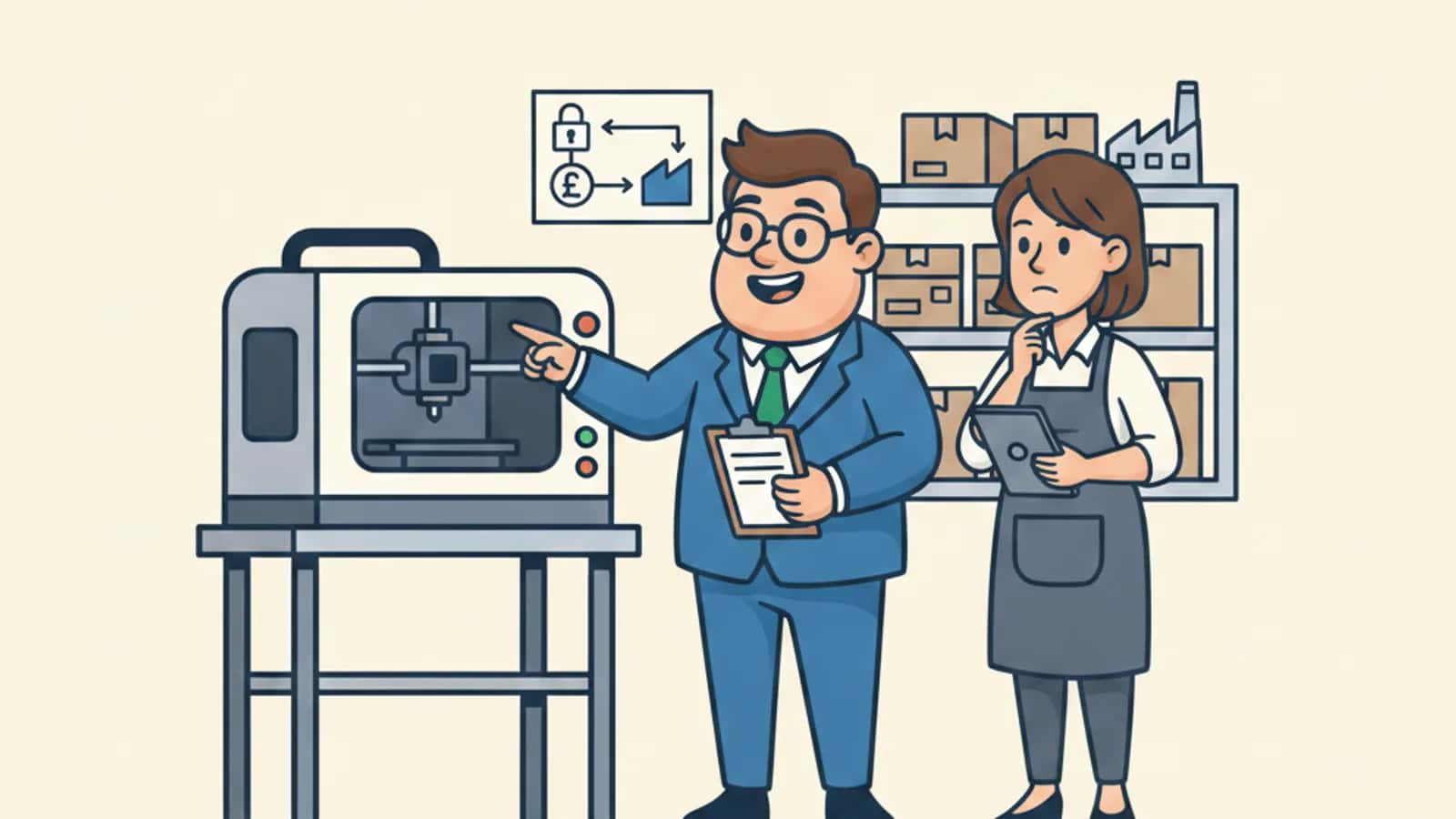
A secured business loan requires you to pledge an asset as collateral against the borrowed amount. If you default on payments, the lender can seize and sell your asset to recover their money. This security reduces the lender's risk, which translates to better rates and terms for your business.
The process works like this: you apply with details of your business and the asset you're offering as security. The lender values your collateral and offers a loan amount typically between 60-80% of the asset's worth. Once approved, you receive the funds but the lender holds a legal charge over your asset until full repayment.
Key mechanics include
- Legal charge registered against your asset
- Regular monthly or quarterly repayments
- Asset remains in your possession during the loan term
- Full ownership returns once loan is repaid
Choose secured loans if you own valuable assets and want the lowest possible rates. Avoid them if you can't afford to lose the pledged asset or if unsecured business loans better match your risk tolerance. Compare the security, cost and repayment implications across UK business loan options before committing an asset.
How Much Can You Borrow with Secured Business Loans UK
Secured business loans in the UK typically range from £10,000 to £500,000, with some specialist lenders offering up to £1 million for high-value collateral. The exact amount depends on your asset's value, business turnover, and repayment capacity.
Most lenders offer 60-80% of your collateral's current market value. For example, if you own commercial property worth £250,000, you could potentially borrow £150,000-£200,000. Property-backed loans generally offer the highest amounts due to stable asset values.
Borrowing limits by collateral type
- Property: £25,000 to £500,000+ (up to 80% of value)
- Equipment/Machinery: £10,000 to £250,000 (up to 70% of value)
- Vehicles: £5,000 to £100,000 (up to 60% of value)
- Stock/Inventory: £10,000 to £150,000 (up to 50% of value)
Your business turnover also matters. Most lenders want annual revenue of at least £100,000, though some accept lower figures with strong collateral. The key is proving you can service the debt while maintaining business operations.
Secured vs Unsecured Business Loans: Key Differences
Secured loans require collateral while unsecured loans rely solely on your business creditworthiness and trading history. This fundamental difference affects every aspect of the borrowing experience, from rates to approval criteria.
| Secured Business Loans | Unsecured Business Loans |
|---|---|
| 3-8% APR typical rates | 10-50% APR typical rates |
| £10k-£500k+ loan amounts | £1k-£250k loan amounts |
| Collateral required | No collateral needed |
| Asset at risk if you default | No asset seizure risk |
| Lower credit score acceptance | Higher credit requirements |
| Longer repayment terms (up to 10 years) | Shorter terms (typically 1-5 years) |
Which is right for you?
Choose secured loans when
- You own valuable business or personal assets
- You need large amounts (£100k+)
- You want the lowest possible interest rates
- Your credit history has some imperfections
Choose unsecured loans when
- You don't want to risk losing assets
- You need funding quickly without asset valuations
- You have strong credit and trading history
- You need smaller amounts for short-term needs
The different types of business loans available in the UK each serve specific purposes, but secured options consistently offer the most competitive terms for larger funding requirements.
What Assets Can You Use as Collateral for Business Loans
UK lenders accept various assets as collateral, with property being the most preferred due to its stability and value retention. The key requirement is that assets must be owned outright or have sufficient equity available.
Primary collateral options:
Commercial Property
- Business premises you own
- Investment properties
- Development land
- Warehouses and industrial units
Residential Property
- Your home (if you're a director/owner)
- Buy-to-let properties
- Second homes or holiday properties
Business Equipment
- Manufacturing machinery
- Construction equipment
- Medical/dental equipment
- IT systems and servers
Vehicles and Fleet
- Commercial vehicles
- Company cars
- Specialist machinery (excavators, cranes)
- Marine vessels
Other Assets
- Stock and inventory (for some lenders)
- Accounts receivable/invoices
- Intellectual property (patents, trademarks)
Lenders typically require professional valuations for property and high-value equipment. The asset must be insured and maintained throughout the loan term. Some lenders won't accept assets over certain ages or in declining markets.
Common mistake: Assuming you need to own assets outright. Many lenders accept assets with existing finance if there's sufficient equity available.
Which UK Banks Offer the Best Secured Business Loan Rates
Traditional high street banks typically offer the most competitive secured business loan rates, starting from around 3-4% APR for prime borrowers with strong collateral. However, their application processes remain slow and criteria restrictive.
Bank rate ranges (indicative)
- Barclays Business: 3.5-7% APR
- HSBC Business: 3.2-6.8% APR
- Lloyds Business: 3.8-7.2% APR
- NatWest Business: 3.6-7% APR
Alternative lenders often provide faster decisions and more flexible criteria, though rates may be slightly higher at 5-8% APR. These include specialist commercial finance companies and challenger banks.
Rate factors that matter
- Loan-to-value ratio (lower LTV = better rates)
- Your business credit score and trading history
- Collateral type (property gets best rates)
- Loan amount and term length
- Your relationship with the lender
The application process with traditional banks can take 6-12 weeks due to extensive paperwork and committee approvals. Alternative lenders often complete the same process in 1-2 weeks with streamlined online applications.
Smart approach: Get quotes from both traditional banks and alternative lenders. Banks may offer lower headline rates, but alternative lenders might approve when banks decline, especially if your business credit score isn't perfect.
What Credit Score Do You Need for Secured Business Loans UK
Secured business loans are more accessible than unsecured options because collateral reduces lender risk. Many lenders accept credit scores from 550+ for secured loans, compared to 650+ typically required for unsecured funding.
Credit score requirements by lender type
- Traditional banks: 650+ preferred, may consider 600+ with strong collateral
- Alternative lenders: 550+ commonly accepted
- Specialist bad credit lenders: 400+ with substantial security
Your business credit score matters more than personal credit for larger loans, though directors' personal scores are always checked. Lenders use Experian, Equifax, or Creditsafe for business scoring, with ratings from 0-100 or 0-999 depending on the agency.
What lenders actually assess
- Business credit score and payment history
- Directors' personal credit files
- County Court Judgments (CCJs) and defaults
- Current debt levels and commitments
- Banking conduct over 12-24 months
Improving your chances with poor credit
- Offer higher-value collateral for lower loan-to-value ratios
- Provide detailed business plans and cash flow forecasts
- Consider guarantor options if available
- Address any outstanding CCJs or defaults before applying
The collateral acts as security, so lenders focus more on your ability to service the debt rather than past credit issues. This makes secured loans ideal for businesses rebuilding after financial difficulties.
What Happens If You Can't Repay Your Secured Business Loan
Defaulting on a secured business loan means the lender can seize and sell your pledged asset to recover the outstanding debt. This legal right is established when you sign the loan agreement and register the charge against your asset.
The default process typically follows these stages:
- 1
Stage 1: Missed Payments (1-3 months)
- Lender contacts you about arrears
- Late payment fees may apply
- Opportunity to arrange payment plans
- 2
Stage 2: Formal Default Notice (3-6 months)
- Legal default notice served
- Demand for full repayment within specified timeframe
- Final opportunity to negotiate settlement
- 3
Stage 3: Asset Seizure (6+ months)
- Lender appoints receivers or takes possession
- Asset sold at market value (often auction)
- Proceeds used to clear debt, legal costs, and selling expenses
Your remaining obligations
- If sale proceeds exceed debt, you receive the surplus
- If proceeds fall short, you remain liable for the shortfall
- Additional legal and selling costs are typically added to your debt
Protecting yourself
- Communicate early if you're struggling with payments
- Seek professional advice from insolvency practitioners
- Consider alternative business funding strategies before defaulting
- Explore refinancing options with other lenders
Most lenders prefer to work with struggling borrowers rather than seize assets, as forced sales rarely achieve full market value. Early communication often leads to payment holidays, term extensions, or restructured arrangements.
Are Secured Business Loans Good for Startups or Just Established Companies
Secured business loans work for both startups and established companies, provided the startup owners have suitable assets to offer as collateral. The security reduces lender focus on trading history, making it easier for new businesses to access funding.
Startup advantages with secured loans
- Collateral compensates for lack of trading history
- Lower rates than unsecured startup funding
- Higher borrowing limits available
- Longer repayment terms reduce monthly pressure
What startup lenders typically require
- Detailed business plan with realistic projections
- Proof of asset ownership and valuation
- Directors with relevant industry experience
- Some evidence of market demand or pre-orders
Common startup collateral options
- Founder's residential property
- Equipment purchased for the business
- Commercial premises (if purchased)
- Vehicles or machinery
Established business benefits
- Lowest possible rates due to trading history plus security
- Highest borrowing limits available
- Flexible terms and repayment structures
- Easier approval process
Which is right for you?
Choose secured loans for startups if
- You need substantial funding (£50k+)
- You want competitive rates from day one
- You own suitable assets you're comfortable securing
- Traditional business loans for startups have been declined
Avoid if
- You can't afford to lose the pledged asset
- Unsecured options meet your funding needs
- You're uncertain about business viability
The key is honest assessment of your business prospects and asset risk tolerance. Many successful businesses started with secured funding, but the stakes are higher if things don't work out.
Most Common Mistakes When Applying for Secured Business Loans
The biggest mistake is underestimating the asset valuation process and overestimating how much you can borrow. Many applicants assume they can borrow 90-100% of their asset value, when most lenders cap loans at 70-80% of current market value.
Critical application mistakes:
Overvaluing Your Collateral
- Using outdated property valuations
- Ignoring market conditions and recent sales
- Failing to account for forced sale discounts
- Not considering existing charges or mortgages
Inadequate Financial Documentation
- Providing incomplete management accounts
- Missing bank statements or cash flow forecasts
- Failing to explain unusual transactions or seasonality
- Not demonstrating clear repayment capacity
Poor Loan Structuring
- Borrowing maximum available rather than what you need
- Choosing inappropriate repayment terms for cash flow
- Not considering early repayment penalties
- Ignoring total cost of credit calculations
Timing Issues
- Applying when you desperately need funds (weakens negotiating position)
- Not allowing sufficient time for valuations and legal work
- Missing seasonal business patterns in applications
- Applying during asset market downturns
Legal and Insurance Oversights
- Inadequate asset insurance coverage
- Not understanding personal guarantee implications
- Failing to get independent legal advice
- Ignoring cross-default clauses with existing facilities
Smart preparation approach
- Get professional asset valuations before applying
- Prepare comprehensive business loan documentation
- Apply when your business is performing well, not in crisis
- Compare multiple lenders rather than accepting the first offer
Remember: lenders want to lend, but they need confidence in your ability to repay without seizing assets.
How Long Does Secured Business Loan Approval Take
Secured business loan approval typically takes 2-6 weeks from application to funds, depending on the lender and complexity of your collateral. Online applications with alternative lenders can complete in 1-2 weeks, while traditional banks often require 6-12 weeks.
Timeline breakdown:
- 1
Week 1: Application and Initial Assessment
- Online application completion (2 minutes to 2 hours)
- Initial credit and affordability checks
- Preliminary asset valuation or desktop review
- Decision in principle (often within 24-48 hours)
- 2
Week 2-3: Detailed Due Diligence
- Professional asset valuation arranged
- Full financial review and verification
- Legal documentation preparation
- Insurance requirements confirmed
- 3
Week 4-6: Legal Completion
- Solicitor reviews and completion
- Asset charges registered
- Final checks and compliance
- Funds released to your account
Factors affecting speed
- Collateral type: Property takes longer than equipment/vehicles
- Lender type: Alternative lenders move faster than banks
- Loan complexity: Multiple assets or guarantors add time
- Your responsiveness: Quick document provision speeds everything up
Fastest approval strategies
- Use online lenders with streamlined processes
- Have all documentation ready before applying
- Choose simple collateral (single property vs multiple assets)
- Avoid peak periods (end of financial years)
When you need same day business funding, secured loans aren't suitable due to valuation requirements. Consider unsecured options or merchant cash advances for urgent funding needs.**
The security registration process can't be rushed, as it involves legal charges that protect both you and the lender.
Which Industries Typically Use Secured Business Loans UK
Manufacturing, construction, and property development businesses most commonly use secured business loans due to their substantial asset bases and capital-intensive operations. These industries often own expensive equipment, property, or inventory that serves as ideal collateral.
High-usage industries:
Construction and Building
- Equipment financing for machinery and tools
- Working capital for large projects
- Property development funding
- Vehicle fleet financing
Manufacturing
- Production equipment and machinery purchases
- Factory or warehouse acquisitions
- Raw material inventory funding
- Expansion and modernization projects
Property and Real Estate
- Development finance and bridging loans
- Commercial property purchases
- Refurbishment and improvement projects
- Portfolio expansion funding
Transport and Logistics
- Fleet purchases and upgrades
- Warehouse and depot acquisitions
- Fuel and working capital facilities
- Route expansion funding
Healthcare and Professional Services
- Medical equipment and technology
- Practice premises purchases
- Expansion into new locations
- Specialist equipment upgrades
Retail and Hospitality
- Shop or restaurant fit-outs
- Property acquisitions
- Equipment and kitchen upgrades
- Seasonal stock financing
Why these industries prefer secured loans
- Lower cost of capital for asset-heavy businesses
- Longer repayment terms match asset lifecycles
- Higher borrowing limits support growth plans
- Better rates than cash flow business loans or unsecured options
Industries that typically avoid secured loans
- Technology and software businesses (limited physical assets)
- Consultancy and professional services (asset-light models)
- Online businesses (prefer flexible, unsecured funding)
The key is matching your funding structure to your business model and asset base.
Risks of Using Property as Security for Business Loans
Using property as security for business loans puts your most valuable asset at risk if your business fails. Unlike other forms of collateral, losing property can affect your personal living situation and long-term financial security.
Primary property risks:
Personal Home as Security
- Risk of homelessness if business fails
- Family stress and relationship impact
- Difficulty securing alternative accommodation
- Loss of equity built up over years
Commercial Property Risks
- Loss of business premises and operational base
- Forced relocation costs and disruption
- Lease complications if you're subletting
- Impact on business continuity and customer relationships
Market Value Risks
- Property values can fall during loan term
- Forced sale often achieves below-market prices
- Negative equity situations in declining markets
- Additional costs if sale proceeds don't cover debt
Legal and Financial Complications
- Cross-default clauses affecting other borrowings
- Personal guarantee implications for directors
- Joint ownership issues with spouses or partners
- Inheritance and estate planning complications
Protecting yourself
- Never secure more than you can afford to lose
- Maintain comprehensive property insurance
- Keep detailed business and property records
- Consider independent legal advice before signing
Alternative approaches
- Use commercial property rather than your home
- Consider partial security (lower loan-to-value ratios)
- Explore asset finance for equipment instead
- Look at unsecured options if amounts are manageable
When property security makes sense
- You're confident in business prospects
- The funding will generate clear returns
- You have alternative accommodation options
- The loan amount justifies the risk
Remember: property-backed lending offers the best rates, but the consequences of default are severe and long-lasting.
Can You Get Secured Business Loans with Bad Credit
Yes, secured business loans are available with bad credit because the collateral reduces lender risk significantly. Many specialist lenders focus specifically on bad credit secured lending, accepting credit scores as low as 400-500 with sufficient security.
Bad credit acceptance factors
- Collateral value: Higher-value security compensates for credit issues
- Loan-to-value ratio: Lower ratios (50-60%) improve approval chances
- Current trading: Recent positive cash flow matters more than past problems
- Time since issues: Problems over 2-3 years old carry less weight
What lenders consider "bad credit"
- County Court Judgments (CCJs) under £5,000
- Missed payments or defaults on previous facilities
- Individual Voluntary Arrangements (IVAs) or bankruptcies
- High credit utilization or maxed-out facilities
Improving approval chances with bad credit
- Offer substantial collateral (property works best)
- Provide detailed explanation of past credit issues
- Show evidence of business recovery and stability
- Consider guarantors or additional security
Typical bad credit terms
- Interest rates: 6-12% APR (vs 3-8% for good credit)
- Lower loan-to-value ratios (60-70% vs 80%+)
- Shorter initial terms with review options
- More stringent monitoring requirements
Specialist bad credit lenders
- Focus on current ability to pay rather than past issues
- Faster decisions than traditional banks
- More flexible criteria and human underwriting
- Experience with complex credit situations
When to avoid bad credit secured loans
- If business loans with no credit check meet your needs
- If unsecured rates are competitive for your situation
- If you can't afford to lose the pledged asset
- If waiting 6-12 months would significantly improve your credit
The key is being honest about past issues and demonstrating current financial stability. Many businesses successfully rebuild credit through responsible use of secured facilities.
Next steps for secured business loans uk
Secured business loans UK offer the most competitive rates and highest borrowing limits available to UK businesses, but they come with significant risks that require careful consideration. With rates from 3-8% APR and loan amounts up to £500,000, they're ideal for businesses with valuable assets seeking substantial funding for growth, equipment, or property purchases. For more comparisons and application guidance, browse our business loan guides.
The key is matching the loan structure to your business needs and risk tolerance. Property-backed loans offer the best terms but put your most valuable assets at risk. Equipment or vehicle security provides a middle ground with lower stakes if things go wrong.
Your next steps
- Assess what assets you own and their current market values
- Calculate how much funding you actually need versus maximum available
- Compare rates from both traditional banks and alternative lenders
- Get professional advice on the legal implications of asset security
- Consider whether how to get a business loan through unsecured routes might be safer for your situation
Remember: the cheapest funding isn't always the best if it puts critical assets at unnecessary risk. Choose secured business loans when the benefits clearly outweigh the potential consequences of default.
Further reading
Frequently asked questions
What Exactly Is a Secured Business Loan and How Does It Work?
A secured business loan requires you to pledge an asset as collateral against the borrowed amount. If you default on payments, the lender can seize and sell your asset to recover their money. This security reduces the lender's risk, which translates to better rates and terms for your business.
How Much Can You Borrow with Secured Business Loans UK?
Secured business loans in the UK typically range from £10,000 to £500,000, with some specialist lenders offering up to £1 million for high-value collateral. The exact amount depends on your asset's value, business turnover, and repayment capacity.
What Assets Can You Use as Collateral for Business Loans?
UK lenders accept various assets as collateral, with property being the most preferred due to its stability and value retention. The key requirement is that assets must be owned outright or have sufficient equity available.
Which UK Banks Offer the Best Secured Business Loan Rates?
Traditional high street banks typically offer the most competitive secured business loan rates, starting from around 3-4% APR for prime borrowers with strong collateral. However, their application processes remain slow and criteria restrictive.
What Credit Score Do You Need for Secured Business Loans UK?
Secured business loans are more accessible than unsecured options because collateral reduces lender risk. Many lenders accept credit scores from 550+ for secured loans, compared to 650+ typically required for unsecured funding.
What Happens If You Can't Repay Your Secured Business Loan?
Defaulting on a secured business loan means the lender can seize and sell your pledged asset to recover the outstanding debt. This legal right is established when you sign the loan agreement and register the charge against your asset.
Written by
The Funding Fred Editorial Team creates plain-English guides to help business owners understand funding options, eligibility, and application readiness before they compare finance options.
Reviewed by
UK business finance content reviewer
Robert reads our UK business finance guides before they go live, checking each one is accurate, easy to follow, and reflects how lending actually works today — not how a brochure says it should. He's listed on the FCA Register, approved as an SMF3 (AR) Executive Director at Switcha Limited, and connected to Lucky Growth Partners Ltd through its appointed representative relationship, so the regulated detail gets a properly qualified second read.