
Emergency Business Loans UK: Fast Funding When You Need It Most
When your business faces an unexpected cash flow crisis, equipment breakdown, or urgent opportunity, emergency business loans UK can provide funding within 24-48 hours.
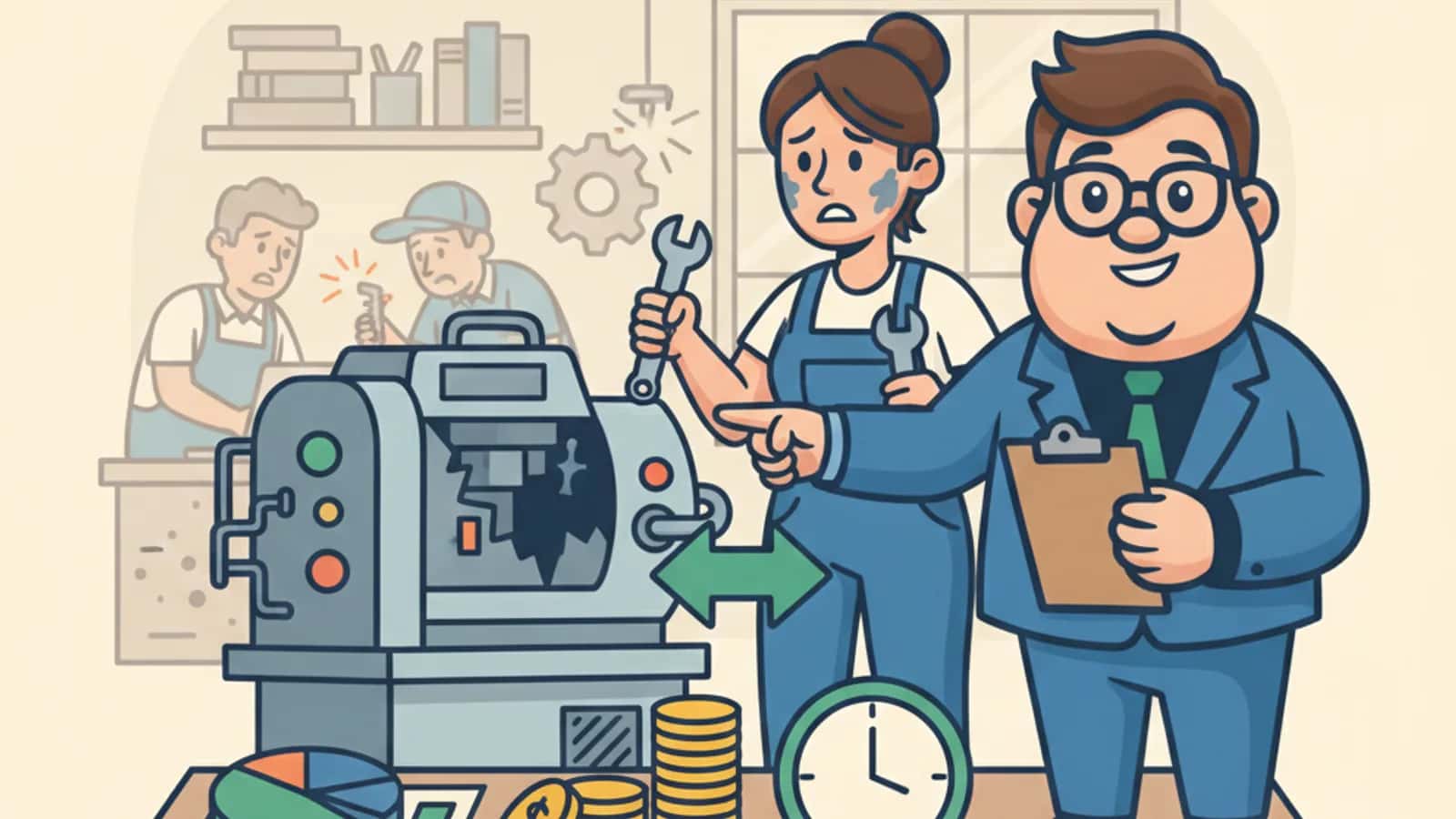
Quick answer
When your business faces an unexpected cash flow crisis, equipment breakdown, or urgent opportunity, emergency business loans UK can provide funding within 24-48 hours. Unlike traditional banks that take weeks to process applications, specialist lenders offer rapid decisions and same-day funding for amounts between £5,000 and £1 million, often without requiring collateral.
Key takeaways
- Emergency business loans can provide funding within 24-48 hours through alternative lenders
- Loan amounts typically range from £5,000 to £1 million without requiring security
- Eligibility is often based on trading performance rather than perfect credit history
- Interest rates range from 4% to 25% APR depending on risk and loan type
- Most lenders require at least 3-12 months of trading history
- Applications can be completed online with minimal documentation
- Merchant cash advances offer the fastest funding but at higher costs
- Government-backed loans provide cheaper rates but slower approval times
When your business faces an unexpected cash flow crisis, equipment breakdown, or urgent opportunity, emergency business loans UK can provide funding within 24-48 hours. Unlike traditional banks that take weeks to process applications, specialist lenders offer rapid decisions and same-day funding for amounts between £5,000 and £1 million, often without requiring collateral.
What Exactly Counts as an Emergency Business Loan

Emergency business loans are short-term financing solutions designed for urgent business needs that can't wait for traditional bank approval processes. These loans prioritise speed over paperwork, offering rapid funding for cash flow gaps, equipment failures, or time-sensitive opportunities.
The key characteristics that define emergency business funding include:
- Rapid approval
- Decisions within 24-48 hours
- Fast funding
- Money in your account within 1-5 days
- Minimal documentation
- Streamlined application process
- Flexible criteria
- Based on current trading rather than credit history alone
Common emergency scenarios include:
- Equipment breakdown requiring immediate repair or replacement
- Unexpected supplier payment demands
- Seasonal cash flow shortfalls
- Last-minute bulk purchase opportunities
- Emergency stock replenishment
- Urgent property repairs or maintenance
Emergency loans differ from standard business loans in their approval speed and documentation requirements. While traditional banks may take 2-8 weeks to process applications, emergency lenders focus on your business's current cash flow and trading performance.
The trade-off for speed is typically higher interest rates and shorter repayment terms. However, for businesses facing genuine emergencies, the cost of not having access to funds often outweighs the additional interest charges. Before choosing on speed alone, compare business loan options and check the total cost and repayment fit.
How Fast Can You Get Emergency Business Funding

Most emergency business loan providers can deliver funding within 24-48 hours of approval, with some offering same-day funding for qualifying businesses. The fastest options include merchant cash advances and short-term loans from alternative lenders.
Same-day funding options:
- 1
Merchant cash advances
2-4 hours after approval
- 2
Revenue-based financing
4-24 hours
- 3
Short-term business loans
24 hours
Next-day funding options:
- 1
Unsecured business loans
24-48 hours
- 2
Invoice financing
24-48 hours
- 3
Asset-based lending
2-3 days
The speed depends on several factors:
- 1
Application completeness
Having all documents ready accelerates the process
- 2
Business verification
Established trading history speeds up checks
- 3
Loan amount
Smaller loans (under £50,000) process faster
- 4
Lender type
Alternative lenders are faster than traditional banks
For urgent bridging finance needs, some lenders can provide up to £750,000 within 72 hours. This is particularly useful for property-related emergencies or time-sensitive acquisitions.
Choose same-day funding if you need money within hours but expect higher costs. Opt for 24-48 hour options if you can wait slightly longer for better rates. Avoid traditional banks for genuine emergencies as their processes typically take weeks.
Which UK Banks Offer the Quickest Emergency Business Loans
Traditional high street banks are generally not the best option for emergency business loans due to their lengthy approval processes. However, some digital banks and alternative lenders provide much faster solutions.
Fastest traditional bank options
- Tide: 24-48 hour approvals for existing customers
- Starling Bank: 2-5 days for business loans
- Metro Bank: 3-7 days for established customers
Alternative lenders (faster options)
- Quick Business Loans: Same-day funding up to £500,000
- Spark Finance: 24-48 hours for unsecured loans up to £750,000
- Elect Capital: Rapid approval for £25,000-£750,000 unsecured funding
High Street Banks
- Typical Speed
- 2-8 weeks
- Loan Range
- £10k-£1m
- Best For
- Established relationships
Digital Banks
- Typical Speed
- 2-7 days
- Loan Range
- £5k-£250k
- Best For
- Existing customers
Alternative Lenders
- Typical Speed
- 24-48 hours
- Loan Range
- £5k-£1m
- Best For
- Speed priority
Merchant Cash Advance
- Typical Speed
- Same day
- Loan Range
- £10k-£500k
- Best For
- Immediate needs
Most high street banks (Barclays, HSBC, Lloyds) still require 2-4 weeks for business loan approvals, making them unsuitable for genuine emergencies. Their processes involve multiple credit checks, relationship manager meetings, and extensive documentation reviews.
Choose digital banks if you're already a customer and need moderate amounts. Select alternative lenders for the fastest approval regardless of existing banking relationships. For more information on getting approved quickly, see our guide on how to get a business loan.
Credit Score Requirements for Emergency Business Financing
Emergency business loan providers typically accept a wider range of credit scores than traditional banks, focusing more on current trading performance and cash flow. Most lenders consider applications from businesses with credit scores as low as 400-500, though better scores unlock lower rates.
Credit score bands for emergency loans
- Excellent (750+): Access to best rates and terms
- Good (650-749): Standard rates with most lenders
- Fair (550-649): Higher rates but still widely accepted
- Poor (400-549): Limited options, higher costs
- Very Poor (below 400): Merchant cash advances or asset-based lending
Many emergency lenders use Open Banking technology to assess your business's real-time financial health rather than relying solely on credit scores. This means a business with recent cash flow problems but strong current trading can still qualify.
Key factors lenders consider beyond credit scores:
- Monthly revenue and consistency
- Bank account activity and balance trends
- Time in business (minimum 3-12 months)
- Industry type and risk profile
- Existing debt obligations
Some platforms allow you to check eligibility without affecting your credit score through soft searches. This lets you compare options before committing to a full application.
If your credit score is below 550, focus on lenders who specialise in merchant cash advances or revenue-based financing. These products are secured against future sales rather than credit history. For businesses with poor credit, our business loans with no credit check guide explains alternative options.
How Much Can Small Businesses Borrow in an Emergency
Emergency business loan amounts typically range from £5,000 to £1 million, with most small businesses accessing between £10,000 and £250,000 depending on their monthly revenue and trading history.
Typical borrowing limits by business size
- Micro businesses (under £100k turnover): £5,000-£50,000
- Small businesses (£100k-£1m turnover): £25,000-£250,000
- Medium businesses (£1m-£10m turnover): £100,000-£1 million
- Larger SMEs (£10m+ turnover): £500,000-£1 million+
The amount you can borrow depends on several factors:
- 1
Monthly revenue
Most lenders offer 2-12 months of monthly revenue
- 2
Trading history
Longer track records support higher amounts
- 3
Cash flow strength
Consistent deposits increase borrowing capacity
- 4
Existing commitments
Current loans reduce available credit
- 5
Industry risk
Some sectors have lower maximum amounts
Loan-to-revenue ratios by product type
- Unsecured business loans: 3-6 months of revenue
- Merchant cash advances: 1-3 months of revenue
- Invoice financing: Up to 90% of outstanding invoices
- Asset-based lending: Up to 80% of asset value
For amounts over £250,000, expect more detailed financial checks even with emergency lenders. Amounts under £50,000 often have the fastest approval processes with minimal documentation.
Choose your loan amount carefully - borrowing more than needed increases costs, while borrowing too little may not solve your emergency. Most lenders allow early repayment without penalties, so slightly over-borrowing can provide a safety buffer.
Government-Backed vs Bank Emergency Loans: Cost Comparison
Government-backed emergency loans typically offer lower interest rates (6-8% APR) compared to private emergency lenders (15-45% APR), but take significantly longer to approve and have stricter eligibility criteria.
Cost comparison table:
Government-backed options include
- Start Up Loans: Fixed 6% APR for new businesses up to £25,000
- Recovery Loan Scheme: Government guarantee reduces bank risk
- Regional development funds: Vary by location and industry
The key trade-off is speed versus cost. Government schemes offer the cheapest funding but can take 4-8 weeks to process, making them unsuitable for genuine emergencies.
Which is right for you?
When to choose government-backed loans
- Your emergency can wait 4+ weeks
- You need amounts under £25,000
- Your business is under 2 years old
- Cost is more important than speed
When to choose private emergency loans
- You need funding within 1-2 weeks
- Your situation is genuinely urgent
- You need amounts over £25,000
- You've been rejected by government schemes
For businesses that qualify, government-backed loans can save thousands in interest charges. However, the application processes are often complex and slow, requiring detailed business plans and financial projections.
Essential Documents for Emergency Business Loan Applications
Emergency business loan applications require minimal documentation compared to traditional bank loans, but having the right documents ready can speed up approval significantly. Most lenders need just 3-5 key documents for rapid processing.
Core documents required by all lenders
- Bank statements: Last 3-6 months showing trading activity
- Business registration: Companies House confirmation or sole trader registration
- ID verification: Passport or driving licence for all directors
- Proof of address: Utility bill or council tax statement (under 3 months)
Additional documents that speed up approval
- Recent management accounts or profit & loss statements
- VAT returns (if VAT registered)
- Existing loan agreements or credit commitments
- Trading invoices or sales records
- Business bank account details for funding transfer
Many emergency lenders now use Open Banking connections to verify your financial information directly from your bank account, reducing the need for manual document uploads. This can cut approval times from hours to minutes.
Documents to avoid delays
- Ensure bank statements show consistent trading income
- Include all business bank accounts, not just the main one
- Provide clear, legible copies or high-quality photos
- Make sure all documents are dated within the last 3 months
Common document mistakes that slow applications
- Incomplete bank statements (missing pages or months)
- Personal bank statements instead of business accounts
- Expired ID documents or proof of address
- Unclear or poor-quality document images
Some lenders accept applications with just bank account access through Open Banking, making the process almost paperless. For a complete list of typical requirements, see our guide on what documents you need for business loan applications.
Prepare these documents before you need emergency funding. Having everything ready can mean the difference between same-day approval and waiting several days for document verification.
Can Startups Qualify for Emergency Business Loans
Startups and new businesses can qualify for emergency business loans, but options are more limited and typically require at least 3-6 months of trading history. Most emergency lenders need to see consistent revenue to assess repayment ability.
Startup-friendly emergency loan options
- Government Start Up Loans: Up to £25,000 at 6% fixed rate for businesses under 2 years
- Merchant cash advances: Available from 3 months of card transactions
- Revenue-based financing: Requires 6+ months of consistent sales
- Asset-based lending: If you have equipment or stock as security
Minimum requirements for startup emergency loans
- 3-12 months of trading history (varies by lender)
- Consistent monthly revenue (usually £5,000+ per month)
- Business bank account with regular deposits
- UK business registration (limited company or sole trader)
- No recent bankruptcies or CCJs for directors
Startup loan amounts and terms
- Typical range: £5,000-£50,000 for new businesses
- Shorter terms: 3-18 months vs 1-5 years for established businesses
- Higher rates: 20-35% APR due to increased risk
- Personal guarantees: Often required from directors
Industries with better startup loan access
- E-commerce and online retail
- Professional services (consulting, marketing)
- Food and hospitality (with trading history)
- Construction and trades (with contracts)
Challenges for very new startups (under 3 months)
- Most emergency lenders require trading history
- Higher rejection rates and costs
- Limited to government schemes or personal guarantees
- May need to wait and build trading record
If you're a startup needing emergency funding, focus on lenders who specialise in new businesses. Merchant cash advance providers often have the most flexible criteria for startups with card payment history.
For more detailed startup funding options, see our comprehensive guide on business loans for startups and whether new companies can get business loans.
What Happens If You Can't Repay an Emergency Business Loan
If you can't repay an emergency business loan, lenders will typically work with you to find a solution before taking legal action, but consequences can include additional fees, damage to credit ratings, and potential asset seizure depending on the loan type.
Immediate steps when facing repayment difficulties:
- 1
Contact your lender immediately
Don't wait until you miss payments
- 2
Explain your situation honestly
Most lenders prefer to restructure than pursue defaults
- 3
Propose a revised payment plan
Show you're committed to repaying
- 4
Provide updated financial information
Demonstrate your current position
Potential consequences of non-payment
- Late payment fees: Typically £25-£50 per missed payment
- Increased interest rates: Default rates can be 5-10% higher
- Credit file damage: Missed payments reported to credit agencies
- Debt collection: Third-party agencies may be instructed
- Legal action: County court judgments for persistent non-payment
- Asset seizure: For secured loans or those with personal guarantees
Lender options for struggling borrowers
- Payment holidays: Temporary suspension of payments (1-3 months)
- Term extensions: Longer repayment period with lower monthly amounts
- Interest-only periods: Temporary reduction to interest-only payments
- Partial settlements: Accepting reduced final payment in some cases
Different loan types have different risks
- Unsecured loans: Limited to credit damage and legal action
- Secured loans: Risk losing pledged assets or property
- Personal guarantees: Directors personally liable for debt
- Merchant cash advances: Daily payment collection can impact cash flow severely
Protecting your business during difficulties
- Prioritise essential suppliers and HMRC payments
- Seek professional advice from accountants or business advisors
- Consider alternative funding to clear emergency loan debt
- Explore government support schemes for struggling businesses
The key is early communication with your lender. Most emergency loan providers would rather restructure terms than face the costs and delays of debt recovery proceedings.
Alternative Funding Sources After Emergency Loan Rejection
If you've been rejected for emergency business loans, several alternative funding sources can provide rapid capital, including merchant cash advances, invoice financing, asset-based lending, and peer-to-peer platforms with different approval criteria.
Fast alternative funding options
- Merchant cash advances: Approved based on card sales, not credit scores
- Invoice factoring: Immediate cash against outstanding customer invoices
- Asset refinancing: Loans secured against equipment, vehicles, or stock
- Revenue-based financing: Funding based on future sales projections
- Peer-to-peer lending: Individual investors with flexible criteria
Non-traditional funding sources
- Business credit cards: Immediate access up to £50,000+ credit limits
- Supplier payment terms: Extended payment arrangements with key suppliers
- Customer advances: Requesting upfront payments for future work
- Equipment leasing: Accessing assets without large capital outlay
- Crowdfunding: For consumer-facing businesses with strong stories
Why emergency loan applications get rejected
- Insufficient trading history (under 6 months)
- Poor cash flow or declining revenue trends
- Existing high debt levels
- Industry considered high-risk
- Recent adverse credit events
Improving your chances with alternative lenders
- Focus on asset-based lenders if you have valuable equipment
- Try merchant cash advance providers if you take card payments
- Consider invoice financing if you have creditworthy customers
- Explore industry-specific lenders who understand your sector
Government and non-profit alternatives
- Local enterprise partnerships and business support grants
- Industry trade association emergency funds
- Community development finance institutions
- Business mentorship programmes with funding connections
For businesses repeatedly rejected by mainstream lenders, our guide to alternative business funding strategies explores creative financing solutions.
The key is matching your business profile to the right type of alternative lender. Asset-rich businesses suit asset-based lending, while service businesses with strong customer relationships should explore invoice financing or revenue-based options.
Typical Interest Rates for Emergency Business Loans
Emergency business loan interest rates in the UK typically range from 6% to 45% APR, with most small businesses paying between 15% and 25% APR depending on their risk profile, loan amount, and chosen lender type.
Interest rate ranges by loan type
- Government-backed loans: 6-8% APR (slowest approval)
- Bank emergency loans: 8-15% APR (1-2 week approval)
- Alternative lender term loans: 15-25% APR (24-48 hour approval)
- Merchant cash advances: 20-45% APR (same-day funding)
- Short-term loans: 25-35% APR (very fast approval)
Factors affecting your interest rate
- Credit score: Higher scores get rates 5-10% lower
- Trading history: Longer track records reduce rates
- Loan amount: Larger loans often have better rates
- Repayment term: Shorter terms typically mean higher APR
- Industry risk: Some sectors pay premium rates
- Security offered: Secured loans have lower rates
Rate comparison by business profile:
Hidden costs to watch for
- Arrangement fees (1-5% of loan amount)
- Early repayment charges
- Late payment penalties
- Broker fees (if using intermediaries)
- Insurance requirements
Monthly cost examples
- £50,000 at 18% APR over 2 years = £2,540/month
- £25,000 at 25% APR over 1 year = £2,344/month
- £100,000 merchant cash advance at 35% factor rate = varies by sales
The speed-cost trade-off is significant in emergency lending. Same-day funding typically costs 10-20% more in annual interest than waiting 1-2 weeks for bank approval.
For current market rates across different lenders, see our business loan interest rates guide.
Emergency Business Loans vs Other Financing: Pros and Cons
Emergency business loans offer rapid funding but at higher costs compared to traditional financing options. The choice depends on your urgency, credit profile, and willingness to pay premium rates for speed.
Emergency Business Loans -
Pros
- Funding within 24-48 hours
- Minimal documentation required
- Flexible eligibility criteria
- No collateral needed (unsecured options)
- Available to businesses with imperfect credit
- Simple online application process
Cons
- Higher interest rates (15-45% APR)
- Shorter repayment terms
- Lower maximum amounts for new businesses
- Daily or weekly payment schedules
- Personal guarantees often required
- Limited time to compare options
Comparison with other financing options:
Emergency loans
- Speed
- 1-2 days
- Cost
- High
- Eligibility
- Flexible
- Best For
- Genuine emergencies
Traditional bank loans
- Speed
- 2-8 weeks
- Cost
- Low
- Eligibility
- Strict
- Best For
- Non-urgent needs
Business overdrafts
- Speed
- Instant
- Cost
- Medium
- Eligibility
- Existing customers
- Best For
- Cash flow gaps
Asset finance
- Speed
- 3-7 days
- Cost
- Medium
- Eligibility
- Asset-dependent
- Best For
- Equipment purchases
Invoice financing
- Speed
- 2-3 days
- Cost
- Medium
- Eligibility
- Invoice-dependent
- Best For
- B2B businesses
When emergency loans make sense
- Equipment failure threatening operations
- Unexpected opportunity with tight deadline
- Supplier demanding immediate payment
- Seasonal cash flow crisis
- Traditional funding has been rejected or delayed
When to consider alternatives
- You can wait 2+ weeks for funding
- You need amounts over £500,000
- You have strong banking relationships
- Cost is more important than speed
- You have assets to use as security
Risk considerations
- Higher costs can strain cash flow if business doesn't recover quickly
- Short terms mean higher monthly payments
- Missing payments can severely damage credit and business relationships
- Personal guarantees put directors' personal assets at risk
The key is honestly assessing whether your situation is a genuine emergency worth paying premium rates, or whether you can wait for cheaper traditional funding.
Common Mistakes When Applying for Emergency Business Loans
The most common mistakes when applying for emergency business loans include applying to unsuitable lenders, providing incomplete financial information, and not comparing terms properly due to time pressure, which can result in rejection or unnecessarily expensive funding.
Critical application mistakes
- Applying to the wrong lender type - Banks for urgent needs, or high-cost lenders when you have time
- Incomplete bank statements - Missing pages or months that delay verification
- Overstating revenue - Lenders verify income through Open Banking
- Not reading terms carefully - Missing high fees or unfavourable conditions
- Applying to multiple lenders simultaneously - Can damage credit scores and appear desperate
Financial preparation errors
- Poor cash flow presentation - Not explaining temporary dips or seasonal patterns
- Missing business expenses - Failing to account for existing loan payments
- Unrealistic repayment plans - Choosing terms that strain future cash flow
- No contingency planning - Not considering what happens if business doesn't recover quickly
Documentation mistakes
- Personal vs business accounts - Mixing personal and business financial information
- Outdated documents - Using statements or accounts more than 3 months old
- Unclear business structure - Not clearly showing company registration and ownership
- Missing director information - Incomplete details for all company directors
Timing and process errors
- Panic applications - Applying under extreme pressure without proper research
- Not checking eligibility first - Wasting time with unsuitable lenders
- Ignoring soft search options - Missing opportunities to check rates without credit impact
- Accepting first offer - Not comparing multiple options even in emergencies
How to avoid these mistakes:
- 1
Research lenders before you need funding
Know your options in advance
- 2
Keep financial documents current
Update monthly for quick access
- 3
Use eligibility checkers
Soft searches show likely approval before applying
- 4
Read all terms and conditions
Understand total cost and obligations
- 5
Have a repayment plan
Ensure you can afford payments even if business struggles
Red flags in emergency loan offers
- Guaranteed approval regardless of circumstances
- Upfront fees before loan approval
- Pressure to sign immediately without review time
- Rates significantly above market norms
- Unclear or hidden terms and conditions
The pressure of genuine emergencies can lead to poor decisions. Taking 30 minutes to research and compare options, even in urgent situations, can save thousands in unnecessary costs and avoid unsuitable loan products.
For businesses preparing for potential future funding needs, maintaining good financial records and understanding your options in advance prevents panic decisions during actual emergencies.
Next steps for emergency business loans uk
Emergency business loans UK provide vital funding when your business faces urgent financial needs, offering approval within 24-48 hours compared to weeks with traditional banks. While interest rates are higher (typically 15-25% APR), the speed and flexibility make them essential for genuine emergencies like equipment failures, cash flow crises, or time-sensitive opportunities. For more comparisons and application guidance, browse our business loan guides.
The key to successful emergency funding is preparation and choosing the right lender type for your situation. Alternative lenders offer the fastest approval for most businesses, while government-backed schemes provide cheaper rates for those who can wait. Always compare options using soft searches where possible, and ensure you can afford the repayments even if your business situation doesn't improve immediately.
For businesses seeking fast, flexible funding without the traditional bank bureaucracy, Funding Fred's 2-minute eligibility check connects you with a wide panel of emergency lenders. Check your options now with no hard credit search and compare rates from multiple providers to find the right emergency funding solution for your business.
Further reading
Frequently asked questions
What Exactly Counts as an Emergency Business Loan?
Emergency business loans are short-term financing solutions designed for urgent business needs that can't wait for traditional bank approval processes. These loans prioritise speed over paperwork, offering rapid funding for cash flow gaps, equipment failures, or time-sensitive opportunities.
How Fast Can You Get Emergency Business Funding?
Most emergency business loan providers can deliver funding within 24-48 hours of approval, with some offering same-day funding for qualifying businesses. The fastest options include merchant cash advances and short-term loans from alternative lenders.
Which UK Banks Offer the Quickest Emergency Business Loans?
Traditional high street banks are generally not the best option for emergency business loans due to their lengthy approval processes. However, some digital banks and alternative lenders provide much faster solutions.
How Much Can Small Businesses Borrow in an Emergency?
Emergency business loan amounts typically range from £5,000 to £1 million, with most small businesses accessing between £10,000 and £250,000 depending on their monthly revenue and trading history.
Can Startups Qualify for Emergency Business Loans?
Startups and new businesses can qualify for emergency business loans, but options are more limited and typically require at least 3-6 months of trading history. Most emergency lenders need to see consistent revenue to assess repayment ability.
What Happens If You Can't Repay an Emergency Business Loan?
If you can't repay an emergency business loan, lenders will typically work with you to find a solution before taking legal action, but consequences can include additional fees, damage to credit ratings, and potential asset seizure depending on the loan type.
Written by
The Funding Fred Editorial Team creates plain-English guides to help business owners understand funding options, eligibility, and application readiness before they compare finance options.
Reviewed by
UK business finance content reviewer
Robert reads our UK business finance guides before they go live, checking each one is accurate, easy to follow, and reflects how lending actually works today — not how a brochure says it should. He's listed on the FCA Register, approved as an SMF3 (AR) Executive Director at Switcha Limited, and connected to Lucky Growth Partners Ltd through its appointed representative relationship, so the regulated detail gets a properly qualified second read.
Sources
- Emergency Business Loans [2] Unsecured Business Loans - https://www.electcapital.co.uk/unsecured-business-loans [3] Unsecured Business Loans - https://www.sparkfinance.co.uk/products/unsecured-business-loans [4] quickbusinessloans.co.uk - https://www.quickbusinessloans.co.uk/ [5] Emergency Business Loan Uk - https://www.fundonion.com/emergency-business-loan-uk [6] Emergency Business Loans - https://www.capalona.co.uk/product/emergency-business-loans/ [7] Urgent Bridging Loan - https://www.skybridgelending.co.uk/urgent-bridging-loan
- British Business Bank business loans
- GOV.UK business finance support