HMRC Time to Pay: How It Works and When a Business Loan Fits Better
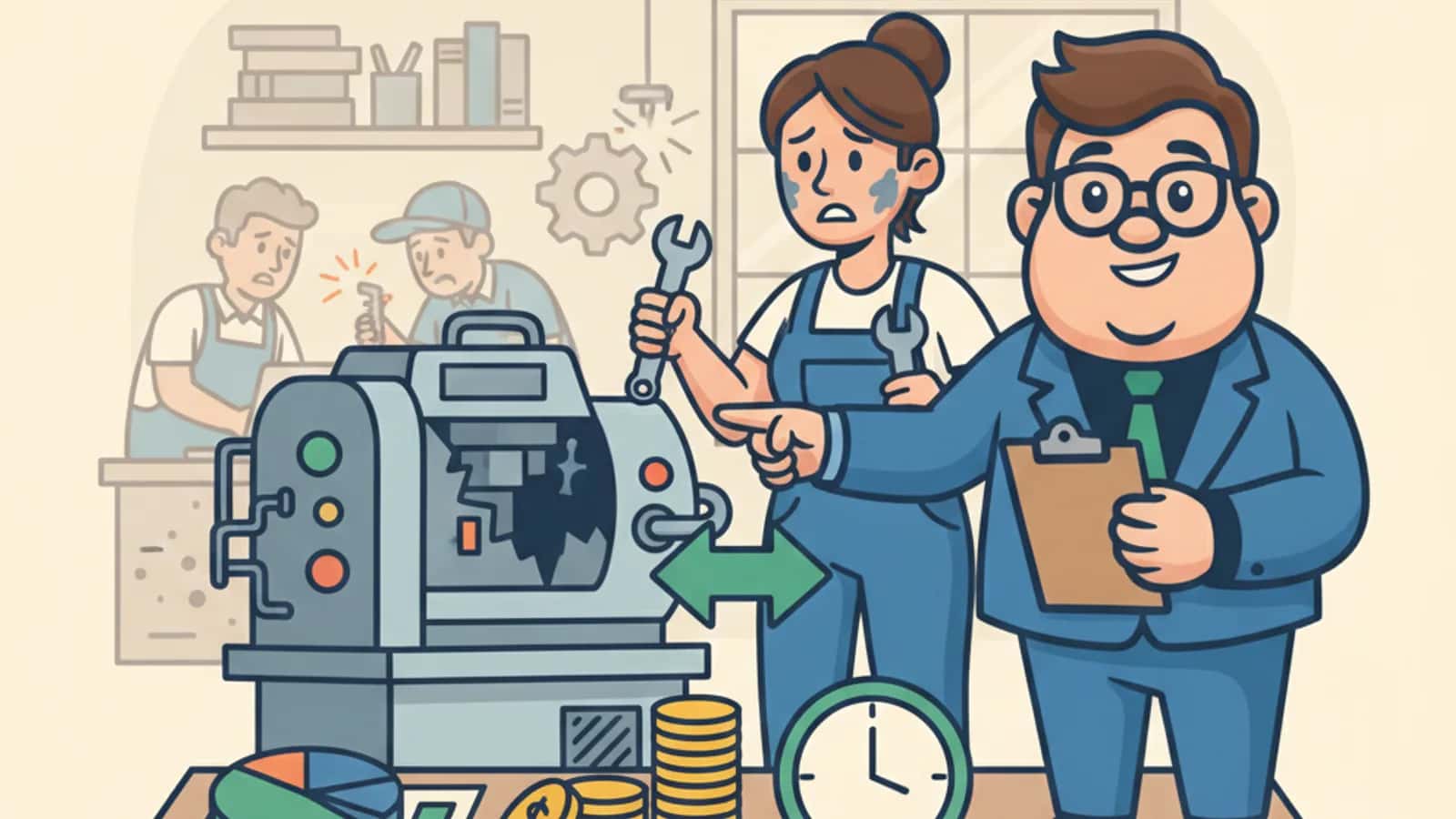
An HMRC Time to Pay arrangement lets a business or individual spread a tax bill into instalments, typically over up to 12 months, instead of paying it all at once. HMRC agrees to it case by case, based on whether the business is genuinely viable but short on cash right now, and interest keeps accruing on the unpaid balance the whole time.

Quick answer
An HMRC Time to Pay arrangement lets a business or individual spread a tax bill into instalments, typically over up to 12 months, instead of paying it all at once. HMRC agrees to it case by case, based on whether the business is genuinely viable but short on cash right now, and interest keeps accruing on the unpaid balance the whole time. Time to Pay usually works best for a short, one-off gap. A VAT loan, corporation tax loan, or general business loan tends to fit better when the shortfall is part of a wider cash flow problem, when speed matters more than HMRC's phone-based process allows, or when a plan has already been refused or cancelled.
Key takeaways
- Time to Pay spreads a tax bill into instalments. It does not reduce what is owed.
- HMRC checks whether the business has a "temporary difficulty but viable" position before agreeing a plan.
- Smaller Self Assessment debts can often be arranged online in minutes; VAT, PAYE and Corporation Tax usually need a call to HMRC.
- Interest runs on the full outstanding balance for as long as it stays unpaid, even inside an approved arrangement.
- Agreeing a plan early, within the 15- and 30-day windows after the due date, can reduce or avoid late payment penalties.
- Missing an instalment can cancel the whole arrangement and make the full balance due immediately.
- A business loan or merchant cash advance can move faster than HMRC's helpline process when cash flow pressure goes beyond one tax bill.
- Borrowing against future trading income sometimes costs more than HMRC's interest, so the real cost needs comparing before applying.
What is an HMRC Time to Pay arrangement?

A Time to Pay arrangement is a formal agreement with HMRC to pay a tax debt through scheduled instalments rather than as a single lump sum. HMRC's own debt management guidance treats it as a tool for taxpayers who cannot pay in full by the due date but can reasonably be expected to pay over a longer period.
It is not a write-off, a discount, or a loan from HMRC. It is a repayment schedule layered on top of a debt that already exists, and interest keeps building on the balance while it runs. HMRC's 2024-25 annual report confirms Time to Pay remains a core part of how it supports businesses through short-term financial pressure, rather than an exceptional concession.
Who qualifies for HMRC Time to Pay, and what disqualifies you?
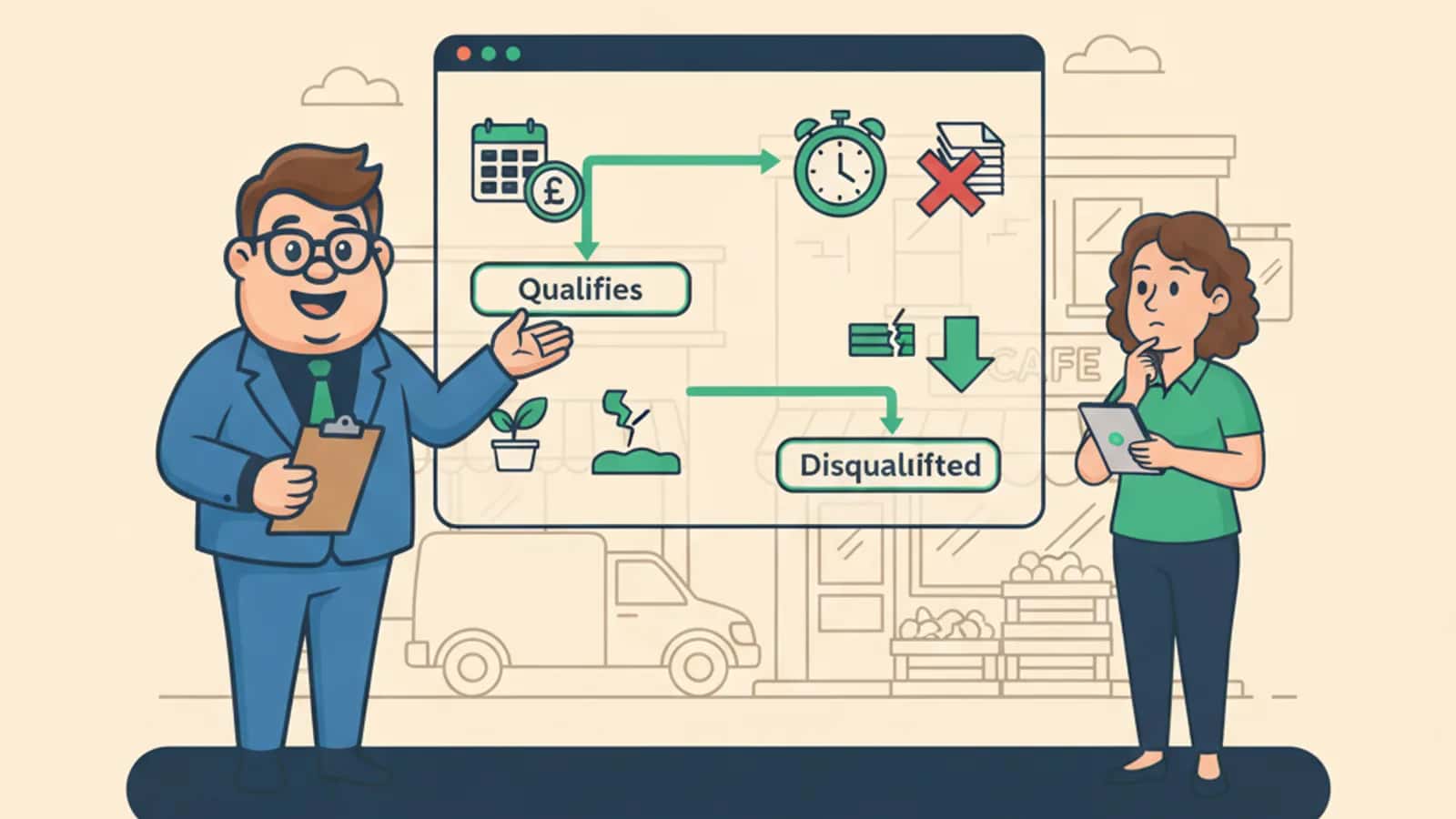
HMRC looks for a business that is viable but temporarily unable to pay, not one that is structurally insolvent or unwilling to engage. Sole traders, partnerships, and limited companies can all apply, provided they can show the shortfall is short-term and the debt will genuinely be cleared.
What HMRC typically checks
- Whether tax returns are up to date (HMRC is unlikely to agree Time to Pay if filings are outstanding)
- Whether the business has a realistic income stream to fund the instalments
- Whether this is a first request or a repeat of previous broken arrangements
- Basic figures on income, outgoings, and other debts, to judge affordability
Common disqualifiers
- Outstanding tax returns that haven't been filed
- A pattern of previous Time to Pay arrangements that were cancelled
- No credible evidence the business can resume full payments once the plan ends
- Signs the business is insolvent rather than temporarily stretched, which points toward formal insolvency advice instead
Self-employed people can get Time to Pay, and in practice, Self Assessment debts are the most commonly arranged through HMRC's online tool. Limited companies generally need to call HMRC's Business Payment Support Service for VAT, PAYE, and Corporation Tax debts.
Which taxes qualify: VAT, income tax, corporation tax and PAYE
Time to Pay can cover most of the main business tax liabilities, including VAT, Corporation Tax, PAYE/National Insurance, and Self Assessment income tax. Each tax type is treated as a separate debt, so a business juggling both a VAT bill and a Corporation Tax bill may need two linked arrangements rather than one.
- VAT:
- Can be included in Time to Pay; larger or more complex VAT debts usually go through the phone-based process rather than online self-service.
- Income tax (Self Assessment):
- The most common route into Time to Pay for sole traders and company directors with personal tax due.
- Corporation Tax:
- Can be arranged, though companies using Quarterly Instalment Payments have slightly different timing rules worth checking against HMRC's guidance before applying.
- PAYE/National Insurance:
- Covered, but usually arranged by phone because of the ongoing, recurring nature of the liability.
How do you apply for Time to Pay, and how long does it take?
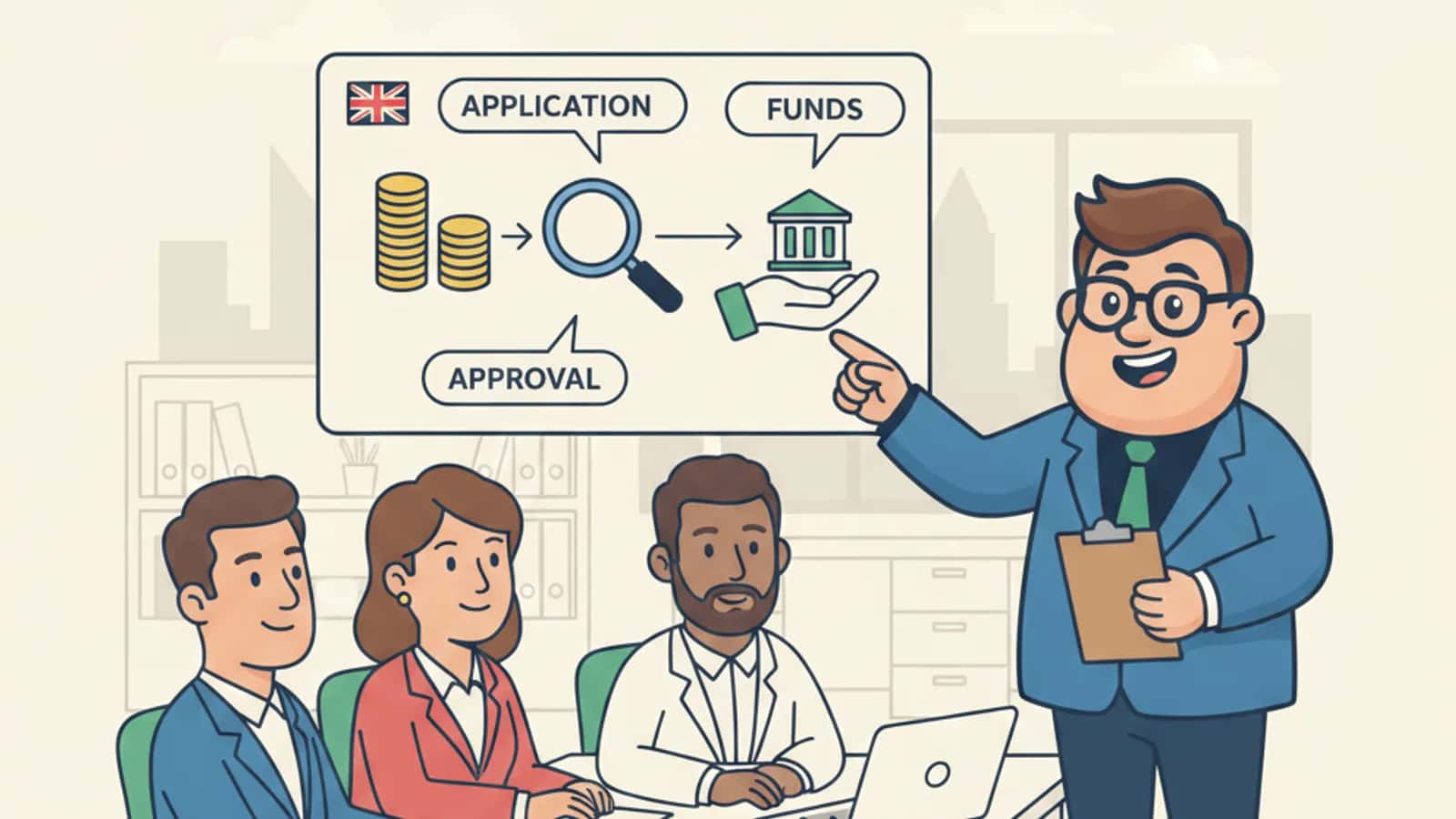
Setting up Time to Pay online can take minutes for an eligible Self Assessment debt, while VAT, PAYE, and Corporation Tax arrangements usually require a phone call to HMRC and can take longer depending on how much evidence is needed. The route depends on the tax type, the amount owed, and how recently it became due.
Online self-service: At the time of writing, HMRC's online payment plan tool is mainly aimed at Self Assessment taxpayers with debts up to a set threshold, arranged within a limited window after the due date, without needing to speak to an adviser. HMRC's transformation programme is expanding digital access to Time to Pay over time, so thresholds and which taxes are covered online can change. Always check the current limits on GOV.UK before relying on a specific figure.
Phone application: VAT, PAYE, and larger or more complex Corporation Tax debts generally go through HMRC's Business Payment Support Service by phone. Expect to discuss:
- The exact amount owed and the tax reference
- Why the payment was missed or will be missed
- Income, outgoings, and other debts
- A proposed monthly instalment amount
- How long repayment is likely to take
How much can you borrow with HMRC Time to Pay, and for how long?
There is no separate "borrowing limit" with Time to Pay, because nothing new is being lent. The amount covered is simply the tax already owed, spread into instalments, and HMRC's general guideline is arrangements running up to around 12 months. Larger or more complex debts can sometimes run longer, but that depends on HMRC's case-by-case viability assessment rather than a fixed rule.
This is the key difference from borrowing: Time to Pay restructures an existing debt rather than injecting new cash into the business. If the real problem is a broader cash shortfall, not just one tax bill, instalments on that single debt won't free up working capital for stock, payroll, or suppliers. That gap is where a cash flow business loan or similar facility tends to do a different job.
Is HMRC Time to Pay interest free?
No. HMRC charges interest on the outstanding tax balance for the entire length of a Time to Pay arrangement, calculated with reference to the official rate mechanism set out in HMRC's penalties and interest guidance. The debt does not stop accruing interest just because a payment plan has been agreed.
What a timely arrangement can affect is penalties, not interest. Under HMRC's penalty and interest harmonisation rules, contacting HMRC and agreeing Time to Pay within the early windows after a payment becomes due (commonly referenced as the 15-day and 30-day points) can reduce or avoid the escalating late payment penalties that otherwise apply. Interest on the tax itself, however, keeps running regardless of when the arrangement starts.
Time to Pay softens the penalty hit if arranged early. It does not make the debt interest-free.
What happens if you miss a Time to Pay payment?
Missing a scheduled instalment can breach the arrangement, and HMRC can cancel it and demand the full remaining balance immediately. A broken arrangement also makes it harder to negotiate a second one, since HMRC weighs prior compliance history when assessing a new request.
Practical consequences of a missed payment
- HMRC may treat the whole debt as due in full, not just the missed instalment
- Enforcement action (such as further penalties, debt collection, or in serious cases legal action) becomes more likely
- A track record of cancelled plans counts against future Time to Pay requests
- Directors of limited companies may face additional personal exposure depending on how the debt was structured
If an instalment is genuinely about to be missed, contacting HMRC before the payment date, rather than after, gives the best chance of adjusting the plan instead of losing it entirely.
Time to pay arrangement vs business loan: what's the difference?
A Time to Pay arrangement reschedules a debt already owed to HMRC, while a business loan brings in new funds that can be used to pay that debt off in full and then be repaid to the lender over an agreed term. The two solve different problems, even though both result in "paying tax over time."
| Factor | HMRC Time to Pay | Business Loan / VAT or Corporation Tax Loan |
|---|---|---|
| What it does | Spreads the existing tax debt into instalments | Provides new funds to clear the tax bill and frees up cash flow for other needs |
| Cost | HMRC interest, which runs for the life of the plan | Lender fees or interest; varies by lender and applicant, so compare total cost before committing |
| Speed to arrange | Online in minutes for some Self Assessment debts; phone-based for VAT, PAYE and most Corporation Tax | Can be faster for urgent, lump-sum needs, depending on the lender and documents ready |
| Scope | Limited to the tax debt itself | Can cover the tax bill plus wider working capital, stock, or payroll gaps |
| Risk if it goes wrong | Missed instalment can cancel the plan and trigger the full balance immediately | Missed repayment affects the business relationship with the lender, separate from HMRC |
HMRC Time to Pay vs bank loan: which is better for your business?
Time to Pay tends to be the better fit for a single, short, one-off tax shortfall where the rest of the business is trading normally. A bank loan, or a faster alternative to one, tends to fit better when the tax bill is a symptom of a wider cash flow squeeze or when speed and flexibility matter more than a traditional lender can offer.
Traditional banks are often slow and paperwork-heavy exactly when a business needs a fast decision. A wide finance panel, Open Banking checks, and smart tech can move faster than a standard bank application, which matters if HMRC enforcement is approaching. For businesses comparing routes, it's worth reading about how short-term business loans are structured before deciding which direction suits the tax deadline in front of you.
When should you get a VAT loan or corporation tax loan instead of Time to Pay?
A VAT loan or corporation tax loan tends to fit better than Time to Pay when the business needs funds faster than HMRC's process allows, when a previous Time to Pay arrangement has been refused or cancelled, or when the tax debt is only one symptom of a broader cash flow gap that also needs covering.
Which is right for you?
Choose Time to Pay if
- The shortfall is isolated to one tax bill and the rest of the business is stable
- There's time to go through HMRC's phone-based process
- Minimising total cost matters more than speed, and HMRC interest compares favourably to borrowing costs
Choose a business loan or VAT/corporation tax loan if
- Time to Pay has already been refused or a previous arrangement was cancelled
- The cash gap extends beyond the tax bill to stock, payroll, or supplier payments
- Enforcement action is close and HMRC's process won't move fast enough
- A clean, predictable repayment schedule suits cash flow better than an open-ended HMRC arrangement
This is covered in more depth in the dedicated guide to business loans for VAT or tax bills, which walks through how these facilities are structured and priced.
For a sense of how instalments actually look across different loan sizes and terms, see business loan repayment examples before comparing against an HMRC payment plan. Funding Fred's unsecured business loans and merchant cash advance options connect UK businesses with a wide partner panel, matched through a short Open Banking-based eligibility check, so owners can compare selected finance partners without committing to one lender upfront. There's no obligation to proceed, and no hard check to start.
Time to Pay application readiness checklist
Before contacting HMRC or applying for finance, gather the following:
- Exact amount owed, the tax type, and the reference number (UTR, VAT number, or PAYE reference)
- Confirmation that all relevant tax returns have been filed
- Recent bank statements showing current cash position
- A simple 3 to 12-month cash flow forecast
- Details of other outstanding debts or finance already in place
- A clear, honest explanation of why the payment was missed or will be missed
- A realistic proposed monthly instalment figure, worked out from actual affordability
Having this ready speeds up both an HMRC call and a loan application, since lenders and HMRC ask for broadly similar evidence of trading performance and affordability.
Next steps for HMRC time to pay
HMRC Time to Pay is a genuine, well-established option for a business that is fundamentally sound but short on cash for a specific tax bill. It spreads an existing debt, charges interest the whole way through, and depends on keeping every instalment on time. It is not designed to solve a wider cash flow problem, and it is not free money.
When the tax bill is really a symptom of something bigger, slow sales, a stretched supply chain, or a cash gap that touches payroll and stock too, a VAT loan, corporation tax loan, or general business loan often does more useful work. The next step is simple: work out whether the shortfall is a single, short-term tax timing issue (Time to Pay territory) or a broader cash flow squeeze (loan territory), then compare the real cost of each before committing.
Business owners ready to see funding options matched to their situation can run a 2 min check with Funding Fred's Open Banking-based eligibility process. There's no hard check to start, no obligation to proceed, and the service draws on a wide partner panel covering all credit types. Check Eligibility Now.
Frequently asked questions
What is an HMRC Time to Pay arrangement?
A Time to Pay arrangement is a formal agreement with HMRC to pay a tax debt through scheduled instalments rather than as a single lump sum. HMRC's own debt management guidance treats it as a tool for taxpayers who cannot pay in full by the due date but can reasonably be expected to pay over a longer period.
Who qualifies for HMRC Time to Pay, and what disqualifies you?
HMRC looks for a business that is viable but temporarily unable to pay, not one that is structurally insolvent or unwilling to engage. Sole traders, partnerships, and limited companies can all apply, provided they can show the shortfall is short-term and the debt will genuinely be cleared.
Which taxes qualify: VAT, income tax, corporation tax and PAYE?
Time to Pay can cover most of the main business tax liabilities, including VAT, Corporation Tax, PAYE/National Insurance, and Self Assessment income tax. Each tax type is treated as a separate debt, so a business juggling both a VAT bill and a Corporation Tax bill may need two linked arrangements rather than one.
How do you apply for Time to Pay, and how long does it take?
Setting up Time to Pay online can take minutes for an eligible Self Assessment debt, while VAT, PAYE, and Corporation Tax arrangements usually require a phone call to HMRC and can take longer depending on how much evidence is needed. The route depends on the tax type, the amount owed, and how recently it became due.
How much can you borrow with HMRC Time to Pay, and for how long?
There is no separate "borrowing limit" with Time to Pay, because nothing new is being lent. The amount covered is simply the tax already owed, spread into instalments, and HMRC's general guideline is arrangements running up to around 12 months. Larger or more complex debts can sometimes run longer, but that depends on HMRC's case-by-case viability assessment rather than a fixed rule.
Is HMRC Time to Pay interest free?
No. HMRC charges interest on the outstanding tax balance for the entire length of a Time to Pay arrangement, calculated with reference to the official rate mechanism set out in HMRC's penalties and interest guidance. The debt does not stop accruing interest just because a payment plan has been agreed.
Written by
The Funding Fred Editorial Team creates plain-English guides to help business owners understand funding options, eligibility, and application readiness before they compare finance options.
Reviewed by
UK business finance content reviewer
Robert reads our UK business finance guides before they go live, checking each one is accurate, easy to follow, and reflects how lending actually works today — not how a brochure says it should. He's listed on the FCA Register, approved as an SMF3 (AR) Executive Director at Switcha Limited, and connected to Lucky Growth Partners Ltd through its appointed representative relationship, so the regulated detail gets a properly qualified second read.
Sources
- Dmbm800040
- Dmbm803040
- Penalties For Late Payment And Interest Harmonisation
- Hmrc Time To Pay Arrangement
- Hmrcs Annual Report And Accounts 2024 To 2025 Performance Analysis
- Hmrc Transformation Roadmap Update 2026
- Deadlines
- Time To Pay Agreements
- Can You Pay Uk Corporation Tax In Instalments Qips And Time To Pay Explained