Short-Term Business Loans UK: Terms, Costs and When They Fit
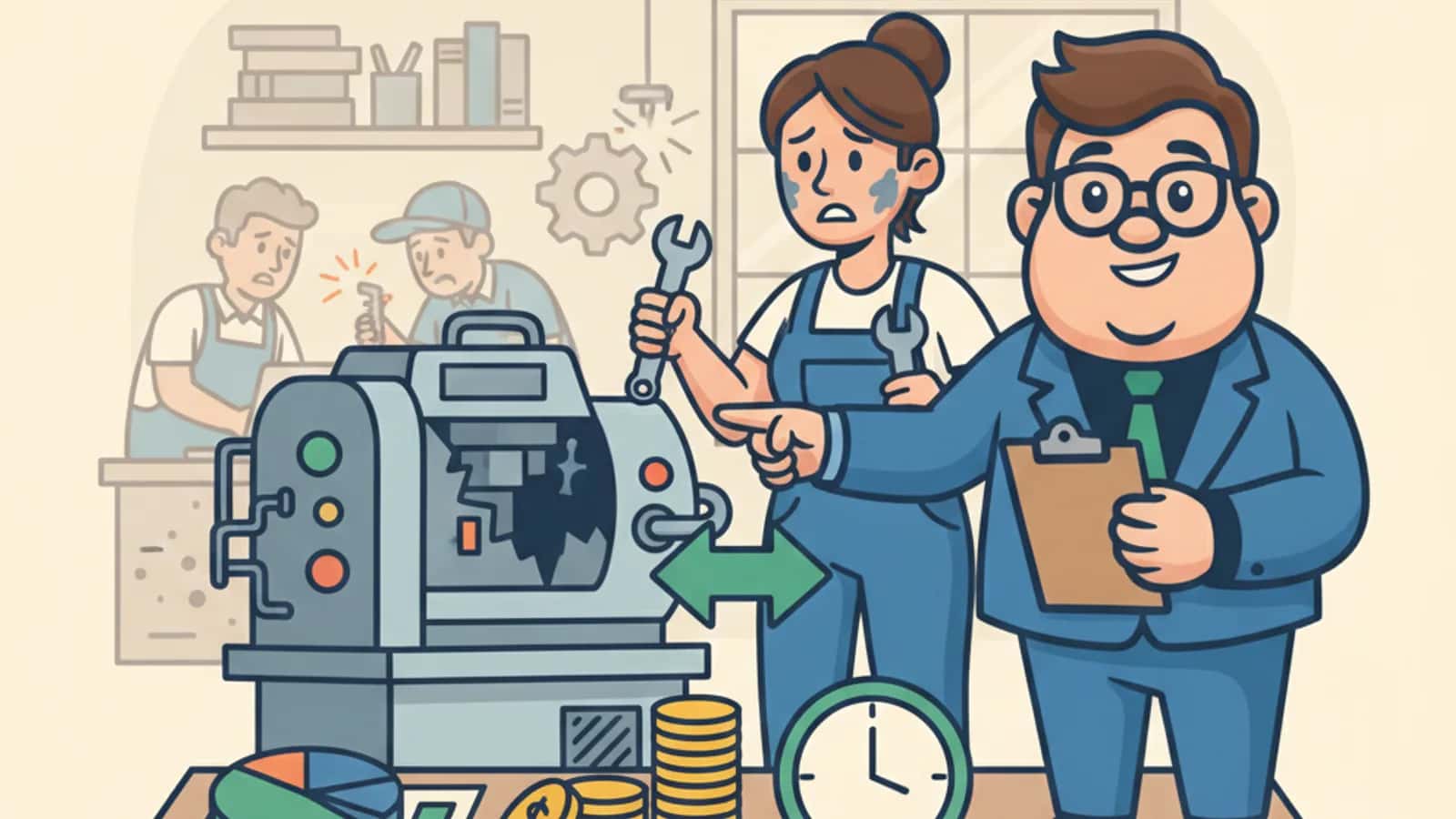
Short term business loans in the UK typically run for 3 to 18 months, with amounts from around £1,000 up to £1 million, priced either as a fixed interest rate or a flat fee rather than a conventional APR. They suit a defined, short cash-flow gap, stock, VAT, a time-limited opportunity, not a purchase that needs years to pay for itself.
Quick answer
Short term business loans in the UK typically run for 3 to 18 months, with amounts from around £1,000 up to £1 million, priced either as a fixed interest rate or a flat fee rather than a conventional APR. They suit a defined, short cash-flow gap, stock, VAT, a time-limited opportunity, not a purchase that needs years to pay for itself. For recurring gaps, a revolving facility or invoice finance often costs less over time.
Key takeaways
- Short term business loans usually span 3-18 months and £1,000,£1 million, repaid daily, weekly or monthly, not just monthly like a traditional term loan.
- Pricing is either a fixed interest rate or a fixed fee; merchant cash advances instead take a set percentage of card sales.
- Gross SME lending from major banks reached roughly £5.35 billion in Q2 2026, over 26% higher than the same quarter in 2025 and the strongest level since the pandemic.
- Lenders increasingly look at trading performance and Open Banking data rather than demanding a spotless credit file.
- A recurring cash-flow gap is often cheaper to fund through invoice finance or a revolving facility than through repeated short-term loans.
- Missing repayments can trigger default fees, a personal guarantee call, and credit file damage, plan the repayment schedule before applying.
- More than two-thirds of SME lending now comes from outside the traditional high-street banks, widening choice but complicating comparison.
What Is a Short-Term Business Loan and How Does It Work?

A short-term business loan is a lump sum repaid over a shorter period than a standard term loan, usually a matter of months rather than years. UK short-term finance typically ranges from about £1,000 to £1 million, with terms commonly between 3 and 18 months. Money lands in one payment, and repayment happens on a fixed daily, weekly, or monthly schedule.
This differs from a line of credit. With a short-term loan, you borrow once and repay on a set schedule. With a facility, you draw and repay repeatedly against an agreed limit. Short-term loans suit a one-off need with a clear end date, a stock order, a tax bill, a piece of equipment that pays for itself within the loan term.
Decision rule: choose a short-term loan when the need is specific, time-limited, and you can see exactly how it gets repaid from trading income within the term. If the need is ongoing or unpredictable, a revolving facility usually fits better, covered later in this guide.
Funding Fred connects business owners with unsecured loans and merchant cash advances from a wide panel of finance partners, built around Open Banking data and a fast eligibility check rather than a slow paper-based application.
How Are Short-Term Business Loans Priced in the UK?

Short-term business loans are priced in one of two main ways: a fixed interest rate applied to the loan amount, or a fixed fee charged once regardless of how market rates move. Neither pricing style is automatically cheaper, the total cost depends on the rate or fee, the term length, and how repayments are structured.
Interest-based pricing. You're charged a rate, often quoted "from" a headline figure for the strongest applicants, applied over the loan term. The same loan amount can cost noticeably more for a business with weaker trading history or a shorter track record, because lenders price for risk individually rather than publishing one universal rate.
Fixed-fee pricing. Common with merchant cash advances and some revenue-based products, this model charges a set fee on top of the amount advanced, then collects repayment as a percentage of card sales, often in the 5-15% range, rather than a fixed instalment. Repayments flex with turnover, which helps in a slow month but means the total cost isn't always obvious from the daily deduction alone.
Bank of England data shows average rates on new SME lending rising through 2026, reflecting a tighter cost environment across the market. Separately, overall SME borrowing has fallen as a share of UK GDP over the past decade and a half, even as nominal lending volumes have picked up, a sign that fewer SMEs are relying on traditional bank debt at all, short-term or otherwise.
Illustrative example only: a £20,000 short-term loan over 9 months at a fixed fee equivalent to roughly 8% of the amount borrowed would add about £1,600 in cost, repaid alongside the capital across the term. Actual figures vary by lender, applicant, and product, always ask for the total repayable amount in pounds before signing. For worked figures across different loan types, see these business loan repayment examples.
Are short-term business loans worth the interest rates?
Short-term business loans are worth the cost when the funding solves a problem that's more expensive to leave unsolved, a missed stock order, a penalty for late VAT, a lost contract. They're a poor fit for funding that should really be spread over years, like a vehicle or a premises fit-out, where a longer-term facility usually works out cheaper overall[11, see note below]. The right test isn't "is this rate low," it's "does the cost of borrowing beat the cost of waiting."
Can You Get a Short-Term Business Loan for 2 or 3 Months?
Yes, very short terms of 2-3 months exist in the UK market, though availability depends on the individual lender rather than being standard across the board. Some providers set a practical minimum around 3 months; others offer rolling or flexible-term products with no fixed end date, repaid as a percentage of revenue instead.
Typical repayment terms for UK short-term business finance break down roughly like this:
| Term length | Common use case | Repayment pattern |
|---|---|---|
| 1-3 months | Urgent, one-off gap (VAT, supplier payment) | Daily or weekly |
| 3-6 months | Stock purchase, seasonal peak, short project | Weekly or monthly |
| 6-12 months | Equipment, hiring push, working capital | Monthly |
| 12-18 months | Larger working capital or growth push | Monthly |
What Do Lenders Check for a Short-Term Business Loan?
Lenders assessing a short-term business loan application typically check trading income, bank statements, time in business, and existing debt, often pulled directly via Open Banking rather than requested as paper documents. Credit history is reviewed but, for many short-term lenders, it's one factor among several rather than the deciding one.
Common checks include:
- Recent business bank statements (often 3-6 months)
- Monthly or annual turnover and trading trends
- Time trading and company registration details (via Companies House)
- Existing loans, overdrafts, or merchant cash advances
- Director identity and, for unsecured products, a personal guarantee
Application-readiness checklist:
- Last 6 months of business bank statements ready to share or link via Open Banking
- A clear, one-line reason for the loan (what it funds, over what period)
- Latest filed accounts or management figures, even if unaudited
- Confirmation of any existing finance agreements and balances
- Director ID and basic company details to hand
- A realistic repayment figure checked against monthly cash flow, not just approved against the credit limit offered
Short-term business loans for startups with no credit history
Startups without a credit history can still access short-term business finance, but lenders usually look harder at the founder's personal credit, the business plan, and any early trading data available, since there's no company track record to assess. Expect smaller amounts and shorter terms until trading history builds up. For a deeper look at startup-specific routes, the business loan eligibility criteria used across UK lenders is worth reviewing before applying.
Short-term business loans for self-employed people
Self-employed applicants are assessed on personal and business income combined, usually through bank statements, tax returns, and sometimes SA302 summaries from HMRC rather than company accounts. Lenders want to see consistent income over several months, seasonal dips are common and usually fine if the pattern is explainable.
Can you get a short-term business loan with bad credit?
A less-than-perfect credit file doesn't automatically rule out a short-term business loan. Many lenders on Funding Fred's panel weigh current trading performance, turnover, bank balance trends, existing commitments, alongside credit history rather than relying on a credit score alone. That's reflected in the all credit types approach many short-term and merchant cash advance products take, though pricing is generally higher where risk is higher.
Traditional Banks vs Funding Fred
| Traditional Banks | Funding Fred |
|---|---|
| Slow, paperwork-heavy process | 2 min check, built on Smart Tech |
| Strict, credit-score led decisions | Flexible Criteria, all credit types considered |
| One product, one lender, one answer | Wide partner panel, compare selected finance partners |
Slow, paperwork-heavy process
- Funding Fred
- 2 min check, built on Smart Tech
Strict, credit-score led decisions
- Funding Fred
- Flexible Criteria, all credit types considered
One product, one lender, one answer
- Funding Fred
- Wide partner panel, compare selected finance partners
No hard check to start. No obligation to proceed. We do not charge you for using the service.
How Quickly Can a Short-Term Business Loan Be Approved?
Approval and funding speed for short-term business loans varies by lender, applicant, and how complete the application is, there's no fixed timeline that applies across the whole market. Specialist online lenders generally move faster than high-street banks because they rely on automated data checks rather than manual underwriting.
Factors that speed up a decision:
- Bank statements linked via Open Banking rather than uploaded manually
- A clear, specific funding purpose
- No outstanding gaps in company or director information
- Existing finance disclosed upfront rather than discovered later
For a detailed look at realistic funding timelines and what affects them, see how fast business funding can arrive. Funding Fred's own process starts with a sub-2-minute eligibility check and no hard check to start, a Fast Decision follows from there, but actual payout timing still depends on the finance partner and the applicant's documentation.
Short-Term Business Loan vs Invoice Finance: Which Is Better?
Invoice finance tends to cost less than a short-term loan when the cash-flow gap is caused by slow-paying customers rather than a one-off expense, because it's secured against invoices you've already issued rather than priced purely on risk. A short-term loan is better suited to funding something that hasn't happened yet, new stock, a deposit, a tax bill, where there's no invoice to borrow against.
| Factor | Short-term business loan | Invoice finance |
|---|---|---|
| Best for | One-off cost, specific purpose | Recurring gap from slow-paying clients |
| Security | Often unsecured, personal guarantee common | Secured against unpaid invoices |
| Cost driver | Fixed rate or fee over the term | Percentage of invoice value plus fees |
| Repayment | Fixed schedule, daily/weekly/monthly | Repaid as invoices are collected |
| Fit | Defined start and end date | Ongoing, repeat use as invoices are raised |
When Is an Overdraft or Revolving Credit Facility a Better Fit?
An overdraft or revolving credit facility (RCF) beats a short-term loan when the funding need is unpredictable, recurring, or smaller than the cost of arranging a fresh loan each time. A facility lets you draw and repay repeatedly against one agreed limit, paying interest or fees only on what's actually used.
Choose a facility instead of a short-term loan if:
- The gap recurs monthly or seasonally rather than once
- The amount needed varies and isn't known in advance
- Speed of repeated access matters more than a fixed schedule
- You want to avoid applying fresh each time a gap appears
Choose a short-term loan instead if:
- The amount and purpose are fixed and known upfront
- There's a clear end date for repayment
- You'd rather have a set schedule than a variable draw-down balance
For a side-by-side on how these products differ in practice, read how overdrafts, credit lines and loans compare. And if the real question is duration rather than product type, the short-term vs long-term business loans guide breaks down when a longer facility beats a short one on total cost.
What Happens If You Can't Repay a Short-Term Business Loan?
Missing repayments on a short-term business loan usually triggers late fees first, then default proceedings if the pattern continues, and can lead to a personal guarantee being called if one was signed. Most lenders will try to agree a revised repayment plan before escalating, but that conversation needs to happen early, not after several missed payments.
Realistic consequences, in order of severity:
- Late fees added to the outstanding balance
- Credit file impact reported to credit reference agencies
- Personal guarantee calls, where the director becomes personally liable for unsecured debt, see personal guarantees on business loans for how these work
- Recovery action, including referral to debt collection or legal proceedings in persistent cases
Decision rule: if repayment looks at risk before it's actually missed, contact the lender immediately. A renegotiated schedule is almost always a better outcome than a default on record.
Common Mistakes Businesses Make with Short-Term Loans
The most common mistake is borrowing against a fixed schedule without stress-testing it against a slow month, then struggling the moment turnover dips below forecast. Short-term repayments, especially daily or weekly ones, don't pause automatically when trading slows.
Other frequent mistakes:
- Stacking multiple short-term products
- at once, which compounds daily or weekly deductions and strains cash flow faster than expected
- Treating a short-term loan as long-term finance
- , rolling it over repeatedly instead of switching to a cheaper, longer facility once the pattern becomes clear
- Not reading the total repayable figure
- , focusing only on the daily deduction or headline rate
- Skipping the purpose test
- , borrowing because funding is available, not because there's a specific, repayable use for it
Before comparing offers, it's worth reading how to compare business loans side by side so the total cost, not just the headline rate, drives the decision.
Short-Term Business Loan Alternatives for Cash Flow Problems
Short-term business loans aren't the only route to solving a cash-flow gap, invoice finance, a revolving facility, a business credit card, or a merchant cash advance can all fit better depending on the pattern of the shortfall. The right alternative depends on whether the gap is one-off or recurring, and whether the business takes card payments regularly.
- Merchant cash advance
- , suits card-heavy businesses (retail, hospitality) wanting repayments that flex with daily sales rather than a fixed instalment
- Invoice finance
- , suits B2B businesses with slow-paying clients and a steady stream of issued invoices
- Revolving credit facility or overdraft
- , suits recurring, unpredictable gaps where repeat access matters more than a lump sum
- Business credit card
- , suits smaller, frequent purchases rather than a large one-off cost
Explore the full range via cash flow business loans or browse the wider business loan costs and eligibility hub for comparisons across every finance type.
Next steps for short term business loans
Short term business loans do one job well: solving a defined, time-limited cash-flow problem with a known repayment path. They're not designed for long-term investment, and the cost of borrowing for 3-18 months is a real factor that deserves proper modelling before signing anything, not just a glance at the headline rate.
Before applying, know the exact purpose, check the total repayable figure against actual monthly cash flow, and compare at least two product types, not just two lenders. If a recurring gap keeps reappearing, that's usually a sign to look at invoice finance or a revolving facility instead of repeating the same short-term loan.
Funding Fred's role is to make that comparison faster, not to push one answer. Business Funding. Without the Fuss. Check Eligibility Now with a sub-2-minute check, no hard check to start, and no obligation to proceed, just a clearer view of what's actually on offer across a wide partner panel of finance partners.
Frequently asked questions
What Is a Short-Term Business Loan and How Does It Work?
A short-term business loan is a lump sum repaid over a shorter period than a standard term loan, usually a matter of months rather than years. UK short-term finance typically ranges from about £1,000 to £1 million, with terms commonly between 3 and 18 months. Money lands in one payment, and repayment happens on a fixed daily, weekly, or monthly schedule.
How Are Short-Term Business Loans Priced in the UK?
Short-term business loans are priced in one of two main ways: a fixed interest rate applied to the loan amount, or a fixed fee charged once regardless of how market rates move. Neither pricing style is automatically cheaper, the total cost depends on the rate or fee, the term length, and how repayments are structured.
Can You Get a Short-Term Business Loan for 2 or 3 Months?
Yes, very short terms of 2-3 months exist in the UK market, though availability depends on the individual lender rather than being standard across the board. Some providers set a practical minimum around 3 months; others offer rolling or flexible-term products with no fixed end date, repaid as a percentage of revenue instead.
What Do Lenders Check for a Short-Term Business Loan?
Lenders assessing a short-term business loan application typically check trading income, bank statements, time in business, and existing debt, often pulled directly via Open Banking rather than requested as paper documents. Credit history is reviewed but, for many short-term lenders, it's one factor among several rather than the deciding one.
How Quickly Can a Short-Term Business Loan Be Approved?
Approval and funding speed for short-term business loans varies by lender, applicant, and how complete the application is, there's no fixed timeline that applies across the whole market. Specialist online lenders generally move faster than high-street banks because they rely on automated data checks rather than manual underwriting.
Short-Term Business Loan vs Invoice Finance: Which Is Better?
Invoice finance tends to cost less than a short-term loan when the cash-flow gap is caused by slow-paying customers rather than a one-off expense, because it's secured against invoices you've already issued rather than priced purely on risk. A short-term loan is better suited to funding something that hasn't happened yet, new stock, a deposit, a tax bill, where there's no invoice to borrow against.
Written by
The Funding Fred Editorial Team creates plain-English guides to help business owners understand funding options, eligibility, and application readiness before they compare finance options.
Reviewed by
UK business finance content reviewer
Robert reads our UK business finance guides before they go live, checking each one is accurate, easy to follow, and reflects how lending actually works today — not how a brochure says it should. He's listed on the FCA Register, approved as an SMF3 (AR) Executive Director at Switcha Limited, and connected to Lucky Growth Partners Ltd through its appointed representative relationship, so the regulated detail gets a properly qualified second read.