
Business Finance Guides
Plain-English guides to UK business loans, asset finance, invoice financing, and business credit cards. Compare lenders, check what you'll qualify for, and walk into a funding decision already knowing the answers.
Business Loans
View all
How to Compare Business Loans in the UK: Rates, Fees and Terms
To compare business loans properly, look past the headline rate: check the total amount repayable, arrangement and exit fees, term length, whether a personal guarantee is required, and how fast the funds arrive.

Electric Van Loan Scheme for UK Businesses: What You Need to Know
The Energy Saving Trust runs an interest-free electric van loan scheme for UK businesses in England, helping companies buy electric vans for commercial use with no fixed application deadline. Separately, the government's Zero Emission Van Grant cuts up to £5,000 off the purchase price at the dealership.
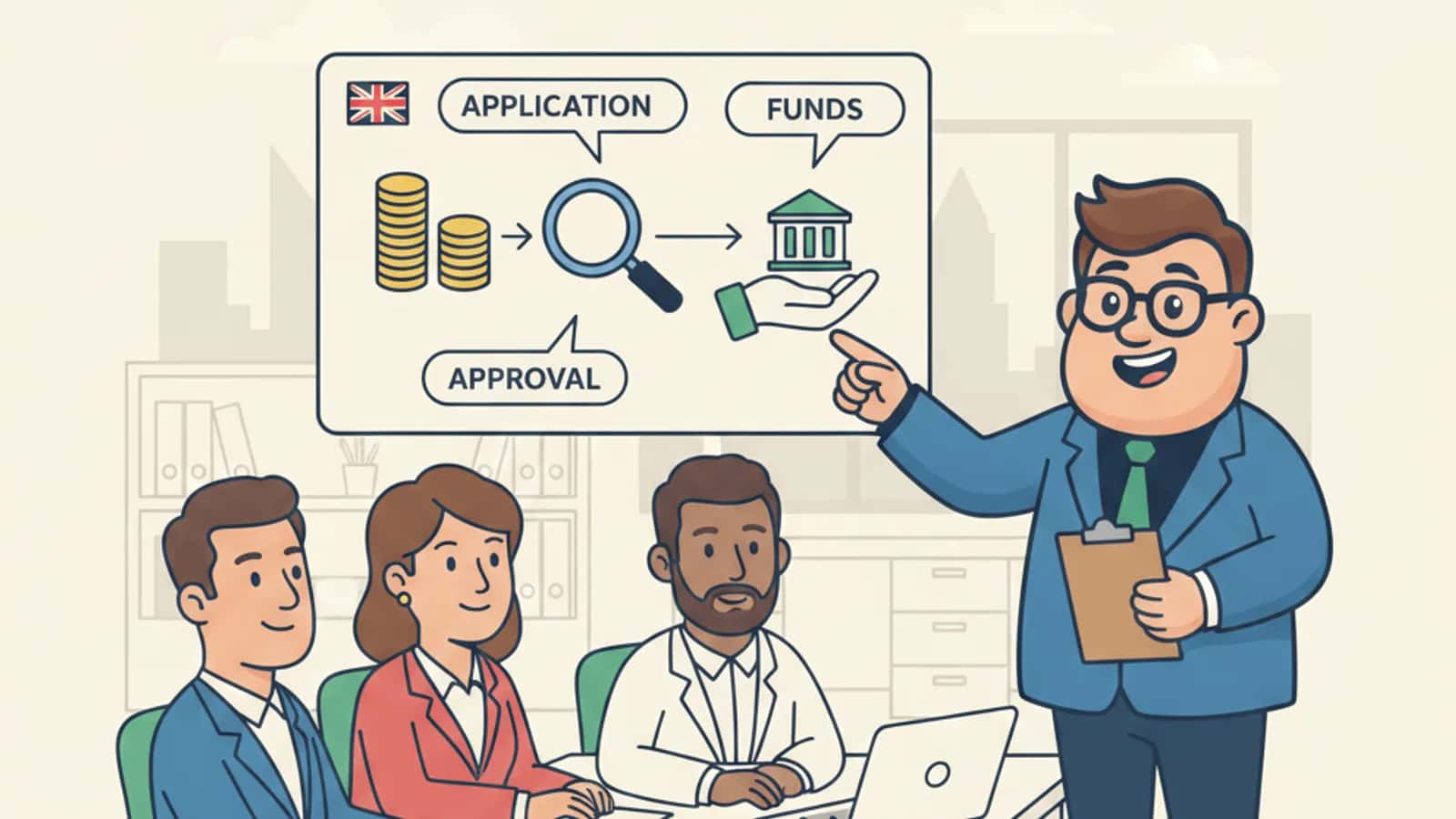
How Do Business Loans Work? A UK Guide for Business Owners
A business loan provides a lump sum or agreed credit facility that the business repays under a contract, usually with interest and sometimes fees. The lender assesses the business, its owners, cash flow, purpose and any proposed security before deciding whether to offer finance.

Secured Business Loans UK: Complete Guide to Asset-Backed Funding in 2026
Secured business loans in the UK require collateral (typically property, equipment, or vehicles) in exchange for lower interest rates and higher borrowing limits. Interest rates range from 3-8% APR compared to 10-50% for unsecured options, with loan amounts from £10,000 to £500,000 available.

Invoice Finance vs Business Loans: Which Funding Option Fits Your Business in 2026
Invoice finance lets you borrow against unpaid invoices and get cash within 24-48 hours, while business loans provide a lump sum with fixed monthly repayments over several years.

Alternative Business Funding Options UK: Beyond Bank Loans
UK businesses can fund growth outside a standard bank loan through unsecured loans, invoice finance, asset finance, merchant cash advances, revenue-based finance, crowdfunding, community lenders and equity investment. Each route assesses and charges differently.

How Do Merchant Cash Advances Work: The Complete UK Guide for 2026
A merchant cash advance (MCA) gives your business a lump sum of capital upfront, which you repay through a fixed percentage of your daily or weekly card sales — not through fixed monthly instalments. There's no interest rate in the traditional sense; instead, a "factor rate" determines the total repayment amount from the start.

Business Loan for Self-Employed UK: 2026 Complete Guide
Self-employed people in the UK can access business loans in 2026, but the process differs from standard applications. Lenders assess income using SA302 forms, bank statements, or Open Banking data rather than payslips.
Development Finance
View all
Ready when you are
See what funding your business could get
Start a short eligibility check and compare selected business funding options. It only takes about 2 minutes, with no hard credit check to start.